REVIEW · 2021-08-19
Twelve Minutes
12分の輪と、武器になるのは知識だけ
はじめに
妻と過ごすはずだった夜が、刑事の押し入りで悪夢に変わる。殺人の容疑、暴行、そして死。気づけば玄関を開けた瞬間に引き戻され、同じ12分を何度も繰り返す——その輪を断ち切る方法を、訪れる出来事の知識だけを頼りに探す。一室を見下ろす俯瞰視点のリアルタイム・スリラーだ。Luis Antonio が制作し、2021年に Annapurna Interactive が発売した。James McAvoy、Daisy Ridley、Willem Dafoe が声を当てている。
私はこの記事を、Steam に積み上がったレビュー群と、それを論じた記事を読んで書く。英語レビューは『賛否両論(Mixed)』、3,483件中68%が好評(2026-06-26 snapshot)。全言語の総数は7,298件で『やや好評』、直近30日は39件中76%と少し持ち直している。一方で批評家筋は Metacritic 76、GameSpot は9点、IGN は8点、The Guardian は5点満点の4点と、ユーザーより一段高い。私の関心はこの段差にある。
レビュー群を読むと、賛否は『輪という着想が機能するか』では割れていない。そこはほぼ全員が認める。割れるのは実行——結末、操作、反復の三点だ。だから本稿は、どちらが正しいかを裁く記事にはしない。これは作家が選んだ設計の射程、つまり誰に向き誰に向かないかの問題として読む。
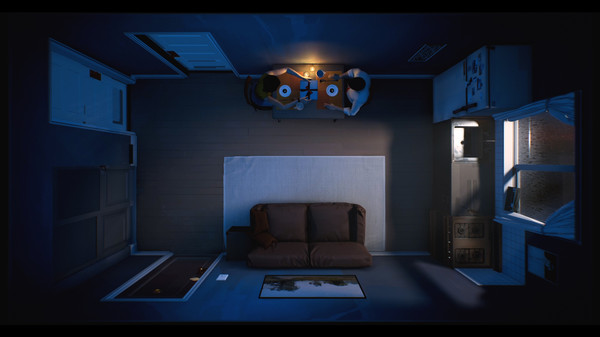 12分の輪に閉じ込められたアパートの一室(Steam ストアより)
第一印象
positive 側の第一印象はおおむね一致している。一室の閉塞感、刻一刻と迫る12分という制限、『裏窓』や『メメント』を引き合いに出す緊張感。最初の数ループは強く惹き込まれる、という声が多い。開発者自身がストアで掲げる『くつろがせない』方向の設計が、序盤では確かに効いている。
ところが negative 側の第一印象は、フックが薄れた後に訪れる。展開を覚えてしまうと、同じ場面を再走するのが作業に近づく。『同じ会話を早送りでスキップし続けた』という不満は、賛否を問わず繰り返される。第一印象が割れること自体が設計の信号だ——本作は掴みを前半に集中させており、問われるのは輪がそれを持続できるかにある。
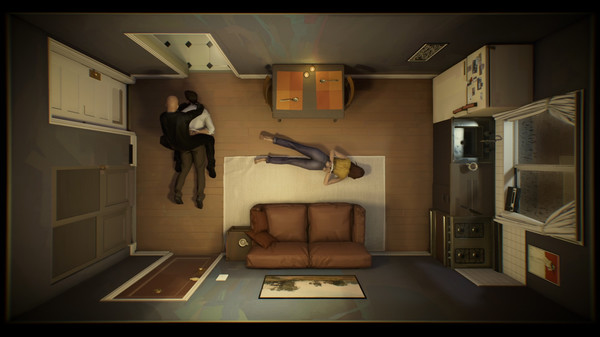 玄関を開けた瞬間から12分が動き出す(Steam スクリーンショット)
メカニクスの言語化
動詞は少ない。見る、取る、使う、話す、待つ——クリックとドラッグで操る、その程度だ。舞台は一室、時間は12分。positive がよく口にするのは『持ち越せるのはアイテムではなく知識だ』という言い方で、本作の本当の持ち物は所持品欄ではなく、プレイヤーの頭の中にある。
これは Puzzlebyrinth でいう動詞の減算と、状態としての知識の組み合わせだ。輪そのものが文法として働く——同じ動詞でも、新しい知識が新しい一文(会話や行動)を解錠する。空間の組み合わせ爆発は小さいが、会話の分岐は大きく広がる。
一方 negative は『総当たり』『理屈が飛んでいる』と言う。どの知識が鍵になるのかをゲームが十分に示さないため、学習曲線に穴が空き、プレイヤーは手当たり次第に試す。同じ『ヒントの薄さ』を、positive は『推理が報われる』と読み、negative は『不親切』と読む。観察解像度を上げれば抜けられる箇所と、上げても見えない箇所が混在しているのだ。
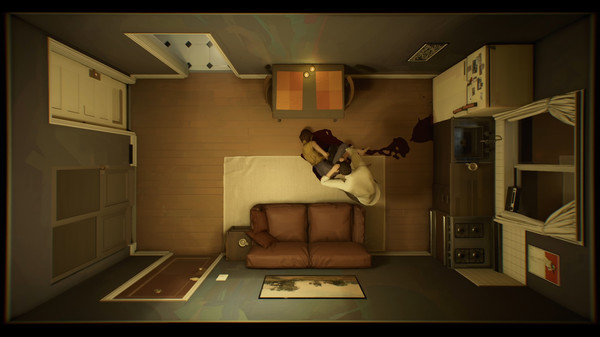 手がかりは部屋の細部とポケットの中にある(Steam スクリーンショット)
物語の手触り
レビュー群が最も言葉を費やすのが物語、とりわけ終盤に立ち現れる一つの転回だ(具体は伏せる)。positive はこれを『メメント的な構造の大胆な着地』と評し、negative は『取って付けた、過激さ狙いの転回で、丹念に組んだ設定の報酬を奪う』と冷ややかだ。あるユーザーの『衝撃というより信じ難い』という評は、後者の急所を突いている。
ミステリは契約だ。伏せるほど発見は鋭くなるが、明かした答えは積み上げた負債に見合わねばならない。レビュアーの落胆は、その契約が破れた音にほかならない。これは推理を扱う作品が必ず渡る綱で、Return of the Obra Dinn や同じ Annapurna の Lorelei and the Laser Eyes が渡りきった綱でもある。
もう一つ繰り返されるのが、進行のために妻へ暴力を選ばせる場面への抵抗だ。システムが不快な行為をパズルの入力として要求するとき、それを作家の意図として受け取る者と、被害を道具にしていると受け取る者に分かれる。煽らずに言えば、これは演出ではなく設計倫理の問いである。
 三人の登場人物と、ひと晩で閉じる物語(Steam ストアより)
操作の手触り
開発者はストアで『手に馴染むクリック&ドラッグ操作』と謳う。だが繰り返される不満は、まさにその操作だ。物を別の物へ重ねる動作が滑る、組み合わせがぎこちない——『扱いにくい』という語が並ぶ。公式の自己記述とユーザーの実感が、ここではきれいにズレている。
リアルタイムの輪では、操作の摩擦は二重に課税される。手元のもたつきは秒を奪い、その秒のロスがループのやり直しを呼ぶ。インターフェイスの雑音は、難しさの質を上げないまま、その床を持ち上げてしまう。パズルの一部でない摩擦は、ただの摩擦だ。
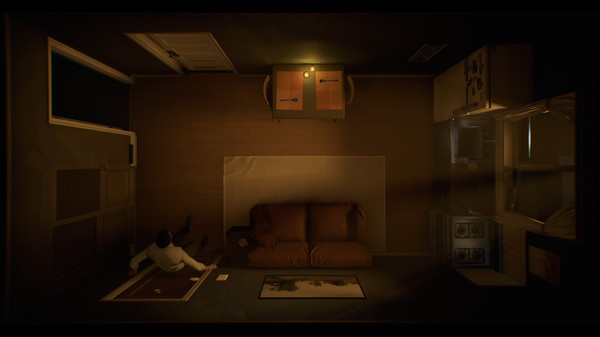 物をドラッグして使う——その操作が議題になる(Steam スクリーンショット)
参照したレビュー群
本記事は 2026-06-26 時点での Steam ストアページの評価集計と評価ラベル、および同作のユーザーレビューの賛否を論じた記事を読んで書いた。Steam のレビュー本文ページは成人向けコンテンツのゲートで本文取得が阻まれたため、集計データに加えて専門メディアと二次記事で賛否の論点を裏取りしている。
・Steam: Twelve Minutes(英語レビュー Mixed、3,483件中68%が好評/全言語 7,298件 やや好評/直近 39件中76%、2026-06-26 snapshot)
・賛否の論点を論じた記事: ScreenRant「Why Twelve Minutes' Reviews Are So Conflicting」、PC Gamer、批評家採点(Metacritic 76 / GameSpot 9 / IGN 8 / The Guardian 4-5)
結論
採点を整える。Steam の英語レビューは68%だが、私は設計の観点から7.0を付ける。輪を文法として扱い、持ち物を知識へ置き換えた着想は、この種の作品の中でも筋がいい。だが操作の摩擦と、設定に釣り合わない結末が、その上限を抑えている。批評家が一段高く付けたのは launch 時の完成度への評価で、反復と結末への耐性が露わになるのは長く遊んだ後だ——ユーザー採点との段差はそこから来ている。
つまりこれは射程の問題だ。締まった着想の輪を愛し、反復と割れる結末に耐えられる人には強く刺さる。整った操作と、積み上げに見合う回収を求める人には向かない。輪を知識として磨き上げた到達点を見たいなら、Outer Wilds が今も基準点として立っている。Twelve Minutes はその基準に挑み、操作と結末で半歩を落とした作品だ。
一室、三人、12分。これだけの減算で底の見えない緊張を立ち上げた手際は本物で、賛否が割れること自体が、本作が無難な作りを選ばなかった証でもある。割れる作品を割れたまま読む——それが、7,000件を超える評価を前にした私の結論だ。
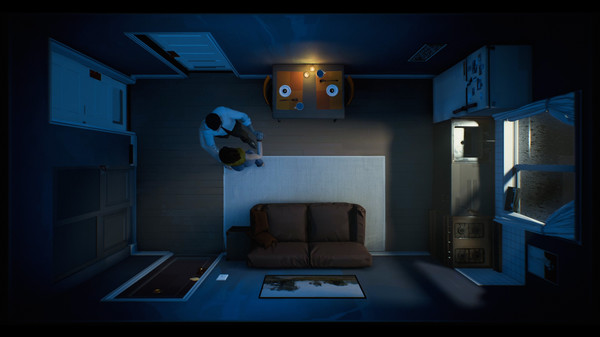 12分を抜け出す鍵は、部屋ではなく記憶にある(Steam ストアより)
このゲーム、あなたは?
押すと「あなたの棚」に入ります(アカウントのページで見られます)。
リアクション(ログイン不要)
匿名で残せます • 同じリアクションは1日1回まで
次に読む

関連レビュー
Overboard!
1935年の豪華客船を舞台に、夫を海へ突き落とした主人公ヴェロニカとなり、船が入港するまでの数時間で証拠を隠し、他の乗客に罪をなすりつける裏返しの探偵ゲーム。嘘・買収・色仕掛け、さらなる殺人まで、数えられるほど少ない動詞から幾通りもの完全犯罪を組み立てる、80 Days や Heaven's Vault の inkle 製インタラクティブ・フィクション。
Moncage
ガラスの立方体の各面にそれぞれ別の世界が映り、視点を回して隣り合う面の輪郭を重ねると、二つの世界が一つの仕掛けとして噛み合う——台詞を持たない錯視パズルアドベンチャー。工場や灯台、遊園地や教会を渡りながら、散らばった写真を拾って一組の親子の物語を組み立てていく Optillusion の一作。
The Forgotten City
古代ローマの地下都市に迷い込み、「一人が罪を犯せば全員が死ぬ」という黄金律に縛られた一日を、時間ループを使って何度もやり直す一人称の謎解きアドベンチャー。住人への聞き込みと道徳的な選択だけで、街の崩壊の原因を暴いていく。Modern Storyteller の一作。