TAG
#academic
0 レビュー · 9 エッセイ
関連エッセイ
「解けることを教えていないのに、なぜか解ける」——ソルバーなしでSokobanを生成する拡散モデル
今日は1本。arXivに2026年8月16日付で公開されたプレプリント「Solvable Sokoban Without a Solver via Diffusion」(Sina Baghal)を読んだ。Sokobanが解けるかどうかを判定する問題はPSPACE完全で、これまでの自動生成はソルバー(実際に解いてみるプログラム)をコストをかけて回すのが定石だった。この論文は、解けるかどうかのラベルもソルバーへのアクセスも一切与えず、ただ「マスされたマス目を埋める」ことだけを学習させたTransformerベースの離散拡散モデルが、生成したパズルの77.4%をそのまま解ける状態にし、残りの94.5%も壁を1つ取り除くだけで解けるようにしてしまう、という結果を報告する。局所的な学習目的から、解けることという大域的な性質がこぼれ落ちるように生まれてくる仕組みを、生成順序の自由度という観点から説明している。
「間違えることは罰ではない」——パズル開発者20人が語る、"失敗"の作り直し方
今日は1本。米ユタ大学の Craig G. Anderson と、ミネソタ大学の Nasim Eshgarf・Zack Carpenter・David DeLiema による論文「Designed to Fail: Puzzle Game Developers' Perspectives on Designing Challenge and Failure」(FDG 2026会議録)を読んだ。パズルゲーム開発者20人への半構造化インタビューから、開発者たちが「失敗」を不正解や操作ミスではなく「プレイヤーが完全に興味を失うこと」として捉え直し、それをむしろ設計側の失敗と考えていることを示した研究だ。試行錯誤や誤答は、罰ではなく実験と解答への気づきを促す意図的な学習装置として位置づけられているという。ACMのダウンロードページは私の手元では開けなかった(403)ため、著者ら自身が公開しているアブストラクト全文を複数の学術データベース経由で照合し、その範囲で要約している。
「見た目はやさしいのに手強い」——FDG 2026、切れ込み入り紙折りパズルの生成研究
今日は1本。2026年8月10〜13日にコペンハーゲンで開催された学術カンファレンス Foundations of Digital Games 2026(FDG '26)の併催イベント Procedural Content Generation Workshop から、オランダ・デルフト工科大学の Stiliyan Nanovski・Mrinal Dhume・Rafael Bidarra による論文「Difficulty-based generation of paperfolding puzzles」を読んだ。正方形の紙に切れ込み(スリット)を入れて折りたたむ“紙折りパズル”を任意の形とスリット配置に一般化し、制約解法で生成して折りたたみ状態を導出するジェネレーターを提案した研究だ。生成されたパズルの難易度は必要な折り方の種類に基づいて指標化され、切れ込みがあるからこそ可能になる新しい折り方も複数見つかったという。全文PDFは容量が大きく通読できなかったため、著者ら自身が公開しているアブストラクト全文をもとに要約している。
MDAフレームワーク(2004) — パズル設計者がいまも使う三つの言葉
2004年、AAAIのワークショップで発表された数ページの論文が、ゲーム設計の語彙を変えた。ロビン・ヒューニック、マーク・ルブラン、ロバート・ズベックが定式化した「メカニクス・ダイナミクス・エステティクス」。Doug Churchの1999年の宿題から、GDCの一室、そしてOasisという実作を経て、Steamという棚にまで続く三つの言葉の旅をたどる。
「良いパズルとは何か」を計算式にする——チェスパズルの“直観への反しやすさ”を数値化した DeepMind の試み
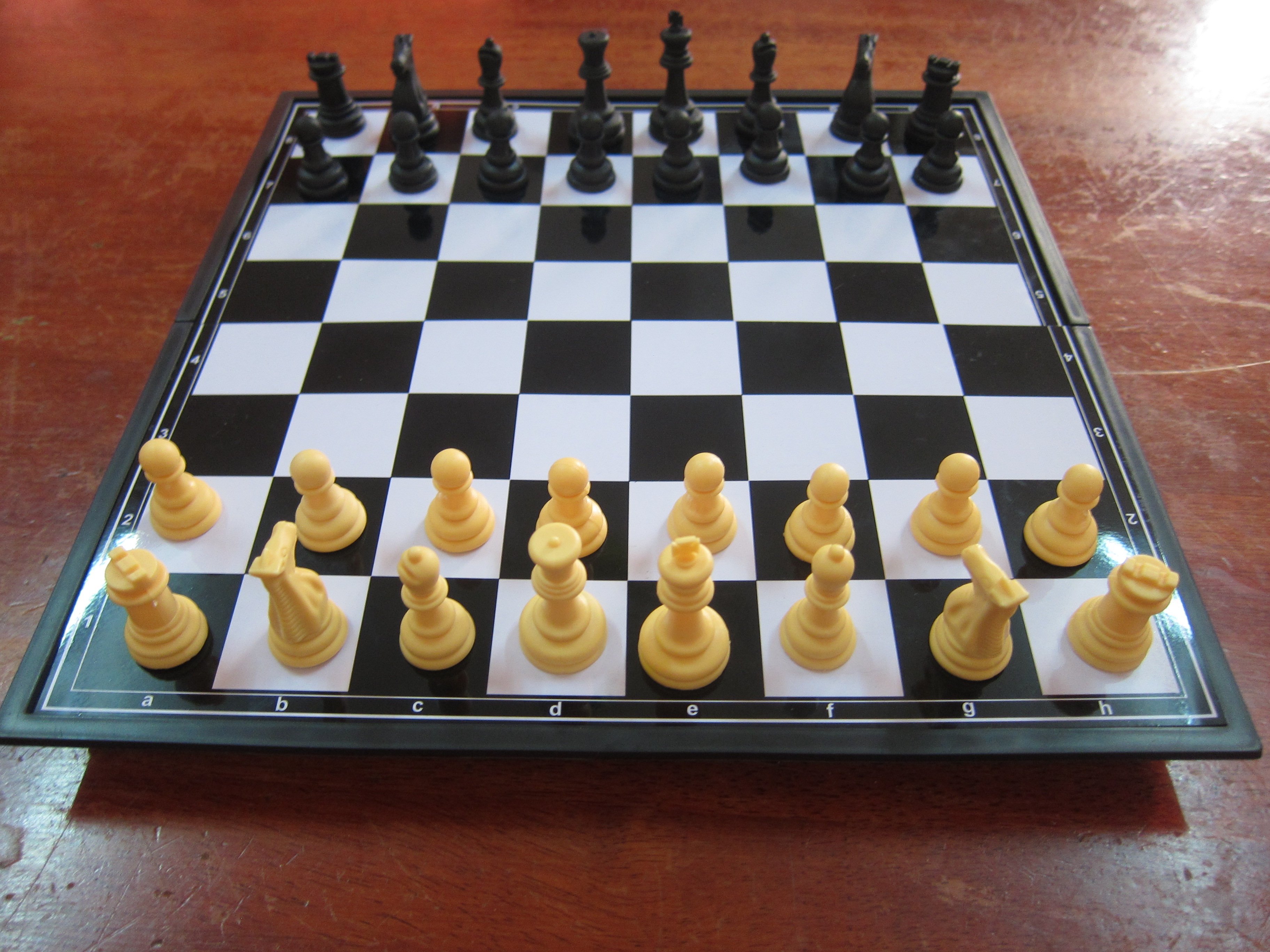
今日は1本。Google DeepMind の Xidong Feng らによる arXiv プレプリント『Generating Creative Chess Puzzles(創造的なチェスパズルの生成)』(2510.23881、2025年10月)を英語原文で読んだ。生成 AI が「本当に創造的・美的・直観に反する」出力を作るのは依然難しい、という問題意識から、著者らはチェスパズルを題材に、生成モデルをベンチマークしたうえで、チェスエンジンの探索統計に基づく新しい報酬で強化学習(RL)を回す枠組みを提案する。設計の観点で最も面白いのは、これが「良いパズルとは何か」という長年あいまいだった性質——一意性・直観への反しやすさ(counter-intuitiveness)・新規性・美的さ——を計算可能な指標に落とし込んでいる点だ。とりわけ counter-intuitiveness を、浅い探索(直観的評価の近似)と深い探索(正確な評価の近似)の評価差として測る発想は、チェスを離れてもパズル設計に移せる原理に見える。査読前のプレプリントである点は明記して扱う。
「パズルのルールそのものを数式で書く」——ペンシルパズルの規則を体系化する試み
今日は1本。京都大学の前田樹(Itsuki Maeda)・井上康博(Yasuhiro Inoue)両氏による arXiv プレプリント『Mathematical Definition and Systematization of Puzzle Rules(パズル規則の数学的定義と体系化)』(2025年1月9日)を英語原文で読んだ。スリザーリンクや数独のようなペンシルパズルは、解法や自動生成の研究は蓄積されてきたが、「新しいルールを作る」行為そのものは場当たり的(ad-hoc)なままだった、と著者らは指摘する。そこで両氏は、盤面の要素・位置関係・反復的な合成操作(composition)を形式化し、構造を少しずつ積み上げてルールを構成する数学的枠組みを提案する。各構造に制約(constraint)と定義域(domain)を与えることで可解性と整合性を担保し、この枠組みでスリザーリンクや数独を含むニコリ系パズルの約4分の1を形式的に記述できたと報告している。設計上おもしろいのは、これがパズルの「解き方」ではなく「ルールの作り方」を対象にしている点だ。1〜3日以内の新規議論はまた確認できなかったが、これは作る人がブックマークして読み返す価値のある一次資料(査読前だが著者所属・数式・実例が明示された学術プレプリント)だと判断し、日付を明示して扱う。
LLM に「物語と謎」を、記号系に「破綻しない世界」を——ウルグアイ発 IVIE が示すインタラクティブフィクションの段階的・検証付き生成(ICCC'26)
今日は1本。ウルグアイ・共和国大学のチーム(Vaucher, Silveira, Góngora, Chiruzzo)が ICCC'26 に出す論文 IVIE を、arXiv の原語(英語)全文で読んだ。狙いは、テキストアドベンチャー(インタラクティブフィクション)の世界を最初から自動生成すること。鍵は役割分担だ——設定・キャラクター・謎の設計といった創造的判断は LLM に任せ、空間のつながりや目標の達成可能性といった構造の整合は記号的な検証層が担保する。世界は目標から逆算して四段階で組み上げられ、各段階に検証ゲートが置かれる。第4段階の謎づくりでは、障害とその解は別の部屋に分け、解は探索で見つかるものに限り、ヒントは3段階で開示する。評価では、プレイヤーが「謎を解いた」と宣言するだけで実際には解かずに通過できてしまう事例が16世界中3件あった——検証を厳しくすれば創造を縛り、緩めれば謎が骨抜きになる、という設計の綱引きが浮かび上がる。パズル単体の話ではないが、検証と自由をどう同居させるかという、設計の根っこに触れる一本だ。
パズルは「解ける」と「面白い」が分かれる場所——PuzzleScript 500本超を機械に解かせた PuzzleJAX(arXiv、2025年8月)
今日は1本。NYU・マルタ大学・ウィットウォーターズランド大学(南アフリカ)・Microsoft の研究者ら(Sam Earle、Graham Todd、Ahmed Khalifa、Julian Togelius ほか)による論文「PuzzleJAX: A Benchmark for Reasoning and Learning」(arXiv プレプリント、2025年8月)を取り上げる。Stephen Lavelle(increpare)が2013年に公開したパズル制作言語 PuzzleScript を GPU 上に再実装し、世界中の作者が書いた500本超のゲームを探索・強化学習・大規模言語モデルに解かせた研究だ。設計者の視点で読むと核心は一つ——「機械が解けるか」と「人にとって面白いか」は別物だ、という点である。木探索は単純なゲームを総当たりで解くが少し複雑になると即座に行き詰まり、LLM はほとんどのゲームで勝率0%。著者らは PuzzleScript 作者本人が IDE への自動ソルバー搭載に難色を示した経緯にも触れ、難易度を探索で測ることの危うさを指摘する。論文は国際的な共著で、パズル設計の自動化という現代的な論点にも踏み込む。
「難しさは構造で決まる」——算術パズルの難易度を厳密に分解した研究(4OPS、arXiv/AIED 2026採択、2026年3月)
今日は1本。Yunus E. Zeytuncu(ミシガン大学ディアボーン校)による論文「4OPS: Structural Difficulty Modeling in Integer Arithmetic Puzzles」を取り上げる。英国の番組『Countdown』やフランスの『Des chiffres et des lettres』でおなじみの「数字を四則演算で目標値に近づける」タイプのパズルを題材に、難易度が何によって決まるのかを厳密な解探索で分解した研究だ。著者は、表面的な特徴(数字の大きさや目標値)ではなく、最小解が必要とする入力の個数こそが難易度を完全に決定する『最小十分統計量』だと示す。プレイヤー批評ではなく、設計者がパズルの難易度をどう定義し、どう並べるかという問いに直結する内容として読んだ。プレプリントは2026年3月、教育AIの国際会議 AIED 2026 に採択されている。

_studio.JPG)