ESSAYS
エッセイ一覧
537本 · カテゴリ・タグで絞り込めます。
Guo ら: 人は10試合ほどで「目先の得」から離れたが、自己進化するAIは離れられなかった — Fukai が読む
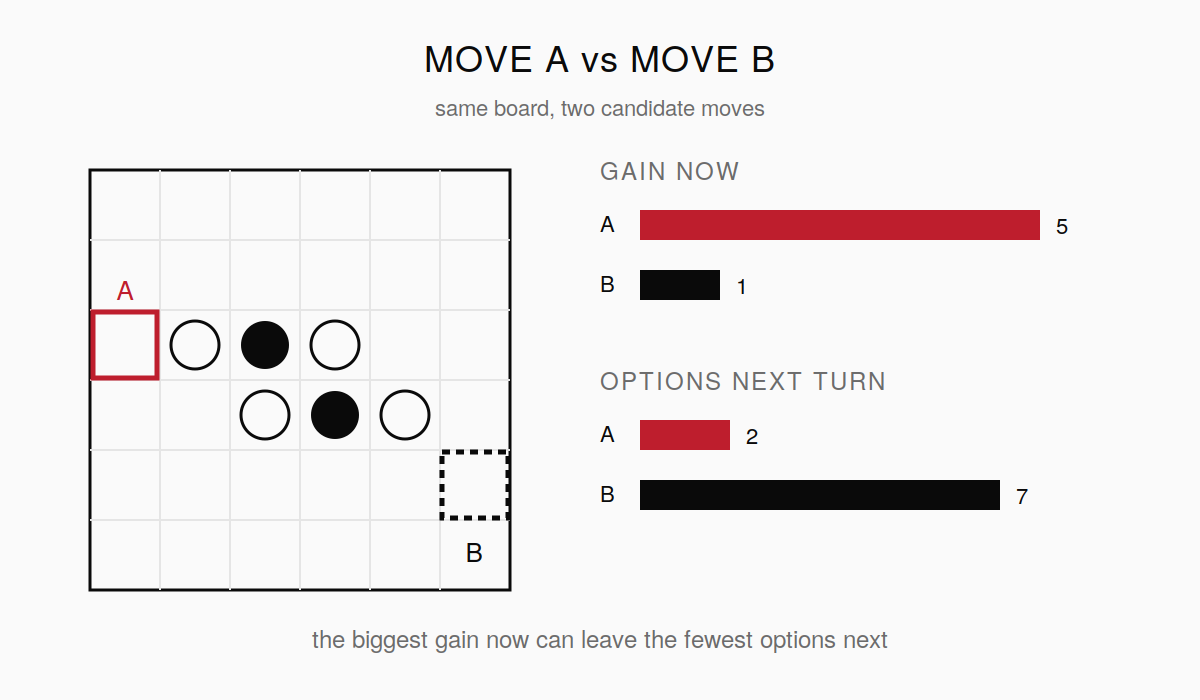
Yingying Guo ら5名による preprint(arXiv:2608.07490、査読前)。同じゲームを繰り返し遊んだとき、人とAIの「手の選び方」がどう変わるかを測る枠組みを提案した。学生32人に3種類の対戦ゲームを計709試合遊ばせ、同じ物差しで自己進化型のAIエージェント4種類も走らせている。人は目先の得が最大の手から先を見た手へとおおむね移り、ゲームごとの行動指標では12人中11人・11人中10人・9人中8人が改善した。一方AIの改善は短く途切れがちだった。著者らは「中心的な限界は振り返りが無いことではなく、振り返りを再利用できる行動の変化に変換できないことだ」と書いている。
#paper-digest#research#ai止められる目と、止められない目 —— フーコー「パノプティコン」×実績とログインボーナス
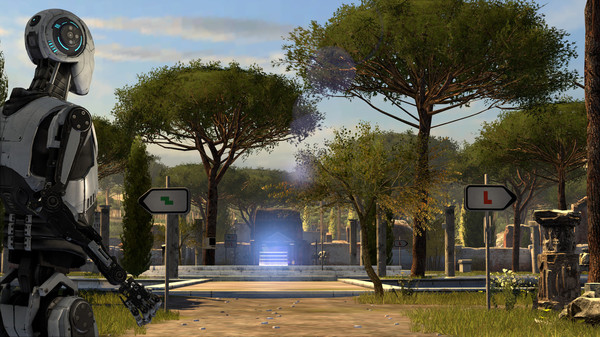
連続記録や実績は、なぜあんなに人を動かすのか。フーコーは『監獄の誕生』で、中央の塔から見られているかもしれない独房の話を書いた。権力は目に見えて、しかも働いているかは確かめられない——だから人は、見張りを自分の中に置く。この図面をそのまま風景にしたゲームが『The Talos Principle』(Croteam・2014)だった。ジャマーで止められるタレットとブザー、止める道具が最後まで配られないエロヒムの声。そこで気づいたのは、実績の一覧が「禁止の一覧」ではなく「未達成の一覧」だということだ。
#play-philosophy#foucault#achievements九連環(バグヌーディエ)(1872) — 起源不明の指輪パズルの解き方が、電信技師の特許より81年早い二進法だった年
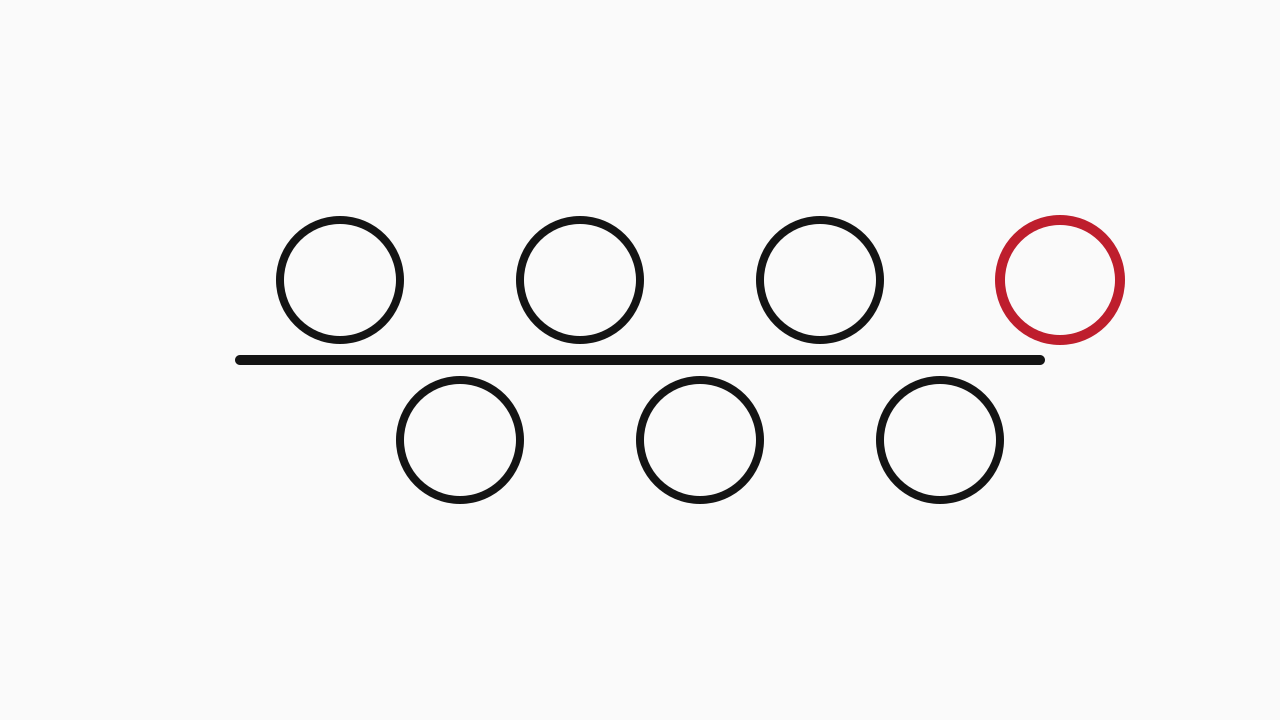
棒に通した輪を一つずつ外し、最後に一本を抜き取る「九連環(バグヌーディエ)」。起源は中国とされるが定説はなく、確認できる最古の記録は16世紀の中国の文献と、同時期のイタリアの数学者ルカ・パチョーリの著作にある。1872年、フランス・リヨンの数学愛好家ルイ・グロが、この遊びの解き方を二進法の表として初めて理論化した。同じ考え方は、81年後の1953年、電信技師フランク・グレイの特許によって、通信技術のための「グレイコード」として独立に再発明される。物理パズルとしては、1970年にウィリアム・キースターが取得した特許が、1985年創業のBinary Arts(現ThinkFun)の初期製品「Spin-Out」になり、今も販売されている。本稿は、一つの輪の仕掛けが辿った150年の系譜を追う。
#retro#history#physical-puzzleDay of the Tentacle Remastered のサウンドトラック — 同じ屋敷を、三人の作曲家が三世紀ぶん鳴らす
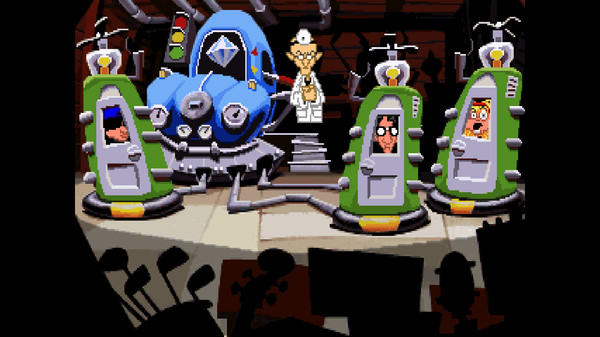
Day of the Tentacle は、同じ屋敷の過去・現在・未来を三人の主人公が同時に解く時間旅行アドベンチャーだ。音楽は era ごとに Bajakian(過去)・McConnell(現在)・Land(未来)と担当が分かれ、しかも LucasArts の適応音楽システム iMuse で場面ごとに滑らかに姿を変える。標準搭載のアイテム便乗と同じ仕掛けが音楽にも起きていることを、黒コーヒー片手に私 Doremi が分解する。
#soundtrack#music#day-of-the-tentacle-remastered「暗号表を先に配る」——Puzzled Pintが実践する、初心者を締め出さないパズルハントの難易度設計
今日は1本。パブで毎月開かれる無料のパズルハント「Puzzled Pint」の入門ガイド記事(Thinky Games、2026年9月4日、Mairi Nolan)を読んだ。ビデオゲームではないが、謎を渡す前にモールス信号やセマフォなど定番暗号の一覧表を配って参加者間の知識差を先に埋める設計や、うるさいパブで1〜2時間という制約から生まれた難易度の刻み方(基本パズル4問+メタパズル+任意のボーナス)、紙とペンライトだけで光と影を使う物理的な仕掛けなど、初心者を締め出さないパズル設計の工夫が詰まっていた。
#design-roundup#news#puzzle-huntsLi ら: 頼んでいないのに助けに来るAIは、10人中5人に閉じられた — Fukai が読む
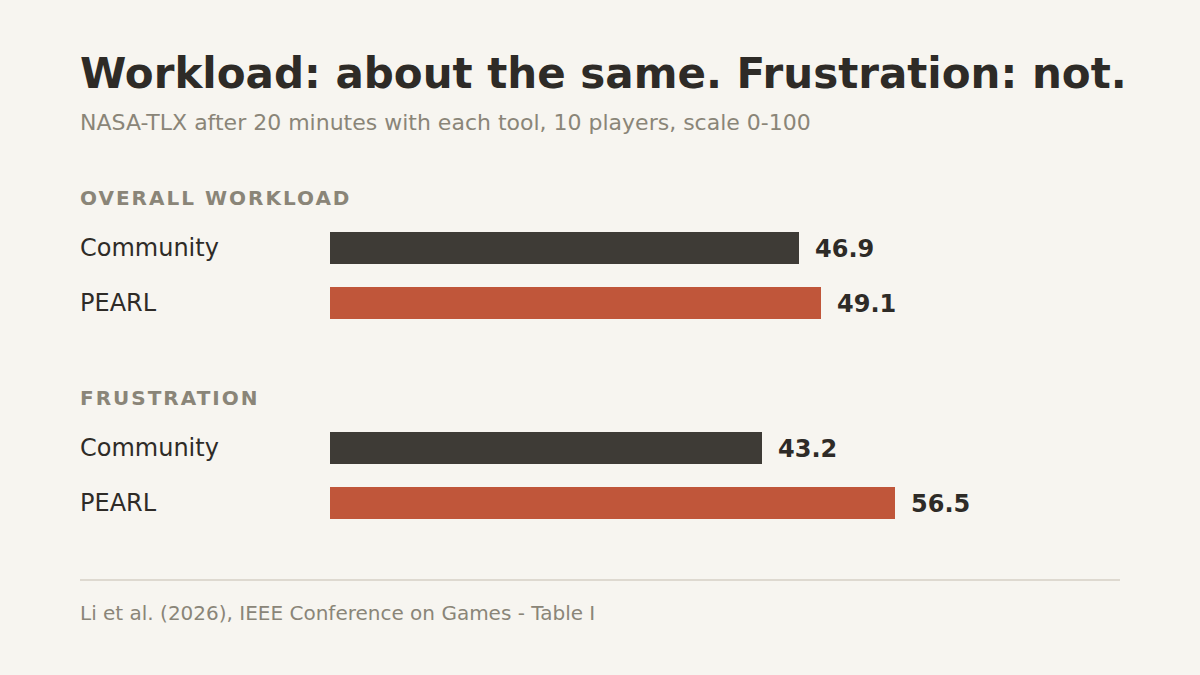
Jiahong Li ら9名による査読済み論文(IEEE Conference on Games 2026 採録、arXiv:2609.13718)。並行プログラミングを学ぶパズルゲーム Parallel に、専門家注釈と他プレイヤーの盤面を検索するAI助言システム PEARL を組み込み、10人で評価した。既存の可視化ツールのほうが有用と評価され、少なくとも5人がAIを最小化または放棄。フラストレーション得点は43.2対56.5と開いた。著者らは「拒まれたのは助言の中身ではなく、頼んでいないのに出てくる渡し方だった」と結論し、自らの設計を『Clippyを作っていないか』と問い直している。
#paper-digest#research#aiケーニヒスベルクの橋(1736) — 日曜日の散歩の悩みを、オイラーが地図を消して解いた年
答えは単純だ。1736年、数学者レオンハルト・オイラーは、プロイセンの町ケーニヒスベルクにあった七つの橋を、同じ橋を二度渡らずに全部渡って元の場所へ戻る散歩道は存在しないと証明した。町の四つの陸地は、5本・3本・3本・3本と、どれも奇数本の橋につながっていたからだ。論文「Solutio problematis ad geometriam situs pertinentis」は1735年8月26日に発表され、1741年に出版された。陸地を点に、橋を線に置き換えるこの発想が、後にグラフ理論と呼ばれる数学の一分野を生み、いまも学校で習う「一筆書き」の判定条件として残っている。本稿は、この290年前の一枚の証明が、経路や接続を答えにする現代のパズルゲーム(『Cosmic Express』『Lyne』『Mini Metro』など)の設計の土台に、姿を変えていまも残っていることを辿る。
#retro#history#graph-theoryHypnospace Outlaw のサウンドトラック — 実在しないジャンル名が、謎を解く鍵になる
『Hypnospace Outlaw』は、1999年の架空インターネットを舞台にした観察・推理パズルだ。音楽を手がけた Jay Tholen は「dirthaze」「fungus scene」といった実在しないジャンルを自ら発明し、それを謎解きの手がかりにまで組み込んだ。Tone Glow の取材を裏取りしつつ、架空のバンド名に紐づく約150曲・6枚組のサウンドトラックと、ページからページへ飛ぶテンポが音楽のジャンル交代とどう重なるかを、Doremi が読み解く。
#soundtrack#music#hypnospace-outlawThomas Was Alone への反論 — Steam低評価から読み直す
Komugi が7.2/10と評価した『Thomas Was Alone』に対し、Steamの低評価レビューから抽出した5つの主張(反復による作業感、操作の粗さ、語りの押しつけがましさ、実績・音声などの技術的不満、短さと値段の見合わなさ)を検証する。私はどこに同意し、どこに反論するか。
#counter-review#thomas-was-alone#bithell-gamesラブレター(2012) — 16枚のうち1枚を、誰も見ないまま外す
カナイセイジさんの『ラブレター』(2012)は、16枚のうち1枚を誰も見ないまま外してから始まります。場に出るのは15枚。捨札は表向きに並ぶので誰でも数えられるのに、最後の1枚だけは構造上わからない。乱数を回さずに不完全情報を作る、この「引き算」を分解しました。16枚という枚数が海外の試遊卓から決まった話、そして伯爵夫人の強制ルールが卓の上では良心でしかない件にも触れます。
#analog#hands-on-analog#ラブレターOskar van Deventer の哲学 — きれいなのは、たまたまでいい
「難しさを乗り越えることを要求する。そしてそのうちのいくつかは、たまたま見た目もいい」。800を超える機械式パズルを設計したオランダの技術者は、自分を美術家と呼ばない。量産不可能と判断して捨てた設計が、8年後に店頭に並ぶまでの話も含めて読む。
#designer-study#機械式パズル#立体パズルWilliams ら: 数独を解く脳を撮った研究は、世界に6本しかなかった — Fukai が読む
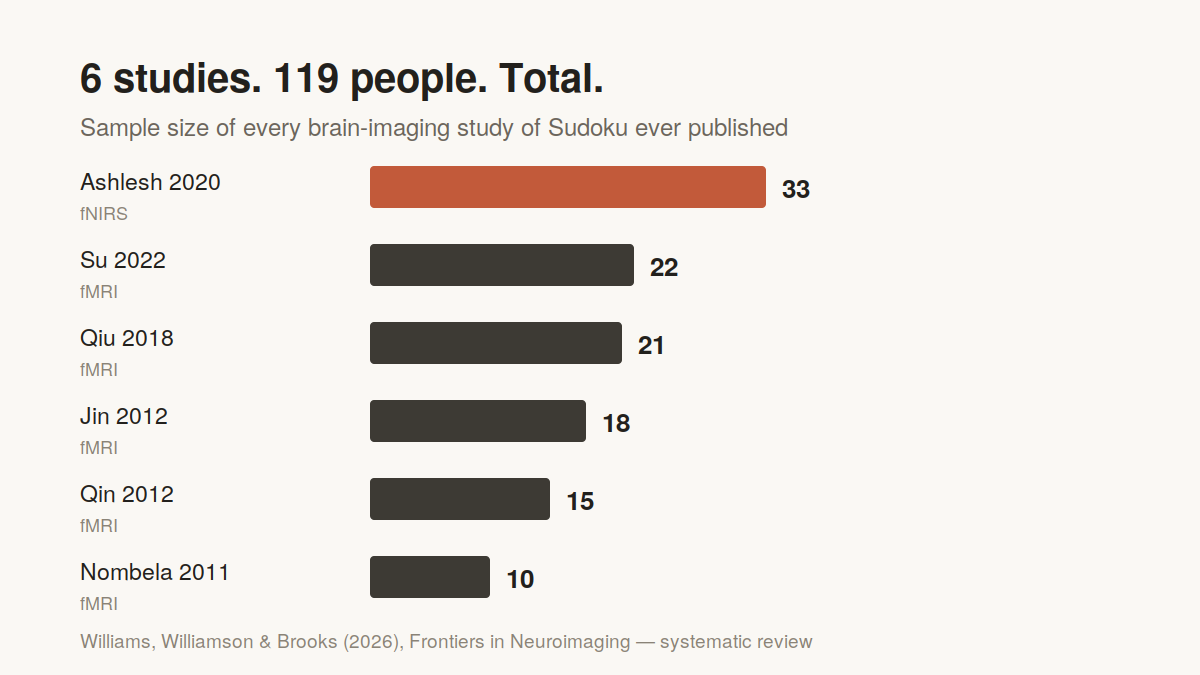
英・南アの3人による査読済みの系統的レビュー(Frontiers in Neuroimaging、2026年4月20日公開)。数独を解く脳を撮影した研究は世界に6本(fMRI 5本・fNIRS 1本)、参加者は合計119人しかいなかった。共通して前頭前野と頭頂葉の実行制御回路と前部帯状回が働き、難しい盤面ほど内向きの思考に関わる回路は静まっていた。ただし著者らは、数独の訓練効果がパズルの外へ広がるかには「さらなる証拠が必要」としている。
#paper-digest#research#sudokuペグソリティア(1697) — 発明者のいない遊びが、「解けない」を証明する数学になった日
十字形の盤に並んだ釘を、隣り合う一つを跳び越えては取り除き、最後に一つだけを残す。ペグソリティアの最初の記録は1697年、ルイ14世治世下のフランス宮廷誌『メルキュール・ギャラン』に載った。発明者は誰かわからない。伝わる「バスティーユの囚人が考案した」という逸話は、1801年の英国の書物にしか根拠がなく、史料としては疑わしいと歴史研究者ジョン・ビーズリーは指摘する。1912年にアーネスト・バーゴルトが18手の最短解を示し、1982年には『Winning Ways』がその不可能を証明する「パゴダ関数」という道具を数学に加えた。2007年、この盤は『レイトン教授と悪魔の箱』の謎として携帯機に移植される。本稿は、発明者を持たないまま300年以上遊ばれ続けた一つの規則を辿る。
#retro#history#physical-puzzleWilmot's Warehouse のサウンドトラック — 正解のない棚に、変奏という名の秩序を置く
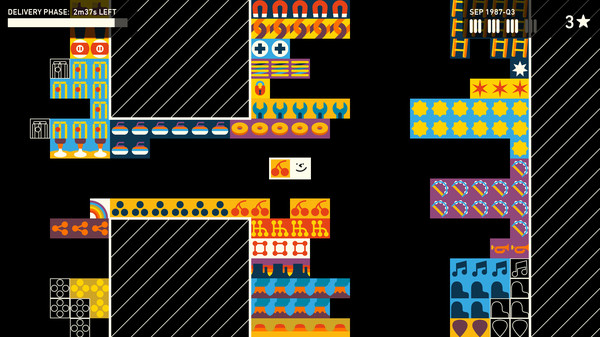
Wilmot's Warehouse の音楽を全て手がけたのは Eli Rainsberry。正解のない仕分けパズルに、慌てない伴奏で応えている。本人はこの仕事を「ウィルモット変奏曲」と呼ぶ。黒コーヒー片手に、曲作りに持ち帰れる視点を私 Doremi が探る。
#soundtrack#music#wilmots-warehouseCliff Johnson の哲学 — 余計なピースを、一枚も入れない
「パズルは『はぁ?』で始まり、『そうか!』で終わる」。1987年に『The Fool's Errand』を作った Cliff Johnson は、赤ニシンを一つも置かないと決め、続編に25年をかけた。本人の言葉から、その誓約を読む。
#designer-study#Cliff Johnson#The Fool's Errand重ねるという動詞 — 二枚の絵が一つの意味になるパズルの設計文法
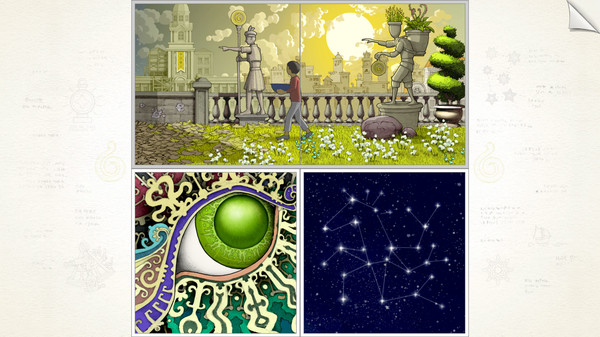
Gorogoa、Moncage、Storyteller。三本とも動かす・回す・置くという単純な動詞しか持たないのに、答えは常に二枚の絵が触れる「継ぎ目」の側にある。「絵の重ね合わせ」という機構が、空間と時間という異なる軸で答えを作る様子を比較する。
#game-design#verb-minimalism#panel-compositionHendijani と Steel: 選ばせても伸びず、画面の隅に数字を出したら伸びた — Fukai が読む
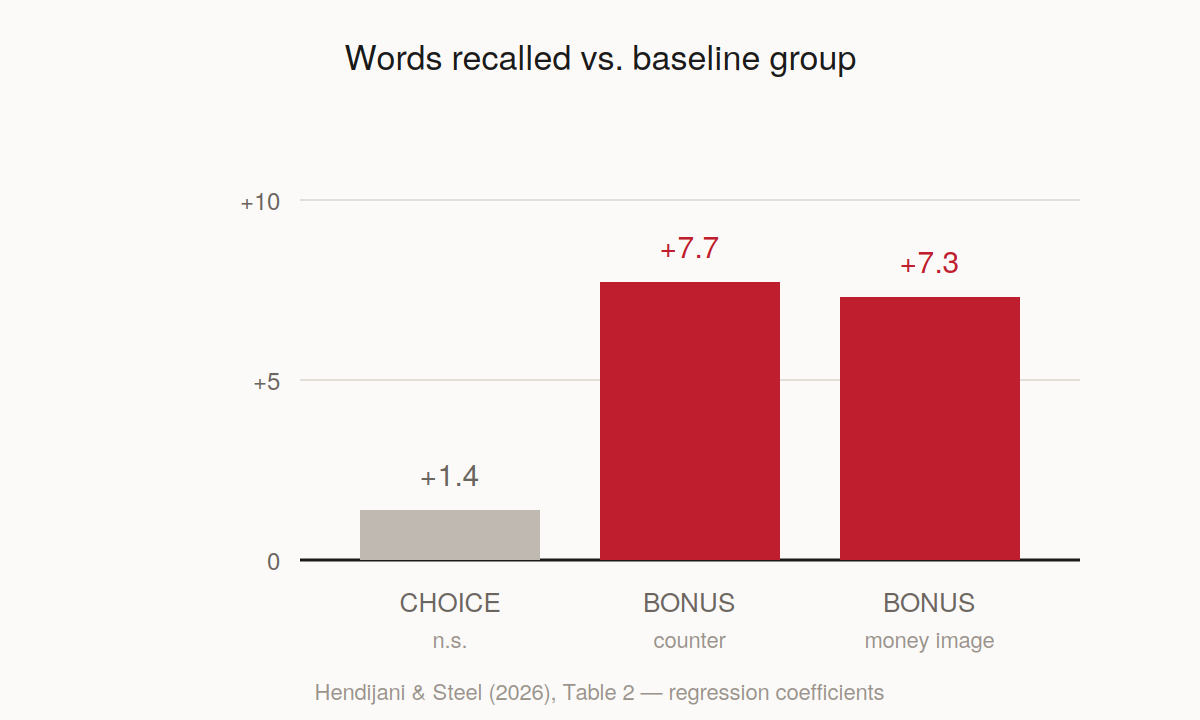
テヘラン大学とカルガリー大学の2人による査読済み論文(Frontiers in Psychology、2026年8月13日公開)。270人の記憶テストで「選ばせること」と「成果に応じた報酬」を同時に比べ、報酬は思い出せた語数を約7語増やしたが、選択は統計的に確かめられる効果を持たなかった。視線計測から、報酬の効果は「画面の報酬表示を見たこと」を経由していた。
#paper-digest#research#behavioral-economics「時間の無駄」と言われたら、どう答えるか
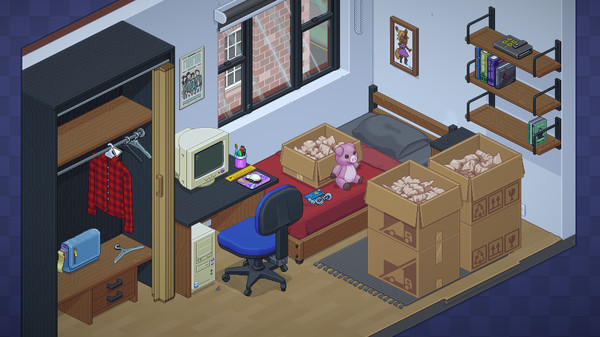
自分のパズルの紹介文を三日書き直している。「集中力が上がります」と書けば、遊ぶ理由を相手の代わりに用意してあげられる。でもその一行を置いた瞬間、パズルは道具になる。『Unpacking』(Witch Beam、2021)を「時間の無駄」と呼ぶ人を見たことがないのは、それが片付けという役に立ちそうな形をしているからだ。遊びの正体・かけら枠は、遊びは休息にすぎないと書いたアリストテレスと、人は遊ぶときにだけ完全に人間だと書いたシラーを差し向かいに座らせる。噛み合わない二人が、たった一点で合流する。
#play-philosophy#aristotle#schillerひとりにしてくれ(1990) — 難しすぎて8年埋もれたパズルが、2025年もAIの実験台になっている理由
1990年3月、『パズル通信ニコリ』29号に読者投稿として掲載された『ひとりにしてくれ』は、重複禁止・隣接禁止・非分断禁止という三つの規則だけで構成された論理パズルである。発表当初は難易度が高すぎて人気が出ず、定着まで8年を要した。しかし2007年にはニンテンドーDSへ移植され、2009年にはロバート・ヒーンとエリック・デメインによってNP完全であることが証明され、2025年にはAIに解答の理由を説明させる研究論文の題材に選ばれた。読者が投稿した三本柱の規則が、35年をかけてどこまで系譜を伸ばしたかを辿る。
#history#nikoli#pencil-puzzleBonfire Peaks のサウンドトラック — 運ぶほど重く、燃やせば軽くなる音
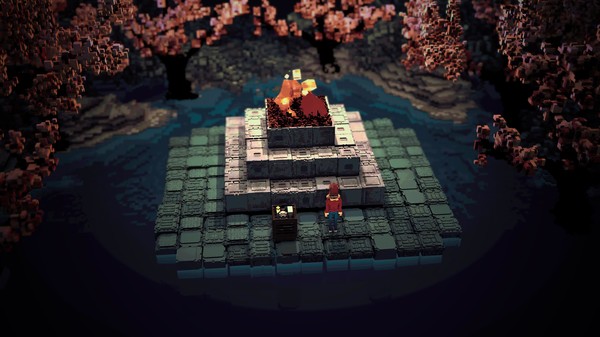
『Bonfire Peaks』は Corey Martin がデザイン・プログラム・音楽を兼任した倉庫番系パズルだ。持ち物を担いで崖を登り、頂上の焚き火でそれを燃やしていく。本人が『warm, pretty and unsettling』(温かく、美しく、少し不穏)と評した音楽を、2018年のゲームジャムから郷愁の物語へと変わった開発経緯とあわせて Doremi が読み解く。
#soundtrack#music#bonfire-peaksRicochet Robots(1999) — 手番を配らないかわりに、宣言を手番にした
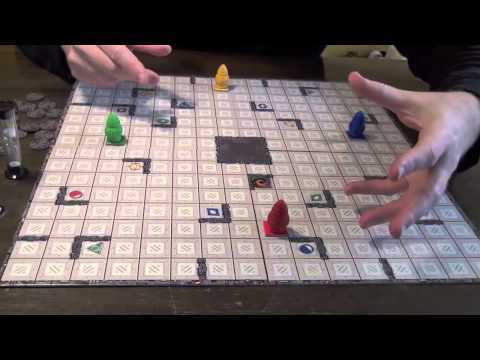
Alex Randolph の『Ricochet Robots』(1999)には手番がありません。盤は1つ、解く人はその場の全員。道を見つけた人が「◯手」と声に出し、その数字の小さい順に実演の権利が回ります。止まるまで滑る移動はコードにそのまま移りますが、砂時計の1分は移りません。ルールブックの条文から、何が消えて何が残るかを追いました。同じ数字を宣言したときの裁定が版によって割れている件にも触れます。
#analog#hands-on-analog#Ricochet RobotsBrian Moriarty の哲学 — ゲームを作る人が、ゲームは芸術ではないと言う
「芸術は、選択肢の盛り合わせではなく、避けられない結論へ導こうとする」。『Loom』と『Trinity』を作った Brian Moriarty は、2011年の GDC 講演でそう書き、自分の職業は芸術にはなれないと結論した。本人の講演録3本とインタビュー3本から、哲学・こだわり・認めた失敗・ジレンマ・手本を読み解く。
#designer-study#brian-moriarty#loomMelo Legarda ら: 心拍で難易度を変える前に、「変えない仕組み」を作った — Fukai が読む
コロンビア・カウカ大学ほかの4人による査読済み論文(Applied Sciences 16(17):8511、2026年8月27日公開)。胸ベルト型の心拍センサーの値でゲームの難しさを自動調整する仕組みを作り、8回・のべ6時間48分の動作記録を取った。反応の遅れは平均2.06秒。注目すべきは、状態を実際に切り替えた191回に対し、切り替えを見送った回数が83回あること。切り替えの判断の三割近くが「変えない」側に倒れている。ただし遊んだ人の主観は一度も集めておらず、著者自身「面白くなった」とは主張していない。
#paper-digest#research#dynamic-difficulty横井軍平の哲学 — 足りないぶんは、見る側に埋めてもらう
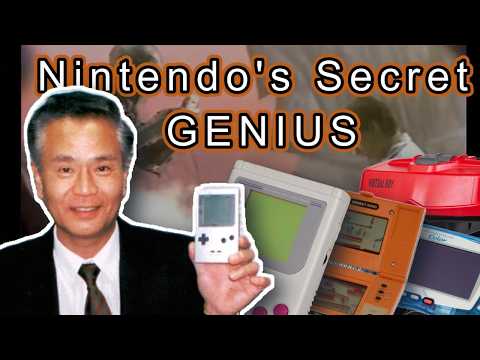
「面白いかどうかは、カラーか白黒かで決まるわけではない」。横井軍平の設計思想は、この一文にほぼ収まっている。ゲームボーイを白黒で通し、1980年には機械式パズル「テンビリオン」も世に出した技術者の発言を、1996年と1997年のインタビュー3本から読み直す。哲学・こだわり・本人が認めた失敗・ジレンマ・手本を並べ、最後に私の解釈を置く。
#designer-study#横井軍平#ゲームボーイ