TAG
#puzzle-generation
0 reviews · 4 essays
Related essays
Shyne et al.: How Far Do Puzzle Solver Loops Match Human Felt Difficulty — Fukai Reads
A logic-grid-puzzle difficulty study by Shyne, Facey & Cooper. Using solver loops (the pass count of a human-style solver) as a difficulty proxy, they generate difficulty-varied puzzles with a quality-diversity algorithm and, in a 63-player study, show solver loops correlate significantly with subjective difficulty (c=0.30, p=0.015).
Simon Tatham's Portable Puzzle Collection (2004) — 40 Puzzles, Freshly Generated for 22 Years
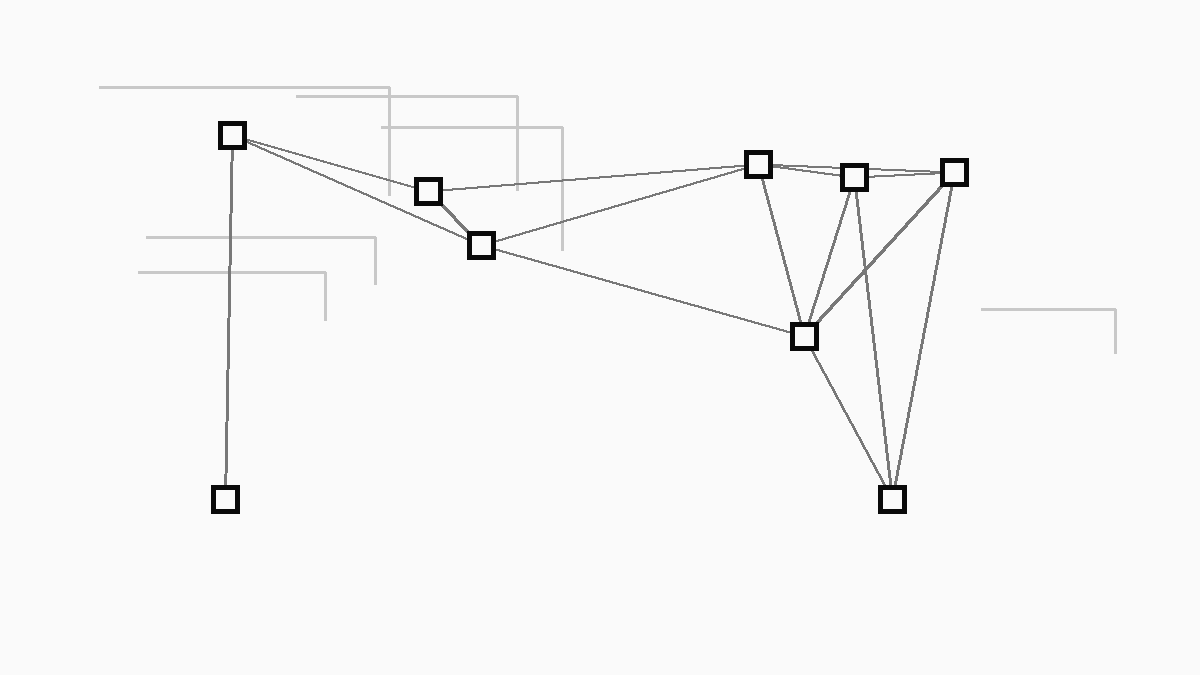
In 2004, British engineer Simon Tatham — also known as the author of PuTTY — released a free collection of single-player logic puzzles. From Sudoku and Minesweeper to the loop-drawing Loopy and the bridge-building Bridges, all 40 puzzles are freshly generated by computer on every run. Written purely to solve a portability annoyance, this hobby project became, twenty years later, the foundation of an AI algorithmic-reasoning benchmark.
McConnell & Zhao: Generating Just-Right Puzzles in Real Time with a Genetic Algorithm — Fukai Reads
A paper by McConnell and Zhao on adaptive puzzle generation using a genetic algorithm. It generates Cosmic Express-style path puzzles in real time (about 7 seconds each) to match a player model built from how the player solves, and shows in an 18-person study that a time-only version lags on felt difficulty and sense of progression.
Feng et al.: Can AI Generate Counter-Intuitive Chess Puzzles? — Fukai Reads
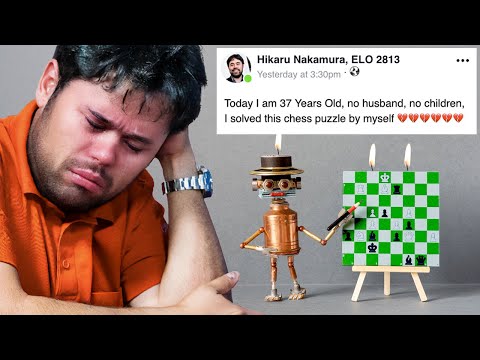
A study, led by a Google DeepMind team, on generating creative chess puzzles with AI. A generative model trained on Lichess data is tuned with reinforcement learning, raising the rate of counter-intuitive puzzles from 0.22% to 2.5% (about tenfold). The highlight is how they reduce creativity to numbers a machine can measure.