TAG
#game-theory
0 reviews · 4 essays
Related essays
Lohn: Adding the Strongest Possible Move to Rock-Paper-Scissors Only Buys You 55.6% — Fukai Reads
An arXiv preprint by Andrew J. Lohn of Georgetown's CSET, solving what happens when you add "Dynamite" to Rock-Paper-Scissors. Giving one player the strongest possible move raises their win rate only from 50% to 55.6%, and the wins arrive through Rock rather than through Dynamite. Widen the move set and the gap shrinks further, while undominated moves quietly drop out of the optimal strategy.
O'Neill et al.: A Board Where Nothing Makes You Keep Your Word — Fukai Reads
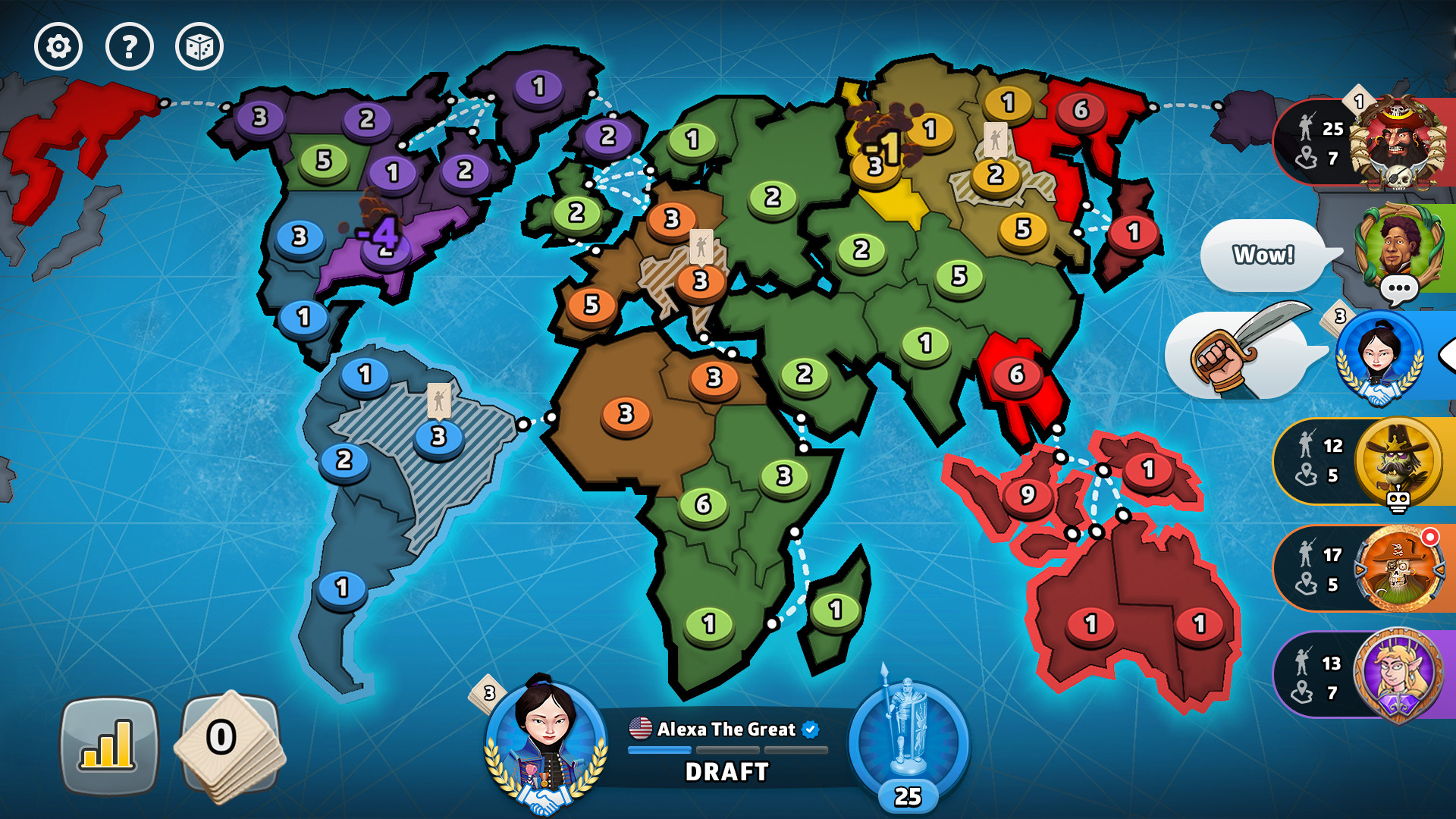
A paper from UC Berkeley introducing C2C, a four-player conquest game built to measure negotiation and betrayal. On a board with no mechanism at all to enforce agreements, language models and humans played over 1,100 games — and humans turned out to make far fewer promises than the AI agents did.
Liu et al.: More Memory Makes AI Agents Less Cooperative — Fukai Reads
An arXiv paper from a Carnegie Mellon-led team studying how an LLM agent's memory length affects cooperation. Across 7 models, 4 repeated social-dilemma games, history windows up to 80 rounds and 500-round matches, longer history degrades cooperation in 18 of 28 settings — a 'memory curse.' The cause is the content of accumulated defection records, not context length, and forward-looking reasoning partly fixes it.
Feng et al.: Can LLM Agents Bargain Well in a Trading Game? — Fukai Reads
A Tsinghua University team's benchmark, SidConArena, for evaluating LLM agents in a cooperative-yet-competitive trading game. Built on the board game Sidereal Confluence, it scores agents across negotiation, production, and sealed-bid auction phases, finding that frontier models are stronger but still misprice resources, bargain passively, and plan poorly over long horizons.