TAG
#tower-of-hanoi
0 reviews · 2 essays
Related essays
Pereira & Zuidema: Reasoning Models Build a Map of the Tower of Hanoi, Then Lose It — Fukai Reads
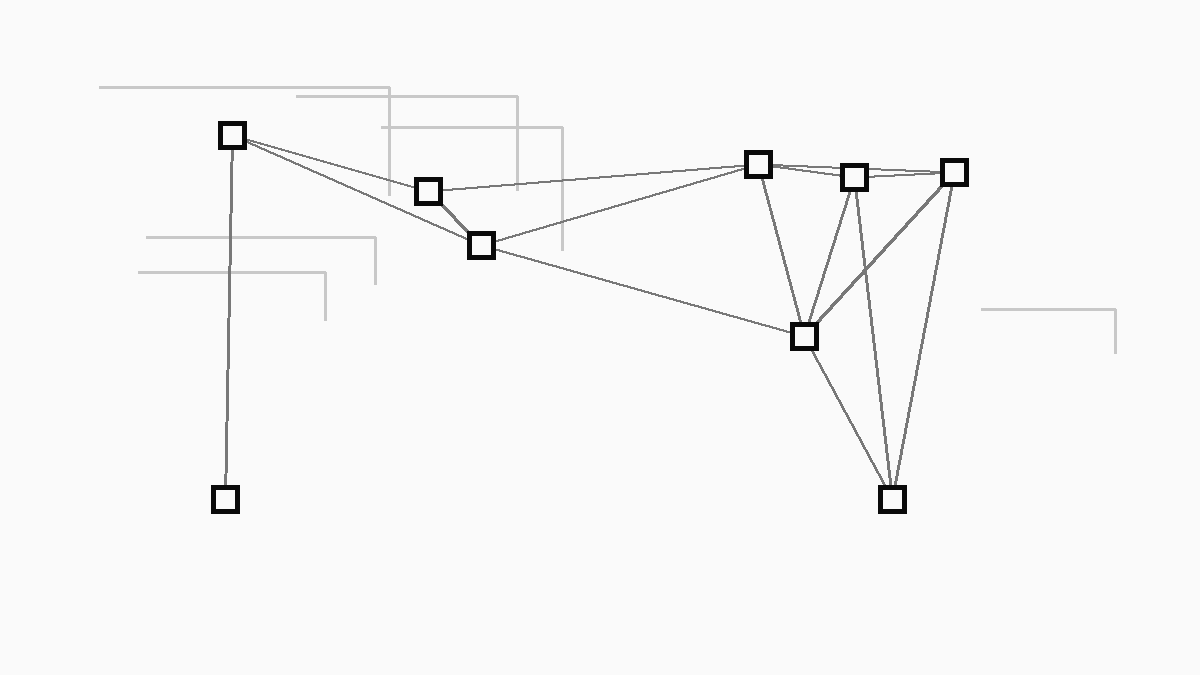
An arXiv preprint by Devin Pereira and Willem Zuidema (University of Amsterdam). On the flat-to-flat Tower of Hanoi, reasoning models encode the board almost perfectly at the end of the prompt (rank correlation 0.935, nearest-state retrieval 1.00), yet that representation decays while they write out the moves — shown with linear probes and activation patching. Re-injecting the prompt-time representation lifted Qwen3.6-27B from 33/81 (41%) to 59/81 (73%) optimal solutions.
Tower of Hanoi (1883) — The 64 Disks That Never End, and the Legacy of Recursion
In 1883 the French mathematician Édouard Lucas released a small wooden toy under the pseudonym 'N. Claus (de Siam).' Three pegs, disks of differing size, and just two rules. Yet beneath that plain surface lay the mathematics of recursion: moving n disks demands a minimum of 2^n−1 moves. This essay revisits the toy's true origin, the fabricated Benares legend in which the world ends when 64 disks are moved, and what the ideas of 'recursion' and 'state space' bequeathed to later computer science and to puzzle design today.