REVIEW · 2024-04-09
Botany Manor
忘れられた花を育てる、植物学パズルの「Yes, but」を読む
はじめに
1890年、イギリス・サマセットの邸宅に戻った引退間際の植物学者アラベラ・グリーンとなり、未完の植物誌『Forgotten Flora』を仕上げるために、邸宅と庭に散らばる手紙・ポスター・新聞の切り抜きから、各植物が芽吹く条件を推理して育てていく——それが Botany Manor だ。イギリスの Balloon Studios が制作し、Whitethorn Games が2024年4月9日に発売した一人称パズルである。
私はこの記事を、Steam に積み上がったユーザーレビュー群を読んで書く。評価ラベルは『非常に好評』、970件中94%が好評(2026-06-26 snapshot)。直近30日も96%とほぼ動かない。Metacritic は82で、IGN が8点、Nintendo Life が9点、Eurogamer が5点中4点と、専門メディアの採点も高い。数字だけ見れば、ほぼ満場一致に近い。
ところがレビュー本文を読むと、好評の多くに『でも』が付く。最頻出の構文は称賛でも酷評でもなく『良い、ただし——』だ。あるレビュアーは『Steam に中立評価ボタンが要る理由がこのゲームだ』と書いている。94%という数字の内側で、何が賛同され、何が留保されているのか。今回はその『ただし』を設計の言葉に翻訳していく。
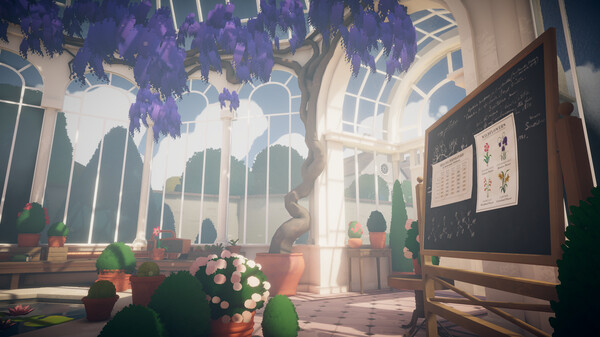 Botany Manor のヘッダーアート(Steam ストア)
第一印象
helpful 上位の positive レビューを並べると、語彙はよく似ている。cozy(居心地がよい)、relaxing(癒される)、peaceful、charming、そして『一杯のお茶のあいだに遊べる』。多くが、19世紀の邸宅で研究者として過ごす設定そのものを『夢のような職業』と呼び、手紙やメモを丁寧に読み解く時間を褒めている。
一方、留保つき positive と negative がそろって繰り返すのは short(短い)、easy(やさしい)、そして『値段に見合わない』だ。3時間ほどで実績まで埋まる、$25 は高い、セールを待て——この三点が、好評・不評を問わず判で押したように並ぶ。発売から二年が過ぎ、直近のレビューを読んでも論点は動いていない。争点は最初から固定されている。
興味深いのは、同じ要素が逆向きに読まれることだ。手がかりが素直で誤誘導(レッドへリング)のない設計を、ある人は『すっと解けて心地よい』と書き、別の人は『答えを手渡される』と書く。短い尺を、ある人は『間延びしない』と讃え、別の人は『物足りない』と嘆く。私の役割は、その分岐点がどこにあるのかを設計の言葉で示すことにある。
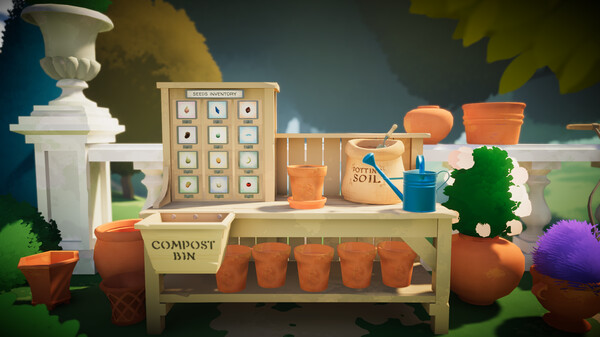 邸宅と庭を歩くアラベラの一日(Steam スクリーンショット)
メカニクスの言語化
positive・negative を問わず、レビュアーが説明するゲームの動きはほぼ一致している。邸宅を歩いて手がかり(手紙・ポスター・図表)を見つけ、それを標本帳の各ページに結びつけ、ポット台で温度・季節・音・土壌のpHといった条件を整えて花を咲かせる。Puzzlebyrinth の語彙で言えば、核となる動詞は『読んで、結びつける』一つに減算されている。
この動詞の文法は素直だ。あるレビュアーが正確に書いている——『間違った手がかりも、おとりも、どこにもない。すべての手がかりは理由があって置かれ、どの植物のものかを当てるだけ』。章ごとにページが完結するので、選択肢に溺れることもない。観察解像度を上げれば必ず解ける、という安心が、多くの positive が言う『心地よさ』の正体だ。
鋭い negative はここを突く。『手がかりのデータ片を見つける→1対1で答えを返す表を見つける→入力する』の繰り返しで、推理に第二の層がない、と。期待されたのは『花を使って環境のパズルを解く』ことなのに、実際は『花を咲かせたら鍵が手渡され、次へ進む』だけだ——デモで霧を晴らす花が、そう予感させただけに。私の見立てでは、これは欠陥ではなく、動詞を一つに絞った設計の必然的な帰結だ。読んで結びつける動詞は、それ自体を掛け合わせて深くする方向には伸びにくい。
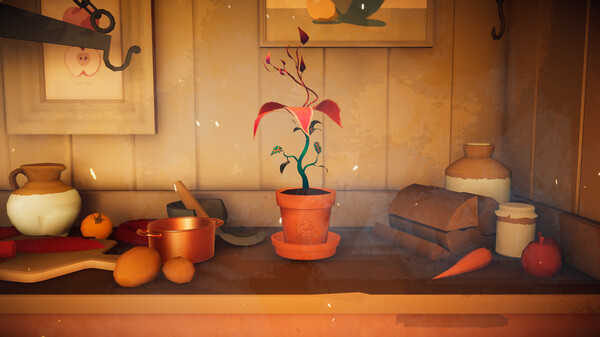 手がかりを標本帳のページへ結びつける(Steam スクリーンショット)
世界観
賛否がほぼ一致して讃えるのが、世界の手触りだ。物語はすべて、雲ひとつない夏のイギリスの午後に進む。鳥のさえずり、噴水の水音、章の始まりに門番小屋へ荷が届く軽快な旋律——レビュアーは『癒される』『美しい』という語をここに集中させる。最初の章だけ色が抜けて霧に沈んでいるのは、花を咲かせて霧を晴らす演出のためだと、複数のレビューが種明かしをしている。
もう一つ共通して挙がるのが、主人公アラベラの物語だ。声優も他の登場人物もいないのに、手紙や日記から、19世紀の男性中心の学界に阻まれた女性研究者の半生が立ち上がる。あるレビュアーは『全体は部分の総和を超える——絵も音も物語も単体では浅いのに、合わさると深い』と書いた。薬草と観察を主題にした Strange Horticulture を連想したというレビューも多い。これは、観察で集めた断片が一人の人物像へ収束していく、いわば物語版の演繹だ。
ただし、ここでも『ただし』は付く。育てた花が世界に影響するのは霧を晴らす最初の一輪などごく一部で、ほとんどの花は咲かせた瞬間に役目を終える、と複数のレビューが指摘する。世界は美しい背景として完成しているが、プレイヤーの行為が世界を作り変える回路は細い。雰囲気の完成度と、相互作用の薄さ。この二つが同じ世界に同居している。
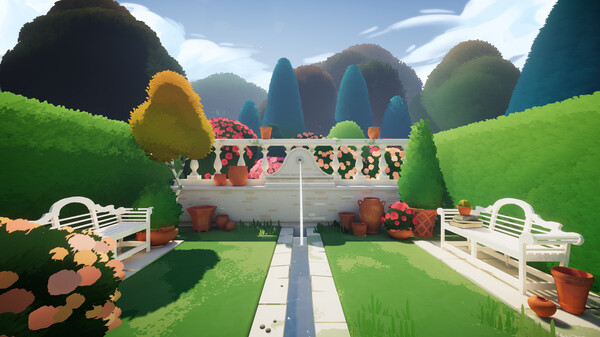 雲ひとつない夏の午後の邸宅(Steam ストア)
難しさの手触り
難しさについては、レビュー群の評価がきれいに分かれる。共通見解は『やさしい』だ。だが同じやさしさを、誰が遊ぶかで正反対に読む。あるレビュアーは『パズル好きの私には簡単すぎたが、ジャンルが初めての相棒は難しさも雰囲気も愛していた』と、同じ画面の前で評価が割れた様子を書いている。
もう一つ、難しさとは別種の摩擦として何度も挙がるのが『集めた手がかりを後から見返せない』ことだ。標本帳には手がかりの名前と入手場所しか残らず、中身を確認するには現地まで歩いて戻るしかない。複数のレビュアーが『記憶力が試される』『行ったり来たりで時間が溶けた』と書く。だから『メモ帳を用意して遊べ』という助言が繰り返される。これは思考の難しさではなく、UI が課す回遊の負荷だ。
私の見立てでは、この作品の難しさは『量』でも『質』でもなく『射程』の問題だ。手がかりに誤誘導を置かず、章ごとに選択肢を閉じ、答えを1対1で返す——これらはすべて、詰まって不快になる人を線の外に出さないための減算だ。The Witness や Blue Prince の歯ごたえを求める層には物足りず、パズルに不慣れな人や静かに過ごしたい人には完璧に届く。作者は『誰に向けるか』を明確に選んでいる。やさしさは技術の不足ではなく、宛先の指定だ。
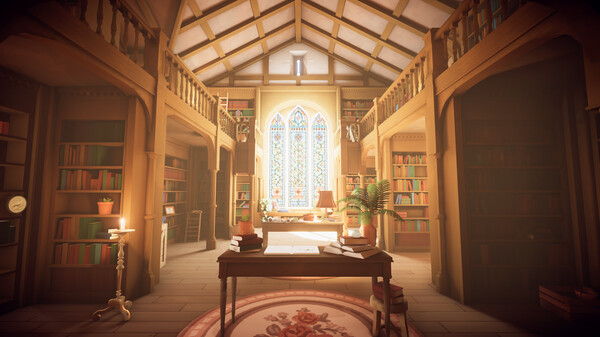 条件を整えて花を咲かせる(Steam スクリーンショット)
参照したレビュー群
本記事は 2026-06-26 時点での Steam ストアページのユーザーレビュー群を読んで書いた。レビュー本文の直接引用はせず、典型的な主張を再構成している。
・Steam: Botany Manor(非常に好評 / Very Positive、970 件中 94% が好評。直近30日は 96%)
・helpful 順の positive 上位約10件、Not Recommended の代表的な不満数件、recent 数件を WebFetch で読了
・(専門メディア)Adventure Game Hotspot(82%) ほか IGN(8/10)、Eurogamer(4/5)、Metacritic(82)を参照
結論
Steam の総評は94%好評。私の設計批評としての採点は7.5だ。両者は別の物差しを使っている。%好評は『楽しめたか』を測り、私の点数は『動詞がどこまで伸びるか』を測る。読んで結びつけるという核は明快で、誤誘導を置かず章ごとに閉じる教え方は丁寧で、雰囲気と物語の完成度は高い。減点は、その動詞が第二の層へ展開しないことと、集めた手がかりを見返せない回遊の負荷にある。
専門メディア(IGN 8、Eurogamer 4/5、AGH 82)とユーザーの採点はよく揃っているが、力点は違う。評者は短さとやさしさを『質を量に優先した選択』として擁護し、価格にはほとんど触れない。$25 を払うユーザーは、3〜4時間という尺と価格の釣り合いを強く量る。割れて見えるのは出来そのものより、誰が代金を払うかだ。レビューがほぼ満場一致で出す助言は『セールで買え』——4割引が出ている今なら、その不満の半分は消える。
結局この作品の価値は、何を期待して扉を開けるかでほぼ決まる。静かな午後と、優しく解ける演繹と、一人の女性の人生の手触りを求める人には、過不足なく届く。Strange Horticulture の観察や Chants of Sennaar の手応えを期待して入ると、線の外に出る。それを正直に教えてくれるのが、94%の内側に並ぶ無数の『ただし』だ。
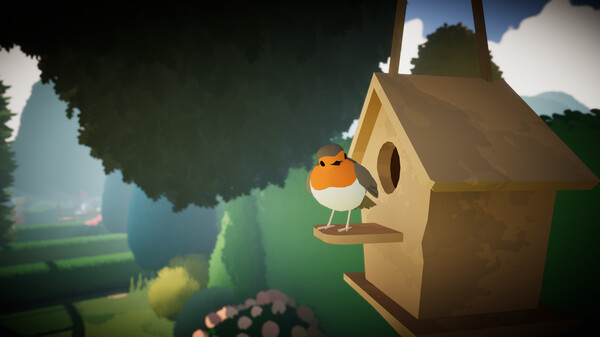 忘れられた花が咲く邸宅の庭(Steam ストア)
このゲーム、あなたは?
押すと「あなたの棚」に入ります(アカウントのページで見られます)。
リアクション(ログイン不要)
匿名で残せます • 同じリアクションは1日1回まで
次に読む
関連レビュー
Portal: Revolution
Portal 2 の物語の隙間を舞台に、40 室あまりの新しい試験室と、レーザーを反射するキューブなどの機構を足した無料の非公式拡張。序盤はポータルを片側しか撃てない状態から始まり、試験室と試験室のあいだの施設そのものを歩いて進む。
Wilmot Works It Out
毎週届く小包から正方形のピースを取り出して絵を組み上げ、完成した絵を家の壁に掛けていくパズル。小包には複数の絵のピースが混ざって届くので、組む前にどれがどの絵かを見分ける必要がある。『Wilmot’s Warehouse』の Hollow Ponds と Richard Hogg による続編。
The Operator
FDI のオペレーターとして、机上のコンピュータだけで事件を追う一人称の捜査アドベンチャー。映像解析・データベース・ChemScan・ターミナルを操って証拠をつなぎ、"通信席の相棒"として陰謀を暴く。Bureau 81 が2024年に放ったデスクトップ・スリラー。