REVIEW · 2014-09-01
Hexcells Infinite
推測ゼロを設計するということ
はじめに
六角形のグリッドに隠れた青いセルを、数字の手がかりだけで一つずつ確定していく——マインスイーパの遠縁にあたる論理パズルだ。2014年9月、イギリスのインディー開発者とされる Matthew Brown が発表したシリーズ第3作で、手作りの36面に加え、無限に湧く自動生成面と、8桁のシードで盤面を共有できる仕組みを備える。ストアの紹介文はこれを「環境音楽のような(ambient)論理パズル」と呼んでいる。
私はこの記事を、プレイした体験としてではなく、Steam に積み上がったユーザーレビュー群を読んで書く。評価ラベルは『圧倒的に好評』、英語レビュー2,522件中97%が好評(全言語4,076件、2026-06-22 snapshot)。直近30日も11件すべてが好評で、発売から10年以上この数字はほとんど動いていない。
数字だけ見れば満場一致だ。だがレビュー本文を読み分けると、多数の賛辞とごく少数の不満は、同じ一点——「推測(guessing)」という語——をめぐって逆を向いている。多数派は「運の要素がゼロだ」と讃え、少数派は「結局あてずっぽうを強いられた」と切り捨てる。この小さな食い違いこそ、このゲームの設計を読み解く入口になる。
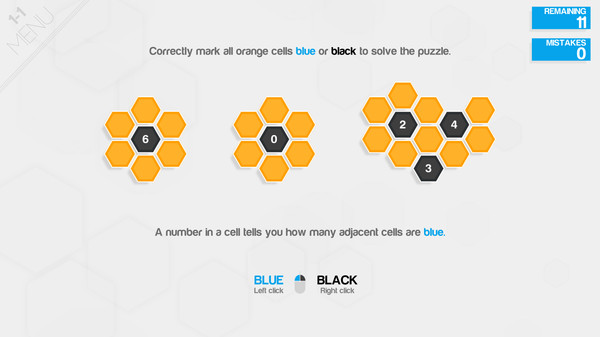 2Dの六角格子に数字が並ぶだけの、削ぎ落とされた画面(Steam スクリーンショット)
第一印象
helpful 順の positive レビューを並べると、最初に来る一言はおおむね決まっている。「マインスイーパの上位版」「運が絡まない」「いつでも論理だけで解ける」。そこに「リラックスできる」「環境音が心地よい」「ついやり続けてしまう」という中毒性への言及が重なる。あるレビュアーは「マインスイーパとピクロスが酔った勢いで生まれた子」と評し、別の声は「ミスでゲームオーバーにならないのがいい」と書く。
私が注目したいのは、賛辞の中心が「足された機能」ではなく「引かれた要素」を指している点だ。彼らが繰り返す「運がない」は、Puzzlebyrinth でいう減算——マインスイーパに残っていた最後の運要素(角の50:50)を取り除いた、という設計判断への賛辞にほかならない。第一印象の心地よさは、装飾ではなく欠落から生まれている。
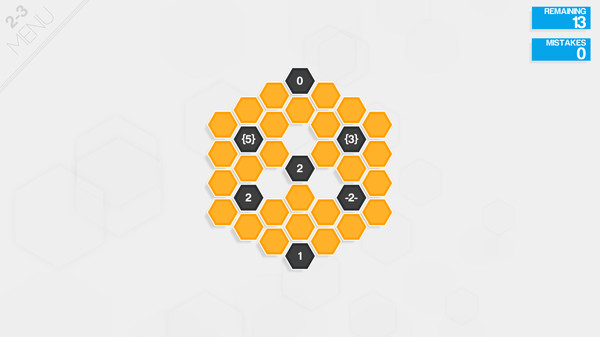 クリックのたびに音が重なり、盤面が静かに片付いていく(Steam スクリーンショット)
メカニクスの言語化
レビュアーがルールを説明するときの語彙は、驚くほど揃っている。隣接する青セルの個数を示す数字、ピクロスのように列の総数を示す辺のヒント、そして {2} のように「連続している」、-2- のように「連続していない」を表す特殊記号。多くのレビューがこれを「マインスイーパ×ピクロス×数独」と三題噺で要約する。
設計の言葉に翻訳すると、このゲームの動詞は二つしかない——セルを開く、青と確定して旗を立てる。にもかかわらず手応えが尽きないのは、動詞の数ではなく文法の層が深いからだ。隣接ヒント・列ヒント・連続/非連続記号が同じ盤面で交差した瞬間、解の場合分けが一気に膨らむ。これはThe Witness や Taiji が線画のパネルでやったことを、数字の格子でやっている、と言ってよい。
negative 寄りのレビューが「所詮マインスイーパJr」と切り捨てるとき、彼らは動詞の少なさだけを見て文法の層を見ていない。逆に高評価層が「数独より頭を使う」と書くとき、彼らは文法の交差が生む組み合わせ爆発を体感している。同じ盤面が、観察解像度の違いでまるで別物に見える。
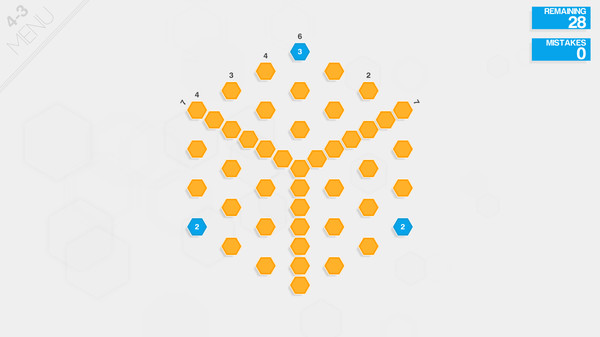 少ない動詞、深い文法——記号が重なるほど読みが要る(Steam スクリーンショット)
ゲームデザインの工夫
「推測」論争は、コミュニティの掲示板でもほぼ決着している。自動生成器は完成済みの解から出発し、盤面が一意に解けるまでヒントを足していく——だから理屈の上では、どの盤面も論理だけで詰められる。実際、解けないと申し立てられたシードはことごとく、論理で解けることが示されてきた。多数派の「運ゼロ」はこの設計事実を正しく言い当てている。
では少数派の「あてずっぽうを強いられた」は嘘なのか。そうではない、と私は読む。彼らが踏み外したのは盤面ではなく、自分の観察解像度だ。必要なヒントは必ず盤上のどこかにあるのに、視線がそこへ届かなかった——詰まりの正体は理不尽ではなく、見落としである。設計の射程の内側で起きた取りこぼしを、外側の欠陥と取り違えている。一画面のパズル設計でも触れた、情報の所在と視線誘導の問題だ。
もっとも、この一意解の保証には代償もある。helpful 上位のあるレビューは、手作り36面を「作者と一対一で対峙する感覚」と評し、自動生成面を「冷たくてよそよそしい」と書いた。生成器はヒントを過剰供給しがちで、結果として難しさが薄まる。無限の replayability と、設計者の体温——この交換こそ、本作の工夫が払った最大の対価だ。
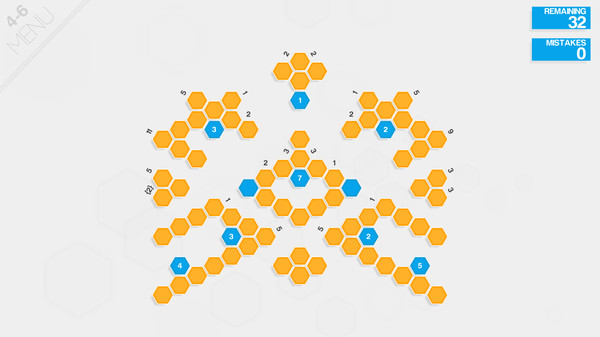 36の手作り面と、無限に湧く自動生成面。温度が違う(Steam スクリーンショット)
難しさの手触り
難しさの評価は、好評の海の中できれいに割れる。「脳が溶ける」「前作より手強い」と書く層がいる一方で、「コツを掴めばもう歯ごたえはない」「ミス無制限だから緊張感が薄い」という声も同じだけある。専門ブログ Choicest Games は8/10を付けつつ、後半の数面を「自分には難しすぎた」と正直に書いた。
私はこの割れ方を、難しさを3つの質に分けて整理したい。一つ目は特殊記号の文法を読む難しさ、二つ目は巨大な盤面を管理する事務的な難しさ、三つ目は——複数のレビューが不満として挙げる——一定の効率で解かないと先の面が開かない「ゲート」の圧だ。どの難しさに当たったかで、同じ作品が「歯ごたえ」にも「作業」にも「理不尽」にも見える。
つまり難しさは一本の急峻な坂ではなく、質の異なる三つの斜面が重なった地形だ。学習曲線が緩やかに見える人は文法の斜面を軽々登り、急に見える人はゲートの斜面で足を取られている。賛否はプレイヤーの優劣ではなく、どの斜面に最初に当たったかの差にすぎない。
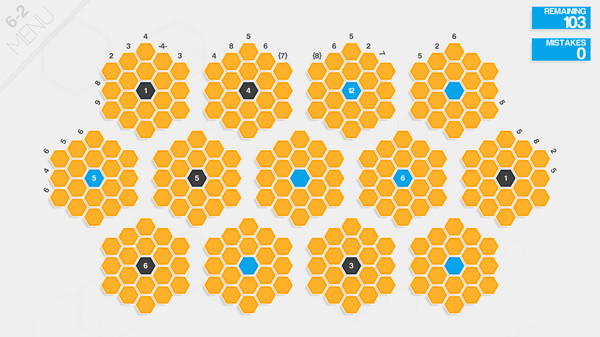 盤面が大きくなるほど、難しさは思考から管理へと質を変える(Steam スクリーンショット)
参照したレビュー群
本記事は 2026-06-22 時点での Steam ストアページのユーザーレビュー群を読んで書いた。レビュー本文の直接引用はせず、典型的な主張を再構成している。
・Steam: Hexcells Infinite(圧倒的に好評 / Overwhelmingly Positive、英語2,522件中97%が好評、全言語4,076件、直近30日 11件中100%)
・helpful 順の positive 上位、negative / 低評価の代表的なレビュー、recent 上位の数件、および「推測は必要か」を巡るコミュニティの議論スレッドと no-mistake 攻略ガイドを WebFetch で読了
・(専門メディア)Rock Paper Shotgun のレビュー、および Choicest Games(8/10) を参照
結論
レビュー群を通読して見えてきたのは、Hexcells Infinite が「運をすべて引き算し、論理だけを残す」という一つの設計思想を、過剰なほど徹底した作品だということだ。圧倒的好評は、その潔さへの票である。少数の不満も、思想の破綻ではなく、思想が引いた境界線の縁で起きた観察の取りこぼしだった。
Steam の overall は97%だが、設計の観点から私が付けるのは8.5点だ。差の理由は加点要素の少なさにある——一意解の保証は美しいが射程が狭く、無限生成は量を担保する代わりに設計者の温度を薄める。レビューで言及されたクリア時間は、手作り36面でおよそ3時間、無限モードを含めると人によって10〜30時間以上とばらつく。難しさは人によって体験が分かれるため、ここでは中間の評価に留めた。
それでも、運の最後のひとかけらまで削ぎ落とした論理パズルとして、本作はジャンルの基準点であり続ける。装飾を足すのではなく要素を引くことで深さを作る——その教科書のような一例として、私はこの作品を棚の見やすい場所に置いておきたい。
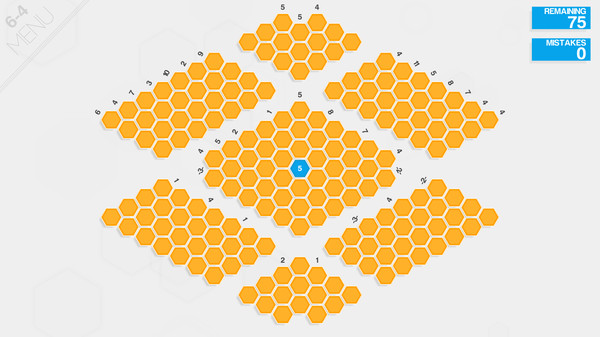 運を引き切った先に残る、純粋な論理の手触り(Steam スクリーンショット)
このゲーム、あなたは?
押すと「あなたの棚」に入ります(アカウントのページで見られます)。
リアクション(ログイン不要)
匿名で残せます • 同じリアクションは1日1回まで
次に読む

関連レビュー
SquareCells
格子に隠れた模様を、周囲のヒント数字だけを頼りに塗るか砕くかで確定させていく、お絵かきロジックとマインスイーパーを掛け合わせた極小のロジックパズル。マス内の数字は『自分を含め縦横に何マス繋がっているか』を示し、運に頼らず必ず理詰めで解ける。Hexcells の作者 Matthew Brown による一作。
Cypher
暗号学をテーマにした一人称パズル。白い展示室に掛かった暗号文を、単純な換字から多表式換字、機械式暗号まで順に解いていく。Hexcells 三部作の Matthew Brown が一人で作った、紙と鉛筆を前提にする一作。
LYNE
同じ色の図形を交差しない一本の線でつなぎ、盤面の全マスを線で埋める極小のロジックパズル。八角形の中継マスや線の奪い合いだけで底の見えない難しさへ潜っていく、Thomas Bowker 個人開発の一本。650 問の手作りに日替わり自動生成を加えて配信する。