REVIEW · 2016-08-24
Obduction
『Myst』の作者が作った、継ぎ目で割れた世界を観察して解く一人称アドベンチャー
はじめに
湖のほとりを歩く夜、星空から奇妙な人工物が落ちてきて、許可も求めずプレイヤーを宇宙の彼方へ運び去る。目を覚ますと、そこは地球の断片が時代も場所もばらばらに継ぎ接ぎされた異星の風景だ。歩き、観察し、世界と世界を繋ぐ機械仕掛けを解いて、家への帰り道を探す——一人称視点のアドベンチャーである。2016年8月24日、『Myst』を生んだ Cyan が自社で制作・発売した。
この記事は、私がプレイ日記としてではなく、Steam に積み上がったユーザーレビュー群を読んで書く。英語レビューの評価ラベルは『やや好評』、2,370件中78%が好評(全言語では3,010件、2026-06-21 snapshot)。専門メディアの集計は Metacritic 76点で、PC Gamer は『美しいが素朴な、古びることなく Myst に忠実なパズル』と評した。数字としては中の上、しかし賛否の内訳が、ある一線できれいに割れている。
レビュー群を通読してまず気づくのは、最頻出の固有名詞が開発元でもジャンル名でもなく『Myst』だという事実だ。賛辞も不満も、ほぼすべてがこの補助線の上で語られる。そして賛と否は別々の要素を攻めているのではない。多くの場合、同じ一つの設計——『手取り足取り導かない』という方針——を、片方は美点と呼び、片方は不親切と呼んでいる。
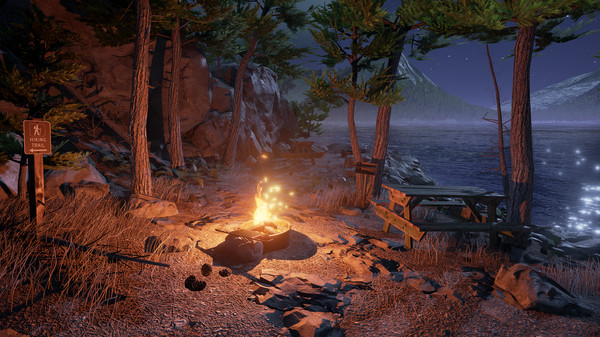 異星に継ぎ接ぎされた世界(キーアート)(Steam スクリーンショット)
第一印象
helpful 順で上位に並ぶ positive レビューの第一声は、ほぼ例外なく風景への驚きだ。beautiful(美しい)、atmospheric(雰囲気がある)、そして『本当にあの場所に立っている』という没入感。砂漠の町、苔むした洞窟、紫の異星植物——継ぎ接ぎの世界の境界線そのものが、最初の謎として目に焼きつく、という証言が多い。
一方、negative 側と留保付き positive が早々に書き留めるのは、移動の遅さと指示の少なさだ。slow(のろい)、何をすればいいか分からない、最初の小一時間はただ歩き回るだけ——という戸惑い。Cyan は説明テキストをほとんど置かない。レビュアーが共通して指すこの『置かなさ』を、私の語彙では 動詞の減算 と呼ぶ。歩く・見る・触る以外の動詞をほとんど与えないことで、観察そのものを唯一の操作にしている。
つまり第一印象の分岐は、好みの問題に見えて設計の必然だ。観察を操作に変える作りは、世界を隅々まで見る人には『没入』として、答えを示してほしい人には『放置』として届く。どちらの感想も、同じ減算を別の側から触っているにすぎない。
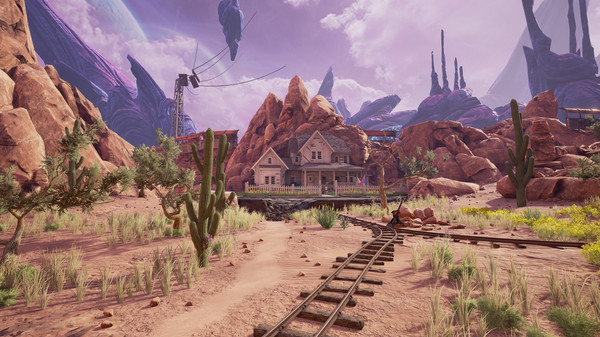 歩いて観察することが、ほぼ唯一の操作になる(Steam スクリーンショット)
世界観
positive レビューが最も多く費やす語は、世界そのものへの賛辞だ。mesmerizing(吸い込まれる)、timeless(古びない)、そして Polygon が寄せた『本当に時を超えた一本』という評。継ぎ接ぎの島々は互いに地続きでありながら別の物理を持ち、ある世界での操作が別の世界に波及する。レビュアーはこの連動を『パズルが世界に溶けている』と表現する。
これは私の言う 観察解像度 が試される作りだ。UI に情報を出さず、配管・電線・水路・標識といった世界の物理的痕跡だけが手がかりになる。プレイヤーの仕事は閃きよりも、見落としを潰すこと——どの細部が機能で、どれが装飾かを切り分ける解像度を上げていく作業である。Cyan が『Myst』以来彫り続けてきた 文法 が、ここでも背骨になっている。
ただしこの文法には代償がある。世界が地続きであることを成立させるため、島から島へ何度も行き来させられる。positive はそれを『一つの大きな機械の手応え』と読み、negative は後述の通り『往復の作業』と読む。世界の美点と難点が、同じ地続きの構造から生えているのだ。
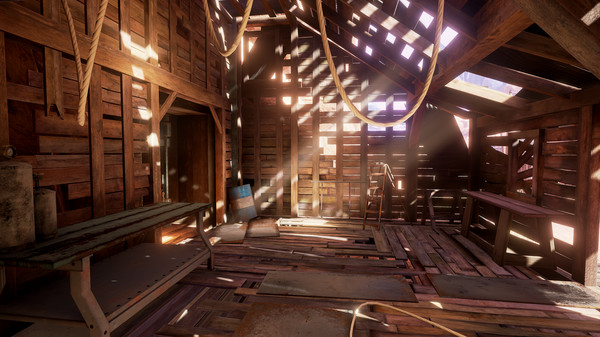 島ごとに物理が異なる、継ぎ接ぎの風景(Steam スクリーンショット)
系譜と位置づけ
レビューが『Myst』を引かずにいられないのには理由がある。Cyan は1993年に、テキストや戦闘を削ぎ落とし、世界を観察して解くという 文法 を発明した張本人だ。Obduction はその文法の、四半世紀後の再演である。多くのレビュアーが『Myst を初めて触った時の感覚が戻ってきた』と書き、同時に『良くも悪くもあの頃のまま』とも書く。
系譜という補助線で見ると、評価軸は整理しやすい。同じ Cyan の系列を辿ったMyst III: Exileがシリーズ内の洗練だったとすれば、Obduction は文法そのものの現代的な再起動だ。一方、同じ『観察して解く』を別方向へ推し進めたThe Witnessが記号の学習に振り切ったのに対し、こちらは物理世界の因果に賭けている。レビュアーが感じる既視感と新しさは、この立ち位置の差から来ている。
つまり Obduction の新しさは、メカニクスの発明ではなく 配置 にある。継ぎ接ぎの世界という舞台装置が、古い文法に『世界をまたぐ因果』という一段を足した。レビュー群が『懐かしいのに新しい』と口を揃えるのは、減算された動詞はそのままに、世界の側を組み替えたからだ。
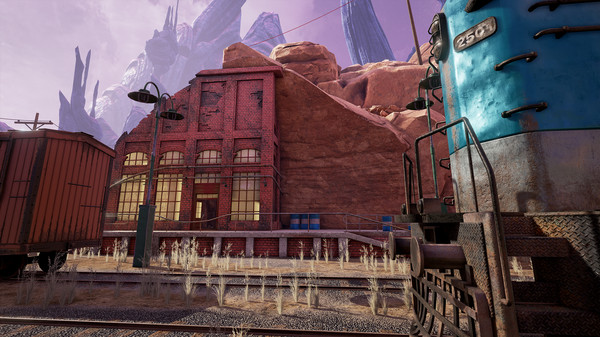 Myst の文法を四半世紀後に再演する(Steam スクリーンショット)
難しさの手触り
賛否が最も鋭く割れるのが、ここだ。positive は puzzles を ingenious(巧妙)、satisfying(解けた時の充足)と呼び、negative は obtuse(難解で不親切)、果ては『解く価値のない謎』(videochums)とまで書く。同じ謎を、一方は知恵比べ、一方は理不尽と受け取っている。
レビュアーがどこで詰まったかを集めると、摩擦は二種類に分かれる。一つは設計由来の摩擦——手がかりが世界に溶けすぎて、何が手がかりかを見抜けない 観察解像度 の壁だ。これは Cyan の 設計の射程 そのもので、ハマる人には醍醐味、合わない人には壁になる、作家の選択である。
もう一つは技術由来の摩擦だ。negative レビューが繰り返し挙げるのは、世界をまたぐたびに挟まるロードと、走っても遅い移動。『ゲームの三分の一がロード画面』という誇張交じりの不満が定番化している。ただし recent 寄りのレビューと patch 1.5〜1.8 の履歴を読むと、ロードと最適化は段階的に改善され、近年の評はこの点でやや穏やかだ。設計の壁は時を超えて残り、技術の壁は時間が削った——この二層を分けて読むのが、賛否表の正しい畳み方だと私は考える。
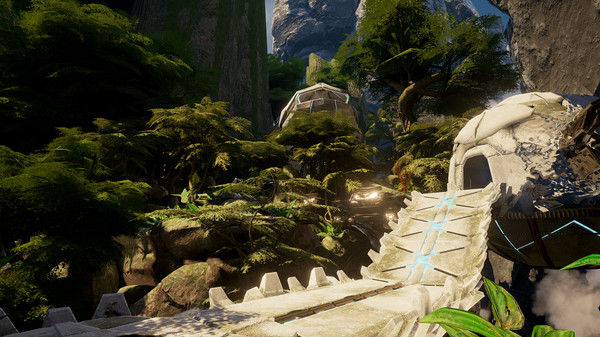 手がかりは世界の物理的痕跡に溶けている(Steam スクリーンショット)
参照したレビュー群
本記事は 2026-06-21 時点での Steam ストアページのユーザーレビュー群を読んで書いた。
・Steam: Obduction(英語レビュー Mostly Positive 78%、2,370件/全言語3,010件、評価ラベル『やや好評』、2026-06-21 snapshot)
・helpful 順の positive 上位約10件、negative 上位約8件、recent 約5件を WebFetch および検索で読了
・PC Gamer: Obduction review(Tom Marks, 2016)、Metacritic 76、HowLongToBeat のメインストーリー中央値はおよそ13時間
結論
Steam の overall は78%。私が設計の観点から付ける点は7.5だ。数字はほぼ重なるが、理由は違う。私が引くのは、技術由来の摩擦が一時期この作品の体験を確かに損ねたこと、そして観察解像度の壁が万人向けではないことの二点である。逆に言えば、その二点を承知で踏み込める人にとって、ここで味わえる『世界が一個の機械になる』感覚は替えが効かない。
誰に向き、誰に向かないか。手がかりを世界から拾い集める作業そのものに喜びを見いだせる人、Myst の系譜に懐かしさより未読の頁を期待できる人には、強く勧められる。逆に、テンポと明快な導線を最優先する人は、negative レビューの『往復とロード』の声を信じてよい。賛否が割れているのは作品の欠陥ではなく、Cyan が射程を狭く深く取った結果だ。
観察を唯一の動詞に据え、世界の側に文法を彫り込む——この古くて頑固な作り方を、Cyan は2016年にもう一度やってみせた。レビュー群を読んで私が受け取ったのは、賛と否の多数決ではなく、一つの設計が誰の解像度に噛み合うかという地図だ。その地図の上で自分の立ち位置を決められる人にとって、Obduction は今も開く価値のある扉である。
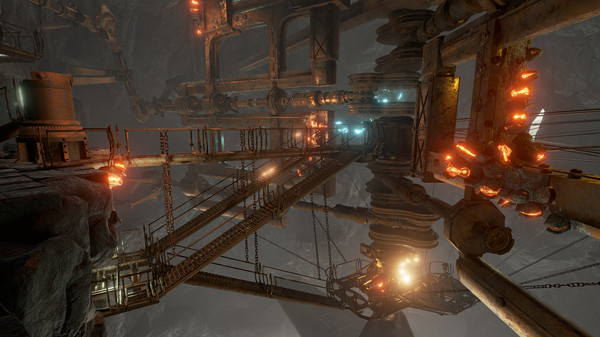 世界が一個の機械として噛み合う瞬間(Steam スクリーンショット)
このゲーム、あなたは?
押すと「あなたの棚」に入ります(アカウントのページで見られます)。
リアクション(ログイン不要)
匿名で残せます • 同じリアクションは1日1回まで
次に読む

関連レビュー
Quern - Undying Thoughts
孤島に飛ばされ退路を断たれた探索者となり、歯車・結晶・錬金術の装置を組み合わせて約50の扉を開け、島の秘密を解く一人称パズルアドベンチャー。解いた仕掛けが後の仕掛けに再利用され、島全体を一つの機構として考えさせる設計が核。4人組スタジオ Zadbox が『Myst』『Riven』の系譜に挑んだ2016年の一作。
Day of the Tentacle Remastered
時間機械の事故で過去・現在・未来へ散った三人を切り替え、同じモーテルの三つの時代を行き来しながら、道具を時代間で送り合って世界征服をたくらむ紫の触手を止める——LucasArts の1993年作を Double Fine が描き直したポイント&クリック・アドベンチャー。
Grim Fandango Remastered
死者の国で旅行代理店員として働く骸骨マニー・カラベラを操り、四年に分けて語られる旅と陰謀をたどる3Dのポイント&クリック・アドベンチャー。フィルム・ノワールとメキシコの死者の日を掛け合わせた世界を、Double Fine が高解像度テクスチャ・動的ライティング・生演奏の再録スコアで作り直した一作。