REVIEW · 2023-03-23
Storyteller
「短さ」をめぐって割れた評価を読む
はじめに
タイトルと数枚の空きコマが与えられる。『王が死に、王妃が嘆く』のような一行のお題に合うよう、人物や場面のアイコンをコマへドラッグしていく——それが Storyteller だ。2023年、アルゼンチンの開発者 Daniel Benmergui が制作し、Annapurna Interactive が発売した、コマ割り(comic-panel)形式の物語パズルである。
私はこの記事を、自分でプレイした報告としてではなく、Steam に積み上がったユーザーレビュー群を読んで書く。英語レビューは3,888件中86%が好評、全言語の総数は7,500件超で、評価ラベルは『非常に好評』(2026-06-17 snapshot)。数字だけ見れば手堅い佳作だ。だが本文を読み進めると、その86%が一枚岩でないことがすぐに分かる。
helpful 順のレビューを positive・negative の双方から、さらに recent 順を合わせて読むと、賛否のほとんどが一点へ集まっていく。『短さ』だ。同じ短さを、片方は『潔い』と呼び、もう片方は『物足りない』と書く。本記事は、この割れ目を煽らずに、設計の問題として読み解いていく。
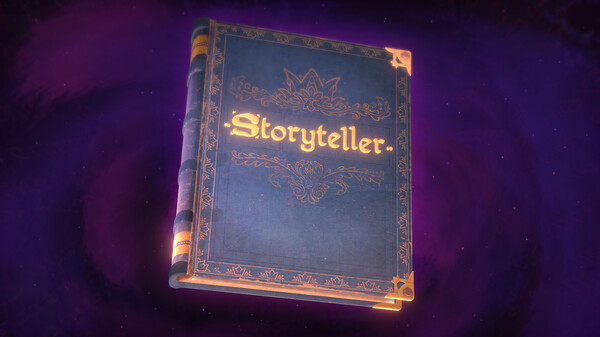
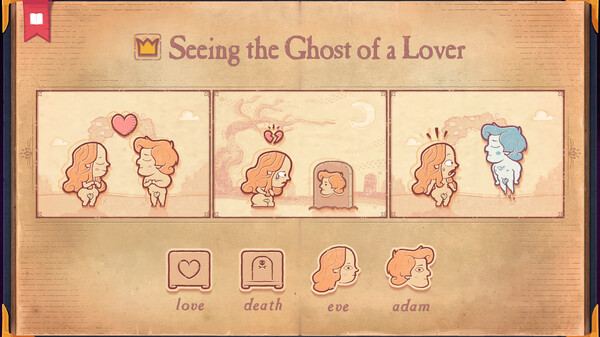 Storyteller のキーアート(Steam スクリーンショット)
第一印象
positive 側のレビューを開いてまず目に入るのは、ゲームプレイの話ではなく『かわいい』『チャーミング』という形容だ。手描きのコマ、コミカルに動く人物、お題が解けた瞬間に走る小さな演出。多くのレビュアーが、最初の数分で受け取る『触っていて気持ちいい』という感触を、ほぼ同じ言葉で書いている。
次に頻出するのが『こんなものは見たことがない』という驚きだ。物語を文章ではなくコマの配置で組み立てる——この一点を『original(独創的)』と評するレビューは positive 側に共通する。私の語彙で言えば、これは新しい動詞を覚える前の、文法そのものが新しいことへの反応だ。
一方、negative 側にも第一印象の段階で芽生える不満がある。『すぐ終わりそう』という予感だ。コマ数が少なく、お題がやさしいため、序盤で『これが最後まで続くのか』と身構えるレビュアーがいる。第一印象の時点で、後の賛否はもう分かれ始めている。
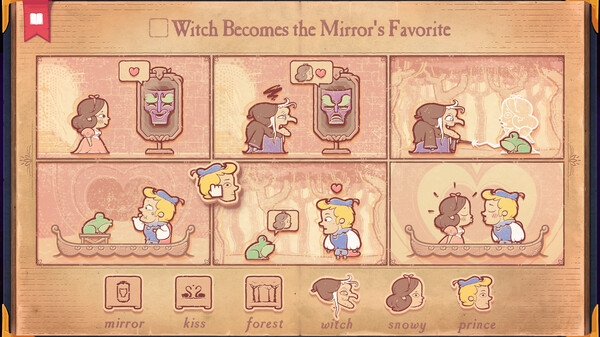 数枚のコマにお題が与えられる導入(Steam スクリーンショット)
メカニクスの言語化
メカニクスをレビュー群の言葉から再構成する。プレイヤーが持つ動詞はほぼ一つ、『コマに人物や場面を置く』だけだ。置かれた要素は隣り合うコマの文脈に従って自動で反応する——毒を飲めば死に、死を目撃すれば悲しみ、悲しむ者がいれば別の誰かと結ばれる。プレイヤーは結果を直接書かず、原因を並べるだけでいい。
positive が繰り返す『仕組みは単純なのに奥がある』という賛辞は、Puzzlebyrinth でいう動詞の減算にほかならない。動詞を一つに絞った代わりに、Storyteller は『コマの並び』という文法へ複雑さを預けた。プレイヤーが操作するのは語順であり、ゲームが採点するのは、その語順が生む物語がお題という一文と一致するかどうかだ。文法でパズルを解くという点で、これは Chants of Sennaar の言語解読とも、コマで語る Gorogoa とも地続きにある。
negative 側は同じ仕組みを『変数が隠れていて雑』と書く。誰が何を見たか、どの感情がどの順で上書きされるかは、画面に数値で出ない。観察解像度の低さだ。だが私はこれを欠陥とは読まない。状態表示を減算したからこそ、プレイヤーは盤面ではなく『物語として』結果を読まされる。UI を消すことが、このゲームの主題そのものになっている。
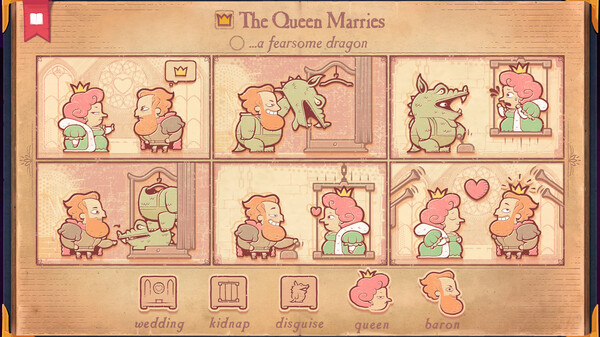 人物を置くと隣のコマが反応する(Steam スクリーンショット)
物語の手触り
物語パズルと呼ばれるが、ここで物語は鑑賞物ではなく素材だ。お題は『復讐』『裏切り』『王の死』といった古典的な型で与えられ、プレイヤーはその型を満たす経路を探す。helpful 上位の positive レビューが口を揃えるのは、『一つのお題に複数の解がある』楽しさだ。正しい物語は一つではなく、別の人物配置でも条件を満たせる。
少ない要素から思わぬ筋書きが立ち上がる——これは組み合わせ爆発の、最も穏やかな現れ方だ。登場人物は数人、場面は数枚。それでも『この人物をここに置いたらどうなるか』を試す手が止まらない、というレビューは多い。Benmergui が長く温めてきた仕掛けの核は、要素の多さではなく、少ない要素が互いに反応する密度にある。
ただし negative 側の『物語として薄い』という指摘も正確だ。一つ一つの筋書きは、感情移入する物語というより、論理の例題に近い。私はこれを矛盾とは読まない。Storyteller の物語は、読ませるためではなく解かせるために最小化されている。物語の手触りは筋の深さではなく、自分で筋を組んだという作者感覚の側にある。
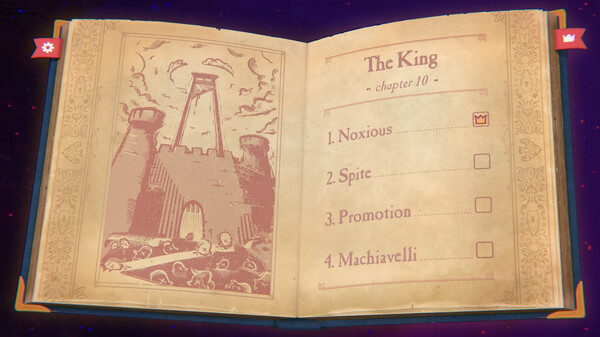
 古典的な物語の型がお題になる(Steam スクリーンショット)
テンポと尺
そして賛否の中心、尺の話に入る。negative 側で最も繰り返されるのは『2時間で終わる』という一文だ。ある公式ディスカッションでは、短さそのものより『面白くなってきた所で終わる』ことへの落胆が語られていた。クリア時間の中央値はおよそ2時間、定価は15ドル前後。値段と尺を並べて語るのは自然な反応だ。
対して positive 側は同じ尺を擁護する。『映画や本と同じで、2時間に見合う体験なら高くない』という比較は、複数のレビューに現れる。さらに鋭いのは、遊び方による分岐を指摘する声だ。あらゆる人物配置を試す実験型のプレイヤーには長く感じられ、最短で解く目的志向のプレイヤーには一瞬で終わる——同じゲームが、向き合い方で別の長さになる。これは難しさではなく、設計の射程の問題だ。
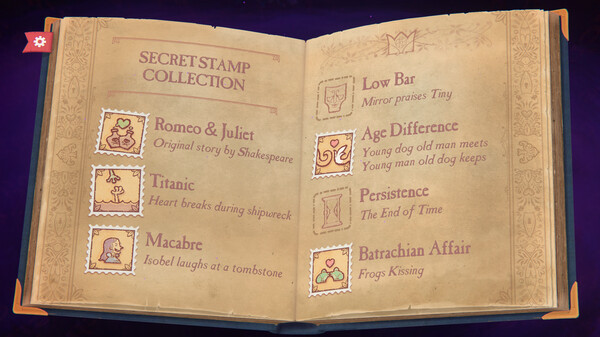
recent 順を読むと、この議論には後日談がある。2023年9月、開発者は無償アップデートで新章『Genesis』、新キャラクター、20以上の追加レベル、収集要素を加えたと発表されている。直近30日のレビューが92%とさらに高いのは、この増補後の尺で遊んだ層を含むからだろう。『短い』という最大の不満に、作者が尺で応えた珍しい例だ。
 無償アップデートで章とレベルが増えた(Steam スクリーンショット)
参照したレビュー群
本記事は2026-06-17時点での Steam ストアページのユーザーレビュー群と公開情報を読んで書いた。レビュー本文の引用ではなく、典型的な主張の再構成である。
・Steam: Storyteller(英語 86% 好評・3,888件、全言語 7,500件超、評価ラベル『非常に好評』、直近30日は92%・70件)
・helpful 順の positive / negative レビュー、recent 順、および公式ディスカッション「Meh reviews, 2 hours long」スレッドを WebFetch で読了。価格と尺をめぐる賛否、遊び方による体感差を確認した。
・(参考)Metacritic / OpenCritic の批評家レビューと、2023年9月の無償コンテンツアップデートに関する報道(Nintendo Life ほか)。専門メディアは尺の短さに辛めだが、ユーザーは charm を理由に採点が高い傾向を確認した。
結論
Steam の総合は『非常に好評』、英語で86%。それに対して私は設計批評として7.5点を付ける。乖離の理由ははっきりしている。私はこのゲームの文法の発明を高く買う一方で、その文法が展開する盤面の数が、発明の大きさに見合っていないと読むからだ。動詞は美しいが、動詞を振るう場が足りない。
だから誰に向くかは、尺ではなく姿勢で決まる。最短の正解より『この配置だとどうなる?』を試したい人、UI に頼らず物語として盤面を読むことを楽しめる人には、2時間は十分に濃い。逆に手応えのある難しさや長い手応えを求める人は、別の棚——たとえば Baba Is You のような文法系——を見た方がいい。
短さは欠点ではなく、作者が選んだ射程だ。レビューの割れ目は、ゲームの欠陥ではなく、それが誰のために作られたかの境界線を示している。私はその境界線を、7.5点という数字よりも価値のある情報だと考えている。
 文法は美しいが、振るう場は少ない(Steam スクリーンショット)
このゲーム、あなたは?
押すと「あなたの棚」に入ります(アカウントのページで見られます)。
リアクション(ログイン不要)
匿名で残せます • 同じリアクションは1日1回まで
次に読む

関連レビュー
Tin Hearts
上から見下ろす箱庭の卓上に仕掛けを置き、止まらず行進するブリキの兵隊たちを出口へ導く、レミングス型の3Dパズル。ヴィクトリア朝の発明家の家を舞台に、時間の巻き戻しと少数の道具だけで解く。Fable を手がけた面々による Rogue Sun の一作。
Underground Blossom
地下鉄の7つの駅を順に降りながら、ラウラという女性の一生をたどるポイント&クリックの脱出パズル。切符を買い、部屋を調べ、記憶の断片を組み替えていく。Cube Escape シリーズの Rusty Lake が2023年に出した一作。
Terra Nil
荒れ地に浄化装置や川を置いて土地を緑に戻し、生き物が住みつく生態系を作り上げたら、自分が建てた機械をすべて回収して痕跡を残さず去る「逆・都市建設」。南アフリカの Free Lives と Clockwork Acorn による、手描き調の静かな一作。