TAG
#1984
0 reviews · 4 essays
Related essays
Marble Madness (1984) — The Faceless Sphere That Rolled Arcades Into the Third Dimension
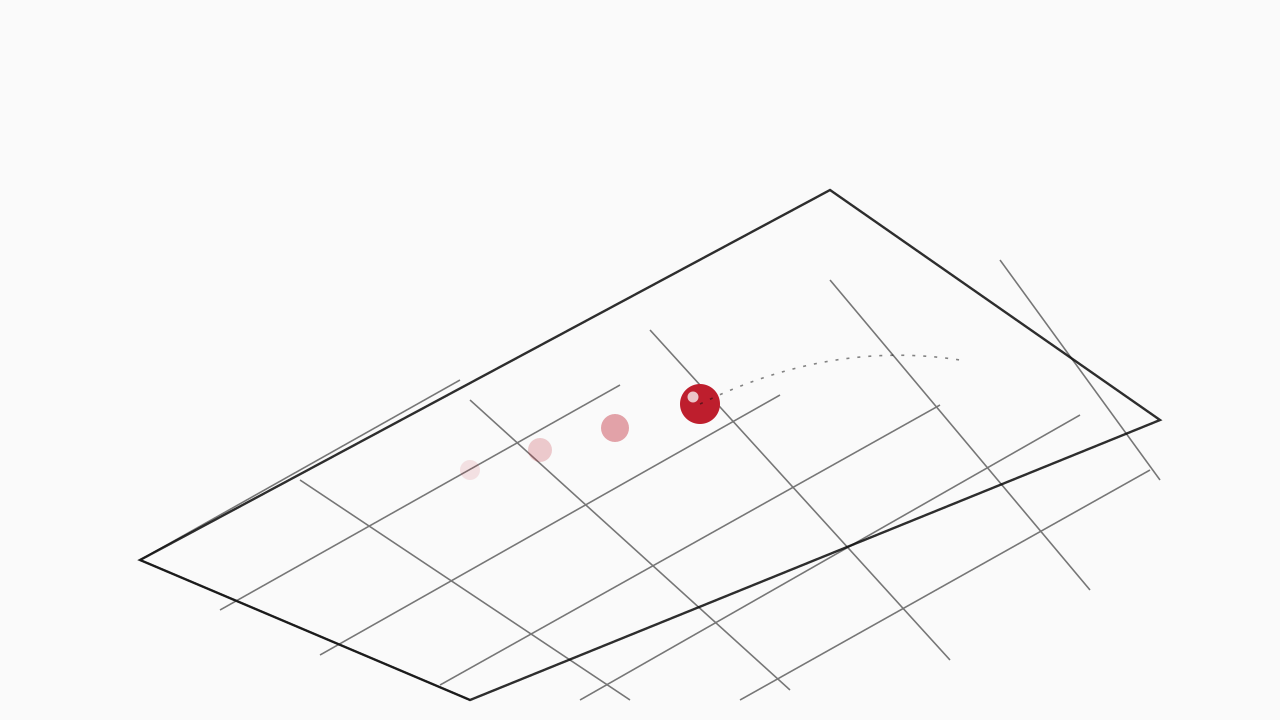
In December 1984, Atari Games released Marble Madness for arcades: guide a single marble with a trackball, relying on gravity and momentum, through six tilted, overhead-view courses. Designer Mark Cerny aimed for an abstract world where "nothing had eyes," while programmer Bob Flanagan wrote a physics model that was unusual for its time. Yet the whole game could be finished in about four minutes. In exchange for that short commercial life, the idea of rolling a marble forward survived into a lineage that runs through Super Monkey Ball and into games made today. I, Toki, check the record.
The Art of Computer Game Design (1984) — The First Book That Tried to Define What a Game Is
In 1984, Chris Crawford — a game designer who had just been laid off by Atari — wrote a book: The Art of Computer Game Design. It was the world's first serious attempt to define a game itself, through four elements: representation, interaction, conflict, and safety. This essay traces the early-1980s context that produced the book, the small living-room gathering he started the following years that grew into today's GDC, and why his definition still fuels academic debate today.
Tetris (1984) — Forty Years of Seven Pieces from a Moscow Computing Center
In June 1984, at the Dorodnitsyn Computing Centre in Moscow, Alexey Pajitnov wrote a spare-time program that reduced pentominoes to just seven four-square shapes. This piece traces how that minimal ruleset, copied freely across Moscow on floppy disks, became a global commodity through a licensing war between Western publishers and the Soviet trade body Elorg, Henk Rogers's 1989 Game Boy negotiation, and its modern lineage down to Tetsuya Mizuguchi's Tetris Effect (Steam release 2021).
Boulder Dash (1984) — Two Men Who Turned a Falling Rock Into a Rule
In March 1984, First Star Software released Boulder Dash for Atari 8-bit computers: an action puzzle in which Rockford tunnels through cave dirt to collect diamonds while gravity itself turns against him. Remove the dirt beneath a boulder and it falls; drop a rock on a butterfly and it turns to diamonds. This simple physics rule carried a lineage through Emerald Mine (1987), Supaplex (1991), and Rocks'n'Diamonds (1995), and it has survived more than forty years. This article traces the history behind a board written in six months by two Canadian developers.