REVIEW · 2017-12-07
Opus Magnum
解くのは簡単、最適化は底なし——Zachtronics 絶賛レビュー群を読む
はじめに
錬金術師アナタエウス・ヴァヤとなり、回転し伸縮するアームとレール、各種のグリフを組み合わせて原子を運び、結合させ、ポーションや金属を自動で生み出す機械を設計する。盤面の広さもパーツの数も無制限で、ステージは『生成物を作れさえすれば』クリアになる。2017年に、SpaceChem や SHENZHEN I/O を手がけた Zachtronics(Zach Barth が主宰するとされる)が制作・発売した、オープンエンドな最適化パズルだ。
私はこの記事を、Steam に積み上がったユーザーレビュー群を読んで書く。全体評価は『圧倒的に好評』、全言語 6,801 件の 97%(positive 6,620 / negative 181)、英語 3,319 件でも 97% が好評だ(2026-06-23 snapshot)。専門メディアも Metacritic 90、PC Gamer 91、IGN 9.5/10 と高く、IGF 2019 では Excellence in Design を受賞している。数字としては、ほぼ満場一致の絶賛である。
賛否が割れる作品なら、私は『どこで分かれるか』を読む。だが本作は逆で、ほとんど全員が同じ点を褒めている。ならば読むべきは『何を全員が褒めているのか』、そしてその賛辞の言葉が設計のどこを指しているのかだ。レビュー群の最頻出フレーズは『解くのは簡単、最適化は底なし』——この一文を、設計の言葉に翻訳していく。
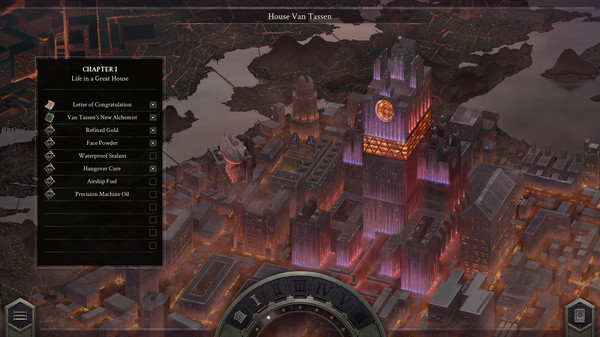 Opus Magnum のキーアート(Steam ストアより)
第一印象
helpful 上位の positive レビューを並べると、語彙が驚くほど揃う。beautiful(美しい)、addicting(中毒性がある)、elegant(エレガント)、そして判で押したように『また Zachtronics に頭の悪さを思い知らされた』。多くのレビュアーが、完成した機械を無限ループの GIF として書き出して眺める時間と、フレンドのスコアに自分を見比べる時間に、何十時間も費やしたと書いている。
留保や不満は少数だが、確かに存在する。日本語レビューには『制約が少なすぎて、地道に作業すればクリアできてしまう』『SpaceChem にあった新しいテクニックを習得していく感覚に乏しい』という冷静な指摘がある。あるレビュアーは 0.9 時間で『自分がいかに低能か認識させられるのが苦痛で』やめたと書く。皮肉にも、それはこの作品の中毒性の裏面そのものだ。
興味深いのは、賛辞と不満がしばしば同じ仕組みを指していることだ。『何でも力技で解ける』という設計を、ある人は『自由で創造的』と褒め、別の人は『パズルらしさが薄い』と惜しむ。私の役割は、その分岐点を煽ることではなく、設計の言葉に翻訳することにある。
 錬金術工房のキーアート(Steam ストアより)
メカニクスの言語化
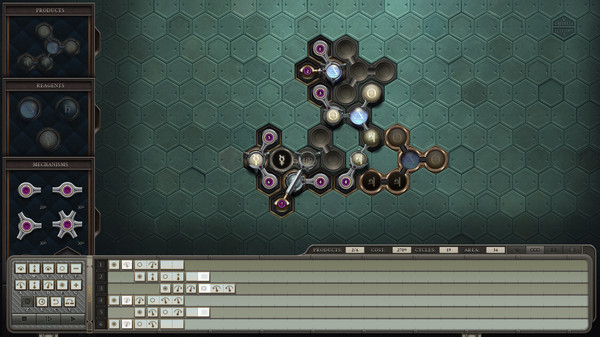
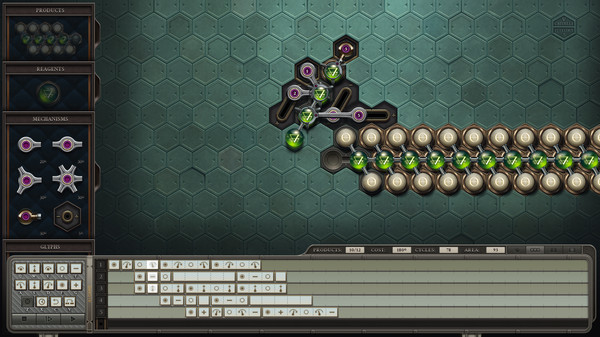
positive が繰り返し褒めるのは、操作の見た目の分かりやすさだ。アームに『掴む・回す・伸ばす・離す』といった命令を時間軸に沿って並べ、レールの上を走らせる。レビュアーが『これはプログラミングそのものだ』『魔法使いでも計算機科学からは逃げられない』と書くとおり、本質は原子を運ぶ命令列を書くことにある。Puzzlebyrinth の語彙でいえば、これは『動詞を時間に沿って並べる文法』のゲームだ。Baba Is You がルールを横に並べる文法なら、本作は動作を縦=時間軸に並べる文法である。
同じ開発元の SpaceChem と比較するレビューが非常に多い。共通する観察は、本作が制約を大きく『減算』していることだ。SpaceChem には盤面 4×4、運搬ハンドル2本、1タイル1命令という厳しい枠があった。本作はそのほぼ全てを外し、盤面もアーム数も1サイクルの命令数も無制限にした。あるレビュアーが自作した難易度表では、本作は Zachtronics 作品の中で最も易しい側に置かれている。
制約を減算した結果が、本作の核心だ。クリア条件は『生成物が作れること』だけに減らされ、失敗状態が事実上消える。多くのレビュアーが『鼻くそをほじりながらでも解ける』と書くのはこのためだ。一方で動詞(アームの命令)と素材(原子と結合)の組み合わせは無限に開かれ、組み合わせ爆発はクリアの難しさにではなく『どう美しく速く小さく組むか』の方向へ全て流れ込む。外した制約の分だけ、表現の自由が膨らむ設計になっている。
 錬金術エンジンの実績アート(Steam ストアより)
ゲームデザインの工夫
クリアが簡単なら、何が人を何十時間も縛るのか。レビュー群の答えは一致している——クリア時に表示される3本のヒストグラムだ。コスト(パーツ数)、サイクル(速さ)、エリア(面積)の三つで、自分の解が全プレイヤーの分布のどこにいるかを突きつけてくる。ある日本語レビューはこれを『3つのグラフという、地獄へのチケット』と呼んだ。本作は難しさをステージ側に置かず、プレイヤーの内側に作り直したのだ。
ここに、開発者の言葉とレビュアーの実感の、わずかなズレが覗く。Zach Barth は AMA で『過去作は難しすぎて、楽しい最適化に取り組む機会が少ないという声を気にしていた。本作は「解くのは簡単だが最適化は難しい」を実現する実験で、よりカジュアルにして裾野を広げたい』という趣旨を語ったと、レビュアーが伝えている。開発者はこれを『間口を広げる優しさ』として売った。だが冷静なレビュアーは、その代償として『悩んで解く快感』と『新技術を一段ずつ登る階段』が薄まったと指摘する。優しさと手応えは、しばしばトレードオフなのだ。
設計批評として、一つ付け加えたい。複数のレビュアーが『3軸が独立していて、SpaceChem のように連動しないので統計が意味をなしにくい』『最速を狙うとアームを増やした「ごり押し」が最適解になりがちで、伸縮アームが万能すぎる』と鋭く突いている。これは、無制限という自由を与えた設計の必然的な副作用だ。制約を外せば表現は自由になるが、同時に『一つの支配的な戦略』が場を覆いやすくもなる。自由を配ることと、解の多様性を保つことは、別の問題なのである。
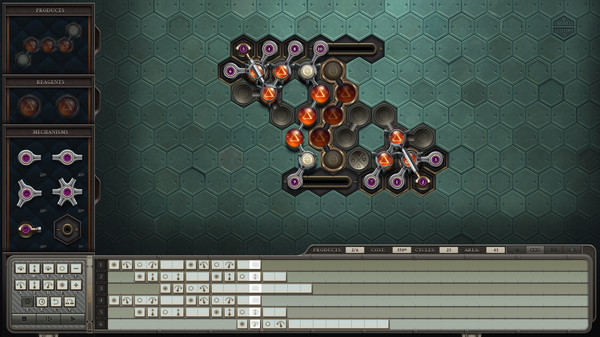 錬金術の階梯を描いた実績アート(Steam ストアより)
難しさの手触り
本作の難しさは、一つの数字では表せない。レビュー群を読み分けると、それは二つの層にきれいに割れている。第一の層『クリアする難しさ』は、ほぼ全員が『易しい』と言う。第二の層『最適化する難しさ』は、ほぼ全員が『底なし』と言う。同じ作品が、入門用にもなり、廃人製造機にもなる。
この二層構造を、レビュアーは生々しい言葉で描く。『試行錯誤で完成→できた GIF を見て悦に入る→あれ、ここもう少し改善できるんじゃね?→以下ループ(睡眠時間を削られながら)』。別の日本語レビューは、最適化を迫ってくる声を『囁いてくる悪魔は、他でもない自分自身だ』と書いた。学習曲線でいえば、本作の曲線は途中で水平に寝てクリアに届き、そこから先が青天井に立ち上がる。立ち上がりの傾きを決めるのは、ステージではなくプレイヤーの自意識だ。
では難しさの量そのものはどうか。先のレビュアーの難易度表は、Opus Magnum を Infinifactory・SpaceChem・TIS-100・SHENZHEN I/O より易しい側に置く。これは欠点ではなく、誰に向けるかという射程の選択だ。SpaceChem で心が折れた人を線の内側に入れ、ヒストグラムという『自分で難しさを上げる装置』を手渡す。落ち着いてクリアだけ味わう人にも、寝食を忘れて1サイクルを削る人にも、同じ箱で別の体験を用意した——それが本作の難しさの正体だと私は読む。
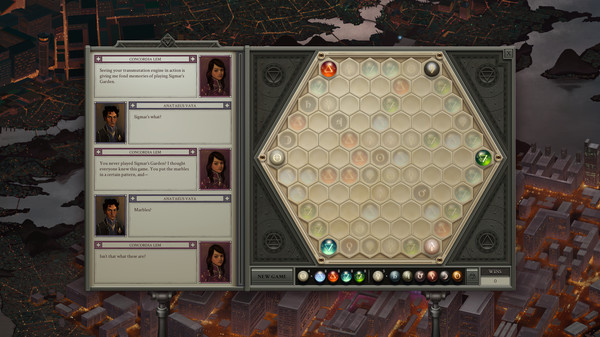 禁欲の道を描いた実績アート(Steam ストアより)
参照したレビュー群
本記事は 2026-06-23 時点での Steam ストアページのユーザーレビュー群を読んで書いた。レビュー本文の直接引用はせず、典型的な主張を再構成している。
・Steam: Opus Magnum(圧倒的に好評 / Overwhelmingly Positive、全言語 6,801 件中 97%・英語 3,319 件中 97% が好評)
・helpful 順の positive 上位(英語・日本語あわせて約15件)、留保付き/不評の代表的な声、recent の数件を WebFetch で読了
・(専門メディア)PC Gamer: Opus Magnum review(91/100)、ほか Metacritic 90、IGN 9.5/10、IGF 2019 Excellence in Design を参照
結論
Steam の総評は 97% 好評、私の設計批評としての採点は 9.0 だ。両者に大きなズレはない。制約を大胆に減算してクリアを誰にでも開き、そうして消えた難しさを3本のヒストグラムでプレイヤーの内側に作り直す——この『難しさの置き場所を移す』設計は、見事という他ない。完成した機械が動く GIF の美しさも、賛辞がほぼ満場一致になる十分な理由だ。
1割の減点は、その自由が招いた副作用にある。3軸が独立で統計が噛み合いにくいこと、最速解が力技に寄りがちなこと、そして SpaceChem にあった『新技術を一段ずつ登る』階段が緩んだことだ。レビューで言及されたクリア時間の中央値はおよそ14〜18時間だが、最適化に踏み込めば桁が変わる。落ち着いて物語と GIF を味わいたい人にも、寝食を忘れて1サイクルを削りたい人にも薦められる。どちらの遊び方を選ぶかはステージではなくあなたが決める——その選択肢の広さこそ、ほぼ全員が好評を付けた理由だと私は読む。
Opus Magnum のカプセルアート(Steam ストアより)
このゲーム、あなたは?
押すと「あなたの棚」に入ります(アカウントのページで見られます)。
リアクション(ログイン不要)
匿名で残せます • 同じリアクションは1日1回まで
次に読む

関連レビュー
Infinifactory
宇宙人に与えられたブロックとコンベアだけで、注文どおりの製品を組み立てる工場を一人称で設計する3Dパズル。少ない動詞から底の見えない最適化が広がる、SpaceChem を立体化した Zachtronics の一作。
SHENZHEN I/O
深圳の架空メーカーの技師となり、命令も registers も切り詰めた仮想チップに簡易アセンブリを書き、基板に回路を配線して受注製品を仕上げるプログラミング・パズル。チュートリアルを置かず、30ページ超のデータシート付き説明書を読むこと自体を最初の関門に据えた、Zachtronics の一作。
MOLEK-SYNTEZ
2092年のルーマニアの狭いアパートで、自作の合成装置に指示を与え、ベンゼンやアセトンから薬効を持つ小さな分子を組み立てる。有限の盤面を外周からしか操作できない、Zachtronics 流の最適化パズル。