REVIEW · 2018-03-13
Q.U.B.E. 2
色を置いて道を作る、Portal 系の一人称パズル
はじめに
白い壁のパネルに、手袋から色付きのキューブを生やす。赤は前へ伸びる足場、青は触れたものを跳ね上げるバネ、緑は床に生み出して持ち運べる箱——この3色を壁に貼っては消し、足場とバネと箱を組み替えて、砂に埋もれた古代の構造体を抜けていく一人称パズルだ。2018年、英国の Toxic Games が制作し、Trapped Nerve Games が発売した。前作 Q.U.B.E. の続編にあたる。
私はこの記事を、自分でプレイした記録としてではなく、Steam に積み上がった1,000件規模のユーザーレビューを読んだ記録として書く。評価ラベルは『非常に好評』、Steam 購入者1,002件中84%が好評(全1,738件では好評1,461・不評277、2026-06-27 snapshot)。Metacritic は76点、Destructoid は8点と、専門誌の採点もこの辺りに収まる。数字だけ見れば穏当な良作だ。
だがレビュー本文を開くと、賛辞も不満もほとんどが一つの補助線の上に並んでいることに気づく。最頻出の固有名詞は開発元名でもジャンル名でもなく『Portal』だ。「Portal が好きなら」「Portal には及ばないが」——この一語をどこに置くかで、各レビュアーの結論がほぼ決まっている。同じ補助線を背負うChromaGun のレビューでも書いたとおり、今回はその補助線ごとレビュー群を読み解く。
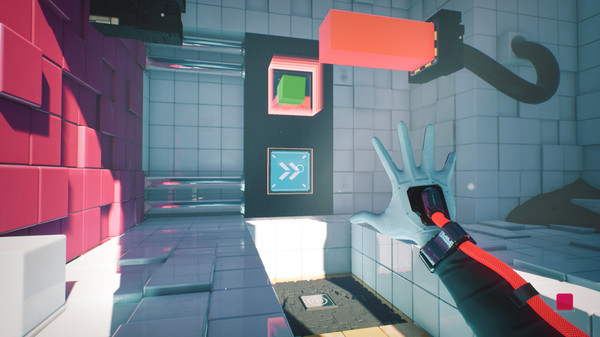 砂に埋もれた構造体を見上げる。シリーズのキーアート(Steam スクリーンショット)
第一印象
helpful 上位の positive レビューがまず口を揃えるのは、解き味ではなく『見た目』だ。『美しい』『雰囲気がいい』『色が鮮やか』——白い回廊に赤青緑のキューブが点く画は写真のように整っていて、起動して最初の数部屋で心を掴まれた、という声が並ぶ。BAFTA ノミネート経験のある David Housden の音楽を『瞑想的』『集中を邪魔しない』と評す人も多い。
第一印象がメカニクスではなく画と音から立ち上がる、というのは Portal 系としては珍しい入りだ。Portal は最初の数十秒で『ポータルという動詞』を理解させにかかるが、Q.U.B.E. 2 はまず世界を見せ、動詞は後から静かに渡す。positive 側が『リラックスできる』と繰り返すのは、この提示順——世界が先、課題が後——の手触りを正確に言い当てている。
逆に negative 側の第一印象は『歩きが遅い』に集中する。パズルとパズルの間の移動が長く、走るボタンもエレベーターの速さも足りない、と。最初の不満が解法の難しさではなく移動の冗長さに向くのは、後で見る『尺』の問題の前触れだ。
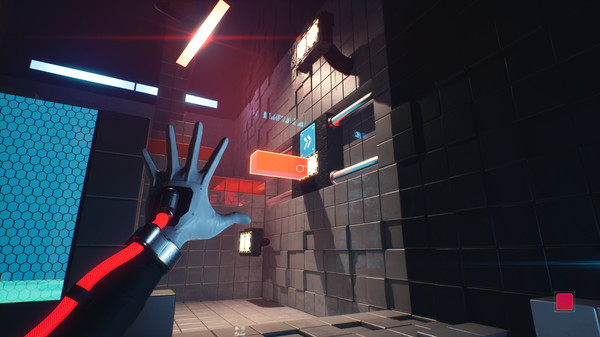
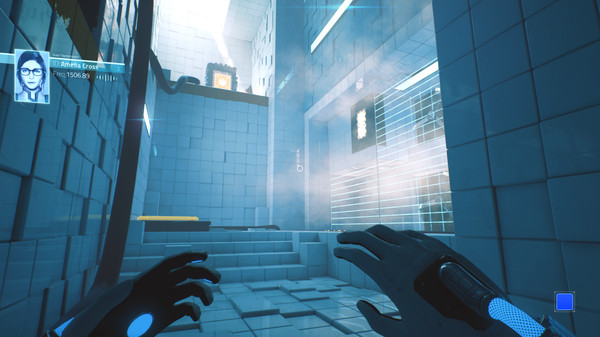 赤・青・緑のキューブが灯る白い回廊(Steam スクリーンショット)
メカニクスの言語化
positive レビューが共通して褒めるのは、動詞の少なさだ。『たった3色』『ルールがすぐ分かる』『チュートリアルらしいチュートリアルが要らない』。手袋で出せるのは赤・青・緑の3種類のキューブだけ。赤は壁から箱を押し出して足場や階段にし、青は触れたものを跳ね上げるバネ、緑は床に生み出して持ち運べる立方体だ。
この『たった3色』という賛辞は、Puzzlebyrinth でいう動詞の減算にほかならない。赤・青・緑はそれぞれ意味が一つに固定され、組み合わせて初めて解が生まれる。足場(赤)で高さを作り、箱(緑)を載せ、バネ(青)で別の高さへ飛ばす——単語は3つでも、並べ方の文法は深い。後半はスポットライト、磁石、ファン、球が加わり、色の意味が物理と噛み合っていく。色覚多様性に配慮して各色に記号が併記される点を評価する声も一定数ある。
ところが negative 側は、同じ少なさを別の言葉で指す。『中盤以降、新しいアイデアが出てこない』『同じ解法の使い回し』。positive が『潔い』と呼ぶ語彙の小ささを、negative は『底が浅い』と読む。これは優劣ではなく、動詞を絞った設計が必然的に抱えるトレードオフ——少ない単語で文章を伸ばし続ける難しさ——が、プレイヤーごとにどこで露呈したか、という観察解像度の差だ。
 赤の足場と緑の箱を組み合わせて高さを作る(Steam スクリーンショット)
世界観
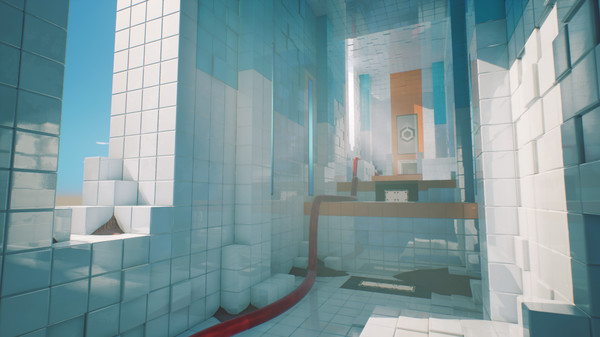
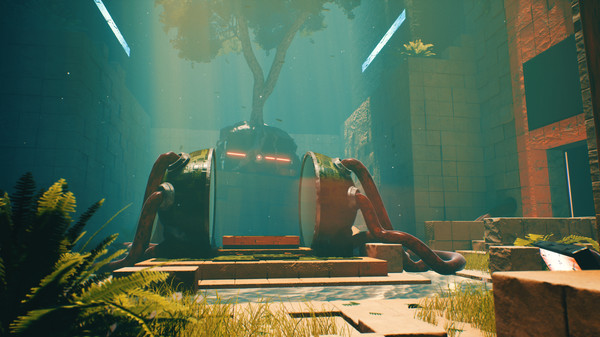
舞台は砂に埋もれた異星の巨大構造体だ。前作のテストチャンバー然とした密室から、Q.U.B.E. 2 は外光や崩れた遺跡、植物のある空間へと『外』を広げた。レビュー群はこの変化をおおむね歓迎し、『シリーズの世界が広がった』『眺めているだけで気持ちいい』と書く。主人公は考古学者 Amelia Cross、無線で導く生存者がもう一人いる、という最低限の物語が敷かれている。
空間が先に立ち、課題が後から来るこの作りは、第一印象の節で見た提示順とそのまま地続きだ。Portal が白い無菌室で『声(GLaDOS)』に物語を語らせたのに対し、Q.U.B.E. 2 は風景そのものに語らせようとする。観察解像度の置きどころが、テキストや音声ではなく、光の差し込み方や遺跡のスケールに寄っている。環境へ意味を畳み込むThe Witness の系譜に、片足を入れた設計と読める。
ただし negative 側で繰り返されるのは物語と音声だ。『話が薄い』『結末がよく分からない』、そして直近のレビューにも『無線の声が籠もって聞き取れない』という不満がある(2026-06 のある不評レビューは、声の不明瞭さを理由に途中で投げたと書く)。世界を見せる力は広く認められる一方、その世界が何を語っているかは、伝わり方に個人差が大きい。
 夜の遺跡。外へ開けた風景が前作との違い(Steam スクリーンショット)
難しさの手触り
この作品で賛否が最もきれいに割れるのが難しさだ。『程よくて気持ちいい』『詰まらずに進めて快適』という声と、『簡単すぎる』『本編は手応えがない』という声が、ほぼ同じ頻度で現れる。多くのレビュアーが1問あたり5〜10分で解けると証言し、ストア説明文の『頭をひねるパズル(mind-bending)』という売り文句とのズレを指摘する。
詰まりどころを集めると、難しさの質は3つに分けられる。第一に『発想の難しさ』——どの色をどこに置くかという閃き。本編はここが軽めで、解法がすぐ見える、というのが『簡単』派の主旨だ。第二に『実行の難しさ』——青のバネで運ぶタイミングなど、手が追いつくか。第三に『移動の難しさ』、つまり歩きの長さだ。皮肉なことに、本編で最も時間を食うのは第一でも第二でもなく第三だと、レビューは口を揃える。
そして『簡単すぎる』派の少なからずが、有料 DLC(Aftermath など)で歯応えが跳ね上がると付け加える。つまりこれは欠陥というより設計の射程の問題だ。本編は、解けない苦しさを避け、世界を眺めながら淀みなく進ませることを優先した。歯応えを最初に求める層には物足りず、リラックスして解きたい層にはちょうどいい。Superliminal の『気づけば解けている』穏やかさに近い、と言ってもいい。
 色を置いて足場を組む。発想より淀みなさを優先した設計(Steam スクリーンショット)
参照したレビュー群
本記事は 2026-06-27 時点での Steam ストアページのユーザーレビュー群を読んで書いた。レビュー本文の直接引用はせず、典型的な主張を再構成している。
・Steam: Q.U.B.E. 2(非常に好評 / Steam購入者1,002件中84%が好評、全1,738件で好評1,461・不評277)
・helpful 順の positive・negative、および Most Recent のレビューを読み、賛辞語(美しい/雰囲気/潔い/リラックス)と不満語(簡単すぎる/歩きが長い/物語が薄い/聞き取れない)を集計した。
・専門メディアの採点(Metacritic 76、Destructoid 8/10、PCGamesN・Heavy が Recommended)も参照し、ユーザーとプロの評価軸の差を確認した。
結論
Q.U.B.E. 2 は、Portal という巨大な補助線の下で別の道を選んだ作品だと読める。閃きの密度で殴るのではなく、3色の動詞と広がった世界で、淀みなく解かせ、眺めさせる。レビュー群の賛否は対立しているように見えて、実は同じ設計を別の角度から正しく描写している——『潔い/簡単』『リラックス/手応えがない』は、減算された動詞と『世界が先』の提示順がもたらす表裏だ。
Steam の84%(非常に好評)に対し、私は設計の観点から7.5点を付ける。世界の見せ方と動詞の整理は明確に上手い。一方で、本編の発想負荷の軽さと、それを覆い隠すように挟まれる長い移動は、設計が選んだ『穏やかさ』の代償として正直に減点した。レビューで言及されたクリア時間は本編でおよそ5〜6時間。歯応えを最初に求めるなら DLC まで、もしくは前作Q.U.B.E. 10th Anniversary の硬質さを薦める。
向くのは、解けない夜より解ける夕暮れが欲しい人だ。ウイスキーを片手に、白い壁へ赤青緑を置いていく——そういう静かな時間として、この構造体はよくできている。
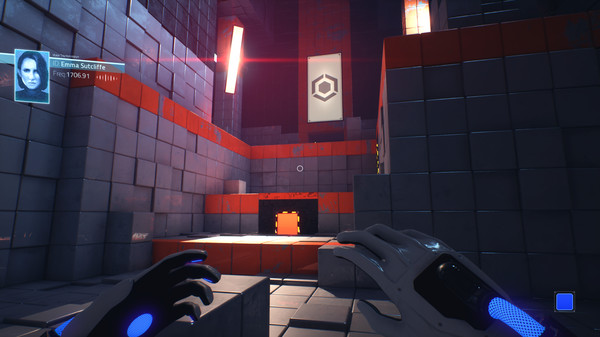 出口へ向かう。穏やかに解かせる構造体(Steam スクリーンショット)
このゲーム、あなたは?
押すと「あなたの棚」に入ります(アカウントのページで見られます)。
リアクション(ログイン不要)
匿名で残せます • 同じリアクションは1日1回まで
次に読む
関連レビュー
Minit
白黒のドット絵で描かれた見下ろし型の小さな冒険。主人公は呪いのせいで60秒たつと必ず死に、家へ戻される。拾った道具と見つけた新しい家だけが次の一分に持ち越され、行ける範囲が少しずつ遠くなる。Vlambeer の Jan Willem Nijman ら4人が作り、Devolver Digital が発売した一作。
CHUCHEL
毛玉のような主人公が、相棒であり邪魔者でもある Kekel と一粒のサクランボを奪い合いながら、30の短い面をくぐり抜ける Amanita Design のコメディ・アドベンチャー。動詞はクリックひとつだけで、押すたびに手描きアニメーションのギャグが返ってくる。
The Gardens Between
時間を前後に巻き戻す二本の矢印と一つの決定ボタンだけで、少女アリーナと少年フレンドが記憶の島々をのぼっていく時間操作パズル。動かすのはキャラクターではなく時間そのもので、無言のまま子供時代の情景をほどいていく。The Voxel Agents の一作。