REVIEW · 2016-08-30
The Turing Test
Portal の影の下、試験は誰のためにあるか
はじめに
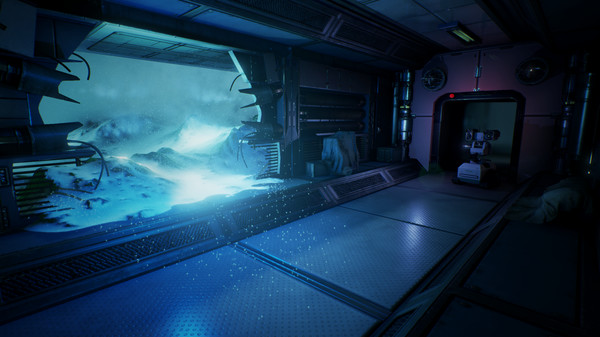
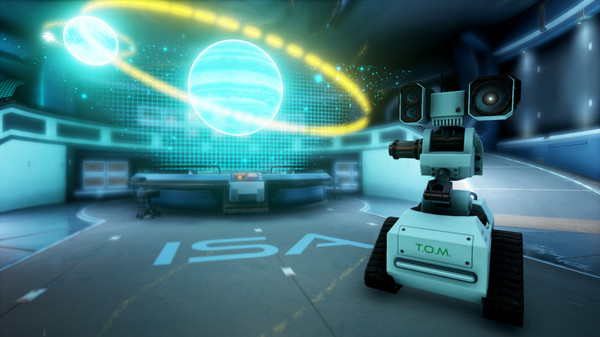
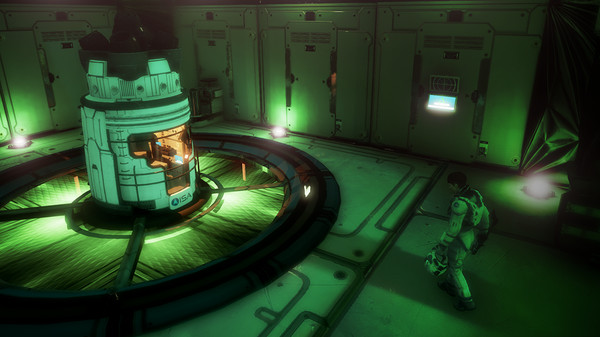
木星の衛星エウロパ。地上クルーが消息を絶った基地に、エンジニアの Ava Turing が降り立つ。案内役は基地の AI、TOM。基地の各室は「人間にしか解けない」試験——エネルギー球を銃型のツールで吸い取り、撃ち込み、扉や足場に電力を通すパズル——に作り替えられている。2016年、英国の Bulkhead Interactive(Pneuma: Breath of Life を作った2スタジオが合併したチーム)が Square Enix Collective から発売した一人称パズルで、現在のストア表記は BULKHEAD 名義になっている。
私はこの記事を、Steam に積み上がったユーザーレビュー群を読んで書く。全言語合計 8,007 件、positive 7,011 で約88%、評価ラベルは「非常に好評」(2026-06-12 snapshot)。一方で専門メディアの平均は Metacritic 74。ユーザーの 88% とプロの 74 点の間にある温度差——どの軸で測ると高く出て、どの軸で測ると低く出るのか——が、本作を読み解く鍵になる。
そしてレビュー群の最頻出固有名詞は、開発者名でもジャンル名でもなく「Portal」だ。賛辞も不満も、ほぼすべてがこの補助線の上に乗っている。比較から始まってしまう作品を、今回は比較ごと読み解いてみたい。
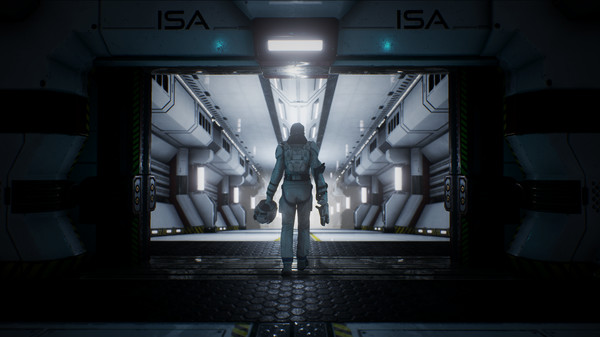 The Turing Test(Steam スクリーンショット)
第一印象
helpful 上位の positive を並べると、書き出しの型がほぼ揃っている。「良い Portal クローンと悪い Portal クローンがあるが、本作はどちらでもない」「Portal Lite と呼ぶのが正確」。つまりレビュアーたちは、まず系譜上の位置を申告してから本題に入る。単体の新作としてではなく、2007年のあの試験施設の記憶を介して受け取られている作品だ。
positive 側がよく使う語彙は polished(磨かれている)、relaxing、atmospheric、そして「挑戦とフラストレーションの中間のスイートスポット」。詰まって唸るタイプの体験ではなく、するすると流れる体験として褒められている。声の演技と音響への言及も目立って多い。
negative 側と留保付き positive が繰り返すのは easy、short、derivative(借り物)、そして字幕の不在だ。「傑作と凡作の薄い刃の上を滑っている」という秀逸な要約もあった。直近30日のレビューも 11 件中 81% positive と、発売から10年経って評価軸はほとんど動いていない。アップデートで印象が変わった類の作品ではなく、最初から論点が固定されている。
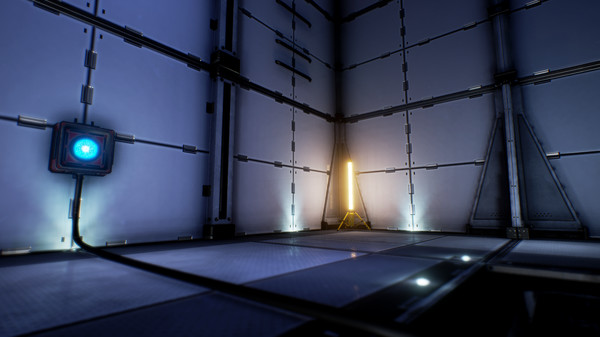 The Turing Test(Steam スクリーンショット)
系譜と位置づけ
Portal の影は、外から貼られたレッテルではない。開発側はプレスインタビューで、メカニクスを段階的に導入する設計の参照点として The Talos Principle を挙げたと報じられている。白いパネルの試験室、意図の読めない AI の声、部屋単位の進行——意匠の選択も含めて、系譜の内側に自分から立った作品だ。
面白いのは、専門メディアとユーザーレビューがほぼ同型の構図で書いていることだ。あるメディアレビューは「同じドレスでオスカーに現れた」と評し、「どちらが似合うか」の問いには Portal と答えつつ、パズル自体の出来は認めた。ユーザーの「Portal Lite、しかし単体として欠けてはいない」と、言っていることは実は同じである。違うのは結論の符号だけだ。
Portal の発明が「壁に穴を開ける」という動詞そのものだったとすれば、本作の発明は動詞ではなく編成にある。電力=鍵、部屋=錠という既存の文法を、物語と声で束ね直す編集術。レビュー群が本作を「発明者」ではなく「良き編集者」として遇しているのは、The Talos Principle を「哲学を背負った発明」として遇したのと対照的で、この距離感は正確だと思う。
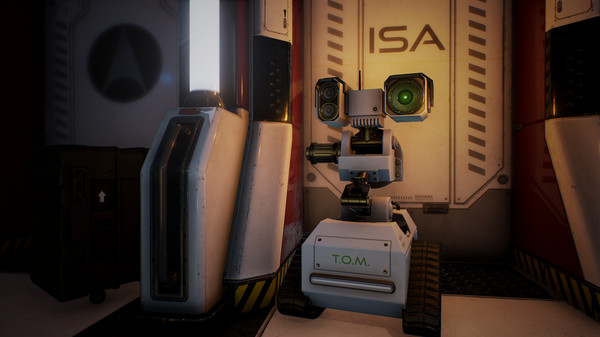 The Turing Test(Steam スクリーンショット)
メカニクスの言語化
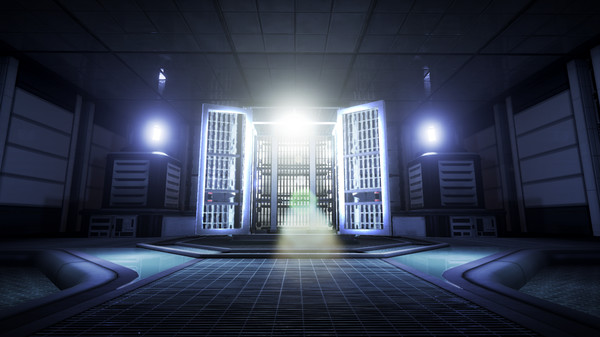
メカニクスを最も解像度高く言語化していたのは、意外にも日本語のレビュー群だった。再構成するとこうなる。電源には剥き出しの光球と箱型の二種があり、ソケットにも両対応の角型と光球専用の丸型がある。光球は銃型ツールで遠くから吸い取り・撃ち込みができるが、箱は手で運ぶしかない。動詞は実質三つ——吸う、撃つ、運ぶ。この非対称(遠隔で動かせるもの/身体で運ぶしかないもの)が、ほぼ全部屋の骨格になっている。
中盤からは監視カメラや作業ロボットへの「乗り移り」が加わる。視点を手放し、別の機械の目で部屋を見直す——動詞でいえば第四の「移る」だ。自分の身体がどこにあるかを資源として扱うこの仕掛けは、「誰が誰を操作しているのか」という物語の主題とメカニクスが重なる場所で、positive レビューが設計の白眉として挙げる箇所もここに集中している。
一方で、日本語レビューの「混乱を誘うだけの目眩ましが少ない」という一文は、本作の急所も言い当てている。要素同士の組み合わせ爆発を意図的に抑え、1部屋1論点の減算で組んであるため、探索すべき解空間が狭い。「すごく素直に解けてしまう」のだ。減算は本サイトが繰り返し擁護してきた美徳だが、削りすぎれば驚きの居場所まで削れる。「易しい」という大合唱の構造的な根は、難しさの調整ではなくこの減算の深さにある。
 The Turing Test(Steam スクリーンショット)
物語の手触り
本作のレビュー群は、パズルゲームとしては異例なほど物語の比重が高い。positive の多くが最大の牽引力に挙げるのはパズルではなく、Ava と TOM の対話——機械は考えられるのか、シミュレートされた意識は意識なのか、という問答だ。「次の部屋に進むのは解きたいからではなく、続きが聞きたいから」という構図が、留保付きの positive でも繰り返される。中盤には「誰がこのゲームを操作しているのか」という前提そのものを反転させる仕掛けがあり(詳細は伏せる)、ここを白眉に挙げる声は多い。
同時に、「問いを並べるだけで答えを選ばせてくれない」「結末があっけない」という不満も、positive と negative の双方に繰り返し現れる。御馳走を並べた食卓に着かせておいて、何を食べるかはシェフが決め、腹半分で店を出される——そんな比喩で不満を述べたレビューが、本作の物語評価の両義性をいちばん正確に要約していた。
そして negative の helpful 上位を占める論点は、哲学でも難しさでもなく字幕である。物語の背景の大部分を担うクルーの音声ログに字幕がなく、開発側はこれを「アーティスティックな選択」と説明したとされる。難聴のレビュアーと非ネイティブのレビュアーが、それぞれ具体的な不便を書き残し、日本語レビューでは有志の日本語化MODへの感謝がほぼ定型句になっている。物語で牽引する設計を選んだ作品が、その物語への入口を自分で狭めた——レビュー群の指摘は、設計の急所を正確に突いている。
 The Turing Test(Steam スクリーンショット)
難しさの手触り
集計すれば「易しい」が大勢だ。「Talos や Portal より明確に易しい」「ヒントなしで最後まで行ける」「かなり易しめ」。一方で「挑戦とフラストレーションの中間でちょうどいい」という声も一定数あり、クリア時間の言及は5〜10時間、中央値はおよそ6〜7時間に集まる。新しい仕掛けは必ず単純な部屋で導入され、基本、応用と展開される——この学習曲線の設計を取り出して褒めるレビューもあった。
ただ、レビューを読み比べると「難しさ」が一枚岩でないことが見えてくる。第一に思考の難しさ。一解の部屋が多く解空間が狭いため、ここは確かに低い。第二にタイミングとスピードの難しさ。日本語レビューが指摘する「思考よりタイミングが問われる」型の部屋で、これは難しさというより操作の摩擦に近い。第三に視認の難しさ。長いケーブルを目で追って部屋の配線を把握する認知負荷で、専門メディアが「回路基板の上に立つ1cmの人間」と形容したのはこれだ。「易しい」と「ちょうどいい」の分裂は、第一だけを測るか、二と三を込みで測るかの違いとして、ほぼ説明がつく。
私が本作の難しさを読む最良の補助線だと思ったのは、日本語レビューにあった一つの仮説だ——「物語を最後まで見せるため、落伍者が出ないよう易しめに調整している」。難しさが作品の目的関数ではなく、物語の歩留まりを最大化するための制約条件になっている。だから Talos の手応えを期待して来た者は拍子抜けし、物語目当てで来た者には適正に映る。割れているのは調整の腕ではなく、来訪者の期待のほうだ。
 The Turing Test(Steam スクリーンショット)
参照したレビュー群
本記事は 2026-06-12 時点での Steam ストアページおよびコミュニティのユーザーレビュー群を読んで書いた。レビュー本文は引用せず、典型的な主張を再構成している。
・Steam: The Turing Test(非常に好評。全言語 8,007 件中 positive 7,011・約88%、うち Steam 購入者 6,219 件。英語レビュー 4,173 件・87% positive、直近30日 11 件・81%。2026-06-12 snapshot)
・コミュニティの helpful 順上位レビューを英語10件・日本語7件(positive / negative 双方)読了。クリア時間はレビュー中の言及(5〜10時間)に拠る。
・専門メディアは Trusted Reviews のレビューと Metacritic(PC 74)を参照し、開発経緯(スタジオ合併、The Talos Principle を参照点とした発言)は Wikipedia と報道記事の記載に拠った。
結論
Steam の overall 約88% に対して、私は設計批評として 7.5 を付ける。乖離には理由がある。レビュー群の 88% は物語込みの満足度であり、その物語の牽引力は本物だ。しかし設計の側から見ると、本作には新しい動詞の発明がなく、美徳であるはずの減算が驚きの居場所まで削っている。編成の腕——既存の文法を物語と声で束ね直し、視点の移譲で主題とメカニクスを重ねた一点——は一級で、そこが 74 点のプロ評と 88% のユーザー評の間を埋めている。
レビュー群が描く本作は、欠陥品ではなく射程の狭い良品だ。Portal や Talos の手応えを基準に来れば「平坦な凡作」、物語と雰囲気を目当てに来れば「過小評価された佳作」——どちらの評も同じ設計を別の側から正確に観察している。音声ログの字幕問題だけは擁護の余地がないが、それを差し引いても、セールで拾って一晩で聞き終える SF として、レビュー群の「セール時なら」という定型句はおそらく正しい処方箋である。
 The Turing Test(Steam スクリーンショット)
このゲーム、あなたは?
押すと「あなたの棚」に入ります(アカウントのページで見られます)。
リアクション(ログイン不要)
匿名で残せます • 同じリアクションは1日1回まで
次に読む
関連レビュー
Event[0]
レトロな宇宙船の端末に自分で文章を打ち込み、船の AI「Kaizen-85」と会話しながら地球への帰路を探す一人称のナラティブ探索。選択肢を選ぶのではなく自由に書いて話しかけるのが主機構で、話し方によって AI の態度と結末が変わる。Ocelot Society の 2016 年作。
OneShot
太陽の消えた世界に落ちた子どもを導き、電球ひとつを世界の頂上まで運ぶ見下ろし型のパズルアドベンチャー。道具を組み合わせて進む道中に、遊び手の計算機そのものを使わせる仕掛けが混ざる。Future Cat による一作。
Lara Croft GO
等角視点の遺跡を、1マスずつ降りていくターン制のパズルアドベンチャー。蛇や槍罠をやり過ごし、レバーを引き、崩れかけた床の残り手数を数えながら道を選ぶ。Tomb Raider の跳ぶ・登る・撃つを盤面の一手に畳み直した、Square Enix Montréal の GO シリーズ第2作。