REVIEW · 2013-07-11
Toki Tori 2+
口笛と地団駄、二つの動詞で島を解く——説明書なき設計の賛否を読む
はじめに
ヒヨコの Toki Tori が、口笛と地団駄という二つの動作だけを手に、森の島を歩く。新しい武器も道具も手に入らない。代わりに島の生き物——カエル、鳥、カニ——の習性を覚え、口笛で呼び、地団駄で散らし、その連鎖でしか進めない場所を一つずつ開けていく。2013年、オランダの Two Tribes が制作・発売したパズルアドベンチャーだ。
私はこの記事を、Steam に積もった英語ユーザーレビューを読んで書く。評価ラベルは『非常に好評』、741件中87%が好評(2026-06-19 snapshot)。数字だけ見れば文句なしの良作だが、本文を開くと評価軸がきれいに二つに割れている。そして最頻出の固有名詞は、ジャンル名でも開発者名でもなく『Toki Tori 1』——前作の名だ。
ストアは本作を『Metroidbrainia(メトロイドブレイニア)』と名乗る。能力ではなく知識で進むメトロイドヴァニア、という造語だ。賛辞も不満も、ほぼすべてがこの一語の解釈をめぐって生まれている。今回は、その分岐点を設計の言葉に翻訳していく。
 口笛と地団駄だけで島を歩く Toki Tori(Steam スクリーンショット)
第一印象
helpful 上位の positive レビューを並べると、語彙が驚くほど揃う。『respected as a player(プレイヤーとして尊重された)』『inductive reasoning(帰納的推論)』『ingenious(巧妙)』『figure it out yourself(自分で気づく)』、そして『説明書がないことこそ面白さの半分だ』。多くが、チュートリアルもアイテム欄もない島に放り出され、観察と実験だけで先へ進む手触りを称えている。
一方 negative 側が繰り返すのは『slow(遅い)』『backtracking(戻り作業)』『nothing like the first game(前作と別物)』、そして極めつけは『開発者が何を考えていたのか考えさせられる』という皮肉だ。前作 Toki Tori の、区切られた面を道具で解く明快さを期待した層が、説明のなさと移動の煩雑さに足をすくわれている。
興味深いのは、賛否がしばしば同じ要素を指していることだ。ある人が『尊重』と読む説明のなさを、別の人は『不親切』と読む。発売から十年以上が経つが、直近のレビューを読んでも論点はほとんど動いていない。私の仕事は対立を煽ることではなく、どこで評価が分岐するのかを設計の言葉に置き換えることにある。
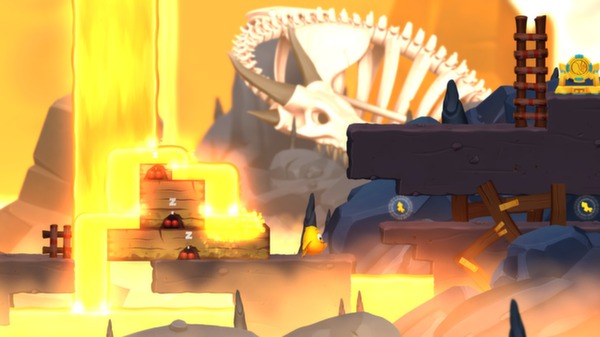 説明書のない島に放り出される(Steam スクリーンショット)
メカニクスの言語化
positive レビューが最も繰り返すのは、操作の少なさだ。できることは左右移動と、口笛、地団駄の三つしかない。Puzzlebyrinth の語彙でいえば、動詞は徹底的に減算されている。だが動詞が少ないぶん、文法を担うのは生き物たちだ。カエルは紫の小動物を食べて泡を作り、その泡が足場になる。鳥はプレイヤーを掴んで運ぶ。口笛で寄せ、地団駄で散らす——二つの動詞が、生き物の習性表という大きな文法に接続している。
『これだけ少ない仕掛けで、ここまで作れるのか』という驚きは、helpful 上位の推薦文に共通する。ストアの惹句『知識こそ最強の力』を、レビュアーは『新しい能力ではなく、生き物の組み合わせ方を覚えることで前へ進む』と言い換える。組み合わせ爆発を、プレイヤーの装備ではなく知識の側で起こす——これが Metroidbrainia の核だと、私は読む。
ところが negative 側は、同じ構造を逆から見る。『新しい能力を一つも手に入れないのに、なぜメトロイドヴァニアを名乗るのか』という不満だ。これは誤読ではなく、鋭い指摘でもある。本作で増えるのは動詞ではなく、生き物の挙動をどこまで見抜けるかという観察解像度のほうだ。アップグレードが目に見える装備ではなくプレイヤーの頭の中で起きる以上、『何も手に入らない』と感じる人が出るのは、設計が選んだ代償である。Outer Wilds や A Monster's Expedition と同じ棚——知識で進む設計——に本作が並ぶ理由でもある。
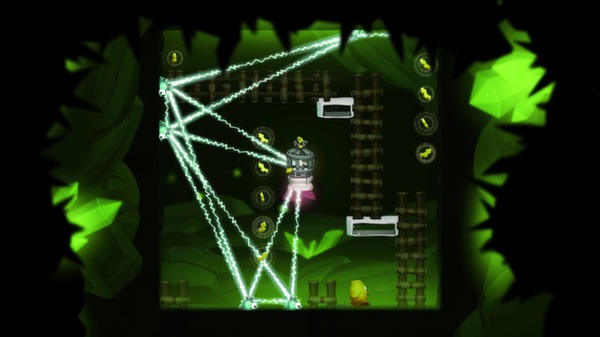 生き物の習性が文法になる(Steam スクリーンショット)
学習曲線の設計
本作に文字のチュートリアルは一切ない。代わりに島そのものが教師になる。安全な序盤で、ある生き物の挙動を一度だけ見せ、次の部屋でそれを使わせる。レビュアーが『organically taught(自然に教わった)』『気づいたら理解していた』と書くのは、この環境提示型の学習設計のことだ。明示的に教えず、観察から帰納させる。
positive レビューには、ひとつの弧が繰り返し現れる。『最初の数分でピンとこず、一度やめた。でも戻ってきたら、これが傑作だった』。直近のレビューでも『チャンスを与えるのは骨が折れたが、今では一番好きなパズルゲームだ』という転向の語りが見られる。学習曲線が、序盤に浅い谷を掘っているのだ。
私の見立てでは、この谷が賛否の最初の分水嶺だ。世界を教師にする設計は、いったん文法が体に入れば指数的に楽しくなる一方、入る前に手を離した人には『ただ歩いて口笛を吹くだけの退屈なゲーム』に見えてしまう。Mark Brown が『最も大胆で巧妙にデザインされたパズルゲームの一つ』と評したのは、この谷を越えた側からの言葉だ。教えないという選択は、誰に向け、誰を線の外に置くかという射程の設定でもある。
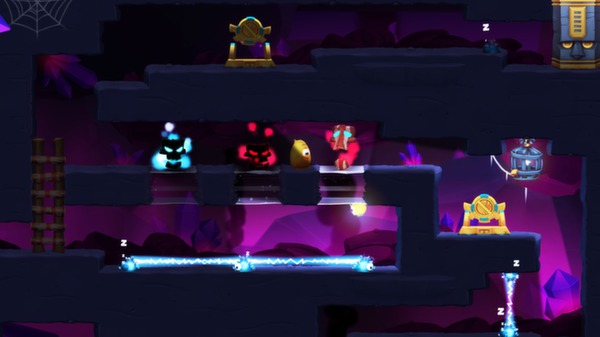 島そのものが教師になる(Steam スクリーンショット)
難しさの手触り
賛否が最も激しく割れるのは難しさの『質』だが、レビューを読み分けると、詰まりどころはパズルの論理そのものではない。論理は『程よい』『見事だ』と概ね好評だ。不満が集中するのは、その手前——島が広く、移動が遅く、解いた手応えにたどり着くまでの距離が長い、という尺と動線の問題である。
negative 側が具体的に挙げるのは、のろい移動速度、こまめに戻される進行、分かりにくいマップとチェックポイント、見逃すと再周回が要る収集物、そして『一つのキーに複数の鳴き声が割り当てられていて、必要な口笛を物理的に出せない』という操作の引っかかりだ。positive 側はこれらを認めたうえで、『発見の対価』として飲み込んでいる。同じ摩擦を、一方は雑音と呼び、他方は探索の手応えと呼ぶ。
つまりこれは難しさの量ではなく種類の問題だ。本作の負荷は、目の前の一手を読む推理よりも、広い島の状態を頭の中に保ち続ける記憶と移動コストのほうにある。Baba Is You のような一画面の論理パズルとは、難しさの所在がそもそも違う。学習曲線はなだらかに上がるのではなく、世界の広がりとともに段差を作る。Steam の不評の多くは『論理が難しすぎる』ではなく『たどり着くのが面倒だ』なのだと、私は読む。
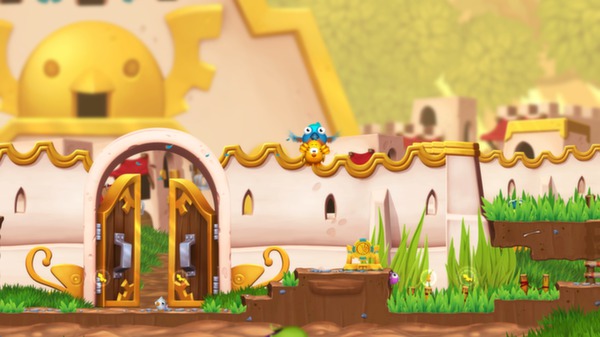 広い島を頭の中に保ち続ける(Steam スクリーンショット)
参照したレビュー群
本記事は 2026-06-19 時点での Steam ストアページのユーザーレビュー群(英語)を読んで書いた。レビュー本文の直接引用はせず、典型的な主張を再構成している。
・Steam: Toki Tori 2+(非常に好評 / Very Positive、741 件中 87% が好評)
・helpful 順の positive 上位 10 件、negative 側の代表的な不満 10 件強、recent 上位の数件を読了
・(専門メディア)Game Maker's Toolkit(Mark Brown)による紹介 を参照
結論
Steam の総評は87%好評。私の設計批評としての採点は8.5だ。Steam の数字よりやや高い。理由は、少ない動詞から知識で組み合わせ爆発を起こすこの設計が、パズルゲームの構造として例外的に純度が高いからだ。減点は、その純度を味わうまでの移動コストと序盤の谷、そして操作系の小さな引っかかりにある。
レビュー群が示す助言ははっきりしている。前作 Toki Tori の続きを期待する人には向かない。区切られた面を快適に解きたい人にも射程の外だ。逆に、説明書なしで世界の文法を自分で組み上げる体験を求める人——『up there with The Witness』と書いたレビュアーが期待したもの——には、十年経っても色褪せない一本だと言える。本作の価値は、何を期待して島に降り立つかでほぼ決まる。賛否がきれいに割れること自体が、その射程を教えてくれている。
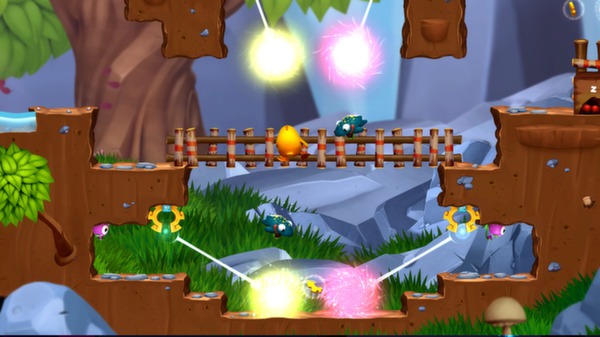 十年経っても色褪せない設計(Steam スクリーンショット)
このゲーム、あなたは?
押すと「あなたの棚」に入ります(アカウントのページで見られます)。
リアクション(ログイン不要)
匿名で残せます • 同じリアクションは1日1回まで
次に読む

関連レビュー
Toki Tori
面ごとにあらかじめ決められた道具だけを使い、閉じ込められたタマゴをすべて拾って帰る2Dの思考型パズル。足場を作る、橋を架ける、敵を凍らせる——どの道具が何個あるかが、そのまま解法の形を教えてくれる。オランダの Two Tribes が2001年のゲームボーイカラー版を作り直した一作。
Teslagrad
青と赤の極性を切り替え、同極反発・異極吸引と電磁バリアのブリンクだけを頼りに、打ち捨てられたテスラ塔を登る手描きの2Dパズル・プラットフォーマー。台詞もテキストもなく、物語は壁画と背景だけで語られる。ノルウェーの Rain Games による一作。
Tetrobot and Co.
極小の修理ロボット Psychobot を操り、ブロックを吸い込んでは吐き出して、故障した巨大ロボットの体内を直していくグリッド式の思考パズル。木・砂・石という素材ごとの性質と、同じ素材どうししかくっつかないという規則だけで五十面あまりを組み上げた、Swing Swing Submarine の一作。