TAG
#path-puzzle
0 reviews · 2 essays
Related essays
The Seven Bridges of Königsberg (1736) — The Year Euler Erased the Map to Solve a Sunday Puzzle
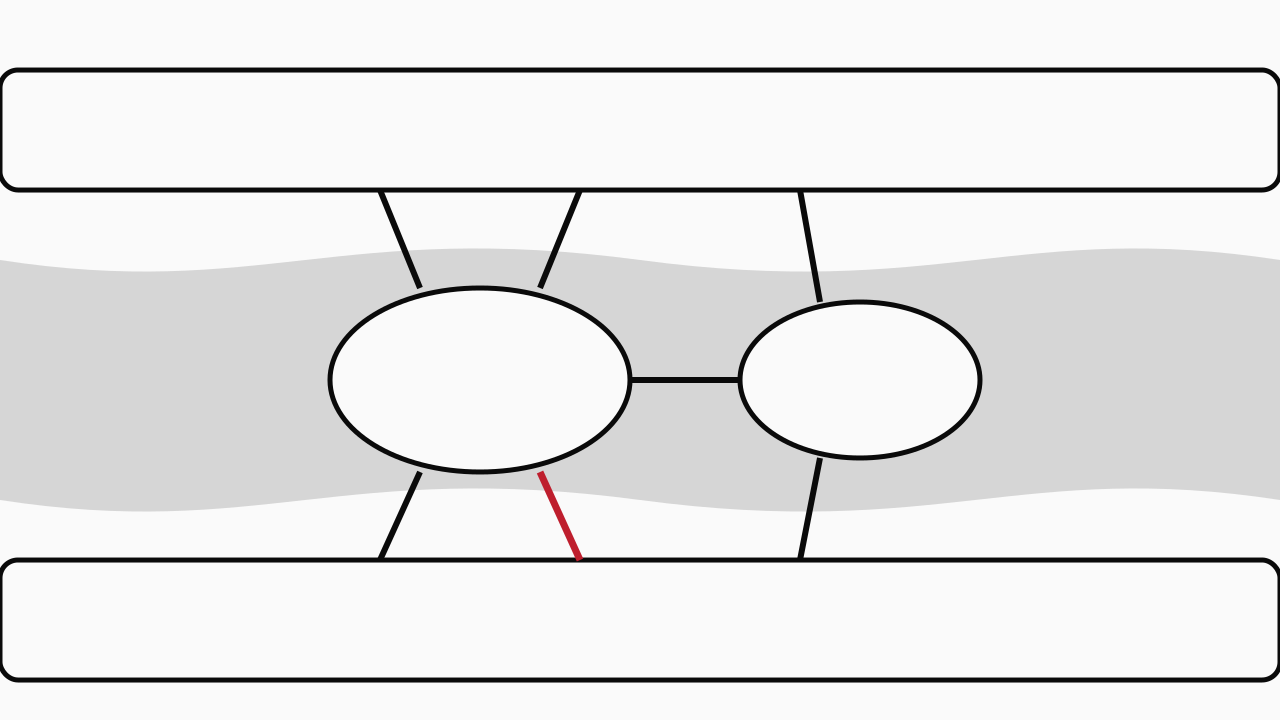
The answer is simple. In 1736, the mathematician Leonhard Euler proved that no walk existed that crossed all seven bridges of the Prussian town of Königsberg exactly once and returned to its start. The town's four landmasses were connected by 5, 3, 3, and 3 bridges respectively — all odd numbers. His paper, "Solutio problematis ad geometriam situs pertinentis," was presented on August 26, 1735, and published in 1741. By reducing landmasses to points and bridges to lines, Euler founded what became graph theory — the same logic taught in schools today as the rule for "one-stroke" drawing puzzles. This article traces how that 290-year-old proof still shapes the design of today's routing puzzle games, from Cosmic Express to Lyne to Mini Metro.
Numberlink (1897) — From a Newspaper Puzzle Column to the Age of Flow Free and Zip
In 1897, puzzle-maker Sam Loyd printed 'The Puzzled Neighbors' in the Brooklyn Daily Eagle. In 1917, Henry Ernest Dudeney refined it into a motorist's puzzle in his own book; in the 1980s, Nikoli gave it a home in Japan as Arukone and Numberlink. In 2012, Big Duck Games' Flow Free turned it into colored dots and pipes and passed 100 million downloads; by 2025, the lineage reaches LinkedIn's daily puzzle Zip. This essay traces how a 120-plus-year-old rule — draw a single line without crossing — has survived.