BLOG · 2026-09-08
Muramasa: The Demon Blade (2009) — every review praised the art, and the studio ran out of money making it
Today Is Release Day #51 — September 8, 2009 in North America (Japan got it on April 9 the same year)
Released September 8, 2009 in North America — Japan had it on April 9 that year
Hello, this is Toki. Episode 51 of “Today Is Release Day.” Today’s game could fill a whole article with nothing but talk about its pictures. From the thumbnail of “Muramasa: The Demon Blade Nintendo Wii Trailer - Demon” (IGN, YouTube)
Muramasa: The Demon Blade. Developed by Vanillaware, published in Japan by Marvelous Entertainment (now Marvelous) and in North America by Ignition Entertainment. The platform was the Wii.
It came out in Japan on April 9, 2009, and in North America on September 8 of the same year. Today, September 8, 2026, the North American version turns exactly seventeen.
It is a side-view action role-playing game set in Japan’s Genroku era. George Kamitani directed and wrote it; Hitoshi Sakimoto led the music.
And above all, every last part of the screen is drawn by hand.
Sixteen people drew it — more than half the studio
Sixteen people made this game. That was more than half of Vanillaware’s staff.
The Wii was chosen because its specifications were fairly close to the PlayStation 2. High-resolution 3D was what home consoles were for at the time; this studio walked the other way.
It was first shown at the 2007 Tokyo Game Show, then under the title Oboro Muramasa Yōtōden.
Production stayed hard to the end. The team was exhausted, so debugging was handed to an outside company. By the time the game shipped, the studio’s funds had been drained.
The beauty on screen did not come out of comfort.
A hundred and eight blades — and they break if you swing them too much
There are two protagonists. One is Momohime, a woman possessed by the spirit of a vengeful rōnin. The other is Kisuke, an amnesiac ninja on the run for a crime he cannot remember.
There are 108 blades to collect. You forge them, gather them, and switch between them.
Each blade carries a Soul Power gauge that drains when you block or use its Secret Art. Empty it and the sword breaks, and its offensive power drops sharply. You cannot lean on a single favourite.
You can also cook with materials picked up while exploring. A meal grants a temporary boost, but a fullness meter caps how much a character can eat.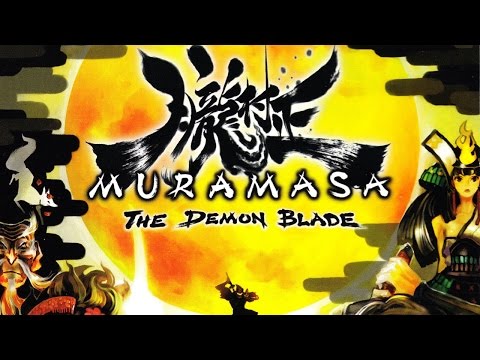 From the thumbnail of “Muramasa: The Demon Blade (Wii) Trailer” (Nintendo Life, YouTube)
Those food pictures became a talking point at the time. Soba, sushi, tempura, sweets — drawn down to the steam, and famous for making players hungry. What fans later nicknamed “Vanilla food” was already finished here.
An average of 81 — and the praise all pointed at the same thing
On Metacritic the Wii version averaged 81 across 58 reviews. Famitsu gave it 34 out of 40.
IGN’s Mark Bozon scored it 8.9. GameSpot’s Tom McShea gave it 7.5, praising the visuals, the boss fights and the collectable swords, while noting there was little to do outside of combat.
Eurogamer’s Keza MacDonald gave it 7: “like many beautiful things, Muramasa: The Demon Blade is a little lacking in substance.” Famitsu called the battle system absorbing, but complained about the lack of variety between the two characters and a story with no proper climax.
On the art, in other words, nearly everyone agreed. It was everything after the art that split them.
The sales are worth recording too. In Japan it debuted at #2 with 29,000 copies, reaching 47,000 by November. In North America it sold 35,000 in its first month. In a 2010 interview Marvelous said reception had been good but sales were low, pointing to the unusual style of play and the Wii’s fading momentum.
On June 9, 2026 a follow-up was announced, due in early 2027
And then there is this year. At the Nintendo Direct of June 9, 2026, Muramasa: Revenant Blades was announced. It is planned for a simultaneous worldwide release in early 2027 on Nintendo Switch 2, Nintendo Switch, PlayStation 5 and Steam.
It combines the Wii game with Genroku Legends, the extra chapters released for the PlayStation Vita version, and rebuilds the art and the swordplay. There will be six playable characters.
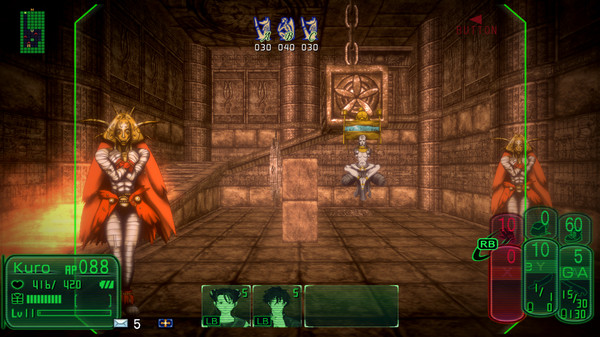
Vanillaware develops, Marvelous publishes — the same pairing as seventeen years ago. From a screenshot on the Steam store page for Muramasa: Revenant Blades (planned for early 2027)
Pictures drawn by hand until the money ran out are being drawn again on new machines. Some games survive that way.
Let the record show: 2009
2009. An article never feels finished to me until the year is written down. The North American release was September 8, 2009 — exactly seventeen years ago today, September 8, 2026. In Japan it was April 9 of that year.
The pictures sixteen people drew by hand have not aged in seventeen years. Work that was carried on until the money ran out tends to last in exactly this way.
Is there a game you remember for its pictures before you remember playing it?
Reactions (no login)
Anonymous • one of each per visitor per day
Read next
Comments (no login)
No comments yet. Be the first to say something.