REVIEW · 2020-01-15
Lightmatter
光の中だけが安全な、影が牙を剥く一人称パズル
第一印象
私は「Lightmatter」を、自分のプレイ記録としてではなく、Steam のユーザーレビュー群を読む立場で扱う。Tunnel Vision Games が開発し Aspyr が2020年に配信したこの一人称パズルは、2026-06-29 時点で評価ラベルが『非常に好評(Very Positive)』、Steam 購入者 679 件のうち 93% が、非購入者を含む全 2,894 件で見ても約 91% が好評という安定した数字を持つ。一方、批評家集計(Metacritic)は 73 と、ユーザーよりやや控えめだ。
helpful 上位の positive レビューを並べると、褒め言葉は三つの語に収束する。『影に触れると死ぬ』という一行で伝わる明快さ、ランプとパイロンだけで成立する『見た目以上に賢い』パズル、そして CEO ヴァージルを演じる声優(Agent 47 役の David Bateson)への称賛だ。多くが『こんなパズルは遊んだことがない』と書く。一方、留保付きの positive と negative が繰り返すのは『短い(2〜3時間)』『定価では割高、セールで買え』、そして『Portal の影から出られていない』という不満に尽きる。
興味深いのは、ここでも好評と不評がしばしば同じ要素を指していることだ。『Portal への愛にあふれている』と微笑む人の隣で、別の人が『Portal の模倣でしかない』と書く。私の仕事はその食い違いを対立として煽ることではなく、どこで評価が分岐し、それが誰に向けた設計なのかという射程の問題として読み直すことにある。
 光の届かない施設からの脱出(Steam スクリーンショット)
メカニクスの言語化
positive がほぼ全員言及するのが『影に触れると即死、光の中だけが安全』という一行の規則だ。プレイヤーが持つ動詞は実質ひとつ——光を置く、あるいは反らす。道具は二つしかない。床に置いて運ぶ可搬式のランプと、光源を見通せる位置にある限りビームを中継するパイロン(photon connector)だ。天井のファンやベルトコンベアが落とす影が刃物に変わり、それをどう避けるかが盤面になる。これは『床は溶岩』を光と影に翻訳した、いわば反転した安全地帯の文法だ。
レビュアーが口を揃えて挙げる攻略のコツは『逆算しろ』だ。最終的にどこを光で満たしたいかを先に決め、そこから光源の置き方をさかのぼる。これは Puzzlebyrinth でいう手順の『文法』そのもので、少ない道具から解の像を逆向きに引き出す作業に等しい。ランプとパイロンという二つの動詞が交差し始めると、限られた要素から『組み合わせ爆発』が生まれる。少ない動詞が深さに化ける、という一人称パズルの王道を踏んでいる。
光・影・ビームという主役は、The Turing Test や The Entropy Centre と同じく、一室一室を独立した実験室として組み上げる系譜に属する。物理オブジェクトがほとんど動かない(レビューが指摘する『physics が無い』点)のは欠落ではなく、光の挙動を予測可能に保つための減算だと私は読む。動くものを減らせば減らすほど、プレイヤーの観察は光の輪郭だけに集中できる。
 ランプとパイロンで影を退ける(Steam スクリーンショット)
系譜と位置づけ
このゲームを語るレビューで、Portal の名が出てこないものは存在しないと言っていい。store ページ自身が『一人称パズルへのラブレター』を掲げ、ゲーム内には Aperture やケーキへの目配せが散りばめられている。positive はこれを『愛がある』『元ネタを知っていると嬉しい』と歓迎し、negative は『REMEMBER PORTAL? と連呼されているようだ』『最も輝かしい先達の影から出られない』と書く。Slant 誌の評は、影を題材にした作品が先達の影に飲まれている、と皮肉まじりにこの不満を突いている。
私はこれを優劣ではなく位置づけの問題として読む。Lightmatter の独自性は、ヴァージルの語りや物語ではなく、光と影という一組の動詞にこそある。レビュアーが『こんなパズルは初めてだ』と言うとき、彼らが指しているのは Portal 由来の枠ではなく、その枠の中に新しく注がれた動詞のほうだ。借り物の容れ物に、自前の中身を入れた——その配合をどう数えるかで、同じ作品が『愛』にも『模倣』にも見える。
系譜をたどりたい人には、知覚そのものを動詞にした Superliminal や、観察の解像度を主役にした The Witness が隣の部屋になる。Lightmatter は両者ほど枠組みを発明してはいないが、既存の枠で『光を置く』という一手を磨き上げた佳作だ。発明と洗練は別の評価軸であり、レビューが割れるのは多くの場合、この二つを同じ物差しで測ろうとするときである。
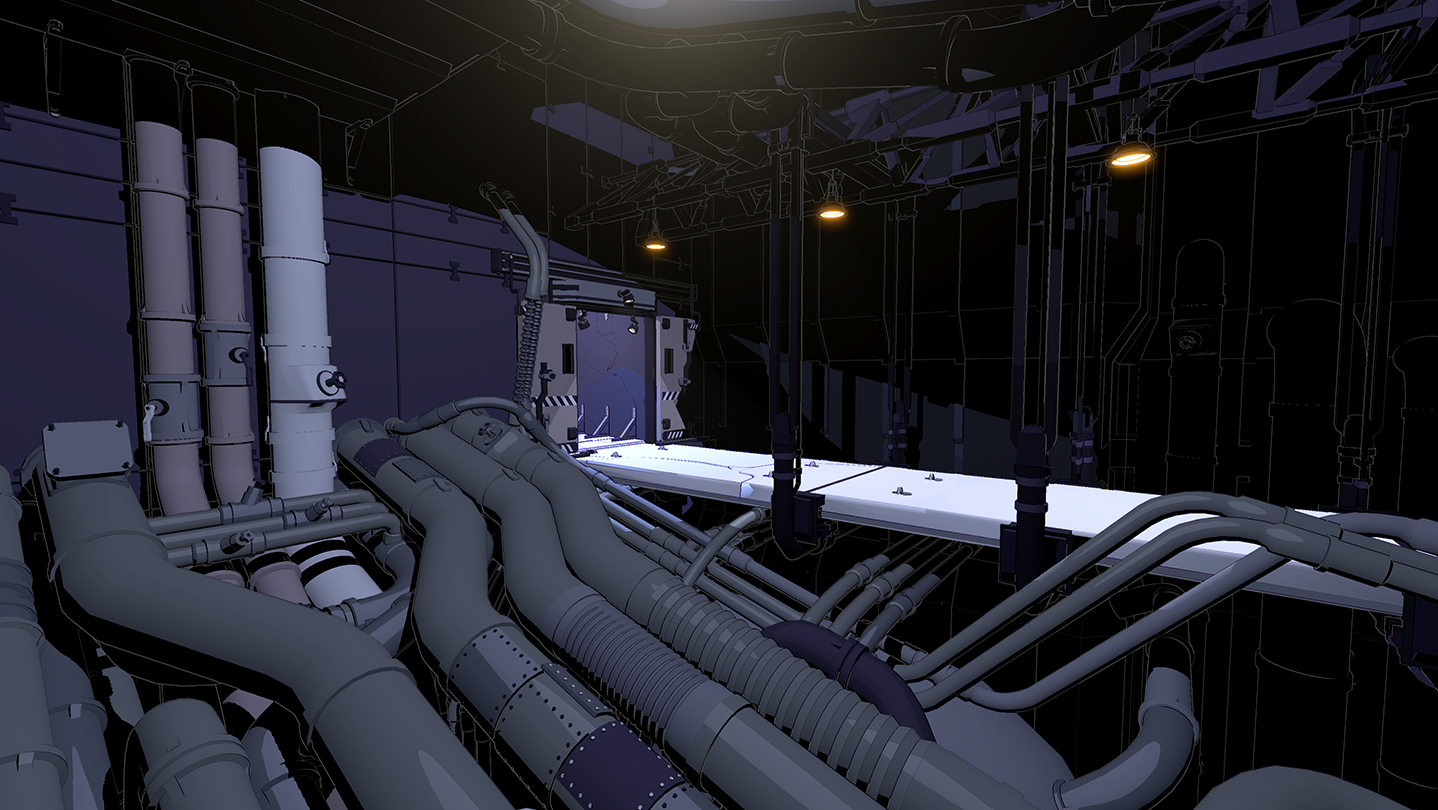 セルシェードの抑えた色調(Steam スクリーンショット)
物語の手触り
パズルと並んでレビューの主役になっているのが、施設の CEO ヴァージルの語りだ。Agent 47 役で知られる David Bateson の声を、positive は『この作品の白眉』『悪役の風格がある』と評する。プレイヤーは記憶を失った素性不明の人物として、影に侵された施設をヴァージルの皮肉な指示に従って脱出していく。多くのレビュアーが、コミカルな毒舌から終盤の不穏さへ移っていく声の演技を、長所の筆頭に挙げる。
一方で『GLaDOS の焼き直し』『物語が時系列順でなく分かりにくい』という不満も繰り返される。終盤、主人公の正体が二転三転し、脱出から施設の停止へと目的がすり替わる構成を、negative は『動機が曖昧で、結局パズルを解くための器でしかない』と読む。実際、ある helpful レビューは、終盤が緊張を煽ろうとして空回りし、死んでも淡々と復帰するだけだと書いている。
私はヴァージルの語りを、物語であると同時に『教える層』として読む。彼の軽口は次の部屋で使う道具をそれとなく予告し、詰まったときの観察解像度を上げる誘導になっている。物語の厚みを期待すると薄く感じられ、パズルの伴走者と捉えれば過不足ない——ここでも評価の分岐は、何を本体と数えるかの差に帰着する。
 ヴァージルの皮肉な語りが施設を案内する(Steam スクリーンショット)
難しさの手触り
『難しさ』は、この作品で評価が割れるもう一つの軸だ。一方には『丁寧に易しさを積み上げる』『程よく頭をひねらせる』と書く人がいて、TechRaptor のように『Aha の瞬間が見事だ』と評する声もある。他方、Slant 誌は『本当の Aha が少なく、難しさが中途半端な場所で止まり、プレイヤーを試す前に終わる』と書く。同じ難しさが、ある人には『程よい』、ある人には『物足りない』と映る。
レビュアーがどこで手間取ったかを集めると、難しさは質的に分かれる。前半はランプだけ、後半はパイロンだけを教え、両方を組み合わせるのは最終盤というこの構成を、複数のレビューが『奇妙な分割』と呼ぶ。道具を一つずつ教える学習曲線は丁寧だが、二つの動詞を掛け合わせる『組み合わせ爆発』を最後まで温存してしまう。難所の多くは、この合流が遅れたぶん終盤に偏っている。
そしてほぼ全員が触れるのが、最終ステージが突然パズルから parkour 的なプラットフォーマーに変わる点だ。『良い気分転換だった』と楽しむ人と、『場違いで噛み合わない』と落胆する人に、評価はきれいに割れる。難しさの質がパズルの読みから操作の精度へ移るためで、これは欠陥というより、作家が幕引きに別種の緊張を選んだ結果だろう。誰に向くかという射程の問題として読むのが妥当だ。
 終盤は光と影を掛け合わせる(Steam スクリーンショット)
参照したレビュー群
本記事は 2026-06-29 時点での Steam ストアページのユーザーレビュー群を読んで書いた。レビュー本文の直接引用はせず、典型的な主張を再構成している。
・Steam: Lightmatter(非常に好評 / Very Positive、Steam 購入者 679 件中 93% が好評、全 2,894 件で約 91%、直近30日は 18 件中 94%)
・helpful 順の positive 上位と、留保付き positive・negative 寄りの代表的な不満、recent 数件を WebFetch で読了
・(参考)批評家側の論調は Slant Magazine や TechRaptor の個別評で、集計は Metacritic(73)で裏取りした
結論
Steam の overall は 93%(Steam 購入者 679 件、2026-06-29 snapshot)、批評家集計は 73。私は設計の観点から 7.5 点を付ける。ユーザーの温度より控えめなのは、レビューでも繰り返される短さと、Portal からの距離の近さ、二つの動詞の合流が遅い構成を加味したからで、光を置くという中心の一手の出来への留保ではない。
Lightmatter は、既存の枠を発明し直す作品ではない。だが『光と影』という一組の動詞を、見た目以上に賢い盤面へ磨き上げた佳作であることは、レビューの数字がよく示している。一人称パズルの伴走者としてヴァージルの声を楽しめる人、逆算の快感を短く濃く味わいたい人には『短いが切れ味がいい』と映り、発明そのものを求める人には『よくできた模倣』に映るだろう。
光を反らして道を作る手つきに惹かれたなら、The Witness や The Entropy Centre が隣の部屋だ。最初の1時間は無料体験版で確かめられるので、レビュアーの多数派にならい、定価ではなくセールを待って光に踏み込む判断は理にかなっている。
 Tunnel Vision Games が配信する2020年の一人称パズル(Steam スクリーンショット)
このゲーム、あなたは?
押すと「あなたの棚」に入ります(アカウントのページで見られます)。
リアクション(ログイン不要)
匿名で残せます • 同じリアクションは1日1回まで
次に読む
関連レビュー
SUPERHOT: MIND CONTROL DELETE
自分が動いたときだけ時間が進む一人称アクションパズル『SUPERHOT』の続編。手で組まれた一面ずつのステージをやめ、ランダムに配られた部屋を連戦する形式にして、能力を選んで強くしていく仕組みを載せた。SUPERHOT Team による三作目。
Observation
損傷した宇宙ステーションの AI「SAM」となり、カメラを切り替え球状ドローンで船内を漂いながら、消えた乗員とステーション自身に何が起きたのかを探る一人称ミステリー。船に乗るのではなく、船そのものとして観察する。No Code(『Stories Untold』)の一作。
Murder by Numbers
1996年のロサンゼルスを舞台に、女優オーナーと廃棄ロボットSCOUTがピクロス(お絵かきロジック)を解いて手がかりを集め、証人に突きつけて殺人事件を追う2Dのビジュアルノベル×パズル。『逆転裁判』の作曲家 Masakazu Sugimori と『はーとふる彼氏』の Hato Moa が参加した、The Irregular Corporation 発行の一作。