TAG
#hci
0 篇评论 · 4 篇随笔
相关随笔
Ahmetovic et al.: Handing half your controller to someone else — Fukai Reads
A study from the University of Milan on how people with upper-limb impairments operate games. The authors built GamePals, a framework that splits control in off-the-shelf titles, and had 13 participants play Rocket League with a human copilot and with a software copilot. Seven said they could not have played without support, while participants also mistook the copilot's actions for their own.
Byers et al.: Who Is Player Time Designed For? — Fukai Reads
A peer-reviewed CHI 2026 paper (Best Paper Honourable Mention) by Thomas Byers, Martin Gibbs and Bjorn Nansen. Twenty hour-long interviews with AAA, indie, mobile and live-service developers produce a grounded account of how the time-shaped parts of a game get decided inside a studio: undocumented intuition, metrics spanning seconds to months, and design that works backwards from a number. The authors close with four heuristics — and they land squarely on anyone shipping a daily puzzle.
Geheeb et al.: Let an LLM Poke at Your Game Design Pillars — Fukai Reads
A paper on game design pillars and LLMs by Julian Geheeb and colleagues at the Technical University of Munich. Pillars are heavily used in industry but almost unexamined academically; the paper gives them a formal definition and quality criteria, then hands structural checking, contradiction detection and feature evaluation to an LLM in a prototype called SPINE. A 42-hour game jam and interviews with four developers produce a consistent picture: useful at the moment of putting a pillar into words, thinning with each rewrite iteration, and unable to recognise deliberate juxtaposition when flagging contradictions. Peer-reviewed at FDG '26.
Luo et al.:AI“如何提供帮助”与帮助的内容同样有效——Fukai 解读
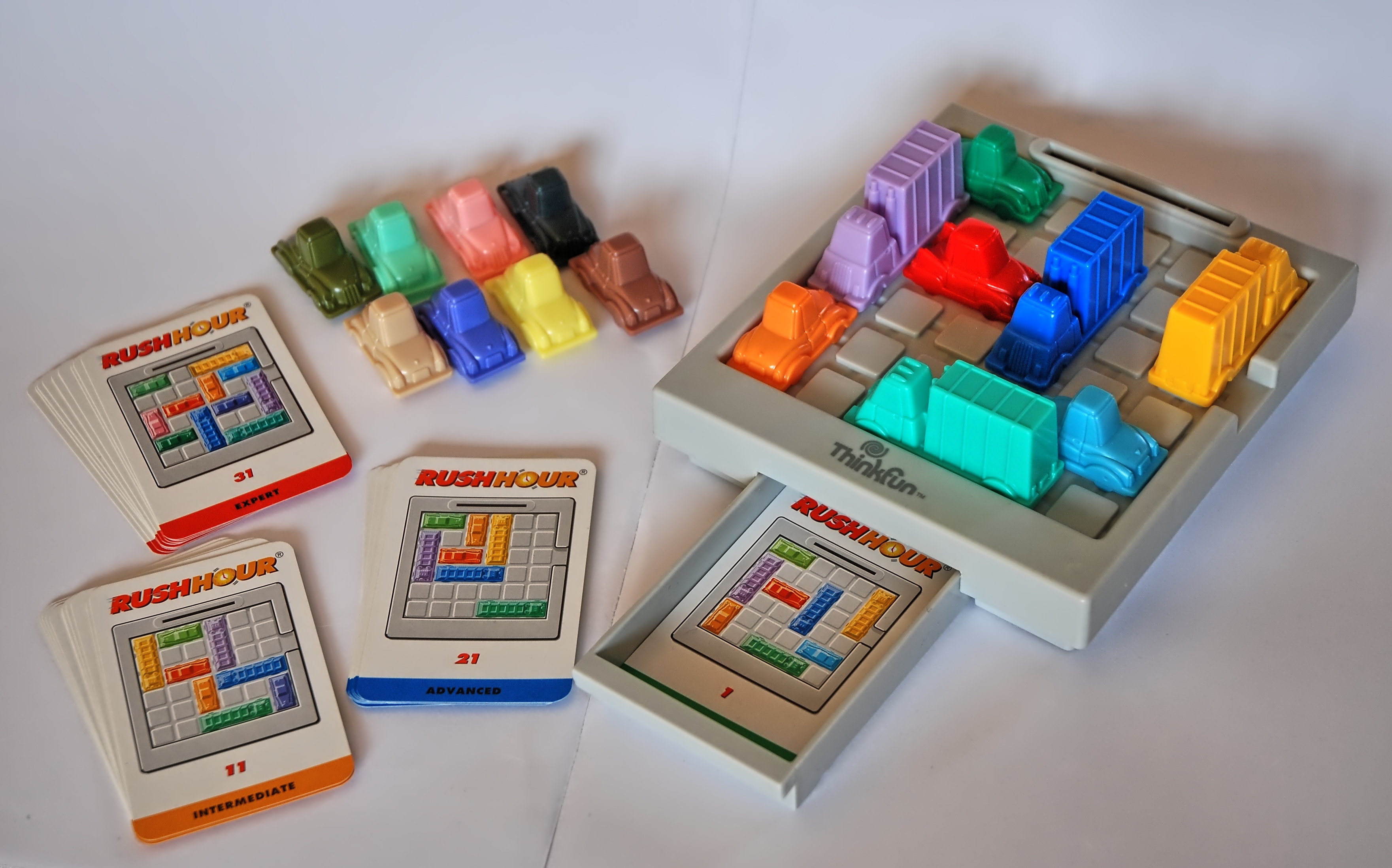
这是 UC Santa Barbara 的 Luo 等人关于混合主导型 AI“如何提供帮助”的论文。研究以 Rush Hour 谜题为题材,比较了按按钮请求的按需式帮助,与在无操作时间后自动触发的计时器式帮助,结果显示两者成绩几乎相同,但计时器型的做法却让被试对 AI 给出更高评价。论文已被 IUI '26 收录。