TAG
#super-famicom
0 reviews · 6 essays
Related essays
Libble Rabble (1994) - to bring a two-stick game home, the box came with a second D-pad
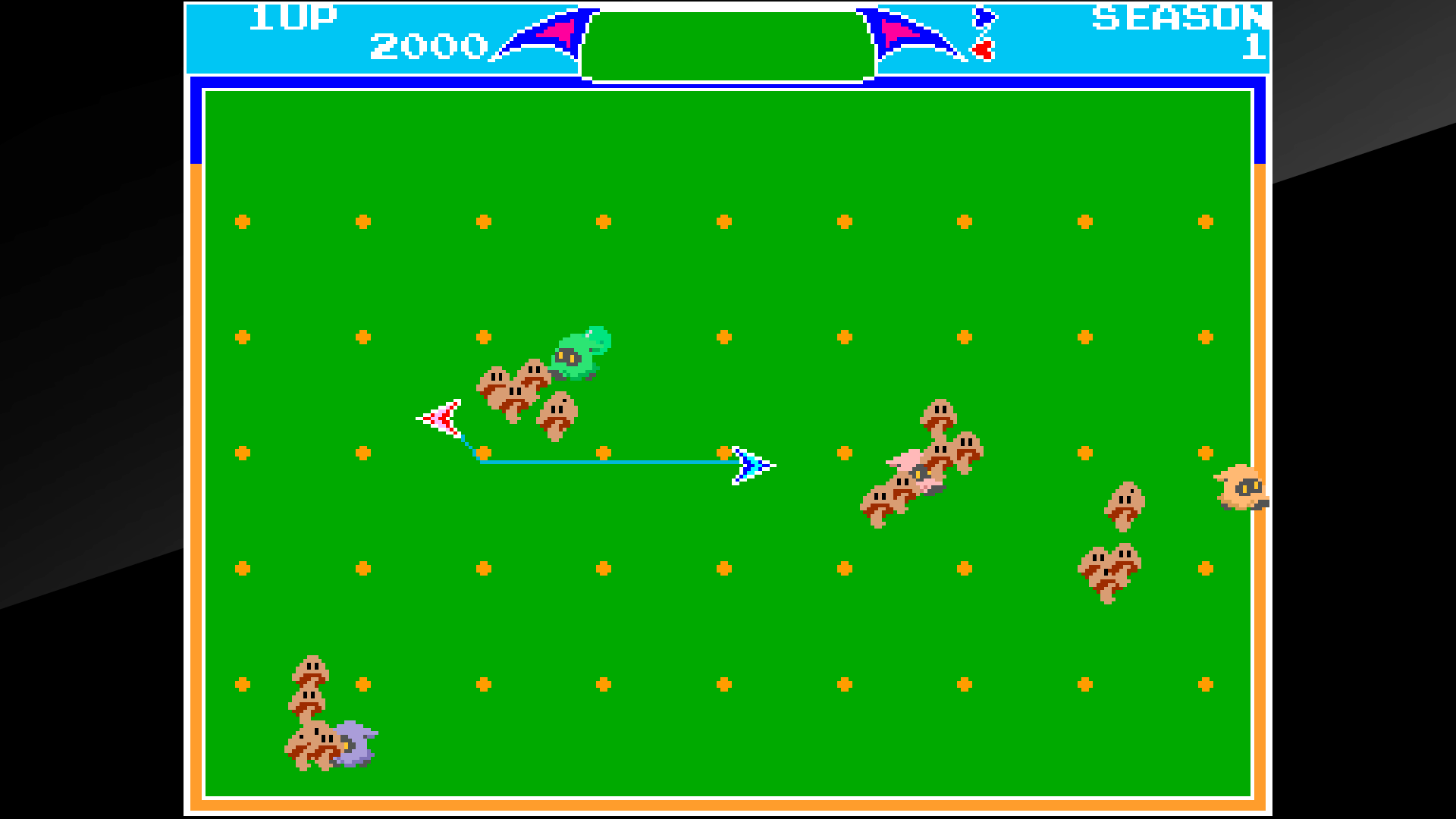
Episode 63 of "Today Is Release Day": Libble Rabble, which Namco released for the Super Famicom on September 22, 1994. You move two arrows and fence enemies in with the line strung between them. It began as a 1983 arcade game planned by Toru Iwatani, the creator of Pac-Man. To recreate its twin eight-way sticks at home, the box included a plastic D-pad cover that sat on top of the ABXY buttons. Here are its arcade numbers, the sentence that kept it out of North America, and its return in 2021.
Kirby Bowl (1994) - a golf game whose hero was swapped in late, while the original version only ever aired on Japanese satellite radio
Episode 62 of "Today Is Release Day": Kirby Bowl, released by Nintendo for the Super Famicom on September 21, 1994 - something between golf and billiards. It began as a different game called Special Tee Shot, whose hero was a red ball with eyes. In 1992 it reached magazine previews and even retail announcements in North America, then never shipped; two years later Kirby was dropped into it and out it went. Famitsu's Cross Review gave it 28 out of 40. The original project finally surfaced in 1996, broadcast only over Japan's Satellaview. Today the game turns 32.
Torneko no Daibouken: Fushigi no Dungeon (1993) — the RPG that sends you back to level 1, re-released almost unchanged in its 33rd year
Episode 60 of "Today Is Release Day": Torneko no Daibouken: Fushigi no Dungeon, released by Chunsoft for the Super Famicom on September 19, 1993 — the starting point for roguelikes on Japanese home consoles. Its tagline was "an RPG you can play 1,000 times." The dungeon is rebuilt every time you enter, and when you fall you go back to level 1 and lose everything you carried. Famitsu's Cross Review gave it 32 out of 40, a Gold Hall of Fame score. Then, on September 9, 2026, a remaster shipped with no advance notice — ten days before the 33rd anniversary.
Clock Tower (1995) — the horror game that hands you no weapon and sets a man with shears loose behind you
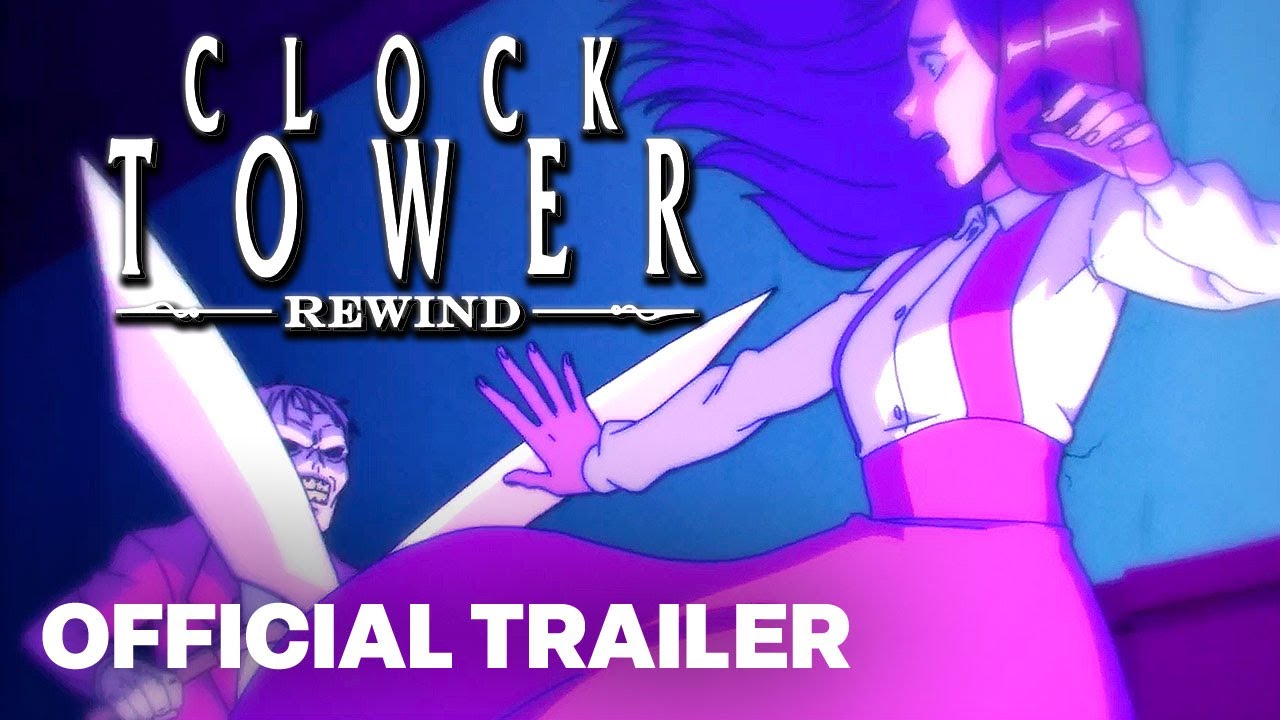
Episode 55 of “Today Is Release Day”: Clock Tower. Human released it on the Super Famicom on September 14, 1995 — thirty-one years ago today. Your heroine cannot fight. She can only run and hide. Famitsu's review panel gave it 31 out of 40 and a Silver Hall of Fame award.
Final Fantasy USA: Mystic Quest (1993) — the Final Fantasy built for American beginners, then shipped back to Japan with “USA” in its name
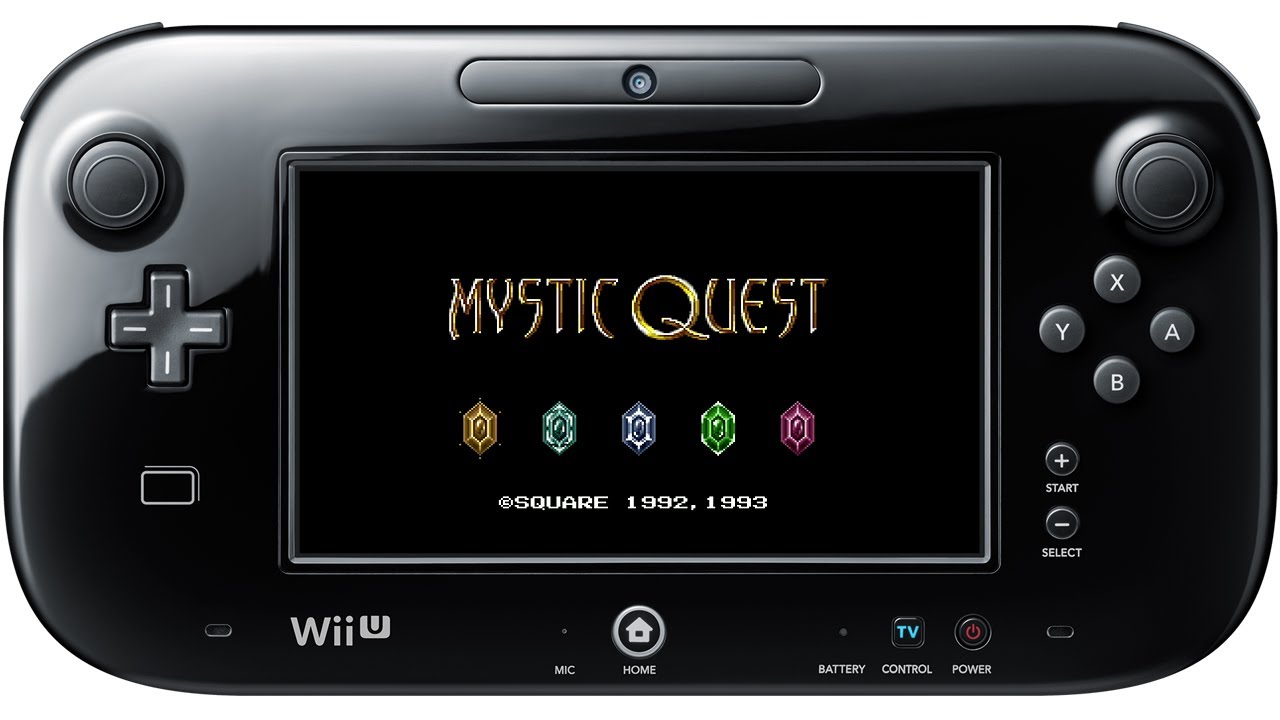
Episode 53 of “Today Is Release Day”: Final Fantasy USA: Mystic Quest. It reached Japan on September 10, 1993 — exactly thirty-three years ago today. Square had built it in Osaka for North American beginners, and it came home eleven months later with the word “USA” on the box. Famitsu's four reviewers gave it 7, 6, 6 and 4. Even the harshest write-ups praised the music.
Panel de Pon (1995) — The Name Was Taken Away Again and Again, But the Grammar of Play Survived
On October 27, 1995, Nintendo and Intelligent Systems released Panel de Pon for the Super Famicom: a competitive puzzle where a bracket cursor swaps two adjacent panels to line up three or more of the same color. It was produced by Gunpei Yokoi. The Western release, retitled Tetris Attack, replaced fairy protagonist Lip with Yoshi's art, erasing her from the West. Over the following three decades the design survived under Pokémon branding, the official Puzzle League line, and Nintendo first-party content — and in December 2025 a free Steam release called Panel Attack openly describes itself as being in the "Panel de Pon / Tetris Attack style." A record of one work whose name kept being taken away, while only the grammar of its play survived.