REVIEW · 2020-12-08
Call of the Sea
物語か、歩く風景か——賛否を分ける Myst 系探索パズルを読む
はじめに
1930年代の南太平洋。ノラという女性が、失踪した夫ハリーの探検隊を追って、現地の人々が恐れる未知の島に上陸する。島に残された日記・装置・碑文を観察し、夫が追っていた謎——ノラ自身を蝕む奇病の正体——を解いていく一人称アドベンチャーパズルだ。スペインの Out of the Blue が制作、Raw Fury が発売し、2020年12月8日に登場した。Myst の系譜に連なる、ラヴクラフト風の探索作品である。
私はこの記事を、Steam に積み上がったユーザーレビュー群を読んで書く。評価は約6,000件のレビューのうちおよそ87%が好評、ラベルは『非常に好評(Very Positive)』だ(2026-06-28 snapshot、集計元により件数は前後する)。一見すると満場一致に近い数字に見える。だが好評の束をほどくと、賛辞と不満が同じ要素を裏表から指している作品であることがわかる。
レビュー群を貫く対立軸は一つ——『これはパズルゲームなのか、それとも美しい風景の中を歩く物語なのか』だ。多くのレビュアーが Myst や The Witness、そして walking simulator(歩くシミュレーター)という語を引き合いに出す。その綱引きの中で、人によって評価が割れていく。本記事は、その割れ目を設計の言葉に翻訳していく。
 Call of the Sea(Steam スクリーンショット)
第一印象
helpful 上位の推薦レビューを並べると、語彙はよく似ている。gorgeous(美しい)、atmospheric(雰囲気がある)、immersive(没入できる)、そして何より story(物語)だ。多くが『パズルゲームでこれほど物語が良いのは珍しい』『物語のために遊べ』と書く。島の景観、オーケストラ曲、手紙とボイスで綴られる夫婦の関係——この三点への賛辞は、ほぼ全員に共通している。
一方、not recommended 側と留保付きの声が繰り返すのは、tedious(かったるい)、slow(遅い)、doesn't respect your time(時間を尊重しない)、そして too easy(簡単すぎる)だ。パズルが世界から浮いている、移動が遅く同じ場所を往復させられる、という指摘が目立つ。発売初期には、進行不能になる壊れたパズル(レンズ調整)や消えるホットスポットといった PC 不具合の報告も重なっていた。
興味深いのは、好評と不評がしばしば同じ部分を指していることだ。ある人が『没入を生む静かな探索』と讃える時間配分を、別の人は『水増しされた歩行』と切り捨てる。私の役割は、その食い違いを勝ち負けにすることではなく、どこで評価が分岐するのかを設計の言葉に置き換えることにある。
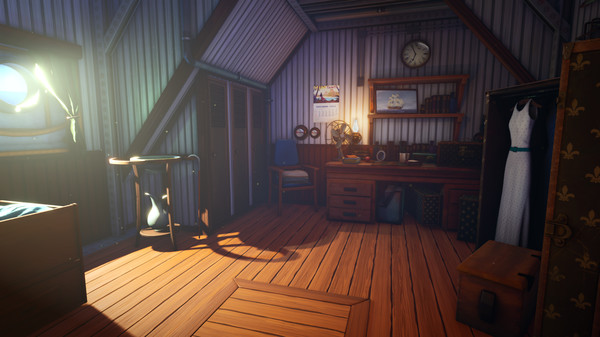 1930年代の南太平洋を舞台にした島(Steam スクリーンショット)
世界観
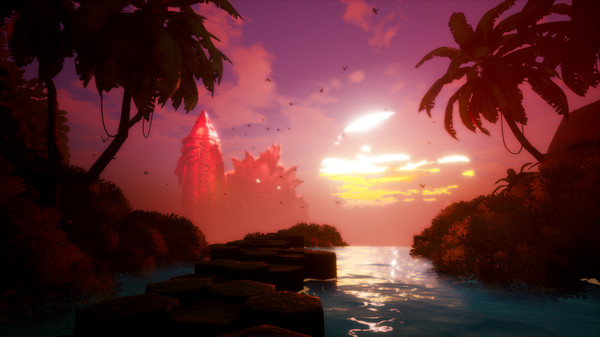
レビュー群が最も一致して褒めるのは、島そのものだ。1930年代の南太平洋、ポリネシアの意匠、そして忍び寄るラヴクラフト的な気配。『良いビジュアルは解像度ではなく演出で決まる』と書いたレビュアーがいたが、まさにこの作品の強みは、光と色と音による方向づけにある。声優とオーケストラ、そして手紙のカットシーンが、夫婦の物語を島の上に静かに重ねていく。
Puzzlebyrinth の語彙で言えば、この島は『観察解像度』を上げるための舞台だ。戦闘も時間制限もなく、プレイヤーはただ碑文を読み、装置を回し、痕跡を拾う。The Witness の島や Obduction の遺構と同じく、空間そのものが手がかりの収納庫として設計されている。レビュアーが『探索が楽しい』と言う時、それは観察の報酬がきちんと配置されていることへの賛辞だ。
ただし、この世界づくりには留保もつく。複数のレビュアーが『ノラの独白が多すぎて没入が途切れる』と書く。観察して自分で気づく前に、主人公が答えを口にしてしまう——世界に語らせる設計と、台詞で説明する設計が、ここでせめぎ合っている。雰囲気は満場一致の美点だが、その雰囲気を主人公の声がどこまで邪魔するかで、評価がわずかに割れる。
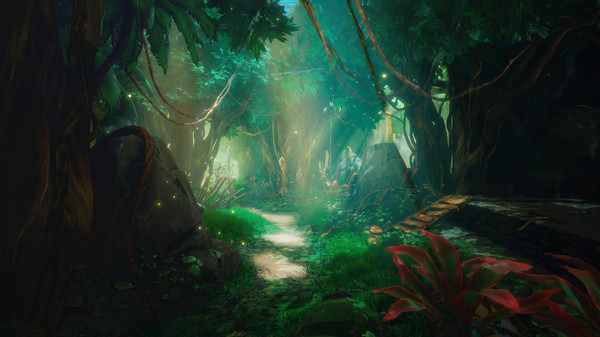 ポリネシアの意匠とラヴクラフト的な島の景観(Steam スクリーンショット)
メカニクスの言語化
設計を最も鋭く言い当てたのは、ある positive レビューだった。曰く——『このゲームは必要な情報をすべて与えてくれる。碑文の記号は探検隊の手記で全部翻訳済みだ。だが、その情報で何をすべきかは一切教えてくれない』。装置の仕組みは理解できる。問題は『自分が何を目指して操作するのか』を、プレイヤー自身が考える点にある。これは puzzle-hunt(パズルハント)に近い、と彼は書いた。
これは Puzzlebyrinth でいう『情報と操作の分離』だ。多くのアドベンチャーパズルでは、手がかり探しがそのまま解法だった。Call of the Sea はそこを割る。日記には記号も対応表も自動で書き込まれる。だから難しさは『情報を集めること』ではなく『集まった文法をどう運用するか』へと移る。観察解像度を上げる作業と、それを使って盤面を操作する作業が、別々の動詞として置かれている。
ところが同じ設計を、negative 側はまったく逆に読む。『手がかりが自動で日記に書かれるので、自分の頭で考える必要がなかった。世界とパズルが切り離されていた』と。さらに『論理的な推理はなく、模様に合わせて物を回す空間パズルばかりだ』という不満も重なる。情報を気前よく開示する設計は、ある人には『純粋に思考だけを残す潔さ』に、別の人には『考える余地を奪う作業』に映る。これは出来の良し悪しではなく、どこに思考を残すかという設計の選択だ。
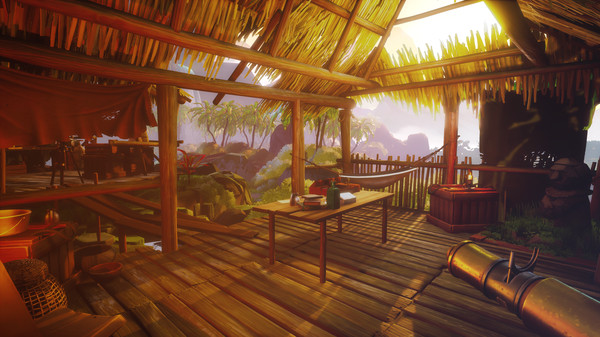 碑文と装置を読み解くパズル(Steam スクリーンショット)
難しさの手触り
賛否が最も静かに、しかし深く割れるのが難しさだ。『難しすぎず簡単すぎず、考えさせられて気持ちいい』という声と、『何も詰まらなかった、少し簡単すぎた』という声が、ほぼ同じ熱量で並ぶ。同じパズルを、ある人は『満足のいく歯ごたえ』と呼び、別の人は『風景を見せるための減速帯』と呼ぶ。難しさの絶対量ではなく、何を難しさと感じるかが、人によって違う。
分岐点の一つは、ヒントの出し方だ。主人公ノラはパズルを見た瞬間に『これはこうすればいい』と口走ることがある。これを『初心者に優しい』と歓迎する人もいれば、『数分試させてから喋ってほしかった、考える前に答えを言われた』と惜しむ人もいる。もう一つは移動だ。手がかりを集めるために同じ場所を何度も往復させられ、しかも歩行が遅い。『探索が楽しい』と『時間を尊重しない』は、この一点で裏表になる。
私の見立てでは、これは難しさの設計というより『誰に向けたか』の問題だ。Call of the Sea の学習曲線は、急な段差を作らない。情報を惜しまず開示し、主人公が背中を押す。落ち着いて物語を進めたい層にはちょうどよく、歯応えのある論理パズルを求める層には物足りない。賛否は、この射程のどこに自分が立つかで決まる。難しさを抑えた選択は欠点ではなく、物語を主役に据えるための設計判断だと読める。
 手がかりを集めて装置を操作する(Steam スクリーンショット)
参照したレビュー群
本記事は 2026-06-28 時点での Steam ストアページのユーザーレビュー群を読んで書いた。レビュー本文の直接引用はせず、典型的な主張を再構成している。
・Steam: Call of the Sea(非常に好評 / Very Positive、約6,000件中およそ87%が好評)
・helpful(All Time)順の positive・negative 上位を中心に、recent や 2021〜2023 年の声を含めて20件超を WebFetch で読了
・(専門メディア)OpenCritic: Call of the Sea(IGN・Eurogamer・Game Informer・Push Square 等。平均はおおむね80点前後)
結論
Steam の総評は87%好評、『非常に好評』。私の設計批評としての採点は7.5だ。両者に大きな乖離はないが、私の数字はわずかに辛い。物語と場所——夫婦の関係、ラヴクラフト的な島、声と音楽——はレビュー群が満場一致で認める美点で、ここは文句なしに高い。減点は、情報を気前よく開示した結果パズルが世界からやや浮いたことと、手がかり集めの往復と遅い移動がテンポを削いだことにある。
レビュー群がほぼ一致して出す助言は『物語のために遊べ、そしてセールで買え』だ。妥当だと思う。静かな探索と、考えすぎなくても前へ進める優しさを求める人には、これ以上ない島がある。Return of the Obra Dinn のような推理の密度を期待すると物足りず、雰囲気と物語を主役に据えた探索を求めるなら満たされる。作品の価値は、入口でどちらの期待を抱くかでほぼ決まる——その分岐そのものを、87%という好評の内側にある賛否が教えてくれる。
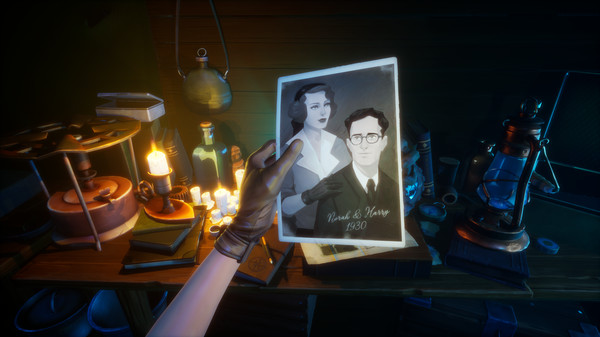 夫の探検隊を追って島を巡る(Steam スクリーンショット)
このゲーム、あなたは?
押すと「あなたの棚」に入ります(アカウントのページで見られます)。
リアクション(ログイン不要)
匿名で残せます • 同じリアクションは1日1回まで
次に読む
関連レビュー
Metamorphosis
カフカ『変身』の朝を一人称で歩く探索アドベンチャー。虫になった Gregor の背丈では、机の上や床板の隙間がそのまま地形になり、登って渡ることが移動になる。Ovid Works による一作。
Röki
北欧の民話をなぞる雪の森を歩き、道具を拾って組み合わせながら、姉を探す少女トーヴェの旅を進めるポイント&クリックの冒険。戦闘も失敗もなく、手描き調の風景と喪失の物語で進む Polygon Treehouse の一作。
Carto
手に入れた地図の断片を並べ替え、森や海の辺を噛み合わせると地形が地続きになり、道や人が現れる——地図を編集して進む手描きの探索パズル。少ない動詞と温かな物語で、慌てず世界を歩く Sunhead Games の一作。