REVIEW · 2022-11-03
The Entropy Centre
時間を巻き戻して解く、宇宙ステーションのテストチャンバー
第一印象
私はこの記事を、自分でプレイした記録としてではなく、Steam に積み上がったユーザーレビュー群を読んで書く。The Entropy Centre は2022年11月、英 Stubby Games が制作し Playstack が発売した一人称パズルだ。荒廃した宇宙ステーションを舞台に、物体の時間を巻き戻す相棒AIの銃「ASTRA」を連れて、立方体を使ったテストチャンバーを一つずつ降りていく。
評価ラベルは『非常に好評』。英語レビュー2,015件中88%が好評、全言語では3,268件、全レビュー種別でみると4,344件中3,881件が好評(2026-06-22 snapshot)。直近30日も37件中86%と数字は安定している。可もなく不可もない数字ではなく、明確に高い。だが面白いのは、その高評価の内側で賛否がきれいに割れていることだ。
そしてレビューを開くと、肯定派も否定派もまったく同じ補助線を引く——Portal だ。helpful 上位の positive は『Portal の痒い所に手が届く』『Portal 欲を満たしてくれる』と言い、negative 側は『間延びした Portal の同人作品』と切り捨てる。同じ参照点から賛辞と不満が分かれていく作品を、今回はその分かれ目ごと読み解いていく。同じく Portal を補助線に持つ ChromaGun や The Turing Test と並べると、この作品の立ち位置はより鮮明になる。
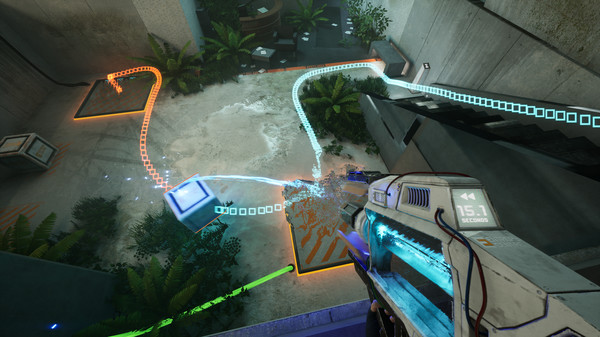 The Entropy Centre のキーアート(Steam スクリーンショット)
メカニクスの言語化
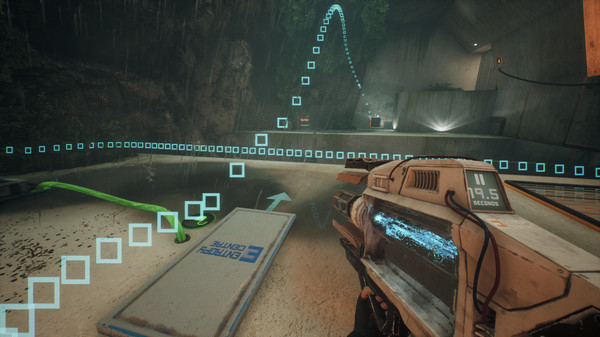
positive レビューが繰り返す説明はほぼ一つの型に収束する。『ゴールを先に思い描き、そこから逆向きに組み立てる』。銃 ASTRA が一つの物体の直近38秒ほどを巻き戻す——できることはそれだけだ。立方体を台座に置けば扉が開き、ジャンプ台や橋にもなる。レビュアーが『天才になった気分』と書くのは、巻き戻しの軌跡が必要な場所に物を全部運び終えた瞬間のことだ。
Puzzlebyrinth の語彙でいえば、これは動詞が一つに絞られた設計だ。だがその一つの動詞が因果の向きを反転させる点が特異で、解法は『置く』ではなく『逆算する』という文法になる。終了状態を確定させ、そこへ至る初期配置を逆向きに推理する——観察解像度が問われるのは現在の盤面ではなく、まだ起きていない未来の側だ。
肯定派の手応えと裏腹に、設計上は組み合わせ爆発がやや抑えられている。専門メディアの Game Informer(8/10)が指摘するように、巻き戻しという仕組みは解の可能性そのものを制限する。章ごとに新しい立方体を一種類ずつ配る学習曲線は丁寧だが、その丁寧さは『広がる』より『積み上がる』方向に効く。後半で物が増えても、解法は枝分かれせず一本道に近いまま深くなる。
 立方体と巻き戻しで因果を組み立てるテストチャンバー(Steam スクリーンショット)
物語の手触り
この作品で賛否がもっとも激しく擦れるのは、パズルではなく語りの量だ。positive 側は相棒AI『ASTRA』を絶賛する。絵文字の顔で陽気に喋り、規則を律儀に守るその銃が『場をさらっていく』『可愛い』、施設に残るメールは軽妙なのに時折重さを覗かせる、と。一方 negative 側で繰り返されるのは正反対の言葉だ——『掲示板のノリで書かれたような台詞』『猫ジョークが寒い』『喋りと待ち時間ばかりで実プレイが少ない』。
注目すべきは、両者が指しているのが同じ要素だという点だ。おしゃべりなAIと豊富なテキスト量——それを一方は魅力と読み、一方は冗長と読む。これは優劣の争いというより、設計の射程の問題だ。Stubby Games はパズルの合間を饒舌な人格で満たす方を選んだ。その軽口にどれだけ寄り添えるかで、同じ設計が当たりにも外れにもなる。
もう一つ、語りと操作の速度がずれるという指摘が複数ある。物語は終末の切迫を煽って急かすのに、パズルは立ち止まってじっくり逆算することを要求する。urgency を語る物語と熟考を求めるゲームプレイ——この温度差が、特に終盤で体験を引き裂く、という読みだ。物語重視という点では The Turing Test と同じ系譜にいるが、あちらが思弁で間を持たせたのに対し、こちらは人格の温度で間を持たせている。
 相棒AI「ASTRA」と施設の風景(Steam スクリーンショット)
難しさの手触り
Steam のタグには『Difficult』が並ぶのに、negative レビューの中核は『ほとんど詰まらなかった』だ。この食い違いは、難しさを一枚岩で語ると見えなくなる。読んだ限り、レビュアーが触れている『難しさ』は質の異なる三つに分けられる。
一つ目は概念の難しさ。逆算という文法に慣れるまでの序盤の引っかかりで、肯定派が『脳が新しい曲がり方をする』と喜ぶのはここだ。二つ目は実行の摩擦——巻き戻し中に立方体が壁にめり込んで消え、進行をやり直す、というバグ起因のストレスで、Game Informer も同じ不満を書いている。これは思考ではなく操作が生む難しさだ。三つ目は尺による疲労。各章が同じ要素のパズルを積みすぎて、第三幕が間延びする、という声が繰り返される。
賛否を割っているのは、深さではなくこの三つ目だ。組み合わせ爆発が最後まで来ないため、後半の難しさは『より深く』ではなく『より長く』の方向に出る。さらに終盤には追いかけっこやステルスといった反射神経の場面が接ぎ木され、逆算で組み上げた静かな文法に異物が混ざる。難しさそのものは標準的だが、その手触りが章を追うごとに変質していく——そこが体験の分かれ目になっている。
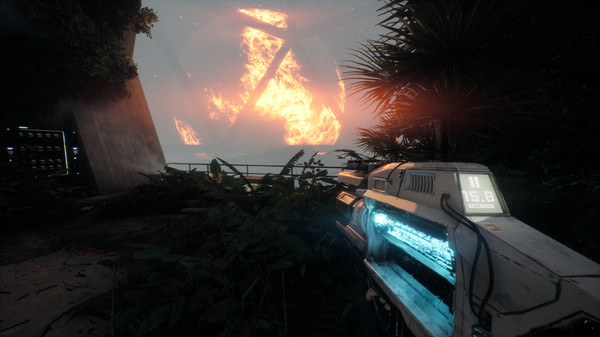
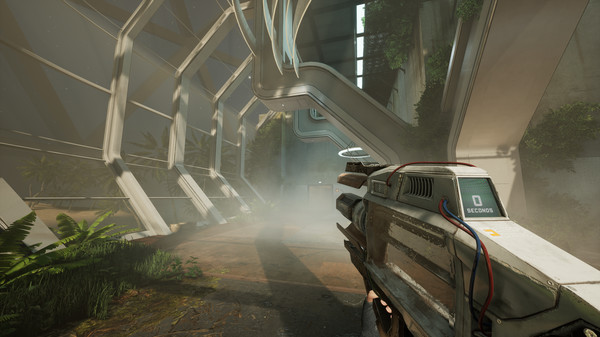 施設の窓から見える地球——尺と眺めが同居する後半(Steam スクリーンショット)
参照したレビュー群
本記事は 2026-06-22 時点での Steam ストアページのユーザーレビュー群を読んで書いた。レビュー本文の直接引用はせず、典型的な主張を再構成している。
・Steam: The Entropy Centre(非常に好評 / Very Positive、英語2,015件中88%が好評、全言語3,268件、全種別4,344件中3,881件が好評)
・helpful 順の positive、negative 側の代表的な不満、recent 上位の数件を WebFetch で読了し、頻出する語と評価軸を集計した
・(専門メディア)Game Informer: Reverse-Engineered Ingenuity(8/10) ほか各誌の評点・所見を参照
結論
Steam の総評は88%好評。私の設計批評としての採点は7.8だ。両者に大きなズレはない。逆算という一つの動詞は明快で、新しい脳の使い方を確かに開く。減点は二点——その動詞を組み合わせ爆発まで展開しきれず後半が長さで水増しされること、そして終盤に接ぎ木された反射神経の場面が、絞った文法の純度を濁らせることだ。Game Informer の8点とも、評価の理由はおおむね重なる。
レビュー群がほぼ共通して出す助言は明快だ——『Portal 欲があるなら買い、ただし饒舌な物語は受け流せ』。12時間前後という尺と、巻き戻しの快感、おしゃべりな相棒、間延びする第三幕。この四つにどう値付けするかで評価が決まる。静かな論理だけを純粋に味わいたい人には射程の外、Portal の空白を物語ごと埋めたい人には十分に薦められる。賛否そのものが、この作品が誰のためにあるかを教えてくれる。
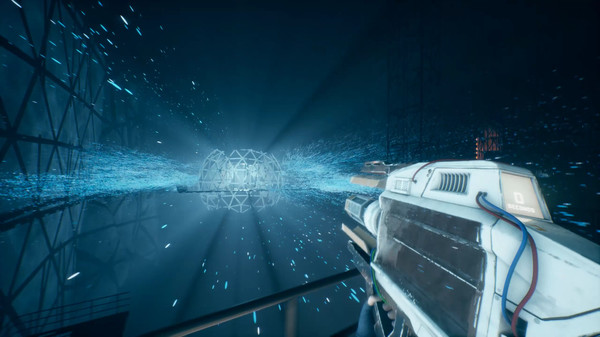 The Entropy Centre(Steam スクリーンショット)
このゲーム、あなたは?
押すと「あなたの棚」に入ります(アカウントのページで見られます)。
リアクション(ログイン不要)
匿名で残せます • 同じリアクションは1日1回まで
次に読む

関連レビュー
Portal Reloaded
Portal 2 の上に作られた無料のコミュニティ MOD。青とオレンジの空間ポータルに加え、20 年後の施設へつながる緑の時間ポータルを撃てるようになり、現在と未来を往復しながら 25 のテストチャンバーを解く。個人開発者 PORTANIS が 2021 年に公開し、2023 年には協力プレイ用の 20 面が追加された。
Hyperbolica
平行線が交わらない双曲空間と、遠くのものほど大きく見える球面空間でできた街を一人称で歩き、住人に話しかけ、レースやスキーや雪合戦を通してその世界の身体感覚を身につけていく非ユークリッド探索アドベンチャー。レンダリングパイプラインまで個人で組み上げた CodeParade の一作。
GNOSIA
宇宙船に紛れ込んだ「グノーシア」を、会話と投票だけで見つけ出す一人用の人狼。最大15人の乗員が毎周ちがう役職に振り直され、時間ループの中で同じ航海を何度もやり直す。Petit Depotto によるアドベンチャー。