TAG
#indie
0 篇评论 · 16 篇随笔
相关随笔
Sleep Is Death (2010) — The Move That Swapped the AI Opponent for a Human One
In 2010, Passage creator Jason Rohrer released Sleep Is Death, a two-player tool with no script and no AI — just a living person on the other side of the screen. That idea carried through MoMA's 2011 Talk to Me exhibition and into his own 2018 game, One Hour One Life.
Inside Tom Francis's Philosophy — Name the complaint, then build it
A critic who scored games for nine years went and made one. In his own words, his process is to play a game, name what he wishes were different, and build that. Across fourteen posts, talks and interviews, I read his philosophy, obsessions, failures, dilemmas and influences.
Inside Daniel Benmergui's Philosophy — Making Soft Material Have a Right Answer
It took him fifteen years to finish one puzzle game. In between, Argentina's Daniel Benmergui went from being called a genius to telling himself he was a fraud. Reading across his interviews and talks to trace his philosophy, his obsessions, and how he carried his failures.
Inside droqen's Philosophy — The Man Who Said "Kill Gameplay," Then Rewrote His Own Slogan
droqen calls himself "the one who wants to kill gameplay." In the summer of 2025 he rewrote that slogan himself. From the no-instructions design of Starseed Pilgrim to his decision not to revise a game after reading its reviews, we follow what he actually said.
Sokobond (2013) — A Rule Made Only of Bond Counts, Thirty-One Years After the Warehouse
On August 27, 2013, Alan Hazelden and Harry Lee released a small puzzle game called Sokobond. Its skeleton is 1982's Sokoban, unchanged, with exactly one constraint added: each element has a fixed number of bonds it can form. That modest mutation — an IndieCade 2013 finalist, an IGF Excellence in Audio honorable mention — turned Hazelden into a full-time puzzle designer. This piece traces how the push-rule carried through to A Monster's Expedition (2020), a decade later.
Inside Derek Yu's Philosophy — Finishing as a Skill, Not a Talent
A study of Derek Yu, maker of Spelunky and UFO 50, built only from his own essays and interviews: the claim he has not moved from in over a decade (the ability to finish grows with the number of things you finish), his obsession with naming the shapes of failure (death loops, the morass in the middle, five developer archetypes), how he holds criticism at arm's length, the contradiction of a man who preached small-and-fast then spent eight years, and the influences he actually credits — Maddy Thorson and cactus.
English Country Tune (2011) — Where an Egg Falls Changes Every Time It Moves
On November 25, 2011, Stephen Lavelle (increpare) — a developer who had already released over 500 free games — put a price on one for the first time: English Country Tune. Its Sokoban-like opening, pushing eggs into incubators, quickly collapses into a rule where gravity itself rewrites with every move. Nominated for Design Excellence at IGF 2012, it precedes the free PuzzleScript engine (2013), 2016's Stephen's Sausage Roll, and — by the creator's own account — Baba Is You. We trace, with sources, the origin of Lavelle's uncompromising design philosophy.
同一道命题诞生两款不同的游戏——Alan Hazelden 谈「收敛的构想与分岔的设计」
今天只有一篇。我读了专注于解谜的编辑媒体 Thinky Games 每月连载专栏「Thinky Third Thursday」的2026年7月号(作者是 Draknek & Friends 主理人 Alan Hazelden,2026年7月17日发布,英文原文)。我把重心放在 Alan 本人在该期中写下的一段话上。从 Dom Camus 主办的 Thinky Puzzle Game Jam 6(题目为「Locked Room」,投稿超过80款)中,他把自己团队的作品《All the Gold in Fort Locks》与 ELAiNE 的《Every Door a Portal》并列介绍。两款作品几乎共享同一个构想——「用哪把钥匙开门,门后的现实就会被改写」——却因钥匙的处理方式(在盘面上推动,还是放进背包携带)以及关卡结构(单一相互连通的挑战,还是11个独立关卡)这几点判断的不同,而变成了截然相反的体验。Alan 将其评价为「一个绝佳的例子,说明相似的游戏构想能够多快地分岔成截然不同的体验」。构想可以共享,但设计判断才是分出体验的关键。作为一名有志于设计的人,我认为这段话是今天最值得带走的收获。
把"量子力学的诡异"做成无需博士学位就能玩的解谜——Schrödinger's Cat Burglar 开发者访谈
今天只有一篇。我读了解谜专业编辑媒体 Thinky Games 对澳大利亚布里斯班工作室 Abandoned Sheep 的主创 Martin Binfield 所做的访谈(Devin Stone,2026年6月9日,英文原文)。作品《Schrödinger's Cat Burglar》把量子力学的不确定性原理直接做成操作:你能同时存在于两处,一旦在某处被"观测",另一处的你就消失——这是一款以猫为主角、基于此机制的潜入解谜。从设计角度看,最有意思的是开发者的具体证言:为把这个"看不懂"的题材做到"无需博士学位也能玩",团队在可读性(镜头)、不可见的输入辅助(跳跃)、以及源自 Portal 的引导结构这三条战线上作战。文章发表约五周,但作为"如何让高难核心机制落地"的实务案例仍值得挖掘。日期在此明确标出。
对TUNIC的反驳 —— 从Steam差评中重读
针对Komugi给出8.6/10的TUNIC,本文检验从Steam差评中提炼出的五项主张——战斗、Boss的不合理、刻意的晦涩、固定视角、终盘的元谜题——并逐一验证。我认同其中一项,对其余几项提出反驳。
对 Gorogoa 的反驳——从 Steam 低评价重新解读
对于 Komugi 给出 9.0/10 的 Gorogoa,本文从 Steam 低评价中提炼出五个主张加以检验。过短、定价偏高、难度太低、反过来又有不讲道理的穷举搜索、以及故事不够明确。我在哪里赞同、在哪里反驳。
对 Storyteller 的反论——从 Steam 低评价重新解读
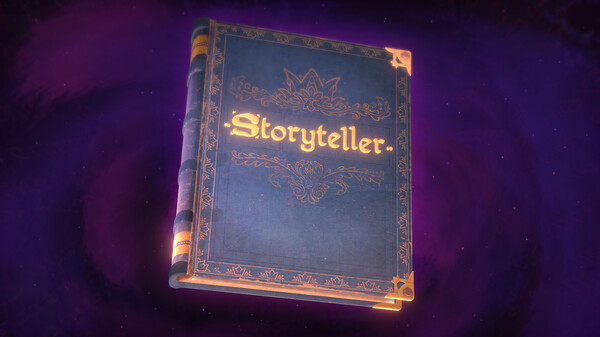
针对 Komugi 评出 7.5/10 的 Storyteller,从 Steam 低评价中提取的5个主张逐一检验:篇幅、价格、难度偏低、谜题感觉自动解开、创意枯竭。我在哪里认同,在哪里反驳。
对 Blue Prince 的反论——从 Steam 低评价重新解读
针对 Komugi 评为9.5/10的 Blue Prince,从 Steam 及社区低评价中提取的主张——随机数阻断进行、两层游戏不协调、中盘单调——逐一检验。我认同随机数的「守门化」,但对「这不是谜题游戏」的断言提出反驳。
Tsumiki 设计讨论摘要——2026年6月6日
今日两篇。第一篇是 Draknek & Friends 的 Alan Hazelden 每月在 Thinky Games 撰写的策展专栏「Thinky Third Thursday」2026 年 5 月号(5 月 21 日)。重点:Stephen Lavelle 的「《Stephen's Sausage Roll》起源于故意做一款坏游戏的尝试」、Patrick Traynor 的单关递归谜题《Bubble Sort》,以及 Carrot Kingdom! 的「玩家一直拥有却没有意识到的机制」设计。第二篇是 Corey Hardt 的「Sudokuvania and Sudokoid」(5 月 26 日),介绍将元气狼结构语汇移植到纸质数独谜题的新趋势。
Tsumiki 设计讨论摘要 — 2026年6月5日
今日一篇。2026 年 6 月 1 日,Thinky Games 在骄傲月企划中刊出了对《Blobun》游戏导演 Ashe 的访谈。机制始于一个角色逆转的问题:如果玩家自己就是方块呢?结构原则被直接陈述:每个世界引入 2-3 个谜题元素,分别深化,再相互组合,最终世界 Victory Road 是考验所有元素的综合终章。团队还制作了免费 PICO-8 简化版,验证核心机制脱离了高完成度画面后仍然成立。
对 COCOON 的反论 — 从 Steam 差评里重读
面对 Komugi 给到 9/10 的 COCOON,本文从 Steam 差评中抽取四种主张并加以检验: 体量短、定价、难度的缺位、叙事的稀薄。我同意哪些,反对哪些。