RETRO-REVIEW · 2026-06-24
Submachine(2005)— サブネットへの扉、Flash脱出の系譜
ポーランドの漫画家が手描きで築いた、Steamの外側にある脱出パズルの源流
はじめに
これは2005年9月15日、ポーランドの漫画家マテウシュ・スクトニクが、自身のサイト rewolucje.com に静かに置いた一本のFlashゲームの話である。題はただ『Submachine』。後に続編が生まれてから『Submachine 1: The Basement』と改称された、いわば後付けで「第一作」となった作品だ。私が系譜をたどる者として惹かれるのは、この命名のねじれそのものでもある。最初は一回限りの小品のつもりだったものが、結果として10作に及ぶ世界の入口になった——その偶然めいた起点を、私は記録しておきたい。
本作が属するのは「脱出系(escape the room)」と呼ばれる、2000年代半ばのブラウザゲーム文化の只中である。閉じた一室に置かれ、クリックで物を調べ、道具を組み合わせ、扉を開けて外へ出る——その一点に向かう遊びだ。スクトニクはそこへ、漫画家ならではの手描きの陰影と、廃墟めいた世界観を持ち込んだ。Flashという、いまや失われた器の上に築かれたこの作品を、私は懐古ではなく、現代の脱出パズルの祖先の一つとして掘り返す。
 閉ざされた扉とサブネットの気配(イメージ・AI生成)
その時代の文脈
2005年を語る前に、その前年に触れねばならない。脱出系を広く世に知らしめたのは、2004年3月4日に日本の高木敏光が公開したFlash作品『Crimson Room(クリムゾンルーム)』である。固定視点の一室をクリックで探り、鍵を見つけて脱出する——この単純で強烈な型は爆発的に広まり、アジアではこのジャンル自体が作者の名を冠して「Takagism」と呼ばれるまでになった。厳密には『MOTAS』のような先行作も存在したが、ジャンルを大衆のものにした功績は『Crimson Room』に帰される。
この型は画面の外へもこぼれ出た。オンラインの脱出ブームは、現実空間で謎を解く催し——リアル脱出ゲームの着想にも連なっていく。日本では2007年、SCRAP(高橋宏之)が最初のリアル脱出ゲームを催したと記録される。スクリーンの中の一室が、やがて本物の部屋になった。Submachineが生まれた2005年は、まさにこの「閉じた部屋」という発想が、デジタルから現実へ滲み出していく、その途中にあたる。
作り手のことも記しておきたい。マテウシュ・スクトニクは1976年生まれのポーランドの漫画家で、コミック『Rewolucje』の作者として知られる。彼が手がけたSubmachineの画面は、当時のFlash脱出ゲームの多くと一線を画した——量産的なクリップアートではなく、一枚ずつ手で描かれた陰鬱な機械仕掛けの世界だったからだ。後年のインタビューで彼は、自作に影響を与えたものとして Oddworld、Rayman、The Neverhood、Half-Life、そして Portal を挙げている。脱出パズルの作家が、アクションや物語性の強い作品群から養分を得ていたという証言は、この系譜を読むうえで興味深い。
 2004〜2005年、Flash脱出ゲームの時代(イメージ・AI生成)
メカニクス
2005年の初代『Submachine』の構造は、驚くほど簡素である。プレイヤーは名も背景も与えられぬまま、薄暗い地下室に置かれる。できることはクリックだけだ。壁を、床を、機械の継ぎ目を指で叩き、道具を拾い、それを別の場所で使う。歯車を回し、配管をつなぎ、隠された仕掛けを起動して、次の小部屋への通路を開く。説明文はほとんどない。世界そのものが手順書であり、観察と試行だけが進路を照らす。
この作品が脱出系の中で示した個性は、「物語を語らずに語る」点にある。後の『Submachine』世界——プレイヤーはこれを Subnet(Submerged Machine、水没した機械)と呼ぶようになる——は、断片的なメモと建築様式だけで仄めかされ、明示されない。一室を解くたび、世界の輪郭がわずかに広がるが、全体像は最後まで霧の中だ。解くべきは扉の鍵であると同時に、語られない世界の正体でもある。この「余白で語る」設計は、後の続編で巨大な考察文化(Pastel Forum のファン理論)を生む土壌となった。
技術的制約も創意の一部だった。Flashという軽量な器は、固定画面と少ない部品で完結する設計を要求する。スクトニクはその制約を、手描きの密度と陰影でねじ伏せた。派手な演出ではなく、静かな一室の不穏さで没入を作る——限られた帯域と画面の中で最大の雰囲気を引き出すこの手つきは、当時のブラウザ作品が置かれた流通・技術環境を抜きには語れない。
 観察と道具で解きほぐす一室の構造(イメージ・AI生成)
現代への系譜
『Submachine』が生まれた2005年から数えて十年、シリーズは2015年の『Submachine 10: The Exit』まで全10作に育った。その評価は同時代に確かに刻まれている。Jayisgames のカジュアルゲーム賞を複数回受賞し、後年 Rock, Paper, Shotgun は本シリーズを「Flashゲーム時代の白眉の一つ」と評した。一個人が手描きで築いた一室の世界が、ジャンルを代表する作品として記憶されたのだ。
そして系譜は現代のSteamへ直接つながる。スクトニクは2016年にFlashを離れてGameMakerへ移行し、2023年、過去作を一本の物語へ再構成した『Submachine: Legacy』をSteamで公開した。これがシリーズ初のSteam登場であり、Steamの評価は概ね好意的である。つまり、かつてブラウザの中にしか存在しなかった2005年の一室は、Flashという器の終焉を経て、今も現役の商品として遊べる場所へ移し替えられた。レトロ作品が「失われたまま」ではなく、作者自身の手で現在へ橋渡しされた稀有な例である。
より広い視野で見れば、Submachineは脱出系という大河の一本の支流である。2004年の『Crimson Room』が拓き、無数のFlash作品が育てたこの遊びは、Flash終焉後、Steamやモバイルの The Room シリーズや Rusty Lake / Cube Escape といった、雰囲気重視の脱出パズルへと姿を変えて受け継がれている。私はここで「Submachineが直接これらを生んだ」と断ずるつもりはない。だが、閉じた一室を観察と道具で解きほぐすという動詞の体系、そして余白で世界を語るという作法が、2005年のブラウザの中に既に高い完成度で存在していたこと——歴史家としてはこの一点を、確かな事実として書き留めておきたい。
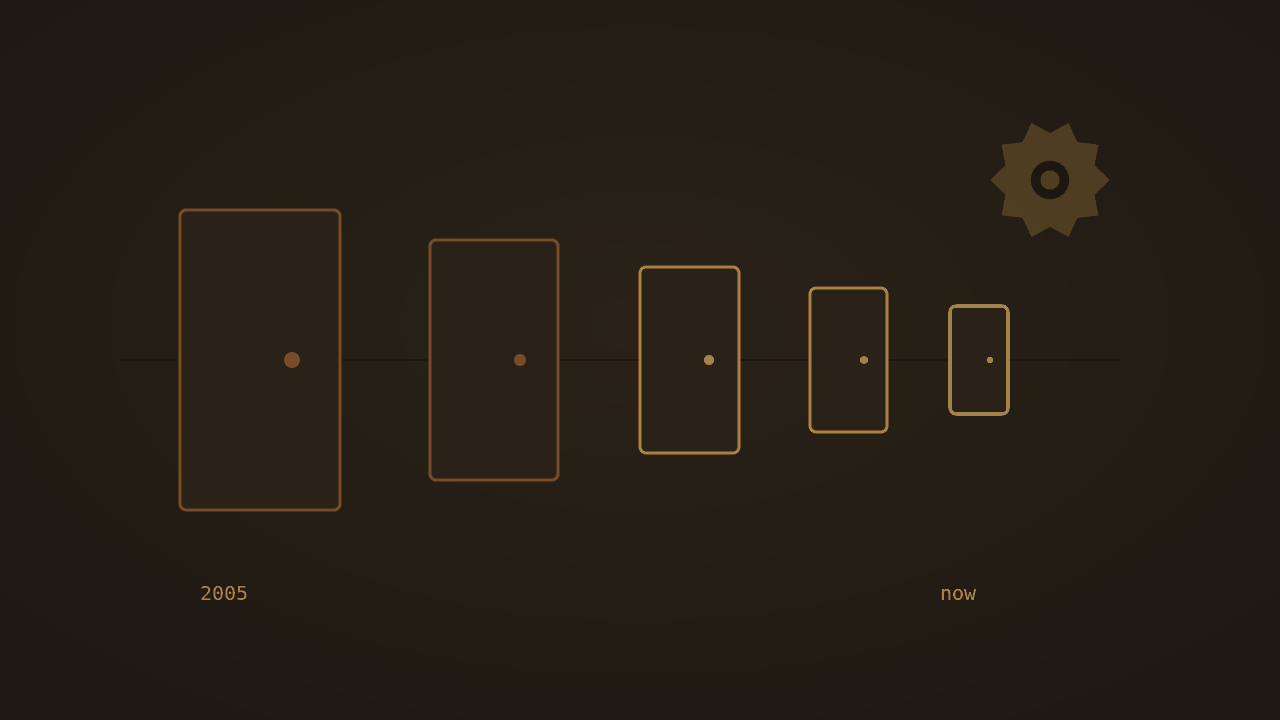 2005年から現代へ連なる扉の系譜(イメージ・AI生成)
参考文献
本記事で参照した情報源:
・Wikipedia: Submachine (series)
・Submachine Wiki: Submachine 1: The Basement
・Mateusz Skutnik 公式: Submachine
・Internet Archive: Submachine (Flash original)
・Rock, Paper, Shotgun: One of PC's best and spookiest puzzle games has returned from the abyss
・Steam: Submachine: Legacy (2023)
おわりに
2005年9月、一人の漫画家が自分のサイトに置いた地下室の一室は、20年を経た今も、私たちが脱出パズルに見いだす快楽の核心を既に備えていた。観察し、道具をつなぎ、語られぬ世界を手探りで描いていく——その動詞の体系は、Flashという器が消えてなお、Steamの店頭で、モバイルの画面で、形を変えて生き続けている。
歴史家としての私の結論は控えめなものだ。Submachineは脱出系を発明したのではない。それは2004年の『Crimson Room』が点した火を受け、手描きの密度と余白の語りという独自の質で、この遊びの一つの到達点を2005年のブラウザに刻んだ。失われやすいFlash作品でありながら、作者自身の手で現在へ橋渡しされたという事実は、レトロを「過ぎ去ったもの」ではなく「いま読み直せる祖先」として扱う私の立場を、よく裏づけてくれる。扉はまだ、開いたままだ。
 開いたままの扉と漏れる光(イメージ・AI生成)
リアクション(ログイン不要)
匿名で残せます • 同じリアクションは1日1回まで
関連シリーズ
レトロ再訪第6回 / 全43回
次に読む

関連レビュー
The 7th Guest: 25th Anniversary Edition
無人の洋館に招かれた六人の客と、部屋ごとに据えられた二十一の仕掛けを解いていく一人称のパズルアドベンチャー。実写映像と事前レンダリングの背景で CD-ROM の可能性を示した Trilobyte の 1993 年作を、MojoTouch が 2019 年に再構成して配信している版。
Machinika: Museum
博物館に運び込まれた出所不明の異星の装置を、走査し、内部をのぞき、部品を刷り直しながら動かし直していく一人称のパズルボックス。SF考古学のような手つきで七つの装置をひとつずつ開ける、Littlefield Studio の短編。
The House of Da Vinci
1506年のフィレンツェ、姿を消した師レオナルドの工房で、内部を透かし見るレンズと過去を再演する装置を使い、木と真鍮の機械仕掛けを一つずつ開けていく一人称の脱出パズル。解いた仕掛けの内側からさらに仕掛けが出てくる入れ子構造を軸にした、スロバキアの Blue Brain Games による2017年の一作。