RETRO-REVIEW · 2026-08-31
Columns (1990) — When a Hewlett-Packard Engineer's Practice Code Became Jewels in Sega's Hands
Clearing by color, not rotation — another falling-block puzzle born in Tetris's shadow
Introduction
What I'm digging up today isn't a square block — it's a jewel. Three of them still fall together, but what you line up is color, not shape. Let me tell you about Columns, released by Sega in 1990.
Tetris was born in 1984 and swept the world between 1988 and 1989. Right in the middle of that heat, Columns brought a different way to clear a board — not fitting shapes together, but matching color.
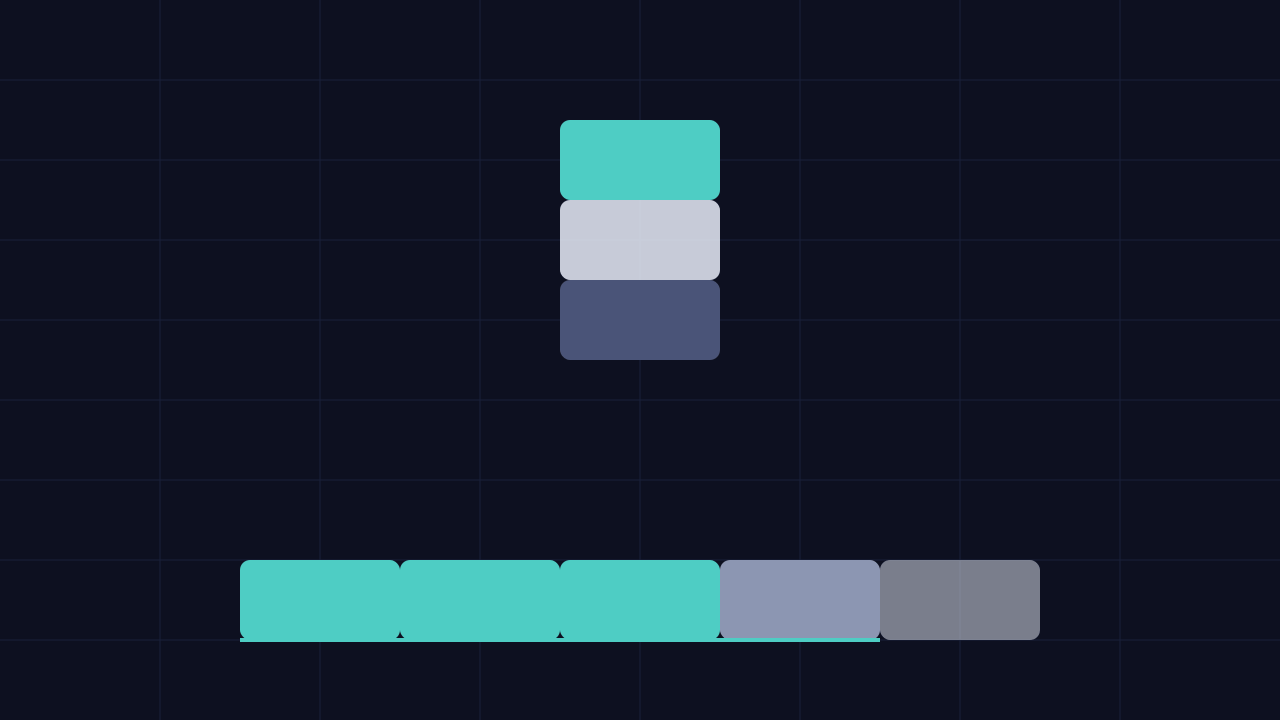 A falling triplet, and a row clearing by color below (illustration, AI-generated)
The Context
It wasn't made by anyone at a game studio. Jay Geertsen, a software engineer at Hewlett-Packard (HP), wrote the puzzle in 1989 as a personal exercise to teach himself X11 window-system programming on an in-house HP-UX machine.
A colleague ported it to Macintosh and MS-DOS, and it quietly became a minor office favorite — a game spreading inside a company that made no games at all. Sega caught wind of it.
Sega approached HP about commercializing it. HP deliberated for around six months before deciding to sell Sega non-exclusive rights.
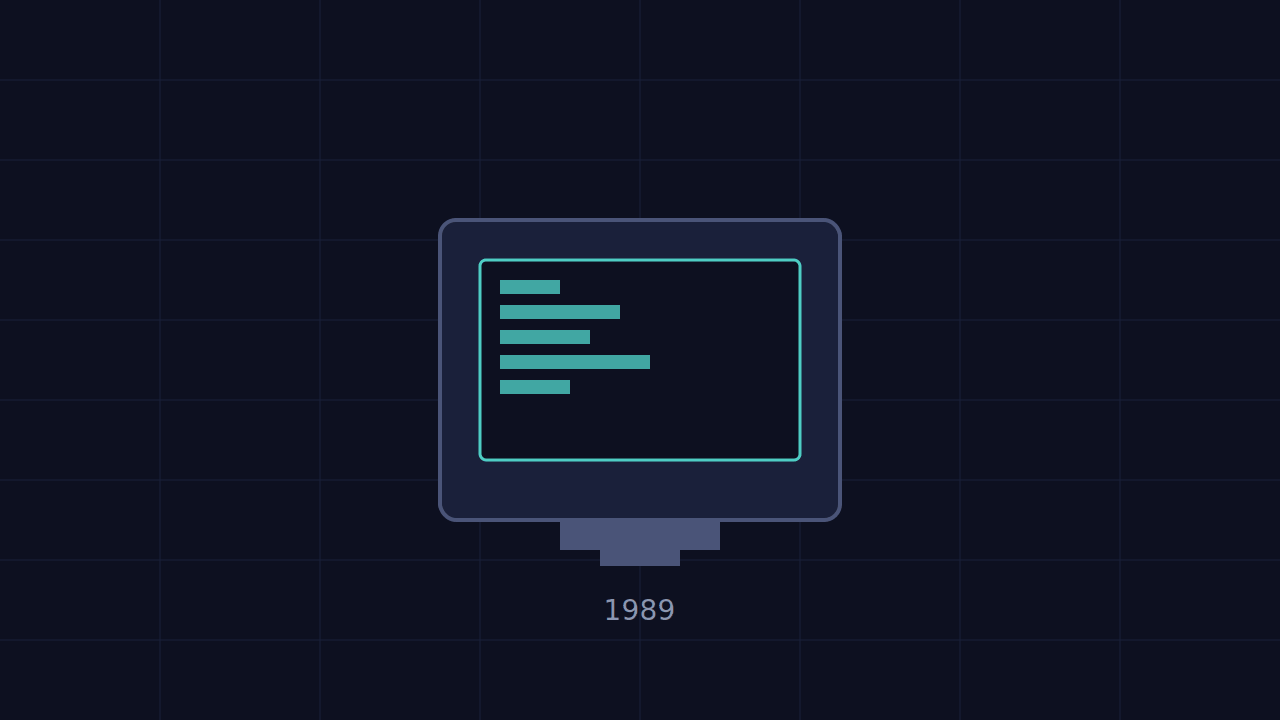 The first code, written on an HP-UX terminal in 1989 (illustration, AI-generated)
Mechanics
The play looks like Tetris but actually points in the opposite direction. Three gems still fall as a single column. But what you control isn't rotation — only cycling the order of the three gems within the column, plus moving it left and right.
When three or more gems of the same color connect horizontally, vertically, or diagonally, they vanish. Drop a column containing the special multicolor Magic Jewel, and it can clear every gem of one color from the whole board. Against Tetris's grammar of fitting shapes together, here is another grammar: clearing by color.
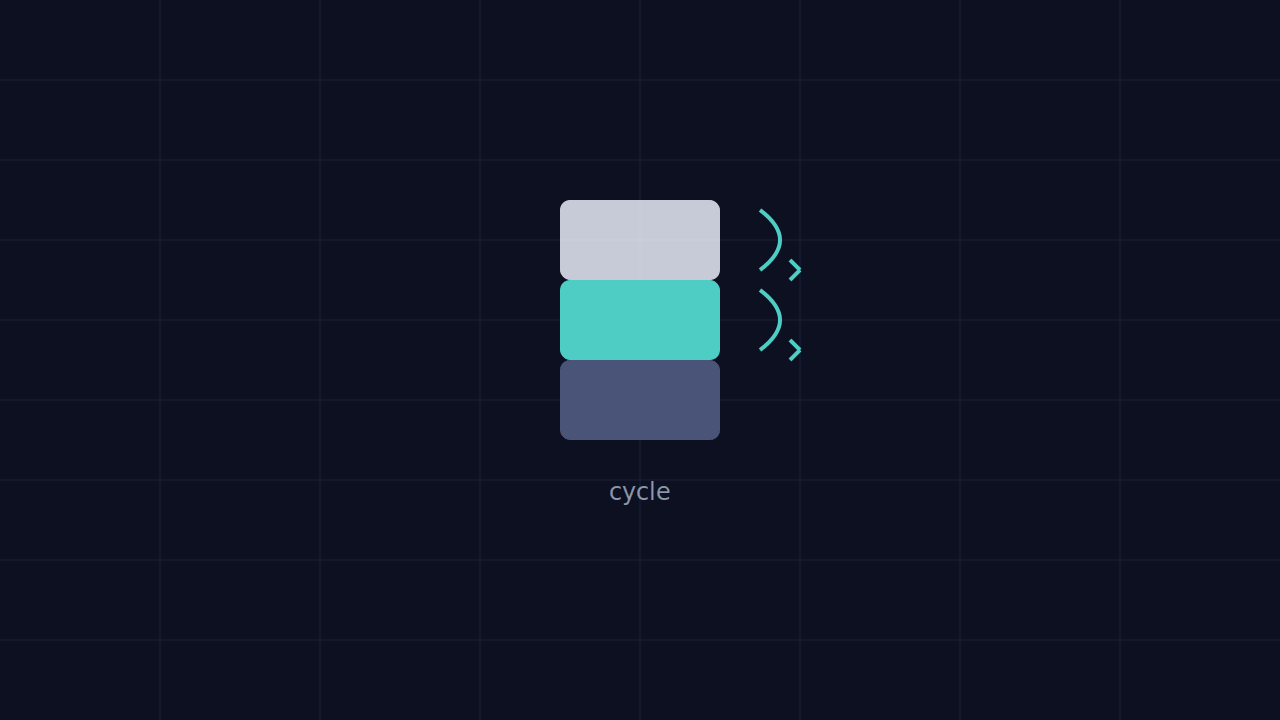 Not rotating the piece, but cycling the gems within the column (illustration, AI-generated)
The Modern Lineage
In 1990, Columns first appeared in arcades and on the Mega Drive. In Japan it ranked fourth in arcade revenue that year, and third in conversion-kit sales the following year. Ports kept coming: the Game Gear (1990–91, the console's first pack-in title), MSX2 (a Compile/Telenet port, 1990), the PC Engine and Sharp X68000 (December 25, 1990), and the Super Famicom (October 16, 1991) — reaching nearly every major platform of the era.
Reviews were strong, too. Wizard magazine gave it a B+, calling it "like Tetris but a bit better." Mega later ranked it 34th in its all-time Mega Drive list, and GamesRadar placed it 40th on its 2017 best-of-Genesis/Mega-Drive list.
It's tempting to say Columns was the first to bring the grammar of "clear three of the same color." But I want to be careful here. I covered Klax, also from 1990, in this series before, and what I confirmed there is that the real lineage of what we call "match-3" today runs through a different, unconnected branch — from the Russian puzzle Shariki in 1994 to Bejeweled in 2001. Columns is an early example of independently reaching the same idea, not the branch that was directly carried forward.
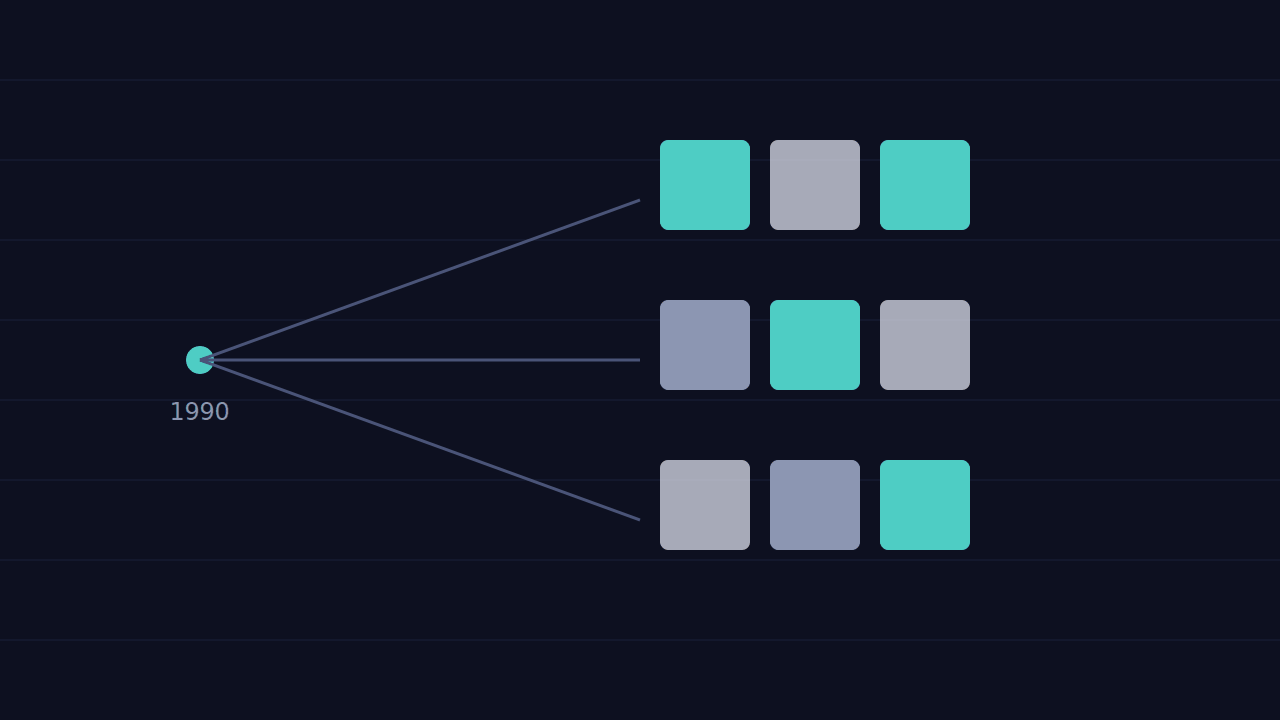 From one point in 1990, the rule branched across many platforms (illustration, AI-generated)
Sources
Sources referenced in this article:
Closing
Digging up Columns leaves me with this thought: an invention often comes from the last place you'd expect. Its starting point wasn't a game studio, but code an HP engineer wrote to teach himself something at work.
Without Sega's approach and the non-exclusive license HP decided on after six months of deliberation, no gems would have fallen on that Game Gear startup screen. I add one more year, 1990, to the list I keep.
 The quiet that remains once the pile is cleared (illustration, AI-generated)
Reactions (no login)
Anonymous • one of each per visitor per day
Part of these series
Retro RevisitedEpisode 37 of 37
