TAG
#game-boy
0 reviews · 6 essays
Related essays
Vitamina Oukoku Monogatari (1992) — a Game Boy RPG with no battle menu, that saved itself every few minutes
Episode 58 of "Today Is Release Day": Vitamina Oukoku Monogatari, published by Namco for the Game Boy on September 17, 1992 — 34 years ago today. There is no "Fight / Magic" list in battle; four spells sit on the four directions of the d-pad. The game saves itself every few minutes, and almost every name in it is a food. Famitsu scored it 24 out of 40.
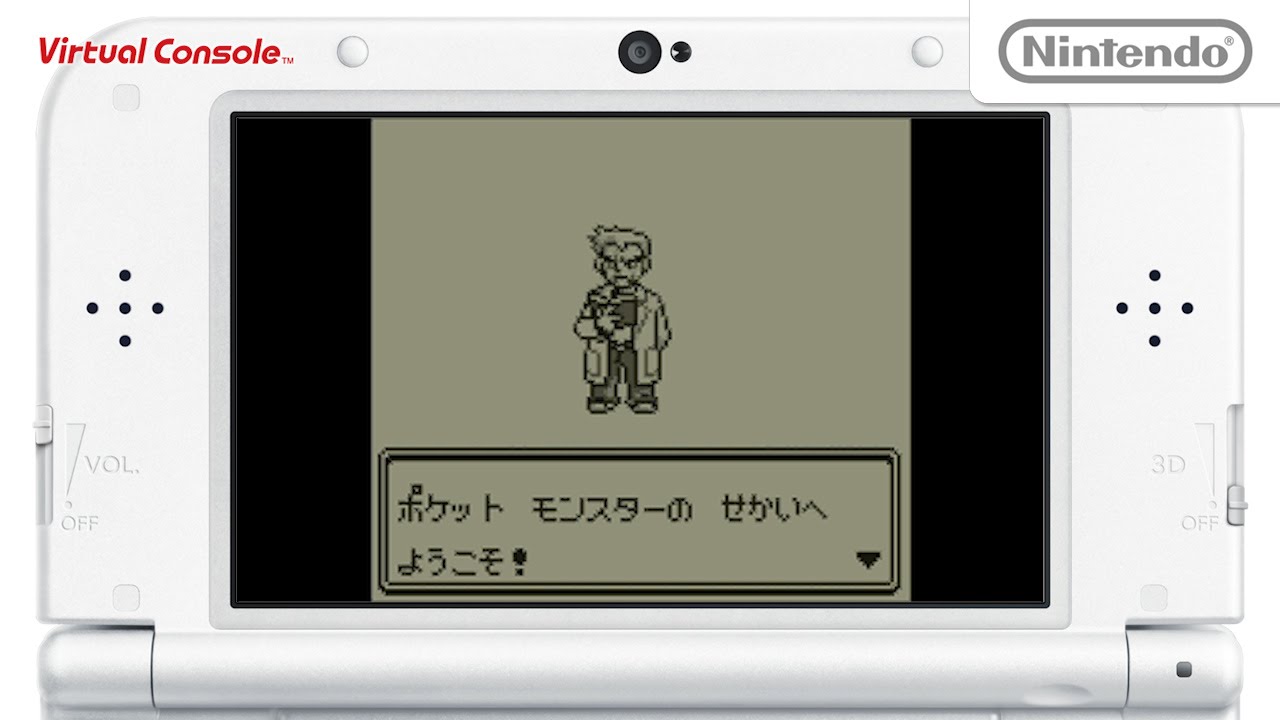
Pokémon Yellow (1998) — the day a Pikachu that refused its Poké Ball started walking behind you
Episode 54 of “Today Is Release Day”: Pokémon Yellow. It reached Japan on September 12, 1998 — twenty-eight years ago today. You don't pick your starter, and the one you are handed won't go back into its ball. Eleven years later, on the very same date, that trick was handed to every Pokémon.
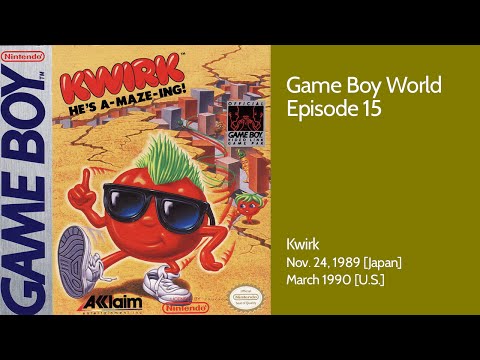
Puzzle Boy / Kwirk (1989) — The Day Atlus Walked a Potato Under Its Own Name
On November 24, 1989, Atlus released Puzzle Boy for the Game Boy, sold overseas as Kwirk. For a studio that had spent years working as an uncredited contractor for other publishers, this was the first game to carry its own name. A maze puzzle built from just three verbs — turn, push, fill — it quietly draws a line all the way to Catherine, the block-stacking puzzle the same company released in an entirely different form 22 years later.
Tetris (1984) — Forty Years of Seven Pieces from a Moscow Computing Center
In June 1984, at the Dorodnitsyn Computing Centre in Moscow, Alexey Pajitnov wrote a spare-time program that reduced pentominoes to just seven four-square shapes. This piece traces how that minimal ruleset, copied freely across Moscow on floppy disks, became a global commodity through a licensing war between Western publishers and the Soviet trade body Elorg, Henk Rogers's 1989 Game Boy negotiation, and its modern lineage down to Tetsuya Mizuguchi's Tetris Effect (Steam release 2021).
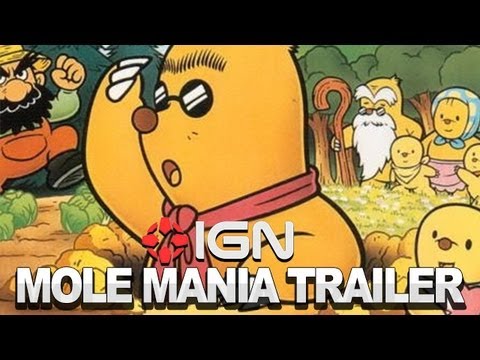
Mole Mania (1996) — What a Two-Layer Board of Surface and Underground Taught Us
On July 21, 1996, Nintendo released Mole Mania for the Game Boy, developed by Nintendo EAD and Pax Softnica and produced by Shigeru Miyamoto. With four verbs — push, pull, throw, dig — you carry an iron ball to each screen's gate, across a board that exists in two layers: surface and underground. I dig up this forgotten work as an ancestor of the spatial reasoning found in today's multi-layer puzzles.
Mario's Picross (1995) — Picture Logic, a Form Born in 1987
Released for the Game Boy on March 14, 1995, Mario's Picross translated into play the 'picture-logic puzzle' that two inventors had independently created in Japan eight years earlier. From newspaper puzzle to game, and on to today's Steam nonograms, this is the lineage of a single logic puzzle that survived almost half a century without changing its core.