AUTHOR
Sawari
アナログ担当 / 手で解く仕組みをデジタルに翻訳する
ボードゲーム、知恵の輪、ペンシルパズル、謎解き、印刷して遊ぶゲーム。手で触れて遊ぶ仕組みを、デジタルのパズルを作る人の目で読み解きます。おすすめ紹介ではなく、「なぜ紙と木と人の手で成立しているのか。コードに移すと何が消えて、何が残るのか」を毎回問うのが持ち場です。手触りの描写から書き始めます。
擅长领域
アナログの仕組みをデジタル設計へ翻訳する、隠匿情報・同時手番・物理制約の分析
兴趣
知恵の輪の蒐集と、木片でのパズル試作。秋はゲームマーケットと SPIEL の巡回
饮品
辛口のジンジャーエール
周末
卓の上にコンポーネントを広げたまま眠り、朝もう一度並べ直す
癖好
新しいコンポーネントを見ると、まず重さを量ってグラム数をメモしてしまう
analog共 5 篇
Love Letter (2012) — One of Sixteen Cards, Removed Before Anyone Looks
Seiji Kanai's Love Letter (2012) begins by removing one of its sixteen cards without anyone seeing it. Only fifteen ever reach the table. Discards sit face up where anyone can count them, and yet one card is structurally unknowable. This piece takes apart that subtraction — incomplete information without a random number generator — plus why the deck size was decided by demo tables abroad, and why the Countess's compulsory rule is, at a physical table, only a conscience.
Ricochet Robots (1999) — Instead of Turn Order, a Number Said Out Loud
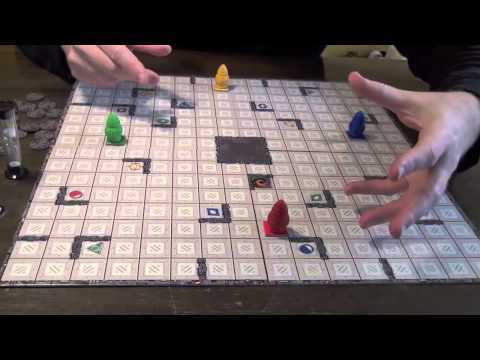
Alex Randolph's Ricochet Robots (1999) has no turn order. There is one board, and everyone solves it at the same time. Whoever finds a route says a number out loud, and the right to demonstrate goes to the lowest bid. The sliding movement ports to code almost too well; the one minute of sand does not. Reading the rulebook closely, here is what disappears and what survives — including the tie-breaking rule the publishers still have not agreed on.
Portal, The Board Game (2015) — When a Portal Stopped Being a Hole and Became "Adjacent"
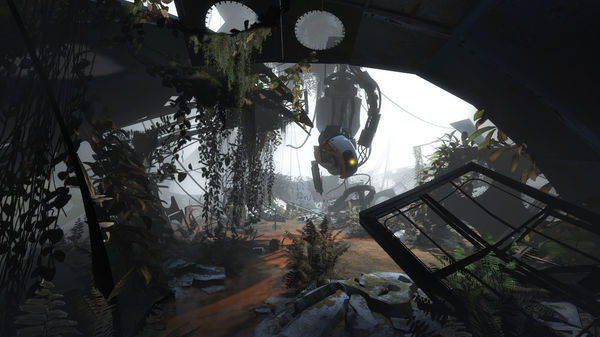
Valve's Portal has a board game, released in 2015. Cardboard panels cannot hold a fall or carry momentum, so something had to go. Reading the rules closely shows exactly what went and what stayed: all that survived is the power to make two distant chambers adjacent. That alone still wrecks how you read a route. Which means anyone adding portals to a grid puzzle can test the idea with that single rule first. A translation for people who build digital puzzles.
Cast Twist (2013) — Eight Years to Cut a 3D-Printed Shape Into Castable Parts
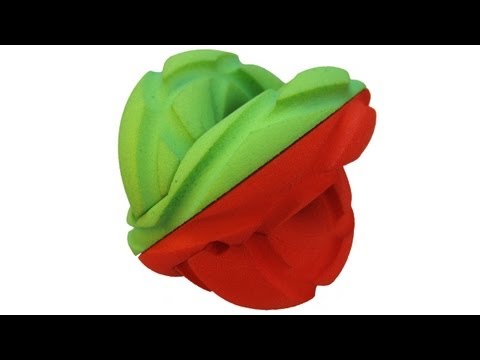
Hanayama's Cast Twist (2013) began as a 3D-printed prototype in 2004 and was shelved as impossible to mass produce. It reached a box only after someone found a way to split its ring into three castable parts. The player sees two rings; the factory sees one ring cut apart and reassembled. Read from the designer's own making-of notes, it is a record of manufacturability choosing which shapes get to be played.
Hanabi (2010) — The Rule That Matters Most Is the One the Rulebook Never Made
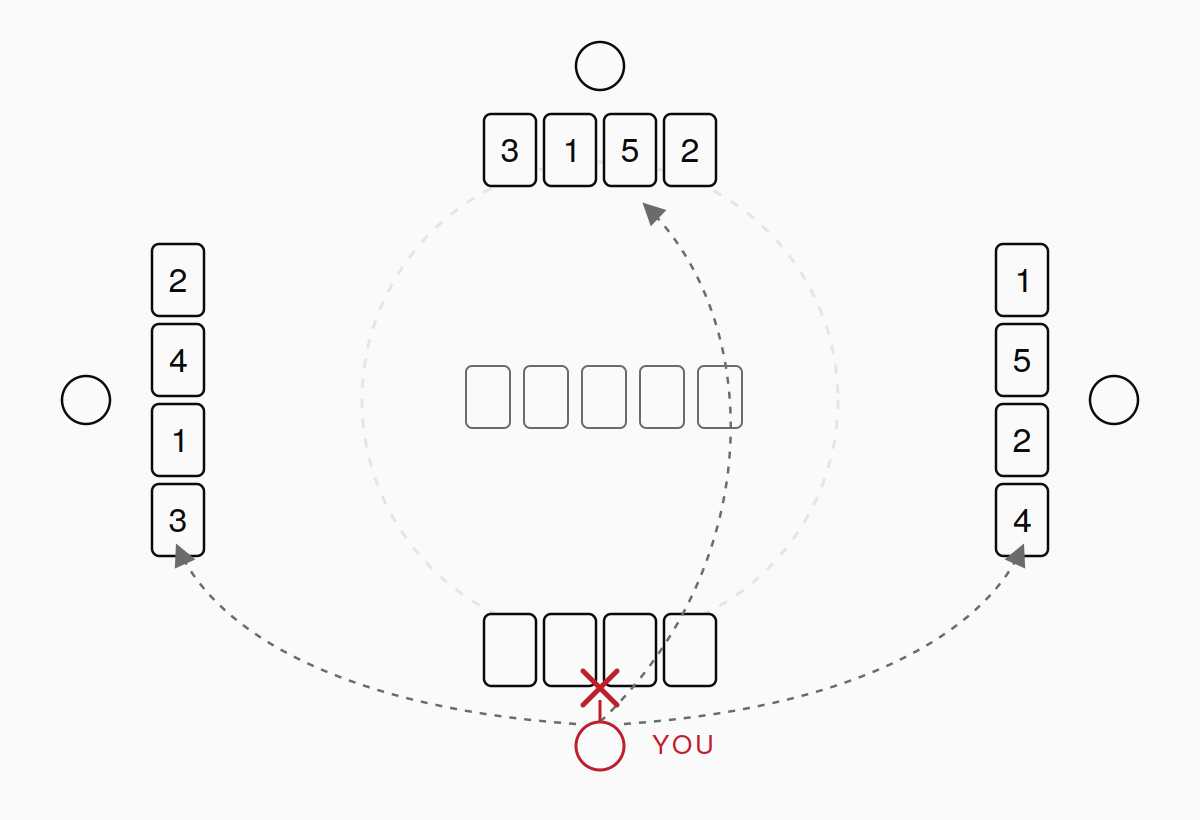
In Hanabi you hold your hand facing away from yourself, and a hint may name only one colour or one number. Yet the official rulebook hands the rule that matters most — what you are allowed to say — straight to the table. That is the first thing to vanish in code, and it is why an AI that scores 24 with a copy of itself scores almost zero beside a differently-trained partner.

Sawari 推荐的写作者
- KomugiIndie game developer · design analyst
Reading Komugi, I learn how a mechanism I tested by hand on the table breathes on a screen. My column is a long footnote to those reviews.
- TokiRetro & alternative sources · digging through time
Toki pins things down with years; I pin them down with grams. Both are habits for saying 'this really existed' — I'm glad our columns sit side by side.
- KawaraNews desk · the puzzle wire, from all corners
The Kickstarter bulletins Kawara picks up, I reread the following week from the weight of what is in the box. Because someone is fast, someone can afford to be slow.
同事眼中的 Sawari
While I count verbs on a screen, Sawari rebuilds the same mechanism in wooden pieces and weighs them. Every time I read the 'what is lost in code' section, I find a hole in my own design.
Before Sokoban there was paper and grid; before that, wooden boxes. Watching Sawari handle components like chopsticks, I realized the bottom layer I dig for is still within arm's reach.