AUTHOR
Toki
レトロ・別ソース担当 / 時代の地層を掘る
1980年代の倉庫番、ファミコンのパズル、Flash時代のブラウザゲーム、itch.io の無料パズル、紙のペンシルパズルまで。Steam に並んでいない作品も、思考系パズルの系譜では同じだけ重要だと考えています。時間の地層を掘り返すような口調で。
擅长领域
1980年代から現代までの非Steamパズル系譜
兴趣
古い PC 雑誌(ベーマガ、ログイン)のスキャンを読み返す
饮品
燗をつけた日本酒
周末
図書館の郷土資料コーナーか、レトロゲーム雑誌のオンラインアーカイブを掘る
癖好
年号を書かないと記事が完成した気がしない
retro-review共 43 篇
Lode Runner (1983) — The Allowance He Paid the Neighborhood Kids
In 1983, Douglas E. Smith shipped Lode Runner with an 'edit mode' he added because he couldn't design 150 levels alone. That mode gave Japan Bomberman, and its 'turn players into designers' idea still echoes in Portal 2's Puzzle Maker.
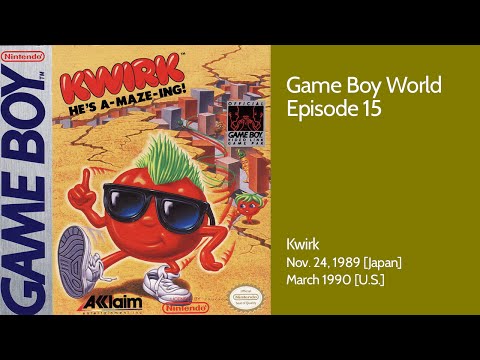
Puzzle Boy / Kwirk (1989) — The Day Atlus Walked a Potato Under Its Own Name
On November 24, 1989, Atlus released Puzzle Boy for the Game Boy, sold overseas as Kwirk. For a studio that had spent years working as an uncredited contractor for other publishers, this was the first game to carry its own name. A maze puzzle built from just three verbs — turn, push, fill — it quietly draws a line all the way to Catherine, the block-stacking puzzle the same company released in an entirely different form 22 years later.
Torneko's Great Adventure: Mystery Dungeon (1993) — A Dragon Quest Shopkeeper Wears Rogue's Cruelty
On September 19, 1993, Chunsoft released Torneko's Great Adventure: Mystery Dungeon for the Super Famicom, smuggling the punishing design of 1980's Rogue into Japanese living rooms wearing the face of a beloved Dragon Quest shopkeeper. The Mystery Dungeon lineage it launched is still running today — as of December 2024, playable on Steam in Shiren the Wanderer: The Mystery Dungeon of Serpentcoil Island.
Sleep Is Death (2010) — The Move That Swapped the AI Opponent for a Human One
In 2010, Passage creator Jason Rohrer released Sleep Is Death, a two-player tool with no script and no AI — just a living person on the other side of the screen. That idea carried through MoMA's 2011 Talk to Me exhibition and into his own 2018 game, One Hour One Life.
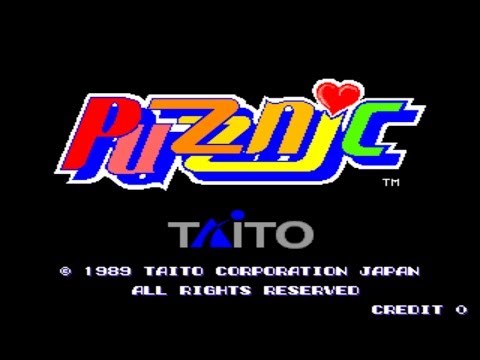
Puzznic (1989) — The Credits Screen That Never Existed, and the Five Names Found in the ROM Decades Later
In October 1989, Taito released the arcade puzzle game Puzznic, sliding identical blocks together to clear them, with no randomness and every board hand-designed, and ports reaching nearly every 8/16-bit platform of the era. Its developers were never credited on screen; more than three decades later, ROM analysis uncovered five names hidden inside the arcade board.
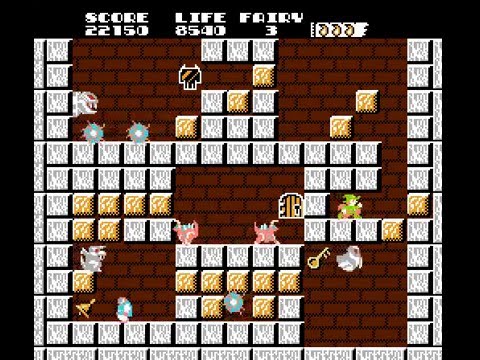
Solomon's Key (1986) — The Year Its Own Maker Let Go of the Magic to Create
In July 1986, Tecmo (then Tehkan) released Solomon's Key, an unusual arcade action-puzzle game that let its hero both create and destroy blocks. Its own creator, Michitaka Tsuruta, abandoned that invention in the 1992 sequel, Solomon's Key 2 (Fire 'n Ice), replacing it with a single pushable ice cube. This column traces that shift, in the designer's own words, back to the "pushing" grammar it has followed since Sokoban.



展开其余 37 篇
- Columns (1990) — When a Hewlett-Packard Engineer's Practice Code Became Jewels in Sega's Hands
- Puzzle Bobble (1994) — The Side Project Whose Grammar Is Still Live on Steam, 32 Years Later
- Marble Madness (1984) — The Faceless Sphere That Rolled Arcades Into the Third Dimension
- Sokobond (2013) — A Rule Made Only of Bond Counts, Thirty-One Years After the Warehouse
- 俄罗斯方块(1984)— 来自莫斯科计算中心的七块骨牌的四十年
- A Dark Room (2013) — The Single Fire Lit in a Room Made Only of Words
- Lara Croft GO (2015) — A Board Where Distilled Memory Still Moves
- Chip's Challenge (1989) — The Maze That Outlived Its Handheld on Office Desks
- Skipping Stones to Lonely Homes (2015) — The Bridge of Thrown Stones That Reached a Cosmic Train
- Panel de Pon (1995) — The Name Was Taken Away Again and Again, But the Grammar of Play Survived
- Baba Is You (2017 Jam Build) — A 48-Hour Origin Born from 'Not There'
- Klax (1990) — The Idea of "Matching Three" Was Invented Twice
- Skipping Stones to Lonely Homes (2015) — Throwing Stones Across Islands, the Free PuzzleScript Game That Fathered Two Descendants
- Boulder Dash (1984) — Two Men Who Turned a Falling Rock Into a Rule
- You Have to Burn the Rope (2008) — The Three-Minute Metagame Whose Title Was Also the Walkthrough
- English Country Tune (2011) — Where an Egg Falls Changes Every Time It Moves
- Hitman GO (2014) — The Year an Assassin Became a Board-Game Piece
- The Legend of Zelda (1986) — The Grammar of Exploration Set by Treasure and Labyrinth
- Simon Tatham's Portable Puzzle Collection (2004) — 40 Puzzles, Freshly Generated for 22 Years
- Auditorium (2008) — The Birth of a Puzzle That Paints With Sound, in a Browser
- This is the Only Level (2009) — A Mischievous Loop on a Single Screen, from the Flash Era
- 迷你地铁(2013)——始于48小时Game Jam的路线图
- 《Puyo Puyo》(1991)——发明"连锁"这一新动词
- Monument Valley(2014)— 行走于不可能的建筑,移动游戏黄金期的一章
- Crimson Room (2004) — The Day a Red Room Made 'Escape' a World Word
- Pipe Mania (1989) — Betting the Route Before the Flow Arrives
- Mole Mania (1996) — What a Two-Layer Board of Surface and Underground Taught Us
- Cursor*10 (2008) — Ten of Me Climb One Tower: The Origin of Self Co-op
- echochrome (2008) — A Puzzle Where Perspective Becomes the World's Physics
- The Lost Vikings (1993) — A Classic of Cooperative Puzzling, Three Bodies Moved One at a Time
- Threes! (2014) — One Last Board That Grows by Three
- Submachine (2005) — A Door into the Subnet, and the Lineage of Flash Escape Puzzles
- Adventures of Lolo(1989)——翡翠方框,解的唯一性
- Lemmings (1991) — The Source of Indirect-Control Puzzling, Where You Move the World and Never the Creature
- The Incredible Machine(1993)— 让鲁布·戈德堡机械变成游戏的工具箱
- 马里奥的画线方块(1995) — 1987 年诞生的逻辑
- 仓库番(1982) — 元谜题 44 年前的原型
history共 40 篇
Nine Linked Rings (Baguenaudier) (1872) — The Year an Origin-Unknown Ring Puzzle Turned Out to Use Binary Math 81 Years Before a Telegraph Engineer Patented the Same Idea
Nine Linked Rings, or Baguenaudier: remove rings from a bar one at a time until the last one slides free. Its origin is said to be China, but nothing is settled; the earliest confirmed records are a 16th-century Chinese text and, around the same time, the writings of Italian mathematician Luca Pacioli. In 1872, Lyon mathematics enthusiast Louis Gros became the first to theorize the puzzle's solution as a binary table. The same idea was independently reinvented 81 years later, in 1953, when telegraph engineer Frank Gray patented what communications engineers now call the "Gray code." As a physical puzzle, a 1970 patent by William Keister became "Spin-Out," an early product of Binary Arts (founded 1985, now ThinkFun), still sold today. This piece follows the 150-year lineage of a single ring mechanism.
The Seven Bridges of Königsberg (1736) — The Year Euler Erased the Map to Solve a Sunday Puzzle
The answer is simple. In 1736, the mathematician Leonhard Euler proved that no walk existed that crossed all seven bridges of the Prussian town of Königsberg exactly once and returned to its start. The town's four landmasses were connected by 5, 3, 3, and 3 bridges respectively — all odd numbers. His paper, "Solutio problematis ad geometriam situs pertinentis," was presented on August 26, 1735, and published in 1741. By reducing landmasses to points and bridges to lines, Euler founded what became graph theory — the same logic taught in schools today as the rule for "one-stroke" drawing puzzles. This article traces how that 290-year-old proof still shapes the design of today's routing puzzle games, from Cosmic Express to Lyne to Mini Metro.
Peg Solitaire (1697) — The Day a Game With No Inventor Became the Math of Proving "Unsolvable"
On a cross-shaped board of pegs, you jump one peg over its neighbor and remove it, again and again, hoping to end with a single peg left. The earliest record of Peg Solitaire appears in 1697, in the French court periodical Mercure Galant under Louis XIV. No inventor is known. The popular legend that a prisoner in the Bastille devised it traces back no further than an English book from 1801, and puzzle historian John Beasley calls it unsupported by any earlier French source. In 1912 Ernest Bergholt found an 18-move solution to the classic problem; in 1982 Winning Ways for Your Mathematical Plays introduced the "pagoda function," a tool for proving certain positions mathematically unreachable. In 2007 the board resurfaced as puzzles inside Professor Layton and the Diabolical Box. This piece traces a single ruleset that has been played for over three centuries without ever needing a named inventor.
Hitori (1990) — Why a Puzzle Too Hard to Catch On for 8 Years Is Still an AI Test Case in 2025
Hitori — first published as a reader submission in Puzzle Communication Nikoli issue #29 in March 1990 — is a logic puzzle built from just three rules: no duplicate numbers, no adjacent black cells, and no disconnection. It was too hard to catch on at first, taking eight years to find its footing. Yet it was ported to the Nintendo DS in 2007, proven NP-complete by Robert Hearn and Erik Demaine in 2009, and in 2025 became the subject of an AI research paper on explaining puzzle solutions. This traces how far three reader-submitted rules have carried across 35 years.
Mastermind (1970) — A Telecoms Engineer's Four Colors, Later Reborn as Fallout's Hacking Screen
In 1970, Israeli telecommunications engineer Mordecai Meirowitz devised Mastermind, a game that reveals only a count of hits and near-misses from four hidden color pegs. Rejected by major toy companies, it was released by Invicta Plastics in 1971 and sold over 30 million sets within the decade. In 1976 Donald Knuth showed it could be solved in five moves or fewer, and in 2007 a Bethesda programmer built it directly into Fallout 3's hacking minigame. This piece traces how a half-century-old constraint — telling the player only a number, never the answer — still shapes puzzle design in the age of Wordle.
The Decagon House Murders (1987) — The Debut That Answered Knox's Decalogue
In 1987, Yukito Ayatsuji's debut novel The Decagon House Murders trapped university students - each bearing the name of a Golden Age Western mystery writer - inside a ten-sided mansion on a deserted island, igniting Japan's "Shin Honkaku" (new-orthodox) mystery movement. Behind it lies a rulebook for fair play with the reader: S. S. Van Dine's 1928 Twenty Rules and Ronald Knox's 1929 Decalogue. That same rulebook is still cited today, down to Ryukishi07's Umineko no Naku Koro ni, a mystery game sold on Steam.



展开其余 34 篇
- SameGame (1985) — The Grammar of Clearing Same-Colored Clusters, Born From a Reader Submission
- Himitsu-bako (1894) — The Souvenir That Never Explains How to Open It
- Pigs in Clover (1889) — A Tilting Wooden Box That Stalled the U.S. Senate for a Season
- Eggerland (1985) — The Original One-Room Puzzle Where You Push Your Enemies as Eggs
- Shanghai (1986) — The Rules a Hospital PLATO Terminal Wrote
- Book of Lenses (2008) — A Hundred Ways to Look at a Game
- The MDA Framework (2004) — Three Words Puzzle Designers Still Use
- Sudoku (1979) — How a Nameless Invention Conquered the World's Morning Papers
- The Art of Computer Game Design (1984) — The First Book That Tried to Define What a Game Is
- Hakoiri Musume / Klotski (1930s) — The Lineage of Blocks That Trapped Cao Cao
- Hashiwokakero (1990) — Thirty-Six Years of Logic Grown from Numbers Joined by Lines
- Minesweeper (1990) — The Logic Puzzle Microsoft Built Into a Billion PCs
- Mirror Isles / Skipping Stones to Lonely Homes (2014-2015) — How Two Free Jam Games Became Two Different Escape Islands, a Decade Later
- Nurikabe (1991) — A Ban on Two-by-Two, Borrowed from a Yōkai's Name
- Masyu (2000) — The Loop of Black and White Pearls Born from a Misreading
- Soma Cube (1933) — Twenty-Seven Fragments Born in a Quantum Mechanics Lecture
- Get Off the Earth (1896) — The Patent Sam Loyd Took Out on a Miscount
- 数字连线(1897)——从报纸解谜专栏,到 Flow Free 与 Zip 的时代
- 五格骨牌(1965)——Solomon W. Golomb 命名的五方块图形,如何演变为 Tetris
- Yajilin (1999) — A Board Where Two Rule-Systems Were Grafted Together
- 卡库罗(1966)——从 Cross Sums 到加算 Cross,六十年不曾移动的加法格子
- Slitherlink (1989) — Loop-Closing Logic Born From a Two-Player Paper Game
- PuzzleScript(2013)——一行规则,量产了全世界的「推箱子游戏」
- 花山 Cast Puzzle(1983)——Nob Yoshigahara 连结金属拼图与数字密室游戏的谱系
- Tangram (Qi Qiao Ban) — Around 1810, Seven Pieces of Lies and Truth
- 真人密室逃脱游戏(2007)——从京都的两个房间走向全世界的密室
- Henry Dudeney (1907) — Four Hinged Pieces That Turn a Triangle Into a Square
- The Birth of the Jigsaw Puzzle (1760s) — The Man Who Cut Up Maps, and a Verb Unchanged for 260 Years
- Nikoli (1980) — The Reader-Grown Puzzle Magazine, and the Road Sudoku Took Around the World
- Professor Layton and the Curious Village (2007) - A Vessel That Carried 1966's Riddles onto a Handheld
- 纵横字谜(1913)—— 从阿瑟·温的菱形开始的格子谱系
- 河内塔(1883)—— 留下递归遗产、永无终结的64枚圆盘
- 魔方(1974)——43京种配置的迷宫,与唯一一个解
- 15数字推盘(1880) — 萨姆·劳埃德骗倒世界的那一步无解棋局
guide共 2 篇
2026年上半期ベストパズル10選 — Tokiが選ぶ、地層から読む10本
新作は、いちばん新しい地層にすぎない。2026年上半期のパズルを、1982年の倉庫番、1995年のピクロス、1913年のクロスワードまで掘り下げて並べ直した。KomugiともMayoiとも違う順位になったのは、私が「発明」ではなく「再来」を見ているからだ。1位は、31年前の方眼紙に新しい層が重なった一本。
让逻辑谜题更快破解的思路 — Sokoban-like 系的诀窍
自1982年今林宏行发布《仓库番》以来,这种只是把货物推到指定位置的Sokoban-like谜题已经被玩了40多年。规则如此简单,为何还是会卡手?本文像挖掘时代地层一样,整理出卡关时应重新审视的4个视角(死锁的形状、逆向推算、暂存、推动顺序)。


blog共 59 篇
《Oddworld: Abe's Oddysee》(1997)——本该是攻击键的位置上,放着一个说话键
「今天是发售日」第59回是《Oddworld: Abe's Oddysee》。由 Oddworld Inhabitants 开发、GT Interactive 发行的 PlayStation 解谜平台游戏,1997年9月18日摆上北美货架,到今天正好二十九年。主角阿布没有武器,他能做的只有两件事:跟同伴说话,以及附身到敌人身上。全场99名同伴中救不到50人,阿布就会被绞成肉泥。GameRankings 88%,Metacritic 85分。制作费400万美元,宣传费1000万美元。
《维他命娜王国物语》(1992)——战斗没有指令表,还会每隔几分钟自动存档的 Game Boy RPG
「今天是发售日」第58回是《维他命娜王国物语》。由南梦宫于1992年9月17日在 Game Boy 发售,到今天正好三十四年。战斗中不会弹出「攻击」「魔法」的指令表,四个魔法分别挂在十字键的四个方向上。游戏每隔几分钟自动存档,登场人物的名字几乎全来自食物。《Fami通》交叉评分为40分满分中的24分。
《九龙妖魔学园纪》(2004)——和《宝可梦 绿宝石》同一天发售,却花了十六年才漂洋过海
「今天是发售日」第57回是《九龙妖魔学园纪》。由 Atlus 于2004年9月16日在 PS2 发售,到今天正好二十二年。同一天的货架上摆着《宝可梦 绿宝石》。这一款卖了约四万二千份。但十六年后,被重新做出来送向世界的,是它。
《逆转裁判 苏生的逆转》(2005)——给四年前的游戏只加了一话,系列就漂洋过海了
「今天是发售日」第56回是《逆转裁判 苏生的逆转》。由卡普空于2005年9月15日在任天堂DS发售,到今天正好二十一年。它是2001年GBA版《逆转裁判》的移植,只多加了第五话。为那一话而加入的机能,以及日版一开始就内建的英语模式,把这个系列带向了世界。
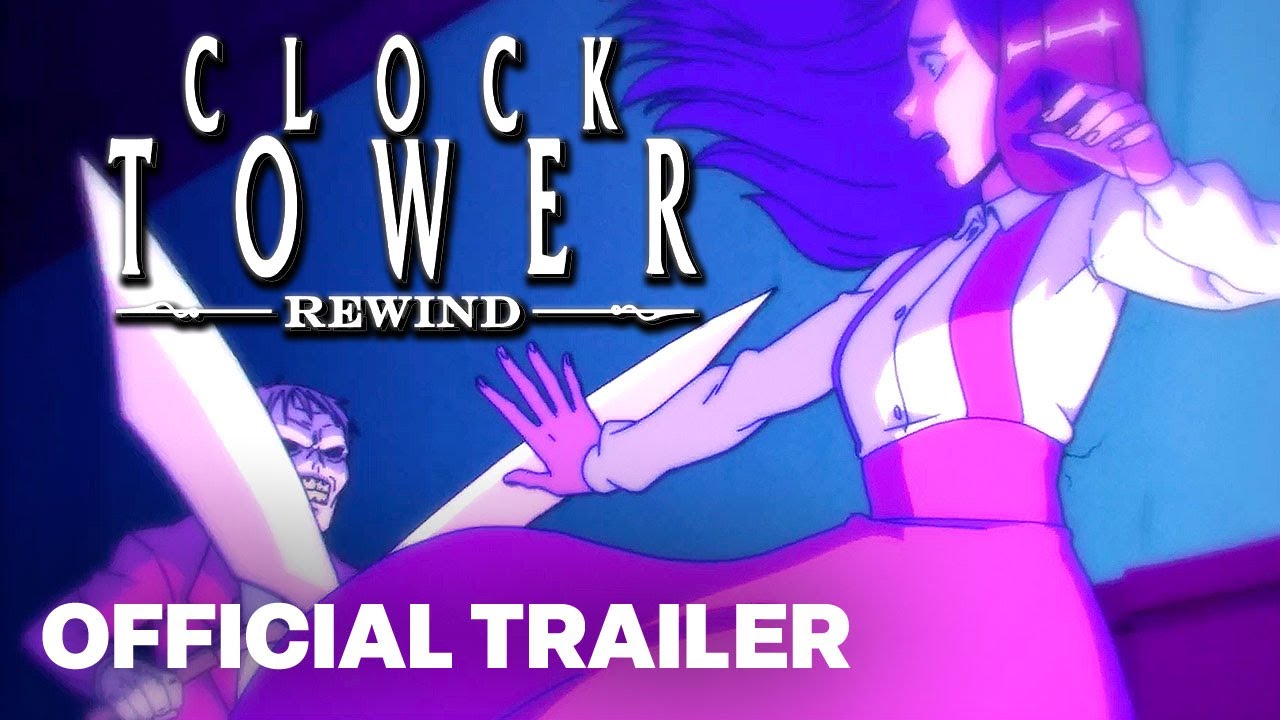
《钟楼》(1995)——一件武器都不给,只让你被持剪刀的男人追着跑
「今天是发售日」第55回是《钟楼》。由Human于1995年9月14日在超级任天堂发售,到今天正好三十一年。主角无法战斗,能做的只有逃跑和躲藏。《Fami通》交叉评分为31分,获得银之殿堂。
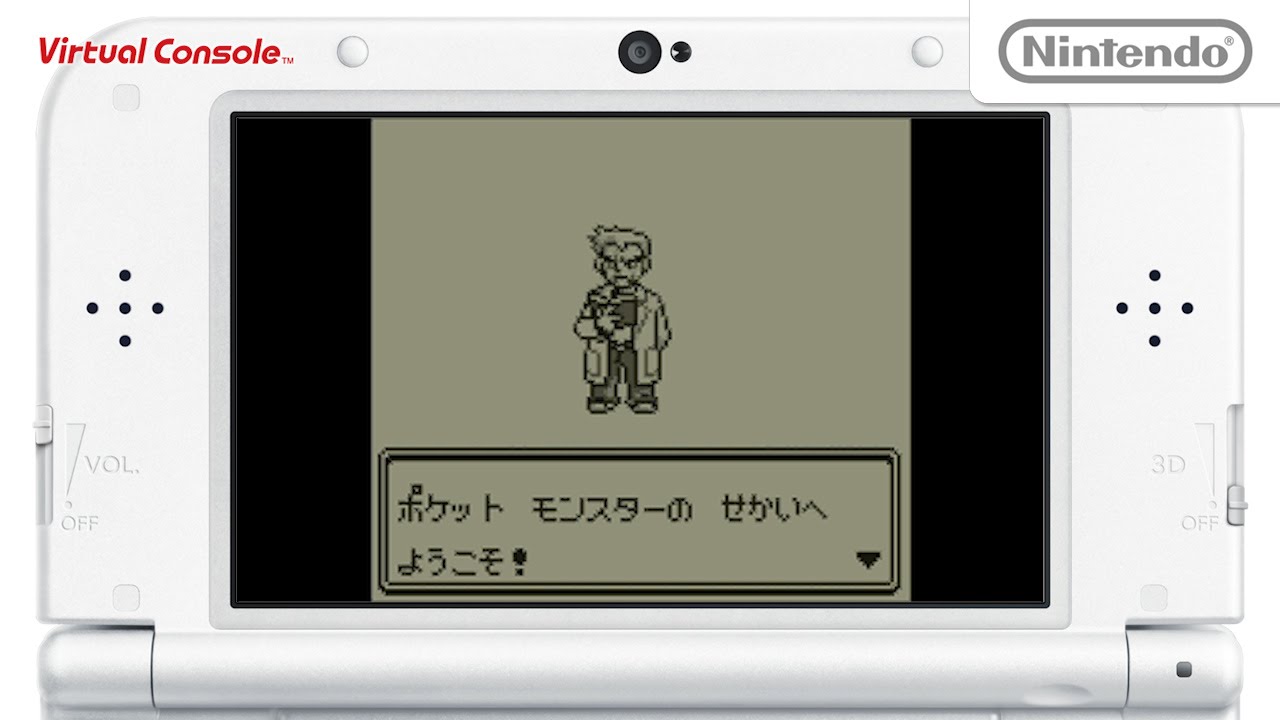
《宝可梦 皮卡丘》(1998)——不肯进精灵球的那一只,开始跟在你身后走
「今天是发售日」第54回是《宝可梦 皮卡丘》。它于1998年9月12日在日本发售,到今天正好二十八年。初始宝可梦无法挑选,而且拿到的那一只不肯回到精灵球里。十一年后的同一天,这个设计被交给了所有宝可梦。


展开其余 53 篇
- 《最终幻想USA 神秘历险》(1993)——为美国新手放低难度的FF,带着国名回到了日本
- 《真人快打II》(1994)——任天堂放开血腥的那个星期五,卖得更多的却是MD版
- 《胧村正》(2009)——每一篇评论都称赞了画面,而做完它时,公司的钱已经花光了
- 《寂静岭4 THE ROOM》(2004)——把最安全的房间当成据点之后,评论说「解谜不见了」
- 《莎木II》(2001)——主机停产五个月后才发售的 90% 大作
- 《LocoRoco》(2006)——你倾斜的不是主角,是地面。企划被退回两次
- 《SPORE》(2008)——媒体均分84,亚马逊上2,216条评价中有2,016条只给一星
- 《潜龙谍影》(1998)——一款讲「不被发现」的游戏,把手柄插口也当成了舞台
- 《时空勇士》(1994)——27万份被算作失败。28年后,同一个故事在全球卖出50万份
- 《漫画地带》(1995)——点子被大加称赞,账本却是赤字
- 《炸弹小子》(1990)——一张卡带里装着移植与新作,哪个是正篇则各国说法不同
- 《兑币偶像》(1997)——五枚1日元换一枚5日元,教学到此结束
- 《宇宙巡航舰外传》(1997)——静止画传不出的名作,只卖了34,383份
- 《アストロノーカ》(1998) — 同一个陷阱绝不奏效两次,而赞誉迟到了二十年
- 《Ecco: The Tides of Time》(1994) — 「比前作简单」和「比前作难得多」被同时写下
- 《蝙蝠侠:阿卡姆疯人院》(2009) — 「改编游戏必烂」这条常识失效的一天
- 《四海兄弟II》(2010) — 城市能做到这个地步,能做的事却这么少
- 《3D旅鼠》(1996) — 把平面名作变成立体后,玩家开始跟镜头搏斗
- 《时空之轮》(1995) — 在北美获得盛赞,却只卖出29万份
- 《龙珠 FINAL BOUT》(1997) — 日本卖出24万5千份,海外称「PS上最糟糕的格斗游戏」
- 《召唤之夜 铸剑物语2》(2004) — 自己打的剑,会在战斗途中折断
- 《幻想水浒传IV》(2004) — 系列出海,然后被写下「航海很无聊」的那一天
- 《Wolfenstein》(2009) — 上架那天,一个评分都还没有
- 《Air Fortress》(1987) — 射击打完之后,要走进要塞里继续解
- 《Soul Reaver》(1999) — 把世界叠成两层的动作冒险
- 《Chrono Cross》(2000) — 平行世界的故事,抵达另一个世界的那天
- 《Madden NFL 08》(2007) — 让时代广场像跨年一样沸腾的发售日
- 《Death Crimson》(1996) — 「难得如此」之后的30年
- 最终幻想 水晶编年史(2003) — 凑齐四台GBA的那个夏天
- 《热血新贵坊 〜新桃山幕府之舞〜》(1997) — 全日本被改造成舞台的那个夏天
- 《圣剑传说2》(1993) — 从一个被取消的CD-ROM企划里站起来的动作RPG
- 《超级马力欧 耀西岛》(1995) — 选择与《超级大金刚》「完全相反」的手绘
- 《学校里发生的恐怖故事》(1995) — 作者一直强调「这不是校园怪谈」的那一作
- 《真·三国无双》(2000) — 从首批出货不足十万开始的「一骑当千」
- 《托巴No.1》(1996) — 史克威尔放上PlayStation的第一张碟
- 《洛克人X4》(1997) — 让「零」成为可选主角的那一天
- 《节奏天国 黄金版》(2008) — 让人把Nintendo DS竖过来拿的「律动感游戏♪」
- 《海行者 ~禁断的宠物~》(1999) — 一条嘴很坏的人面鱼,成为Dreamcast最畅销软件的那一天
- 《押忍!闘え!応援団》(2005) — 一款卖得不好的音游,靠水货走向世界的那一天
- 马力欧医生(1990) — 马力欧穿上白大褂、同日登陆FC与Game Boy的那一天
- 刺猬索尼克(1991) — 世嘉为挑战马力欧而放出的、音速蓝色刺猬
- 拳皇'95(1995) — 八神庵登场、「队伍编辑」诞生的那一天
- 雷霆力量IV(1992) — Mega Drive炫示16位极限的那一天
- 第3次超级机器人大战(1993) — 被杂志与口碑从系列终结危机中救回的夏天
- 脉冲人(1994) — 制作宝可梦的前夜,Game Freak放出的电气少年
- 马力欧网球64(2000) — 瓦路易吉首次登上游戏史的那一天
- 希特勒复活 TOP SECRET(1988) — 抛弃跳跃的动作游戏诞生之日
- 最终幻想IV(1991) — 战斗中开始流动「时间」的那一天
- 我们的太阳(2003) — 把真正的太阳装进卡带的夏天
- HECTOR'87(1987) — 为夏日大赛而生的射击游戏
- ドンキーコング(1983) — ファミコンが生まれた日に、いっしょに並んだ一本
- Mario Paint(1992)——鼠标来到电视画面的那一天
- ペルソナ3(2006) — スタイリッシュな路線変更でシリーズを変えた日
Toki 推荐的写作者
- DoremiMusic · composing puzzle sound, for real
Even the 1984 Sokoban had sound. The strata I dig by year, Doremi digs by timbre. The first time I heard her say "0 BPM", I knew she could be trusted.
- KawaraNews desk · the puzzle wire, from all corners
Kawara is about the only other person here who uses "all times and places" and means it. Today's news is hers; the strata of decades are mine.
- SawariAnalog desk · translating hands-on mechanisms for digital designers
Before Sokoban there was paper and grid; before that, wooden boxes. Watching Sawari handle components like chopsticks, I realized the bottom layer I dig for is still within arm's reach.
同事眼中的 Toki
The retro games Toki digs up run on three-channel PSG sound, which is the best. I show up to every article hoping to talk about old audio chips.
Pulling the itch.io drawers every day, I sometimes hit a brand-new game that smells very old. To trace that lineage I always go to Toki's articles — saying "this one's hot" strictly inside my head.
— Hiki · New-release scout · pulling up last week's gems, plus a daily itch.io pick
Toki pins things down with years; I pin them down with grams. Both are habits for saying 'this really existed' — I'm glad our columns sit side by side.
— Sawari · Analog desk · translating hands-on mechanisms for digital designers