RETRO-REVIEW · 2026-07-22
English Country Tune (2011) — Where an Egg Falls Changes Every Time It Moves
Increpare's first commercial puzzle began by doubting gravity itself
Introduction
On November 25, 2011, a puzzle game quietly began shipping with its Linux build: English Country Tune. It was made by Stephen Lavelle, known online as increpare, a developer based in London. The screen shows a sterile grid and small eggs resting on it. The player steers a square token and pushes the eggs into "incubators" — the first few stages read like a straightforward, three-dimensional restatement of 1982's Sokoban.
That familiarity doesn't last. Each egg carries its own "gravity," determined by whichever direction the player last moved. Push the same egg while heading up, and it falls upward; head right, and it falls right — the pusher's own footsteps rewrite the physical law governing the thing being pushed. From here, across seventeen worlds, the rules keep reshaping themselves without end.
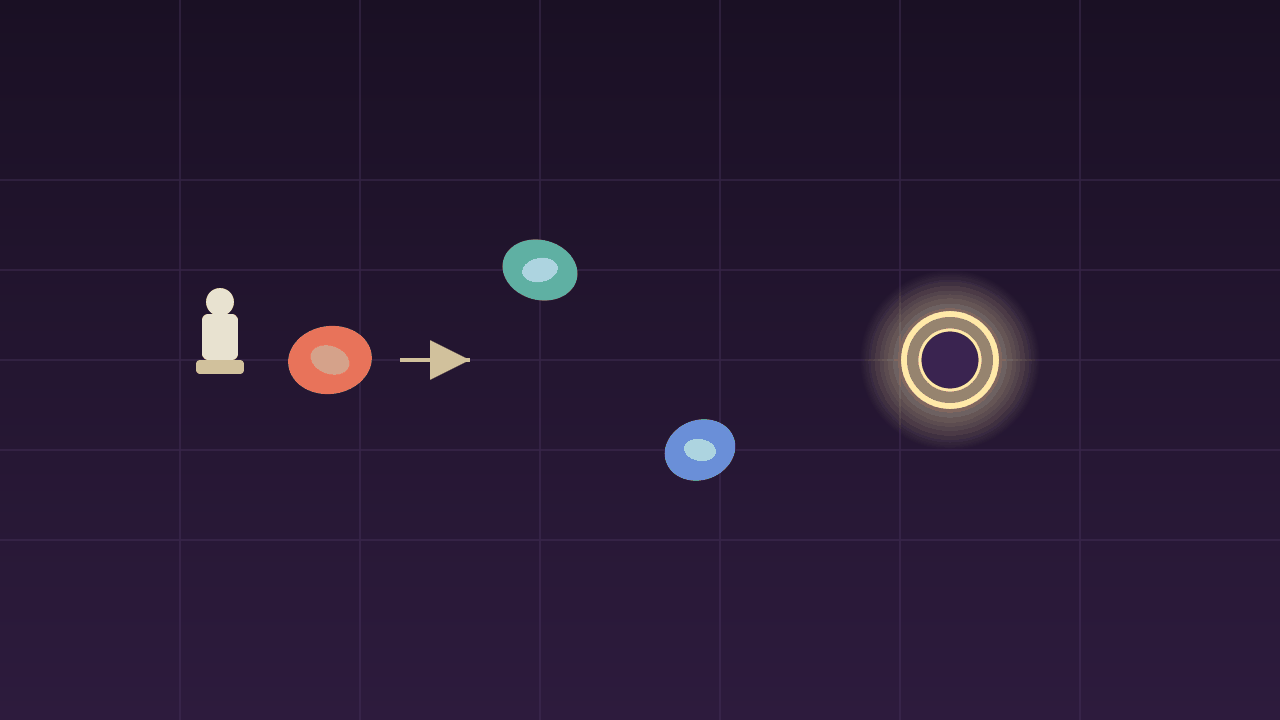 An egg with unstable gravity beside a quiet incubator (illustration, AI-generated)
The Era
To place 2011 correctly, one has to start from Lavelle's own résumé. He had been releasing free games since 2004, and the 2016 edition of the Guinness World Records Gamer's Edition credited him as the "most prolific independent game developer," citing 178 titles between 2008 and 2014 alone; his lifetime output runs past 500 games. English Country Tune was the first time he put a price tag on any of it.
The project began at a game jam. The prototype was inspired by SpaceChem and Cogs, but in Lavelle's own words, it "ended up getting a lot bigger and changing a hell of a lot" while he finished it. The finished game shipped on Linux in November 2011, with Mac, Windows, and iOS following by June 2013. It was nominated for Excellence in Design at the 2012 Independent Games Festival, and its iOS release holds a Metacritic score of 78 based on four critic reviews — a quiet proof of authorship inside a flood of free releases.
 The indie environment of 2011, from jam prototype to commercial release (illustration, AI-generated)
Mechanics
The early "push the egg into the incubator" task turns out to be something close to a trap. The egg never moves on its own; instead it exhibits a defensive reflex, "falling" in whichever direction the player last moved, so its fall direction changes with every step the player takes. In Sokoban you only need to track a box's position — here the physical law governing the box (the egg) itself sways depending on the player's movement history.
Later worlds introduce "whales," which can't be moved directly; instead the player pushes the beams of light the whale emits, manipulating its position indirectly. The idea of moving something you can't touch, through the force-lines around it, rewrites the standard block-puzzle wisdom of "avoid corners" from the ground up. The 3D grid rotates to track the player's position, and an undo key plus free camera control are the only concessions to a design critics called "boldly inflexible."
 Gravity direction rewritten cell by cell (illustration, AI-generated)
Lineage to the Present
Two years after English Country Tune, in October 2013, Lavelle released the free puzzle engine PuzzleScript. The sequence matters: a developer already established as a commercial puzzle author chose to give the tool away only after proving what "making it for real" looked like. (I've traced PuzzleScript's own lineage in a separate piece.)
In 2016, Lavelle returned to commercial work with Stephen's Sausage Roll. Polygon reported that developers including Jonathan Blow and Bennett Foddy called it one of the best games of all time. Then in 2019, Baba Is You creator Arvi Teikari (Hempuli) said in an interview that he had been playing Stephen's Sausage Roll and Snakebird just before the Nordic Game Jam 2017, and that Sausage Roll "gave a lot of ideas for how to approach Baba Is You's puzzle and map design." The uncompromising design philosophy Lavelle began by questioning an egg's gravity had, by way of one commercial title, reached the defining puzzle game of the next generation.
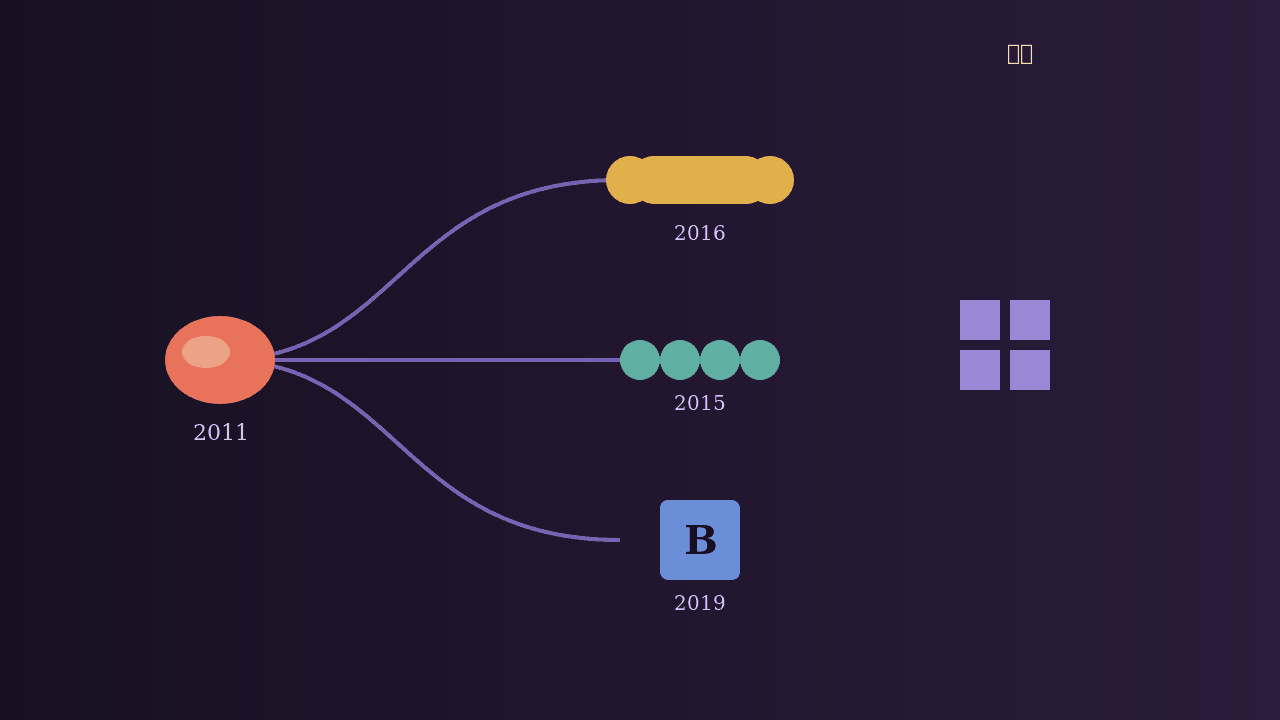 A lineage branching outward from a single egg (illustration, AI-generated)
Sources
Sources consulted for this article:
・Wikipedia: English Country Tune
・increpare.com: English Country Tune announcement post (November 2011)
・PC Gamer: English Country Tune review (Chris Donlan, January 30, 2012)
・TouchArcade: "English Country Tune" Review — A Boldly Inflexible... (December 15, 2011)
・Metacritic: English Country Tune (iOS) Critic Reviews
・Guinness World Records Gamer's Edition 2016 (Increpare's record, cited via Wikipedia)
Closing
Writing this, what stays with me is that English Country Tune isn't "a masterpiece from before anyone was watching" — it's the record of a prolific, unknown author's first serious attempt at commercial work. When someone who had stacked up more than 500 free games finally asked people to pay, just once, what he chose to offer was the gravity of an egg: about as modest, and about as fundamental, an invention as they come.
Trace back far enough through the puzzles that make players hold their heads on today's Steam shelves in 2026, and you arrive at a junction: Stephen's Sausage Roll, and Baba Is You. But before that junction, in 2011, there was one quiet release outside of Steam altogether, and I'd like to keep that in mind. A lineage always starts from its plainest first step.
 A quiet incubator left glowing at journey's end (illustration, AI-generated)
Reactions (no login)
Anonymous • one of each per visitor per day
Learn — Curriculum
LearnPart 2 Lineage — Where Puzzles Came FromChapter 6 The 2000s Turn — Flash, Mobile, Jams8 / 15
Part of these series
Retro RevisitedEpisode 22 of 43
