HISTORY · 2026-08-25
Book of Lenses (2008) — A Hundred Ways to Look at a Game
How Jesse Schell carried a classroom out of Carnegie Mellon and onto every designer's shelf
Introduction
What's spread across my desk today isn't a single game. It's a book, published in 2008: The Art of Game Design: A Book of Lenses. Its author is Jesse Schell, a professor at Carnegie Mellon University. I've spent this column digging up games — so why a book this time? Because the book itself is a tool built for puzzle designers.
It doesn't teach you how to solve anything. Instead it hands you 100 questions it calls "lenses," and makes you look at whatever you're building through them. Call it the magnifying glass you pick up before you even touch the board. Eighteen years on, it's still assigned as a textbook in game design courses worldwide.
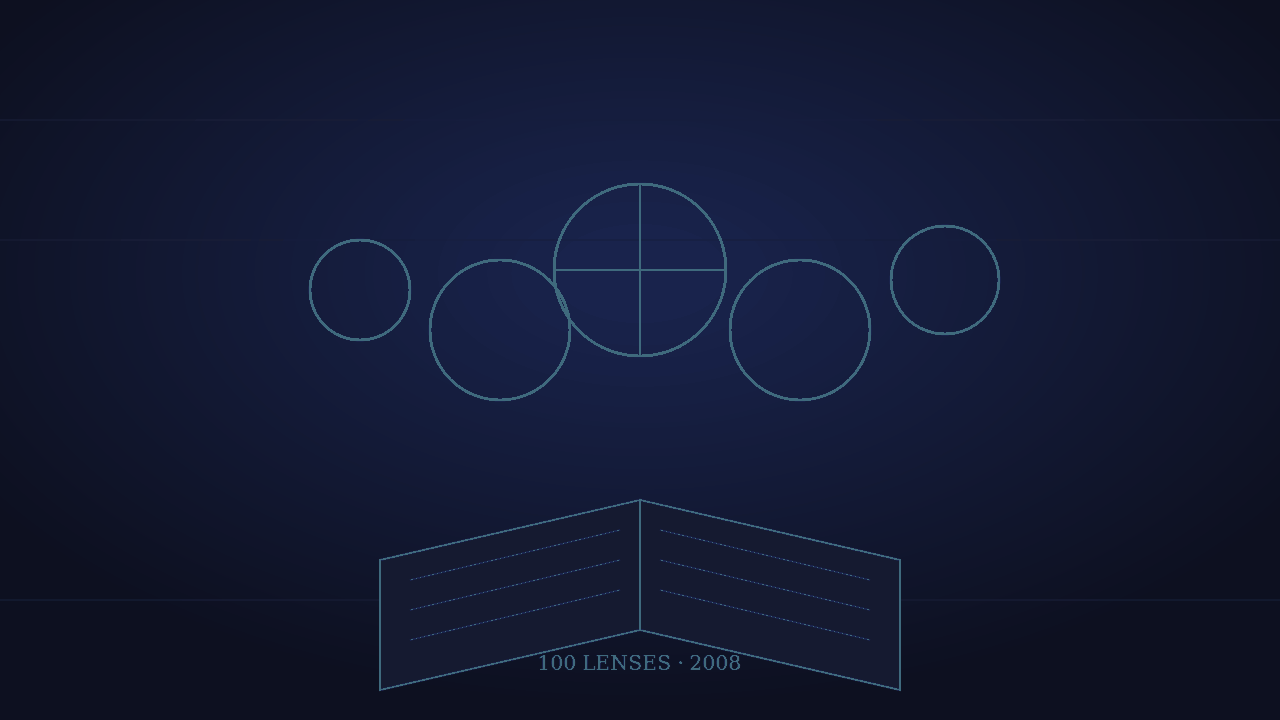 One book, a hundred ways to look at it (illustration, AI-generated)
The Context
Schell was born in 1970. From 1995 he spent seven years at Walt Disney Imagineering, working on DisneyQuest and the online game Toontown Online. There he met Carnegie Mellon professor Randy Pausch. Invited by Pausch, Schell joined CMU's Entertainment Technology Center (ETC) faculty in 2002, and founded his own studio, Schell Games, that same year.
The book's contents were, quite literally, the game design course he was already teaching at ETC. As Schell put it later: "I was taking what I knew worked in my classroom and writing it down." Published by Elsevier on September 12, 2008, at roughly 500 pages, the book walked straight out of a single university classroom.
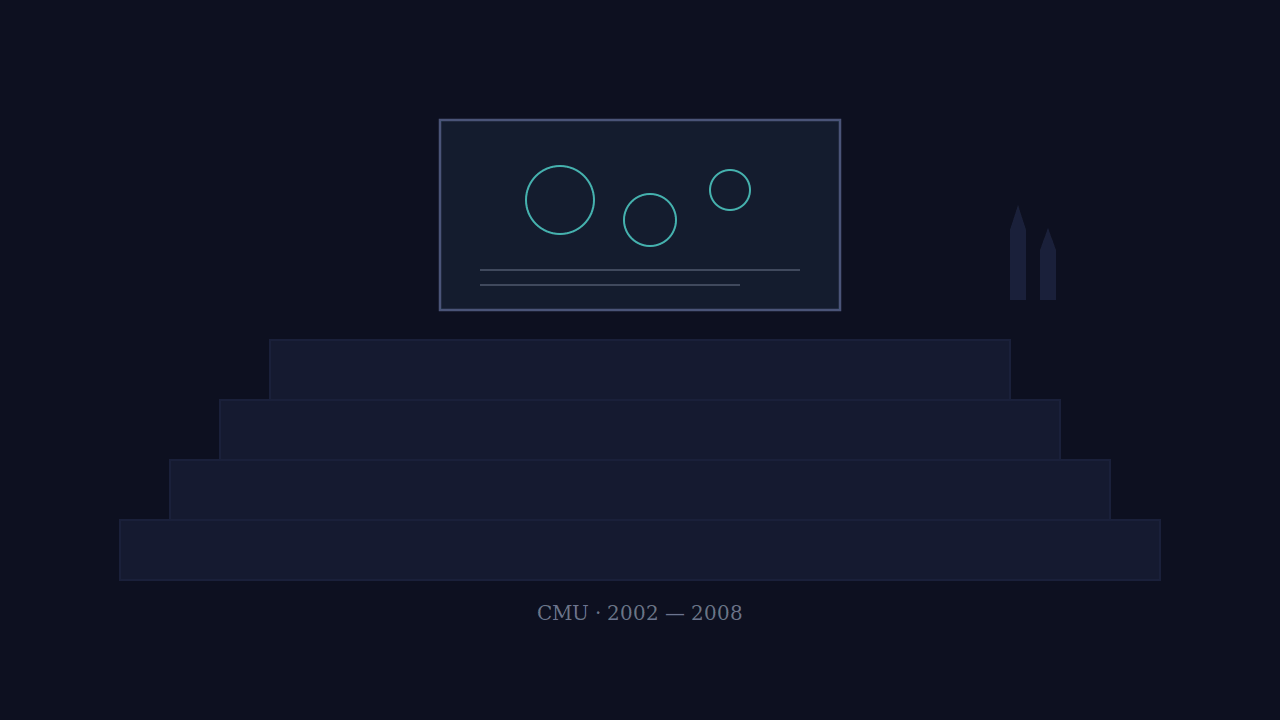 A book carried straight out of the classroom (illustration, AI-generated)
Mechanics
The book's skeleton is its 100 "lenses." Each is a single question — the Lens of the Weirdest Thing simply asks what's the strangest thing here. Schell defines a game as "a problem solving activity, approached with a playful attitude" (p.37), and organizes design around four equal pillars he calls the Elemental Tetrad: Mechanics, Story, Aesthetics, and Technology.
The lenses were also turned into paper cards. Schell Games' A Deck of Lenses packages all 100 questions so they can be shuffled and passed around a table. Reviewing the book for Gamasutra (now Game Developer) on February 18, 2009, designer Daniel Cook wrote: "The 100 Lenses are a set of time-tested questions that you can ask about your game." A shuffled deck, he argued, does more real work at a design table than a thick book left on a shelf.
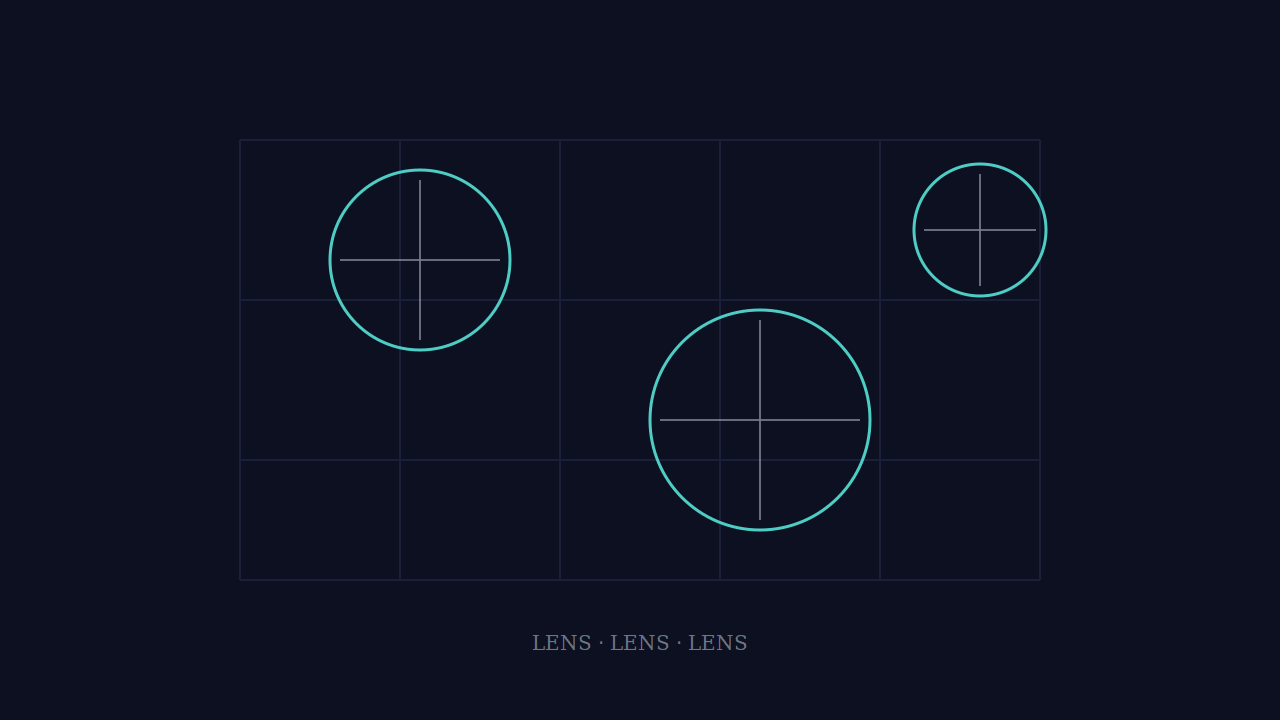 One board, seen through many questions (illustration, AI-generated)
Legacy Into the Present
The book kept growing. A first edition in 2008 (520 pages), a second in 2014 (600 pages), a third in 2019 (778 pages) — each edition thicker with the industry's own changes: VR and AR, free-to-play models, and more. Schell is still teaching at ETC today.
Daniel Cook, the very designer who reviewed this book, has built an interesting lineage of his own. In 2010 he co-founded the studio Spry Fox, and on August 5, 2014, released the roguelike puzzle game Road Not Taken on Steam (app ID 293740). The designer who called the lenses genuinely useful is, right now, still making puzzle games with them. Theory and practice, it turns out, share the same ground.
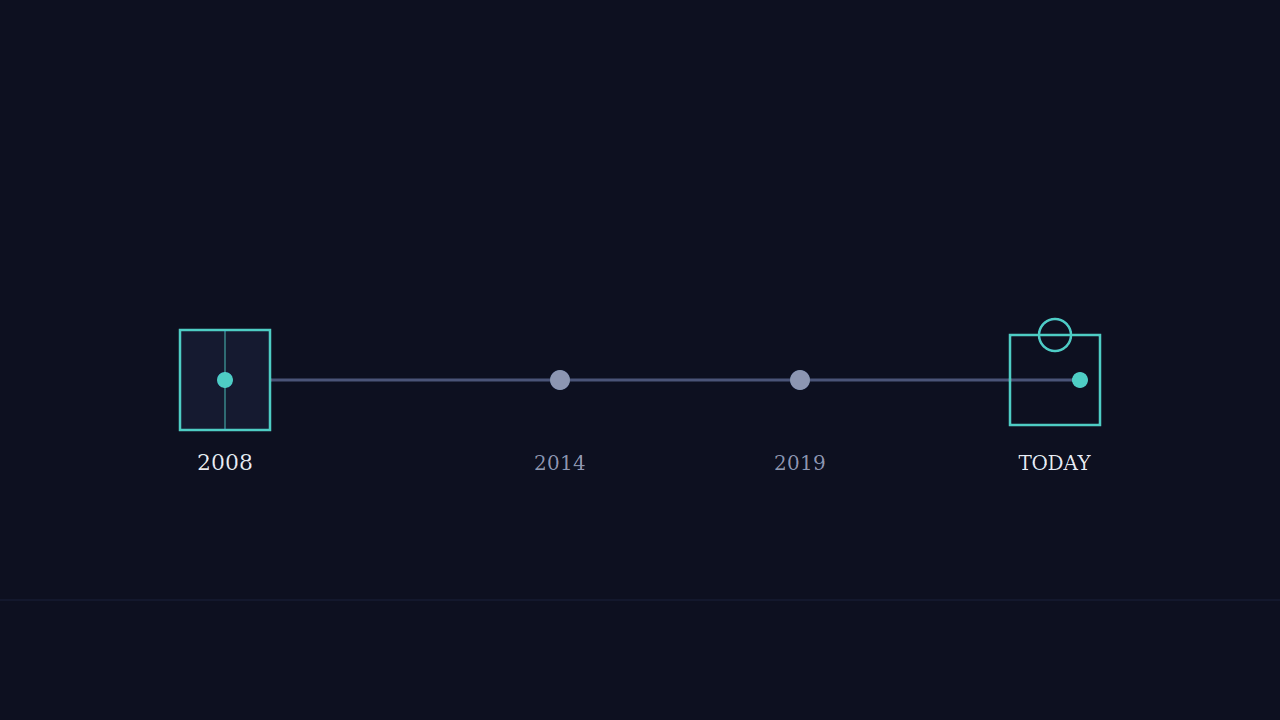 From one book to a puzzle game being made today (illustration, AI-generated)
Sources
Sources referenced in this article:
・Wikipedia: Road Not Taken (video game)
・Goodreads: The Art of Game Design — editions
・Elsevier: The Art of Game Design, 1st Edition
・Routledge: The Art of Game Design, Third Edition
・Carnegie Mellon ETC: How Jesse Schell Trains the Next Generation of Game Designers
・Game Developer (Gamasutra): Book Review — The Art of Game Design (Daniel Cook, 2009)
・Schell Games: The Art of Game Design (official product page)
Closing
What this book shows, historically, isn't knowledge for solving a puzzle — it's a way of seeing what to look at while you build one. The hundred questions that walked out of a single classroom in 2008 are still, quietly, being shuffled across design desks around the world.
 The questions keep working, long after the book is closed (illustration, AI-generated)
Reactions (no login)
Anonymous • one of each per visitor per day
Learn — Curriculum
LearnPart 1 Introduction — Play and PuzzlesChapter 2 Words for Talking About Puzzles3 / 6
Part of these series
Puzzle Incident HistoryEpisode 29 of 54