TAG
#browser
0 篇评论 · 3 篇随笔
相关随笔
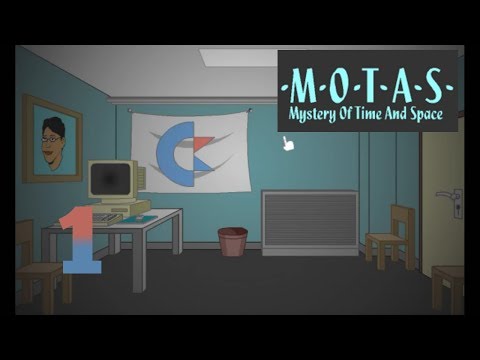
MOTAS (2001) — The One-Person Flash Site That Named the "Escape Room" Genre
MOTAS (Mystery of Time and Space) is a Flash adventure released in November 2001 by solo developer Jan Albartus (handle: LOGAN). The English Wikipedia states that the term "escape the room" itself originated from this game. Expanded to 20 rooms by 2008 and translated into 15 languages by volunteers, it is credited by name as a direct influence in the credits of Crimson Room (2004), the game that turned the genre into a worldwide phenomenon. Trace the lineage back through Crimson Room and the Real Escape Game — both covered earlier on this site — and it leads back to this one solo-developer site.
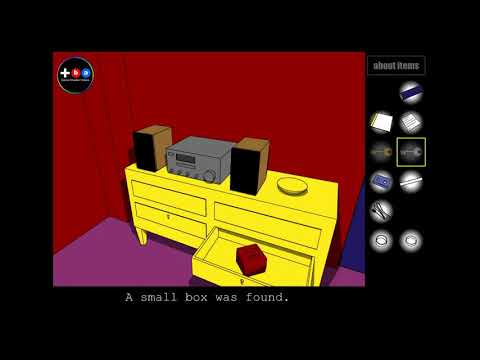
Crimson Room (2004) — The Day a Red Room Made 'Escape' a World Word
On March 4, 2004, Japanese developer Toshimitsu Takagi released a small free Flash game. You wake in a crimson-walled room, gather keys and tools, and leave through a locked door — nothing more. Yet Crimson Room spread the 'escape the room' genre worldwide, gave Asia the genre name 'Takagism' after its author, and by its instigator's own testimony triggered the world's first real escape game in Kyoto, 2007. I read this red room as a rare junction where digital play flowed back into physical space.
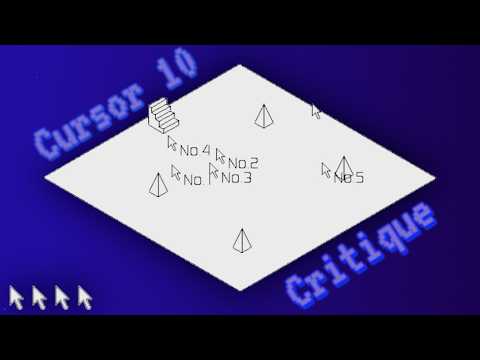
Cursor*10 (2008) — Ten of Me Climb One Tower: The Origin of Self Co-op
In January 2008, Yoshio Ishii of Nekogames posted a single Flash game on his site: Cursor*10. You control the mouse cursor itself; when one life runs out, its recorded actions replay in the next, and you climb a sixteen-floor tower in cooperation with your past selves. I read this small work, built over a single Japanese New Year's holiday, as an origin point of the 'self co-op' grammar in modern puzzle design.