TAG
#rpg
0 reviews · 5 essays
Related essays
Vitamina Oukoku Monogatari (1992) — a Game Boy RPG with no battle menu, that saved itself every few minutes
Episode 58 of "Today Is Release Day": Vitamina Oukoku Monogatari, published by Namco for the Game Boy on September 17, 1992 — 34 years ago today. There is no "Fight / Magic" list in battle; four spells sit on the four directions of the d-pad. The game saves itself every few minutes, and almost every name in it is a food. Famitsu scored it 24 out of 40.
Kowloon High-School Chronicle (2004) — it shared a release day with Pokemon Emerald, and needed 16 years to cross the ocean
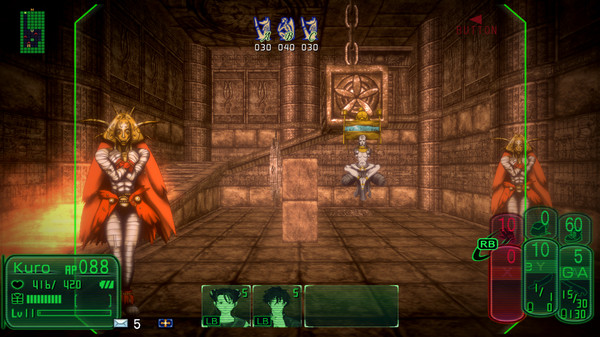
Episode 57 of “Today Is Release Day”: Kowloon High-School Chronicle, published by Atlus on the PlayStation 2 on September 16, 2004 — 22 years ago today. Pokemon Emerald shipped the same day. This one sold about 42,000 copies. Sixteen years later, it was the one that got rebuilt and sent abroad.
Pokémon Yellow (1998) — the day a Pikachu that refused its Poké Ball started walking behind you
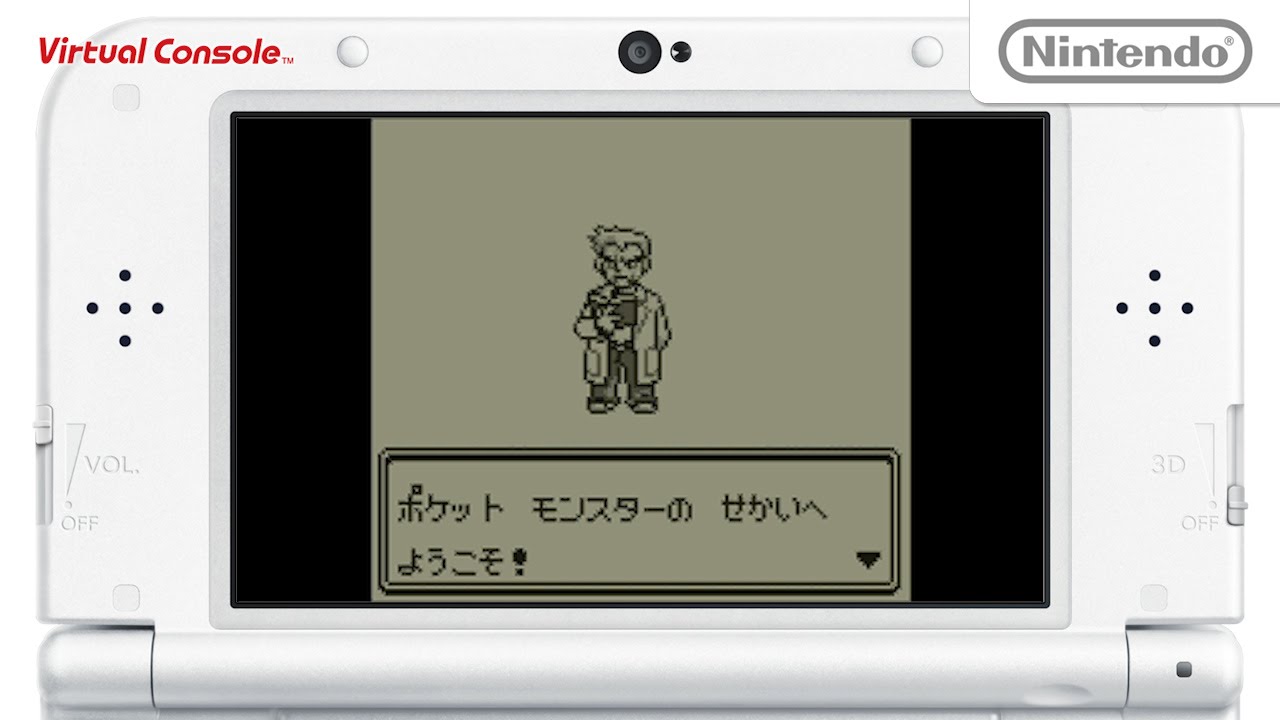
Episode 54 of “Today Is Release Day”: Pokémon Yellow. It reached Japan on September 12, 1998 — twenty-eight years ago today. You don't pick your starter, and the one you are handed won't go back into its ball. Eleven years later, on the very same date, that trick was handed to every Pokémon.
Final Fantasy USA: Mystic Quest (1993) — the Final Fantasy built for American beginners, then shipped back to Japan with “USA” in its name
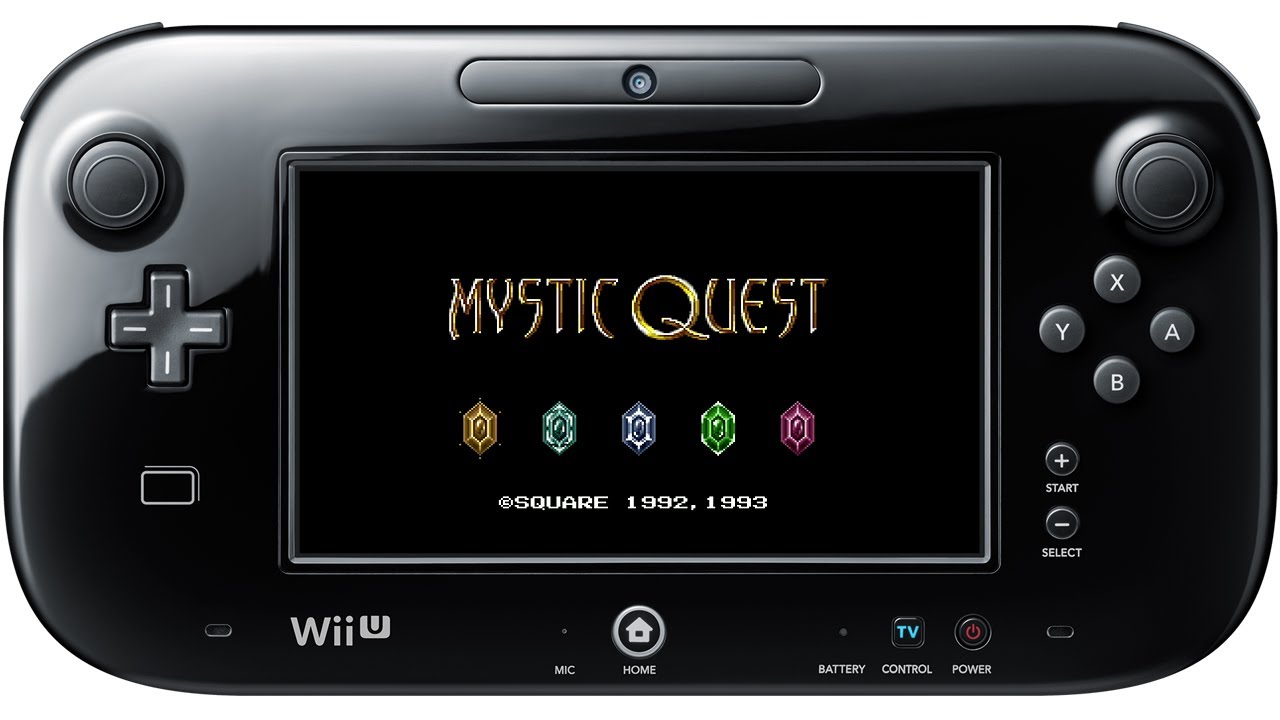
Episode 53 of “Today Is Release Day”: Final Fantasy USA: Mystic Quest. It reached Japan on September 10, 1993 — exactly thirty-three years ago today. Square had built it in Osaka for North American beginners, and it came home eleven months later with the word “USA” on the box. Famitsu's four reviewers gave it 7, 6, 6 and 4. Even the harshest write-ups praised the music.
Chrono Trigger (1995) — acclaimed in North America, 290,000 copies sold
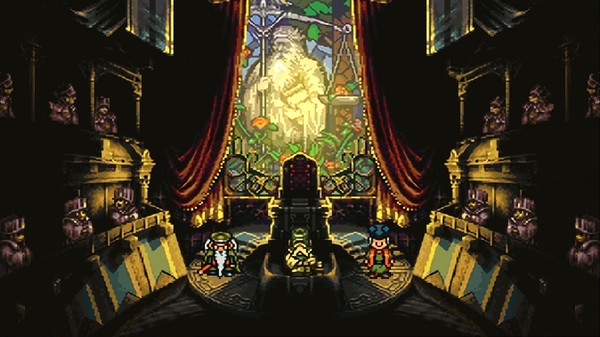
Episode 35 of “Today Is Release Day”: Chrono Trigger. It appeared in Japan on the Super Famicom on March 11, 1995, and the North American version followed on August 22 of the same year. It was built by the “Dream Team” of Hironobu Sakaguchi, Yuji Horii and Akira Toriyama: an RPG that moves between eras, where reaching into the past changes the landscape of the future. Enemies are visible on the map and fights start without a separate battle screen; there are twelve endings, and a replay mode that carries your strength over. Reviews were excellent — an A from Electronic Gaming Monthly, 5 out of 5 from GamePro, 4 out of 5 from Next Generation, 34 out of 40 from Famitsu’s four reviewers — and Nintendo Power called it “revolutionary”. Sales told the opposite story: an August 2003 Square Enix document lists 2.36 million copies in Japan against 290,000 abroad, roughly a tenth of the 2.65 million total. Europe never received the Super Nintendo version at all; its first official release was on Nintendo DS in 2009. Eighteen days after the North American launch, the PlayStation arrived in North America and the 16-bit era began to close. A Steam version followed on February 27, 2018.