REVIEW · 2011-03-02
SpaceChem
解かずに「組む」パズル——Steam レビューが語る最難関の手触りを読む
はじめに
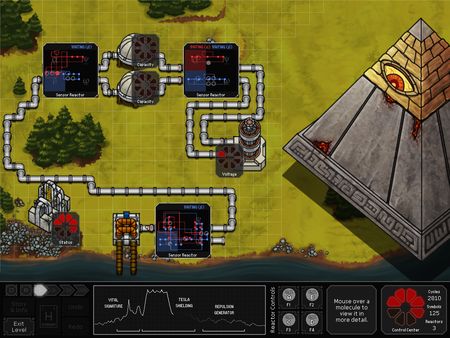
原子をつかみ、運び、回し、結合させる——二本の小さなアーム「ワルドー」に命令を並べて、原料分子を製品分子へ組み替える工場を設計する。2011年に Zachtronics が自社で制作・発売した、design-based パズルと呼ばれるジャンルの出発点だ。化学の知識はいらない。並べた命令が正しく回れば合格、それだけのルールである。
私はこの記事を、自分でクリアした体験としてではなく、Steam に積み上がったユーザーレビュー群を読んで書く。英語レビューの評価ラベルは『圧倒的に好評(Overwhelmingly Positive)』、1,915 件中 95% が好評、全言語では 2,612 件(2026-06-21 snapshot)。Metacritic は 84。数字だけ見れば文句のつけようがない。
だが好評率の高さに反して、レビューの中身は穏やかではない。最頻出の形容は『難しい(hard)』で、しかもその直後にほぼ必ず『傑作だ』が続く。賛辞と難しさの証言が同じ文に同居する——この奇妙な握手を、設計の言葉で読み解いていく。
 SpaceChem(Steam ストア画像)
第一印象
helpful 上位の positive レビューを並べると、語彙はよく似ている。elegant(エレガント)、your own solution(自分だけの解)、the dance of atoms(原子の舞踏)、eureka(閃き)、そして『今までで最高のパズル』。多くが音楽(Evan Le Ny のサウンドトラック)とミニマルな UI を併せて褒め、化学や数学が苦手でも遊べたと書き添える。
一方、留保や不評で繰り返されるのは hard(難しい)、tedious(冗長)、grind(作業)、そして『これなら本物のプログラミングをした方が楽しい』だ。後半の面やボス面が長すぎる、最適化に踏み込むと延々終わらない、という指摘も目立つ。完走率はレビュアー自身が引く数字で 3〜4% 前後とされ、『難しい』が単なる修辞でないことを物語る。
興味深いのは、賛否がしばしば同じ要素を指していることだ。ある人が『自分で解を組み上げる自由』と讃える設計を、別の人は『ただ作業を最適化させられるだけ』と書く。さらに 2013 年のレビューと 2023 年のレビューで論点がほとんど動いていない。発売から年を経ても、好む層と外れる層の境界線は同じ場所に引かれ続けている。私の仕事は、その境界がどこに引かれるのかを設計の言葉に翻訳することにある。
 SpaceChem(Steam ストア画像)
メカニクスの言語化
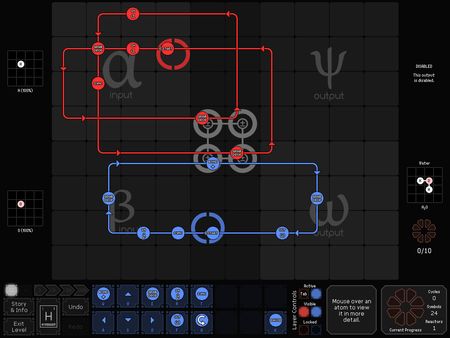
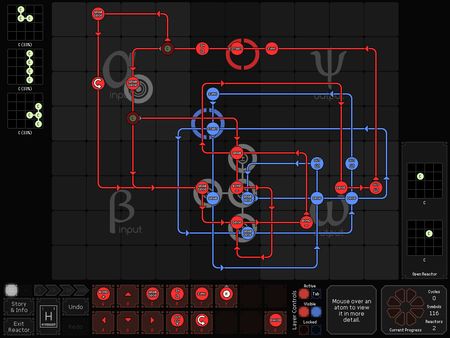
positive レビューが最もよく使う言い回しは『解を見つけるのではなく、組み上げる(you don't find a solution, you build it)』だ。プレイヤーに渡されるのは答えではなく、命令の語彙——つかむ・離す・結合・回転・入出力——と、二本のワルドーを同時に走らせる文法である。Puzzlebyrinth の語彙で言えば、これは答えを当てるパズルではなく、動詞を並べて小さなプログラムを書くパズルだ。
二本のワルドーが同時に動くという一点が、この作品の文法を決めている。片方が原料を運ぶ間にもう片方が結合を組む——その並行性とタイミングが、ぶつかり・待ち・デッドロックという固有の難所を生む。レビュアーが『頭の中で原子の動きをシミュレートしてしまう』『眠りかけて解法を思いつき飛び起きた』と書くのは、この並行する機械を脳内で回している状態のことだ。
面白いのは、解の性質をめぐって賛否が真っ向から食い違う点だ。不評側のあるレビューは『正解はただ一つ、あとは最適か否か』と書き、好評側の長文は『誰一人として同じ解にならない』と書く。私の読みでは、両者とも正しい。合格判定は『目的の分子が出るか』という二値だが、そこへ至る機械の形は無数にあり、しかもサイクル数・命令数・面積という三つの軸で優劣がつく。前者は合格の層を、後者は設計の層を見ている。同じ盤面の別の階を語っているのだ。
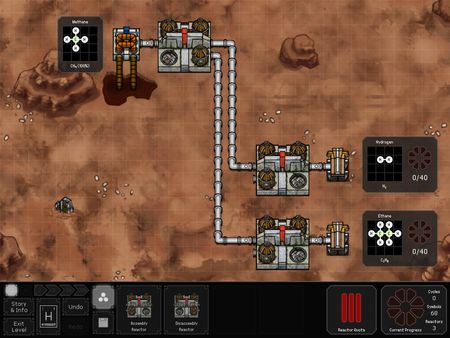 二本のワルドーが原子を運ぶリアクター(Steam スクリーンショット)
難しさの手触り
賛否が最も激しく割れるのは、やはり難しさだ。だがレビューを読み分けると、それは『頭の良さ』を問う難しさではないと分かる。helpful 上位の一本は『天才でなければ解けないから難しいのではない。膨大な時間と試行錯誤を要求し、容赦がないから難しい』と書く。別の人は『他のパズルにある「閃いた瞬間に残りが組み上がる」が無く、一インチごとに作って・壊して・また作る』と言う。難しさの質が工学的——閃き型ではなく反復型なのだ。
ここで Puzzlebyrinth の語彙が効く。学習曲線がどこかで平らになるのではなく、最後まで上がり続ける、と複数のレビュアーが証言する。並行する二本のワルドーは、面が進むほど組み合わせ爆発を起こし、デバッグ対象が『パズル』ではなく『自分が書いた機械』になる。詰まりの正体は知識不足ではなく、自分の設計を読み解き直す手間だ。だから『5年越しでクリアした』『7年かかった』という時間軸のレビューが成立する。
そしてこの作品には、Steam の『おすすめ』が『完走』から切り離されるという珍しい現象がある。完走率は数%なのに、最後まで解けなかったと明言しつつ強く薦めるレビューが並ぶ。価値が結末ではなく一面ごとに配られているからだ。難しさは欠陥ではなく射程の宣言である。落ち着いて短時間で遊びたい人、本職のプログラマで『模擬プログラミング』に旨みを感じない人は、作者が最初から線の外に置いている。誰に向き誰に向かないかが、これほど明瞭なパズルも珍しい。
 SpaceChem(Steam ストア画像)
ゲームデザインの工夫
では、これほど厳しい作品がなぜ『圧倒的に好評』を保つのか。レビュー群を読むと、設計の緩衝材がいくつも見えてくる。一つは音楽と物語だ。『面と面の間に挟まる物語を読むと、頭の負荷が別の場所へ移って物理的に楽になる』という証言があり、Evan Le Ny のサウンドトラックは難所の苛立ちを鎮める伴奏として繰り返し名前が挙がる。長時間の試行錯誤に耐えるための観察解像度を、雰囲気が底上げしている。
もう一つは、合格の先に用意された最適化の三軸(サイクル・命令・面積)と、リーダーボードや ResearchNet のコミュニティ面だ。これが『解けた』を終点にせず、『友人は何サイクルで解いた?』という再挑戦の入口に変える。減算ではなく加算で遊びを伸ばす設計で、レビュアーの 3,000 時間という記録もここから生まれる。一方で『チュートリアルが仕組みを十分に説明しない』という不満は好評レビューの中にも同居しており、ここは擁護しにくい弱点だ。
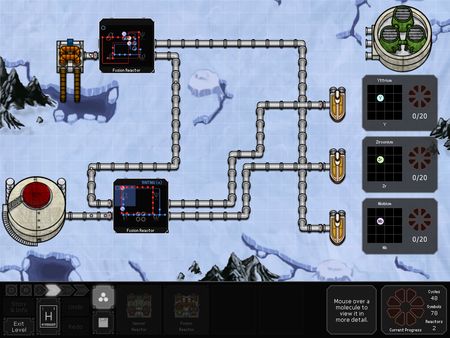
そして作者は、不評の核心——『これならプログラミングした方が』——にあらかじめ答えている。これはサンドボックスでも実務ツールでもなく、制約を課した一個のゲームだ。制約こそが面白さの源だと割り切っている。ルールを書き換えて遊ぶ Baba Is You や、空間そのものが問いになる The Witness と並べると、SpaceChem の個性は『与えられた語彙で機械を著述させる』点にある。後の Opus Magnum や Infinifactory へ続く系譜の、最初の設計図だ。
 SpaceChem(Steam ストア画像)
参照したレビュー群
本記事は 2026-06-21 時点での Steam ストアページのユーザーレビュー群を読んで書いた。レビュー本文の直接引用はせず、典型的な主張を再構成している。
・Steam: SpaceChem(英語レビュー 圧倒的に好評 / Overwhelmingly Positive、1,915 件中 95% が好評。全言語 2,612 件)
・Steam Community: SpaceChem の高評価順レビュー(英語の helpful 上位 positive 約10件と negative を WebFetch で読了)
・補助として SteamDB(app 92800) で件数・タグ・発売日を確認し、難しさ・最適化・完走率に関する議論を Web 検索で補った(専門ブログ Gregor Ulm 等)
結論
Steam の英語総評は 95% 好評。私の設計批評としての採点は 8.5 だ。両者に大きなズレはないが、私はあえて満場一致の絶賛より少し低く置く。理由は二つ——学習曲線が最後まで平らにならず教え方(チュートリアル)が追いついていないこと、そして射程が極端に狭いことだ。これは完成度の減点というより、誰に向くかが鋭く絞られていることへの正直な目盛りである。
レビュー群が見せる結論は明快だ。閃きより反復を、答え当てより機械の著述を、結末より一面ごとの達成を愛せる人にとって、SpaceChem はおそらく『今までで最高のパズル』になる。逆に、落ち着いて短く遊びたい人や、模擬的なプログラミングに旨みを感じない人には、最初から線の外だ。完走率が数%でも『おすすめ』が並ぶこの作品は、価値が完走に依存しないよう設計されている——その潔さこそ、15 年を経ても好評率が落ちない理由だと私は読む。
 SpaceChem(Steam ストア画像)
このゲーム、あなたは?
押すと「あなたの棚」に入ります(アカウントのページで見られます)。
リアクション(ログイン不要)
匿名で残せます • 同じリアクションは1日1回まで
次に読む

関連レビュー
TIS-100
極小の命令セットしか持たない並列ノードにコードを書き、壊れた計算機を修復するアセンブリ言語プログラミング・パズル。各ノードはレジスタ2つと十数個の命令しか持たず、ノード間の受け渡しでデッドロックする——その制約の中でサイクル数・命令数・ノード数を競う。SpaceChem や Opus Magnum を作った Zachtronics の一作。
Infinifactory
宇宙人に与えられたブロックとコンベアだけで、注文どおりの製品を組み立てる工場を一人称で設計する3Dパズル。少ない動詞から底の見えない最適化が広がる、SpaceChem を立体化した Zachtronics の一作。
SHENZHEN I/O
深圳の架空メーカーの技師となり、命令も registers も切り詰めた仮想チップに簡易アセンブリを書き、基板に回路を配線して受注製品を仕上げるプログラミング・パズル。チュートリアルを置かず、30ページ超のデータシート付き説明書を読むこと自体を最初の関門に据えた、Zachtronics の一作。