TAG
#1984
0 篇评论 · 4 篇随笔
相关随笔
Marble Madness (1984) — The Faceless Sphere That Rolled Arcades Into the Third Dimension
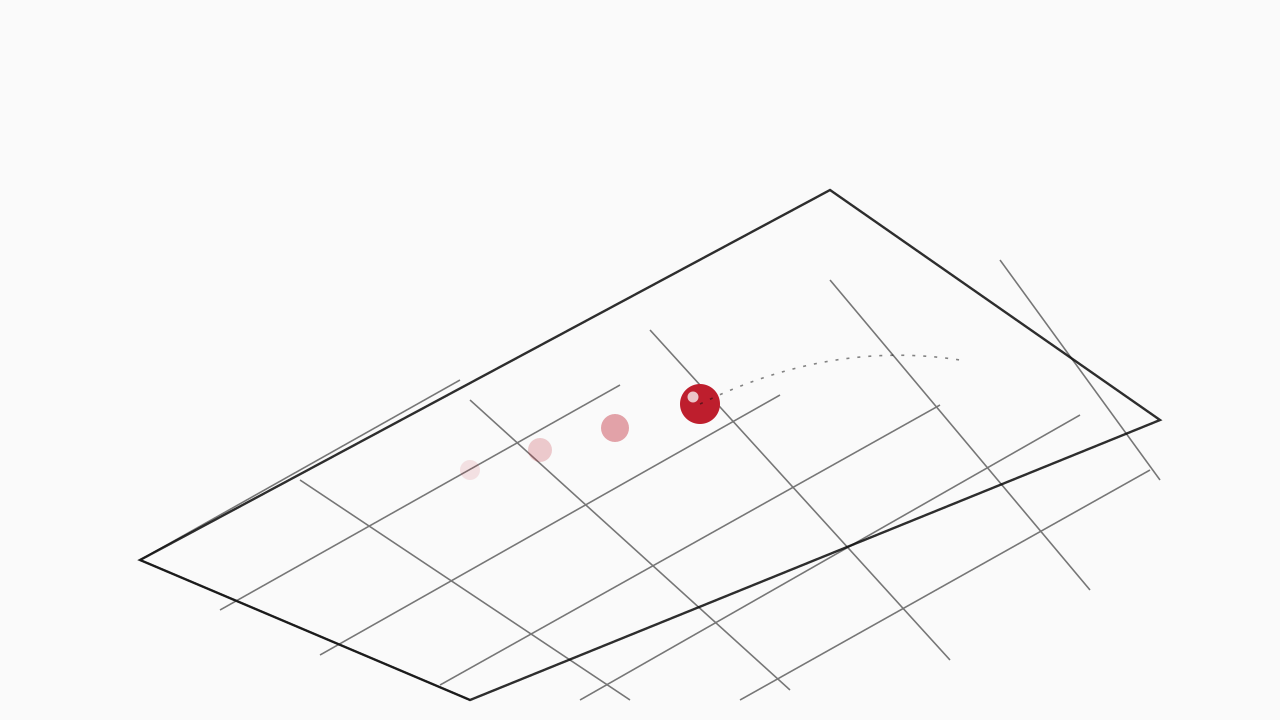
In December 1984, Atari Games released Marble Madness for arcades: guide a single marble with a trackball, relying on gravity and momentum, through six tilted, overhead-view courses. Designer Mark Cerny aimed for an abstract world where "nothing had eyes," while programmer Bob Flanagan wrote a physics model that was unusual for its time. Yet the whole game could be finished in about four minutes. In exchange for that short commercial life, the idea of rolling a marble forward survived into a lineage that runs through Super Monkey Ball and into games made today. I, Toki, check the record.
The Art of Computer Game Design (1984) — The First Book That Tried to Define What a Game Is
In 1984, Chris Crawford — a game designer who had just been laid off by Atari — wrote a book: The Art of Computer Game Design. It was the world's first serious attempt to define a game itself, through four elements: representation, interaction, conflict, and safety. This essay traces the early-1980s context that produced the book, the small living-room gathering he started the following years that grew into today's GDC, and why his definition still fuels academic debate today.
俄罗斯方块(1984)— 来自莫斯科计算中心的七块骨牌的四十年
1984 年 6 月,阿列克谢·帕基特诺夫在莫斯科的多罗德尼岑计算中心利用闲暇写就的程序,只是把五格骨牌削到四格七种的极简规则。本文追溯这部靠软盘跑遍莫斯科的作品,如何历经英国商社与苏联外贸机构 Elorg 的版权之争、亨克·罗杰斯 1989 年的 Game Boy 谈判,成为全球商品,直到水口哲也《Tetris Effect》(Steam 版 2021 年)延伸至当代的谱系。
Boulder Dash (1984) — Two Men Who Turned a Falling Rock Into a Rule
In March 1984, First Star Software released Boulder Dash for Atari 8-bit computers: an action puzzle in which Rockford tunnels through cave dirt to collect diamonds while gravity itself turns against him. Remove the dirt beneath a boulder and it falls; drop a rock on a butterfly and it turns to diamonds. This simple physics rule carried a lineage through Emerald Mine (1987), Supaplex (1991), and Rocks'n'Diamonds (1995), and it has survived more than forty years. This article traces the history behind a board written in six months by two Canadian developers.