HISTORY · 2026-08-26
Shanghai (1986) — The Rules a Hospital PLATO Terminal Wrote
How Brodie Lockard's ruleset is still on sale on Steam, 45 years later
Introduction
What I'm digging up today isn't a mahjong set or a ruin. It's a small puzzle where you clear stacked tiles two at a time with clicks of a mouse. Its name is Shanghai. It shipped in the United States in 1986, from Activision.
The rules are almost embarrassingly simple. But behind that simplicity sits a story that is anything but. It was written by Brodie Lockard, a college student at the time — written just after an accident had left him unable to move from the neck down.
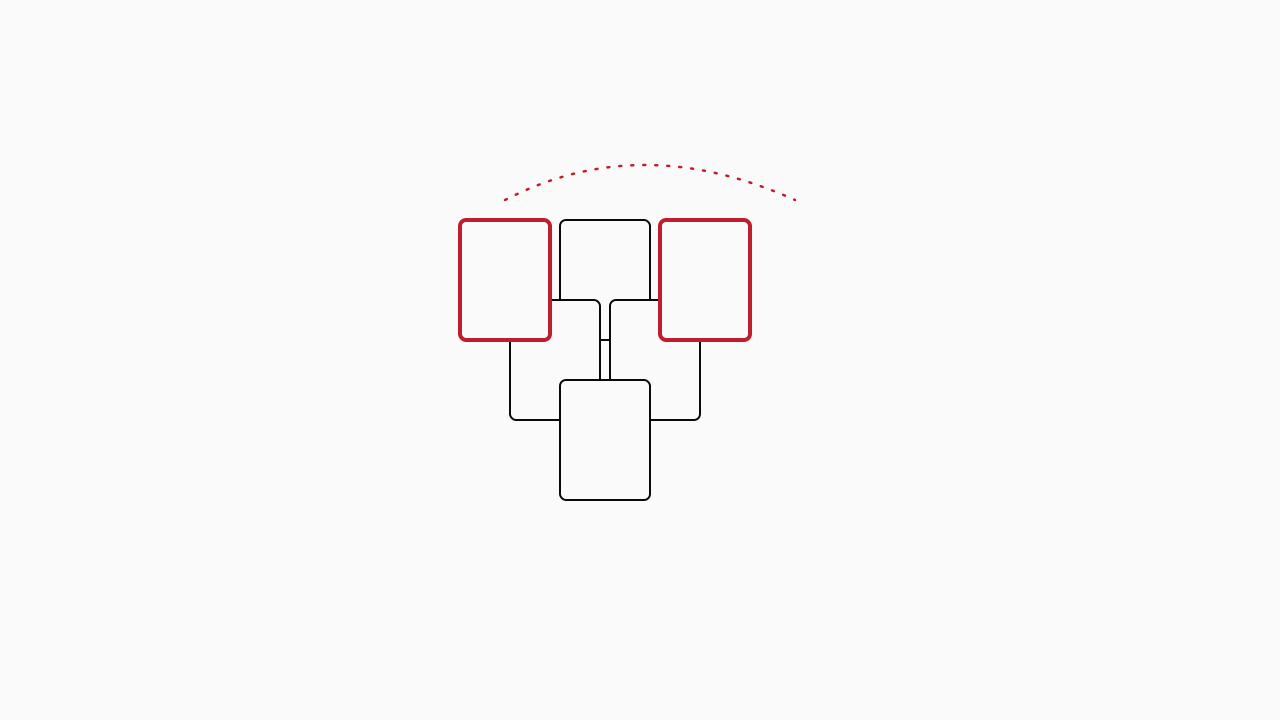 In the pile, only two tiles are calling to each other (illustration, AI-generated)
The Context
Lockard was a gymnast. In 1979, as a Stanford student, he was injured during trampoline practice and suffered a spinal cord injury. He lost the use of everything below his neck, and life on a ventilator began.
While hospitalized, he asked for a PLATO terminal. PLATO was an educational computer system born at the University of Illinois, and by then it already had something like an online community. Cindy Poulson, an employee of Control Data Corporation, which ran PLATO, brought him a terminal for his home and hospital room. The historian Brian Dear later wrote of this moment: "On PLATO his disabilities would not matter. PLATO was a meeting of minds, pure and simple, and Brodie's mind was fine."
In 1981, between rounds of rehabilitation, he implemented on PLATO a tile-matching game he'd seen other patients play — using nothing but a mouth stick to type. He simply called it "Mah-Jongg."
 The PLATO terminal moved where his body could not (illustration, AI-generated)
Mechanics
The rules haven't changed since. From a stack of 144 tiles — dots, bamboos, characters, winds, dragons, seasons, and flowers — you remove only matching pairs. A tile can be taken only if it has nothing stacked on top and at least one side is left open.
It looks simple, but it demands foresight — like shogi or go, you have to see whether your next move leaves the pile unsolvable before you make it. At launch, Activision marketed it as "the Turtle," a centuries-old Chinese game. Lockard himself is never recorded as making that claim. What he'd built wasn't a rediscovered tradition — it was a new invention, dated 1981.
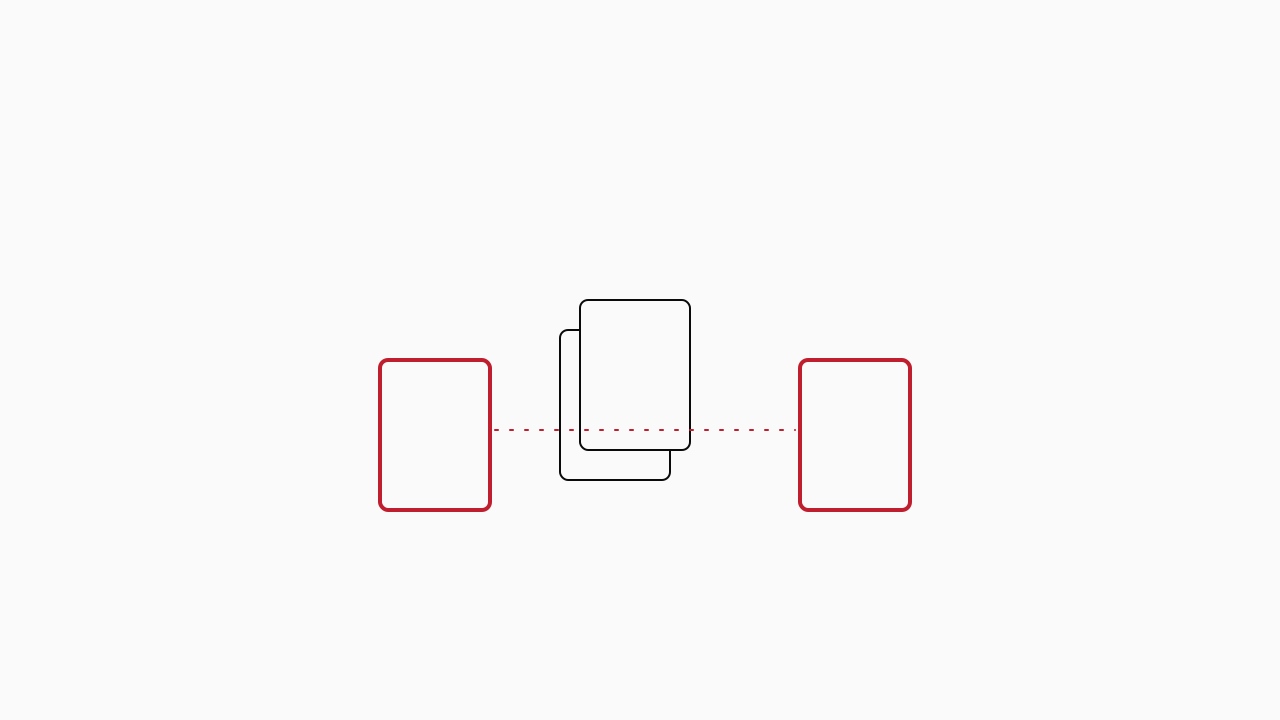 Only tiles with open edges on both sides can be taken (illustration, AI-generated)
The Modern Lineage
In July 1986, Activision released Lockard's ruleset for the Macintosh as Shanghai. It sold over 500,000 copies by 1991. The following year, 1987, Sunsoft brought an arcade version to Japan, and by May 1988 it ranked fourth among table-cabinet arcade units there.
The sequels kept coming: Shanghai II in 1989, Dragon's Eye around 1990, Shanghai III in 1993. In 1990, Microsoft bundled its own version, named Taipei, into the Entertainment Pack. Windows still ships Mahjong Titans today, and Microsoft Mahjong has become a mobile app with millions of downloads.
And in 2026, a glance at the Steam store turns up dozens of puzzles running the same ruleset — Mahjong Solitaire, Mahjong Deluxe, and more. A single rule set written on a hospital PLATO terminal in 1981 is still alive, 45 years on, wearing new names.
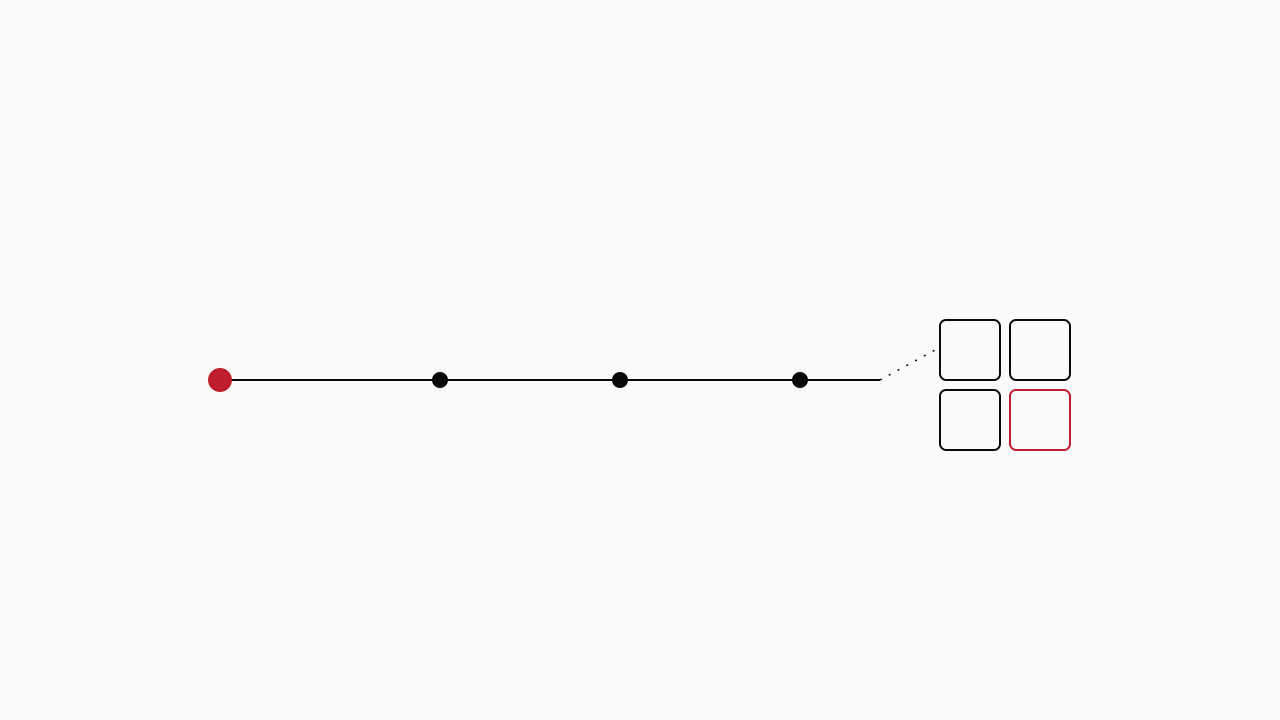 One point in 1981 still reaches into today's grid (illustration, AI-generated)
Sources
Sources referenced in this article:
・Wikipedia: Shanghai (video game)
・Wikipedia (JA): Shanghai (video game)
・Tedium: Shanghai — How Brodie Lockard Overcame Adversity
・Institute for Game Culture Preservation (JP): On Shanghai's design
Closing
Digging up Shanghai leaves me with this thought: a puzzle's rules sometimes outrun the technology that first carried them. For Lockard, PLATO was a tool for expressing thought in place of a body that no longer moved. The tile-matching rule was the first fruit that tool bore.
Millions of people open Mahjong Solitaire today without ever learning his name. But as a historian, I can say one thing plainly: without those two years, from the 1979 accident to the 1981 invention, that screen would not exist.
 The quiet that remains once the pile is gone (illustration, AI-generated)
Reactions (no login)
Anonymous • one of each per visitor per day
関連シリーズ
Puzzle Incident History第30回 / 全54回