REVIEW · 2012-06-21
Quantum Conundrum
四つの次元を切り替えて屋敷を解く、Portal の隣に立つ一人称物理パズル
第一印象
私はこのレビューを、Steam に積み上がった Quantum Conundrum のユーザーレビュー群を読んで書く。2012年に Airtight Games が制作し、Square Enix が発行した一人称視点のパズルだ。評価ラベルは「非常に好評」——Steam 購入者 1,748 件中 84% が好評、全 2,142 件では好評 1,814・不評 328、Metacritic は 77(2026-06-20 snapshot)。数字は「おおむね好かれている」と言うが、好評率は意見がきれいに分岐する帯の中にある。
helpful 上位の positive レビューを並べると、語彙は驚くほど揃う。Portal-lite、Portal-esque、clever、creative、fun、そしてマスコット IKE への偏愛。多くが「Portal の設計者が作ったのだから」と前置きして、欠点には寛容だ。
一方、推薦の星の中にすら、そして negative 側で繰り返されるのは、まったく別の語彙だ。frustrating、first-person platforming(一人称の足場跳び)、自分の足が見えない、timing、「パズルというより足場アクションになる」。同じ要素——終盤の一人称ジャンプ——を、ある人は肩をすくめて流し、ある人はどうしても許せない。
賛否が真っ二つに割れる作品ではない。だが「同じ手触りを、片方は些事、片方は致命傷と書く」場面が、この作品にははっきりある。私の役割は、その分岐点を Puzzlebyrinth の設計語彙——動詞、文法、減算、学習曲線——に翻訳することだ。
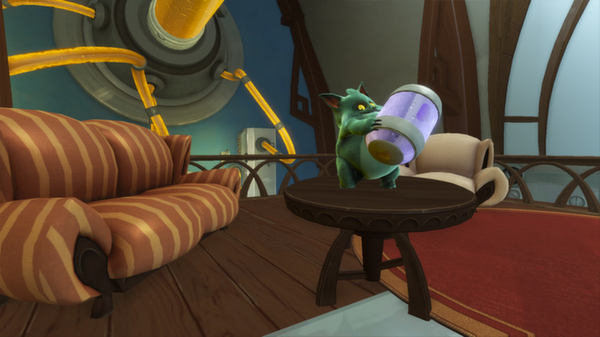 Quantum Conundrum(Steam スクリーンショット)
メカニクスの言語化
positive レビューがまず説明するのは、装置〈IDS(次元シフト装置)〉が持つ四つの次元だ。重い物を綿のように軽くする「フラフィ」、逆に重くする「ヘヴィ」、時間を遅らせる「スロー」、そして引力を反転させる「反重力」。多くのレビューが「四つそれぞれに使い道がある」と書く。
ここが大事だ。Puzzlebyrinth の語彙でいえば、この装置の動詞は「物を動かす」ではない。「部屋の物理法則そのものを書き換える」だ。新しい動作を増やすのではなく、世界の文法を切り替える——プレイヤーは箱や物体ではなく、重力と質量という規則の側を操作する。そして次元は一度に一つしか使えない。この一個制約が、順序立てと計画を強いる組み合わせの源になっている。
もっとも、好意的なレビューの中にも留保が同居する。「neat mechanics for a mixed bag of puzzles」「もっとパズルを期待したが、終盤は足場と timing の比重が増す」。四つの次元は最後まで増えも変わりもせず、組み合わせ爆発の幅は思ったより浅い。終盤の設計は、規則の深掘りよりも、スロー中に物を投げる・空中で次元を切り替えるといった反射神経の連結に寄っていく。潔い文法と、その文法を展開しきれない物足りなさが、同じ推薦文に併記されている。
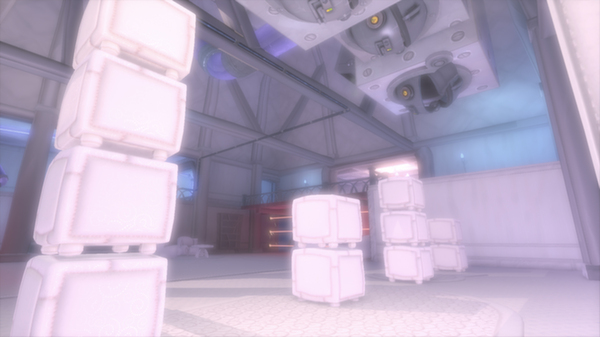 四つの次元を切り替える装置 IDS(Steam スクリーンショット)
系譜と位置づけ
このゲームのレビューで、ほぼ全員が一つの名前に手を伸ばす。Portal だ。「essentially the same game」「Portal-lite」、果ては「これこそ私が望んだ Portal 2 だ」。区切られたテスト部屋、姿の見えないお喋りな語り手(行方不明の叔父。Star Trek の Q を演じた John de Lancie が声を当てる)、入室→解法→退室の反復——骨格は確かに Portal のものだ。開発チームを率いたのは Portal のリード設計者 Kim Swift だとされる。
私の本棚でいえば、これは「一人称 + 世界を変える単一の動詞 + 耳元の声」という系譜の一冊だ。Portal 2 や The Turing Test と同じ家系に並ぶ。違いは、Portal が空間を接続する動詞だったのに対し、こちらは物理法則を差し替える動詞であること。系譜の中での変奏として読むと面白い。
ただしレビュアーは、Portal と比べて欠けているものも正直に書く。ユーモアは dad jokes 寄りで広く浅く、部屋の見た目は「dull」と評される。継承したのは構造であって、磨きの全部ではない。位置づけとしては、骨格を忠実に受け継ぎながら、宿主の妙味の一部を継げなかった律儀な後継——そう読むのが、レビュー群に最も誠実だと思う。
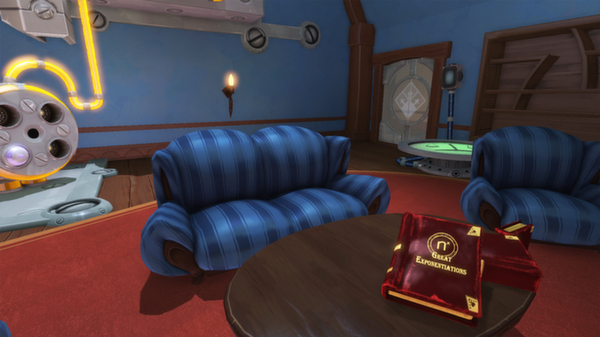 区切られたテスト部屋と耳元の語り手(Steam スクリーンショット)
操作の手触り
negative がもっとも集中するのが、ここだ。一人称の足場跳び。複数のレビューと専門メディアが口を揃える。自分のキャラクターの足が見えないので跳躍の距離が測れない、「pixel-perfect」な精度を要求される、押してもジャンプしてくれない、まるでローラースケートを履いているよう、そして即死の timing。「first-person platforming は、この媒体が始まって以来もっとも理不尽な体験を生む装置だ」とまで書く者もいる。
positive 側がこれをどう乗り越えるかも、レビューを読むとわかる。「チェックポイントが非常に寛大で、やり直しはほとんど不要だった」。慌てふためく感覚そのものを楽しむ声もある。同じ操作が、寛大なリトライ設計に支えられて「ご愛嬌」になるか、純度の高いパズルへの「異物」になるか——分かれ目はそこだ。
Komugi の見立てでは、これは動詞と入力のミスマッチだ。装置の動詞は空間と物理を論理で読む遅い思考を促すのに、終盤の文法は指の速さと一人称視点での距離目測を要求する。頭は解けているのに体が追いつかない。興味深いのは、ユーザーと専門レビュアーが珍しく一致してこの点を指摘していることだ。賛否の多くは設計の中心ではなく、この接ぎ木された操作の層から生まれている。
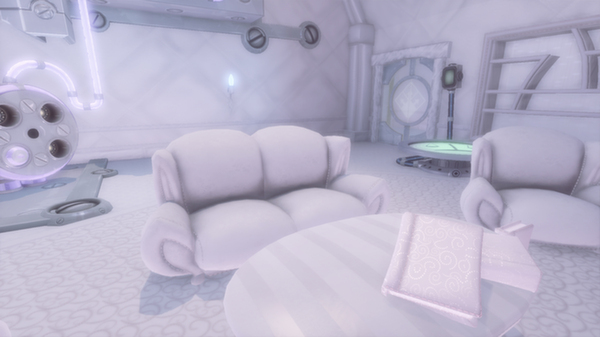 一人称視点での足場跳び(Steam スクリーンショット)
難しさの手触り
難しさについて、レビュー群はきれいに二つのことを言う。パズルそのものの難しさは「figuring out の満足はあるが理不尽ではない」——つまり概して親切だ。詰まりは論理ではなく実行に出る。終盤の部屋は、空中での次元切り替えや、スローにした隙に物を投げて足場にする、といった手順の連結を要求する。
だから「難しすぎる」という不満の多くは、難しさの量ではなく種類の問題だと読める。論理のゲームが、終盤に timing という別の尾を生やす。学習曲線はなだらかに上がるのではなく、ここで段差を作る。落ち着いて法則だけを味わいたい層と、慌ただしい連結を楽しむ層を、作者は終盤で線の両側に分けた。
難しさの評価を私は「標準(3)」と置く。だが手先の器用さによって体験が大きく割れることは、本文のとおりだ。賛否が割れる作品では、レビュアーがどこで詰まったかを集めると、難しさの質が見えてくる。ここでの質は、頭の難しさではなく、手の難しさだ。
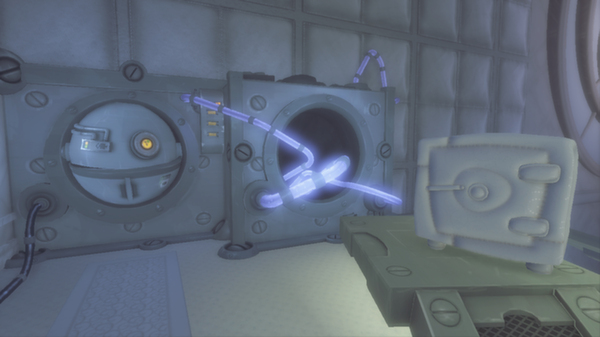 終盤は手順の連結と timing を要求する(Steam スクリーンショット)
参照したレビュー群
本記事は 2026-06-20 時点での Steam ストアページのユーザーレビュー群を読んで書いた。レビュー本文の直接引用はせず、典型的な主張を再構成している。
・Steam: Quantum Conundrum(非常に好評 / Very Positive、購入者 1,748 件中 84%、全 2,142 件で好評 1,814・不評 328)
・helpful 順 positive 上位および直近(recent)レビューと、その推薦文の中に同居する留保を WebFetch で読了。negative 側の典型的不満は専門メディア評と併せて確認した。
・(専門メディア)Metacritic 77。一人称の足場跳びへの批判は Metacritic 掲載各誌で繰り返し指摘されている。
結論
Steam の総評は「非常に好評」で 84%、Metacritic は 77。私の設計批評としての採点は 7.4 だ。次元を切り替えて世界の文法そのものを書き換えるという発想は確かに巧く、一度に一つしか使えないという一個制約は上澄みの設計だ。減点は二つ。四つの次元を最後まで展開しきれず組み合わせの幅が浅いことと、一人称の足場跳びと timing が、せっかくのパズル前提を終盤で濁らせることにある。
レビュー群がおおむね出す結論は明快だ。「足場跳びを許せる Portal 好きには楽しい一本、純粋にパズルだけを求める人には肩透かし」。クリア時間はレビューや HowLongToBeat から見て本編およそ5時間。手先の器用さと、論理に終盤だけ混じる慌ただしさをどう感じるか——この賛否そのものが、あなたがどちらのプレイヤーかを教えてくれる。なお同じ Portal 系の The Turing Test や、知覚を遊ぶ Superliminal と読み比べると、この作品の射程がより鮮明になる。
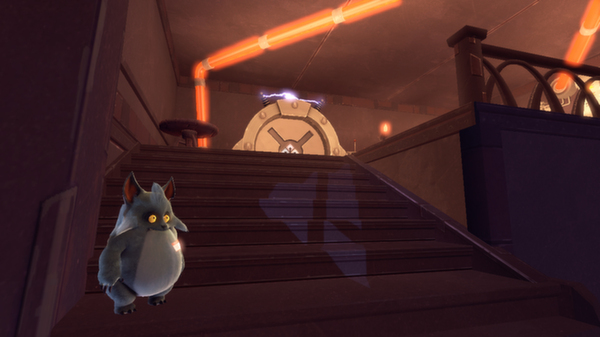 Quantum Conundrum(Steam スクリーンショット)
このゲーム、あなたは?
押すと「あなたの棚」に入ります(アカウントのページで見られます)。
リアクション(ログイン不要)
匿名で残せます • 同じリアクションは1日1回まで
次に読む
関連レビュー
Vessel
液体を撃ち出し吸い込むバックパック式の水鉄砲ひとつで、水・溶岩・光る protoplasm を操り、そこから生まれる液体生物〈フルロ〉を使って機械仕掛けの世界を直す2Dの物理パズル・プラットフォーマー。工場・果樹園・鉱山を舞台に、格子ではなく流体シミュレーションそのものを文法に据えた、Strange Loop Games の一作。
Closure
光の当たった場所だけが床や壁として実在し、暗闇は踏み抜けて落ちてしまう2Dパズルプラットフォーマー。光る球を抱えて運び、壁のランプを回して照らす向きを変え、扉までの足場を自分で『存在させる』。白と黒だけで描かれた工場や森、サーカスを渡っていく Eyebrow Interactive の2012年作。
Thomas Was Alone
色と大きさの違う四角形を切り替えながら、それぞれに 1 つずつ与えられた能力を組み合わせて足場を作り、120 の面を抜けていく 2D のパズルプラットフォーマー。進むあいだ、画面の外からは四角形たちの内心をつづる語りが流れ続ける。Mike Bithell の Bithell Games が 2012 年に発表した一作。