TAG
#arcade
0 篇评论 · 7 篇随笔
相关随笔
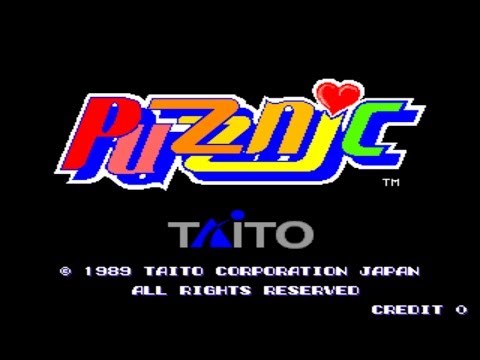
Puzznic (1989) — The Credits Screen That Never Existed, and the Five Names Found in the ROM Decades Later
In October 1989, Taito released the arcade puzzle game Puzznic, sliding identical blocks together to clear them, with no randomness and every board hand-designed, and ports reaching nearly every 8/16-bit platform of the era. Its developers were never credited on screen; more than three decades later, ROM analysis uncovered five names hidden inside the arcade board.
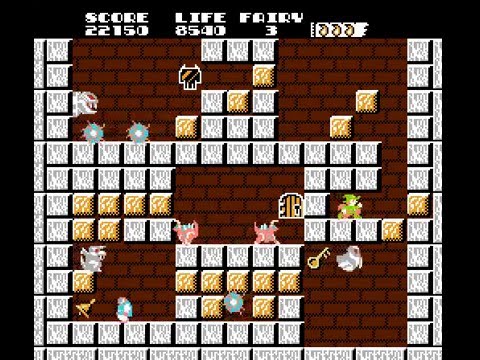
Solomon's Key (1986) — The Year Its Own Maker Let Go of the Magic to Create
In July 1986, Tecmo (then Tehkan) released Solomon's Key, an unusual arcade action-puzzle game that let its hero both create and destroy blocks. Its own creator, Michitaka Tsuruta, abandoned that invention in the 1992 sequel, Solomon's Key 2 (Fire 'n Ice), replacing it with a single pushable ice cube. This column traces that shift, in the designer's own words, back to the "pushing" grammar it has followed since Sokoban.
Columns (1990) — When a Hewlett-Packard Engineer's Practice Code Became Jewels in Sega's Hands
In 1990, Sega released Columns, a falling-block puzzle sharing Tetris's silhouette but a completely different clearing grammar. It wasn't made by a game studio — it was written by a Hewlett-Packard engineer as practice code, which reached home consoles worldwide after six months of licensing talks.
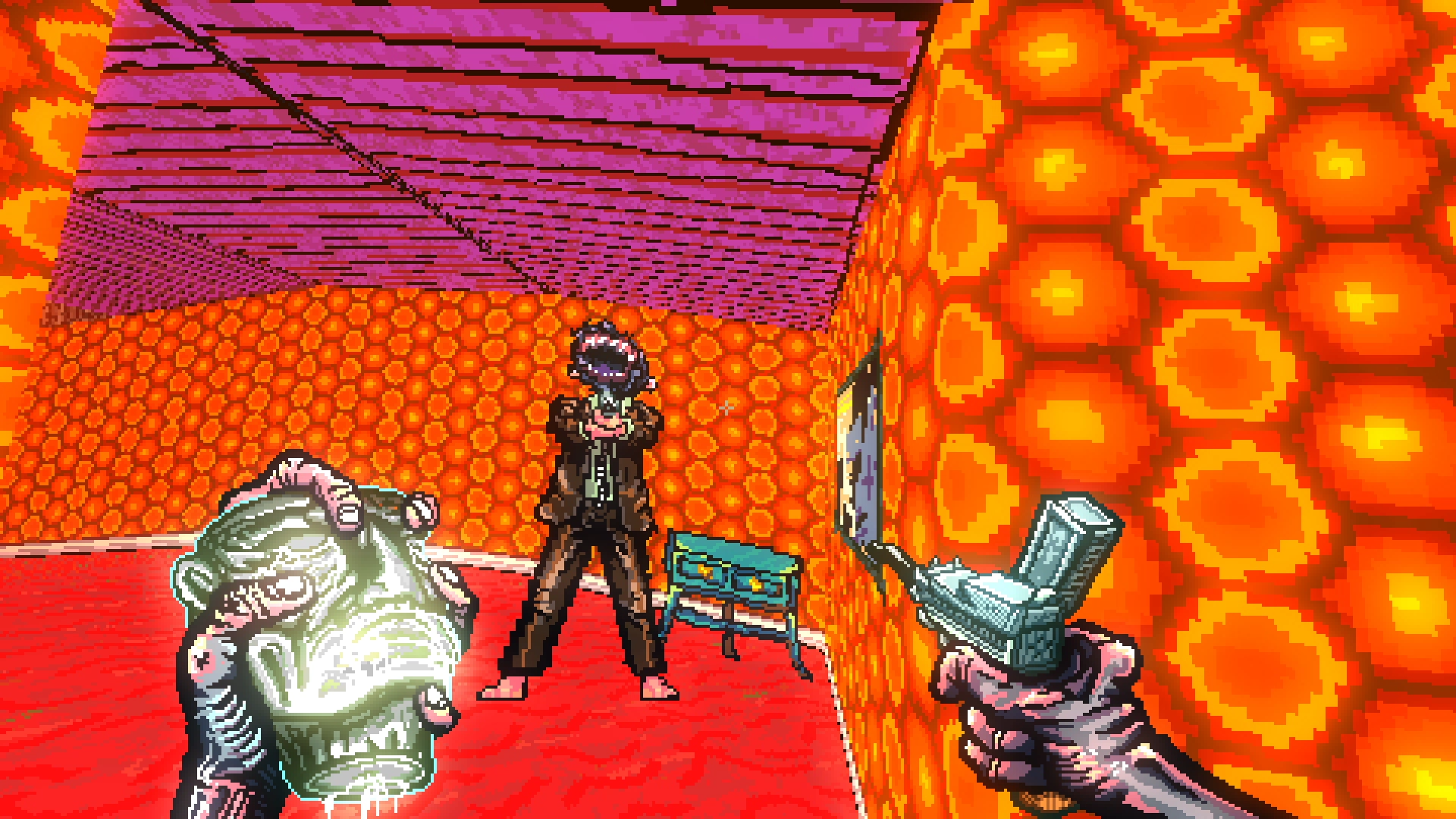
今日抽屉 #45 ——itch上免费,Steam上$2.99的高评价街机FPS《POST VOID》
今天抽出的是YCJY在2020年制作的街机FPS《POST VOID》。itch.io版免费,评价是5分满分中的5.0(2条),还很安静,但同一款游戏在Steam上于2020年8月6日以$2.99正式发售,如今已经长到7,972条评论中97%好评的"好评如潮"。
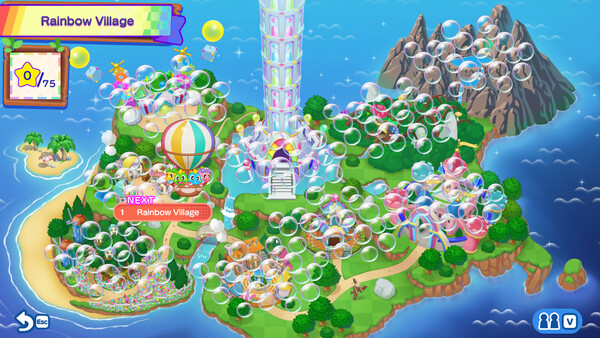
Puzzle Bobble (1994) — The Side Project Whose Grammar Is Still Live on Steam, 32 Years Later
Puzzle Bobble (1994) began as a throwaway spin-off of Bubble Bobble, but its simple three-in-a-row grammar outlived the original thanks to obsessive attention to small details — and it's still being sold today, in a 2026 Steam release.
Marble Madness (1984) — The Faceless Sphere That Rolled Arcades Into the Third Dimension
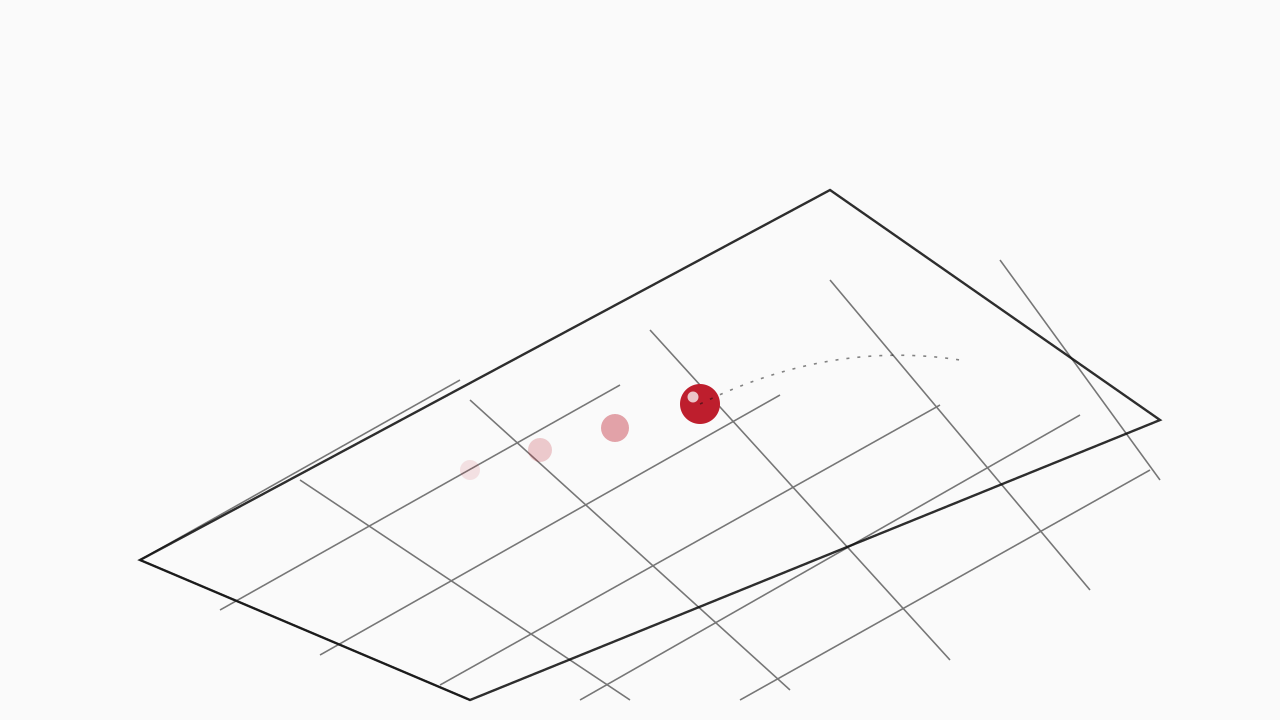
In December 1984, Atari Games released Marble Madness for arcades: guide a single marble with a trackball, relying on gravity and momentum, through six tilted, overhead-view courses. Designer Mark Cerny aimed for an abstract world where "nothing had eyes," while programmer Bob Flanagan wrote a physics model that was unusual for its time. Yet the whole game could be finished in about four minutes. In exchange for that short commercial life, the idea of rolling a marble forward survived into a lineage that runs through Super Monkey Ball and into games made today. I, Toki, check the record.
Klax (1990) — The Idea of "Matching Three" Was Invented Twice
In February 1990, Atari Games released Klax to North American arcades: catch colored tiles sliding down a conveyor and clear them by lining up three or more, horizontally, vertically, or diagonally. Born right after Atari's Tetris lawsuit, it is often cited as the origin of the match-three genre. But in 2020, Bejeweled co-creator Jason Kapalka himself described a lineage that never passes through Klax. This piece traces a case where the same idea was invented twice, independently, using the developers' own words.