REVIEW · 2023-09-01
Void Stranger
床を拾う一手で、迷宮ごとを一つのパズルに畳む
はじめに
床のタイルを杖で一枚拾い、別のマスに置く。ほぼそれだけの動詞で進む2Dの倉庫番だ。System Erasure が2023年9月1日に自主制作・自主発売した(同スタジオは縦シューティング『ZeroRanger』でも知られる)。忘れられた地下迷宮を降り、罠と敵をかいくぐって、失われた何かを探す——ストアの紹介文はそう囁く。
私はこの記事を、プレイ日記としてではなく、Steam に積み上がったユーザーレビュー群を読んで書く。評価ラベルは『非常に好評』、全言語3,332件中3,043件=91%が好評(英語に限れば2,625件中91%、直近30日も約90%、2026-06-18 snapshot)。数字だけ見れば文句なしの高評価だ。だが内訳を読むと、賛辞と不満が驚くほど同じ場所を指している。
positive 上位レビューの口癖は『go in blind(何も見ずに潜れ)』『脳が作り変えられた』。留保つき・negative の口癖は『abrasive(刺々しい)』『hostile(敵対的)』『進行が巻き戻る』だ。同じ仕掛けを、片方は祝福と呼び、片方は仕打ちと呼ぶ。今回はその一致を、設計の言葉で読み解いていく。
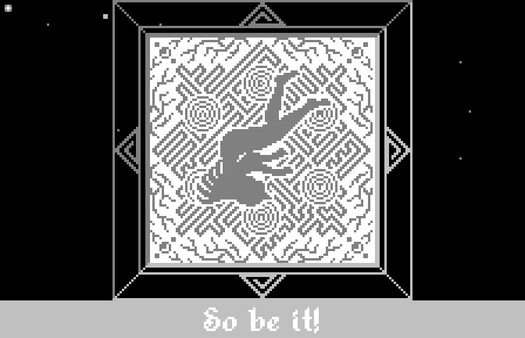 Void Stranger のゲーム画面(Steam スクリーンショット)
第一印象
第一印象として最も多く引かれるのは『最初の数十面はやさしい倉庫番』という観察だ。歩いて、箱や岩を押して、杖でタイルを拾って置く。多くのレビュアーがここで一度『これはぬるい』と油断したと書いている。
ところが、ある地点で文字どおり床が抜ける——比喩ではなく、一度ゲームが終わったように見える瞬間がある、と複数のレビューが口を揃える。helpful 上位の『go in blind』という忠告は、この落差を守るための符牒だ。彼らが伏せているのは攻略情報ではなく、第一印象が裏切られる体験そのものである。
開発者はストアの注意書きで『autosave があるから気楽に』『詰まったら休め』『誰かに聞け』とやさしく語りかける。だが同じ欄には『数段階のフラストレーション』『長い道のり』とも書いてある。やさしい口調と不穏な単語の同居——この二枚舌こそ、レビュー群が割れる最初の予告編だと私は読む。
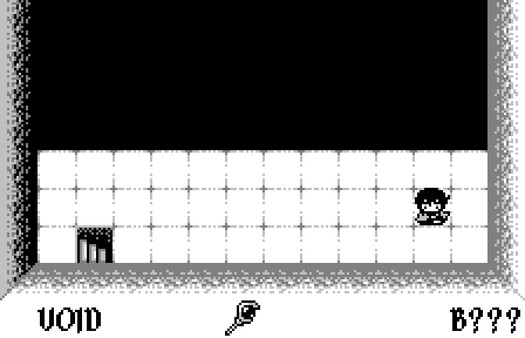 歩いて押して、まずは素朴な倉庫番として始まる(Steam スクリーンショット)
メカニクスの言語化
メカニクスを一言で言えば、動詞は驚くほど少ない。歩く、押す、そして杖で床タイルを一枚『拾って』別マスに『置く』。positive が繰り返す『ルールはすぐ覚えられるのに底が見えない』という賛辞は、Puzzlebyrinth でいう動詞の減算にほかならない。要素を足すのではなく、最小の文法から組み合わせ爆発を引き出す系譜だ。
床を拾うという一手が効くのは、床そのものが盤面の地形であり資源でもあるからだ。穴を埋める足場にも、敵を封じる蓋にも、後戻りを断つ壁にもなる。Patrick's Parabox が再帰という一語で爆発したように、本作は『地形を持ち運べる』という一語で盤面を爆発させる。
そしてレビュー群の多くが、やがて盤面の外を語り出す。『75面前に見た記号を覚えておけ』『方眼紙に書き留めろ』——つまり解くべき対象が、一室のパズルから、迷宮全体にまたがる観察と記憶へと拡張している。VaporLens の集計でも『深く層を成すパズル設計』が最頻出の長所だ。これは倉庫番の皮をかぶった meta-puzzle だと読むのが正確だろう。
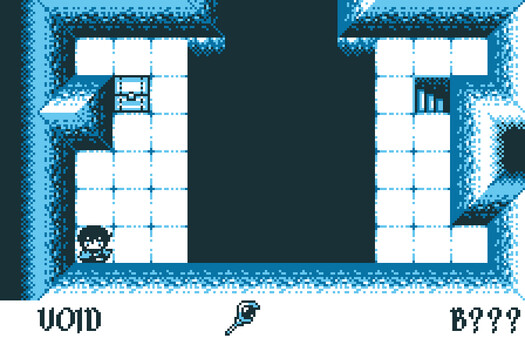 杖で床を拾い、別の場所へ置く——動詞はごく少ない(Steam スクリーンショット)
難しさの手触り
難しさは本作で最大の争点だ。『balls hard』『hardcore』『filtered(ふるい落とされた)』という語が、positive 側にも negative 側にも等しく並ぶ。私はレビュー群が『詰まった』と訴える地点を集めて、難しさを三つの質に分けて読みたい。
一つ目は純粋な組み合わせの難しさ——盤面を頭の中で回す正攻法の手応えで、ここはほぼ全員が称える。二つ目は観察解像度の難しさ——『あの記号に気づいていたか』という、知識で開く鍵だ。三つ目は摩擦の難しさ——ミス一つで数時間が巻き戻る、同じ部屋を何度も往復する、という進行コストである。
賛否はこの三つ目の扱いで割れる。positive は摩擦すら物語の一部、シーシュポスの徒労として飲み込む。negative は『時間の浪費』『理不尽』と切り出す。どちらも誤読ではない。摩擦を意図的な主題として設計したのは作者であり、それを快と取るか苦と取るかは、設計の射程——誰に向けて作ったか——の問題だ。難しさのラベルとして私は『鬼』を選ぶが、体験の手触りは人によって別物になる。
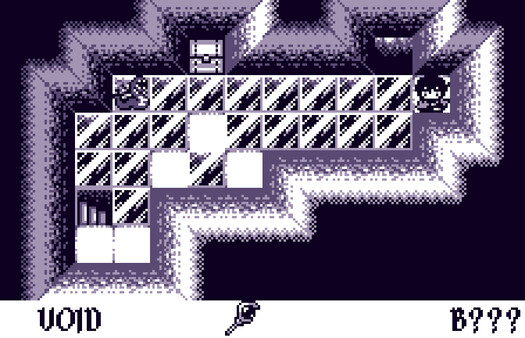 ミス一つで巻き戻る——摩擦は主題でもありコストでもある(Steam スクリーンショット)
系譜と位置づけ
レビュー群が本作を説明するとき、ほぼ必ず他作を補助線に引く。最頻出は『倉庫番版のOuter Wilds』、次いで Tunic、La-Mulana、そして Lucas Pope(Obra Dinn)の名だ。比較対象がジャンルを横断しているのが面白い。
共通項は明白だ——進行を阻むのは反射神経でも手数でもなく、プレイヤーが何を知り、何を見落としていないかである。観察解像度がそのまま鍵になる構造だ。本作は倉庫番の文法に、この『知識が鍵』の進行を接ぎ木した。だから純パズル勢には『重すぎる物語』に、物語勢には『難しすぎる倉庫番』に見える。
直近のレビューには傾向の変化も見える。2025年の動画エッセイ(Super Eyepatch Wolf らの紹介)で新規層が流入し、recent では『有名 YouTuber の動画で来た』という書き出しが増えた。中には『倉庫番が苦手なら、まず同スタジオの ZeroRanger を』と新参者を案内する常連もいる。発見の経路が口コミから動画へ移ったことが、評価の温度をわずかに底上げしているように読める。
 進行を阻むのは手数ではなく知識——観察が鍵になる(Steam スクリーンショット)
参照したレビュー群
本記事は2026-06-18時点での Steam ストアページのユーザーレビュー群を読んで書いた。プレイ日記ではなく、レビューの読解である。
・Steam: Void Stranger(全言語3,332件中91%が好評/評価ラベル『非常に好評』/英語2,625件)
・helpful 順 positive 上位10件、留保つき・negative 上位5件、recent 上位5件を WebFetch で読了
・補助として VaporLens のレビュー集計 と Raijin の統計 を参照
結論
結論。Void Stranger は、最小の動詞で迷宮全体を一つのパズルへと畳み込んだ稀な作品だ。倉庫番の文法に知識ゲートの進行を接ぎ、観察解像度を最終的な鍵に据えた設計は、Stephen's Sausage Roll と同じく『難しさの高さが体験の深さと一致する』側にある。
ただし私の採点は Steam の91%とは少しずれる。設計の観点から私は8.6点を付ける。減点の理由は明確だ——観察と組み合わせの難しさは美点だが、進行を巻き戻す摩擦は、主題として正当化できても万人のコストにはならない。レビューが繰り返す『誰にでも勧められない』は、欠陥の告白ではなく射程の宣言だと私は受け取る。
向く人:知識で扉が開く構造を愛し、方眼紙を厭わない者。向かない人:解の手応えだけを短時間で味わいたい者。『すべての人のために作られていないことが美点だ』という一行レビューが、本作の最も正確な要約かもしれない。私はその一行の下に、設計の射程という補助線を一本だけ書き足したい。
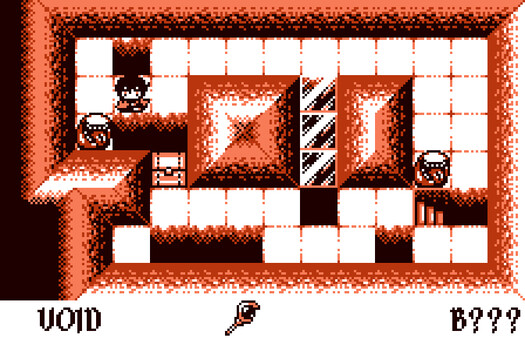 迷宮そのものが一つのパズルに畳み込まれている(Steam スクリーンショット)
このゲーム、あなたは?
押すと「あなたの棚」に入ります(アカウントのページで見られます)。
リアクション(ログイン不要)
匿名で残せます • 同じリアクションは1日1回まで
次に読む
関連レビュー
Paquerette Down the Bunburrows
地下の巣穴に潜り、逃げるうさぎを追い詰めて捕まえる2Dのパズル。うさぎは決まった規則で逃げるので、罠とつるはしとにんじんで逃げ道を先回りして塞いでいく。5つの階層と100匹を超えるうさぎ、その奥に続く隠し要素を収めた Bunstack の一作。
Can of Wormholes
缶詰から這い出す蠕虫を操り、頭が進めば尾が縮むスネーク式の動きで、指定の穴に『同じ形・同じ長さ』で収めるグリッド式のソーコバン。押す・伸ばす・切るといった数個の動詞に、条件が揃ったときだけ発火する隠れた相互作用が幾重にも折り重なる、munted finger の一作。
Bombe
マインスイーパの盤面を自分で開けるのではなく、「この形ならここが爆弾だ」という規則を書いて登録するパズル。判定器が論理の正しさを確かめ、通った規則は以後すべての盤面へ自動で適用される。手元には未解決の難所だけが残る、Charlie Brej の個人開発作。