TAG
#game-boy
0 篇评论 · 6 篇随笔
相关随笔
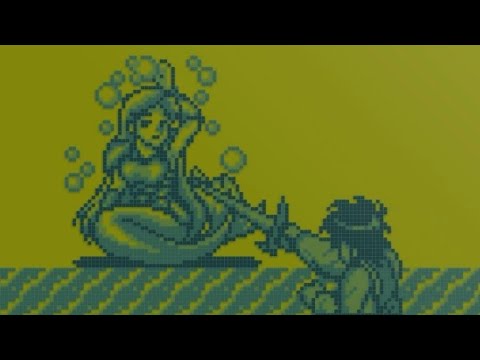
《维他命娜王国物语》(1992)——战斗没有指令表,还会每隔几分钟自动存档的 Game Boy RPG
「今天是发售日」第58回是《维他命娜王国物语》。由南梦宫于1992年9月17日在 Game Boy 发售,到今天正好三十四年。战斗中不会弹出「攻击」「魔法」的指令表,四个魔法分别挂在十字键的四个方向上。游戏每隔几分钟自动存档,登场人物的名字几乎全来自食物。《Fami通》交叉评分为40分满分中的24分。
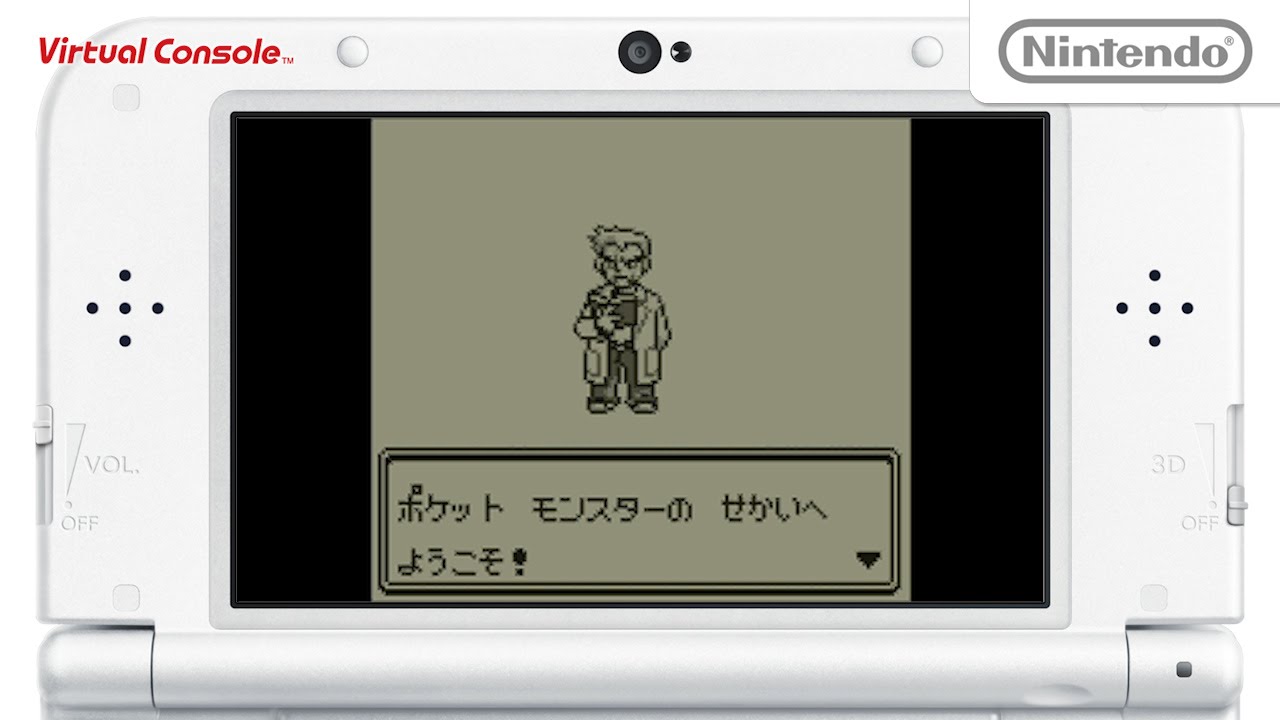
《宝可梦 皮卡丘》(1998)——不肯进精灵球的那一只,开始跟在你身后走
「今天是发售日」第54回是《宝可梦 皮卡丘》。它于1998年9月12日在日本发售,到今天正好二十八年。初始宝可梦无法挑选,而且拿到的那一只不肯回到精灵球里。十一年后的同一天,这个设计被交给了所有宝可梦。
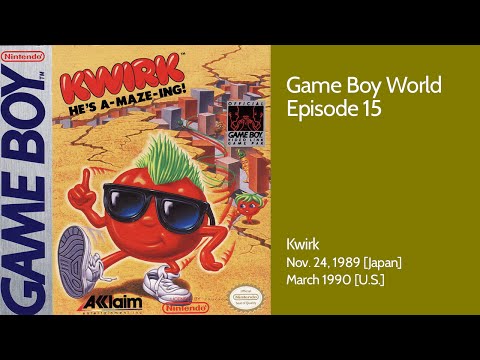
Puzzle Boy / Kwirk (1989) — The Day Atlus Walked a Potato Under Its Own Name
On November 24, 1989, Atlus released Puzzle Boy for the Game Boy, sold overseas as Kwirk. For a studio that had spent years working as an uncredited contractor for other publishers, this was the first game to carry its own name. A maze puzzle built from just three verbs — turn, push, fill — it quietly draws a line all the way to Catherine, the block-stacking puzzle the same company released in an entirely different form 22 years later.
俄罗斯方块(1984)— 来自莫斯科计算中心的七块骨牌的四十年
1984 年 6 月,阿列克谢·帕基特诺夫在莫斯科的多罗德尼岑计算中心利用闲暇写就的程序,只是把五格骨牌削到四格七种的极简规则。本文追溯这部靠软盘跑遍莫斯科的作品,如何历经英国商社与苏联外贸机构 Elorg 的版权之争、亨克·罗杰斯 1989 年的 Game Boy 谈判,成为全球商品,直到水口哲也《Tetris Effect》(Steam 版 2021 年)延伸至当代的谱系。
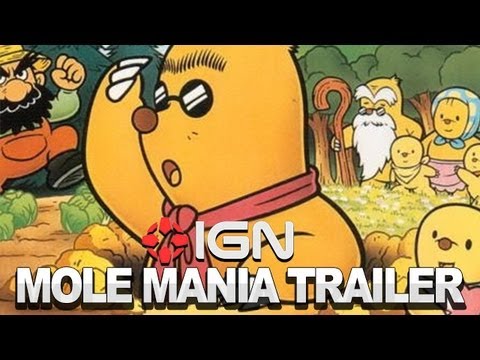
Mole Mania (1996) — What a Two-Layer Board of Surface and Underground Taught Us
On July 21, 1996, Nintendo released Mole Mania for the Game Boy, developed by Nintendo EAD and Pax Softnica and produced by Shigeru Miyamoto. With four verbs — push, pull, throw, dig — you carry an iron ball to each screen's gate, across a board that exists in two layers: surface and underground. I dig up this forgotten work as an ancestor of the spatial reasoning found in today's multi-layer puzzles.
马里奥的画线方块(1995) — 1987 年诞生的逻辑
1995 年 3 月 14 日在 Game Boy 上发售的《马里奥的画线方块(Mario's Picross)》,把八年前由两位日本发明者各自独立发明出的「お絵かきロジック」翻译成了玩法。从报纸谜题到游戏,再到当代 Steam 上的 Nonogram。一种逻辑谜题以近乎不变的形态存续半个世纪——本文追溯这条谱系。