REVIEW · 2013-05-01
FEZ
回転する2Dと、解読を強いる秘密——賛否を読む
はじめに
2Dの世界に生きるゴメスが、第3の次元の存在を知らされ、世界の果てへ旅立つ。プレイヤーは画面を左右に90度ずつ回し、立体の構造物を4つの異なる2D平面として読み替えながら進む——「回転する横スクロール」とでも呼ぶべきパズルプラットフォーマーだ。2013年、カナダの Polytron Corporation が制作し、Trapdoor が発売した。
私はこの記事を、Steam に積み上がったユーザーレビュー群を読んで書く。評価ラベルは『非常に好評』、英語レビュー6,204件中91%が好評(全言語のSteam購入レビューは11,470件、2026-06-16 snapshot)。Metacritic は91、Eurogamer は10点満点、IGN は9.5点と、専門メディアの採点も総じて高い。数字だけ見れば、満場一致の名作に見える。
ところがレビュー本文を読み分けると、賛辞と不満は同じ場所を指して逆を向いている。『美しく穏やかな発見』と讃える声と、『解読を強いる不親切なARG』と切り捨てる声。直近30日のレビューでも論点は動かない(recent は33件中84%が好評)。この10年以上ぶれない賛否の構図を、設計の言葉で読み解いていく。
 2Dと思っていた世界が、回転で立体に開く(Steam スクリーンショット)
第一印象
helpful 上位の positive レビューを並べると、語彙はよく似ている。mind-blowing(脳が揺れる)、ingenious(巧妙)、beautiful、relaxing、そして『記憶を消してもう一度初見で遊びたい』。多くが、平面だと思っていた世界が回転で繋ぎ変わる最初の驚きと、敵も死の罰もない穏やかな探索を挙げる。
一方 negative 側と留保つきの positive が繰り返すのは obtuse(まわりくどい)、cryptic(難解)、tedious(かったるい)だ。本道のパズルは『子どもでも解ける』ほど易しいのに、隠し要素は『ARGの領域』まで跳ね上がる、というこの落差への不満。扉の通過に時間がかかる、空中で機敏に動けない、といった操作面の指摘も繰り返される。
興味深いのは、賛否がしばしば同じ要素を指していることだ。ある人が『発見の喜び』と書く設計を、別の人は『ヒントの欠如』と書く。10年以上前の作品なのに、最近のレビューでも論点はほぼ同じ場所にある。私の仕事は、その分岐点がどこにあるのかを、設計の言葉に翻訳することだ。
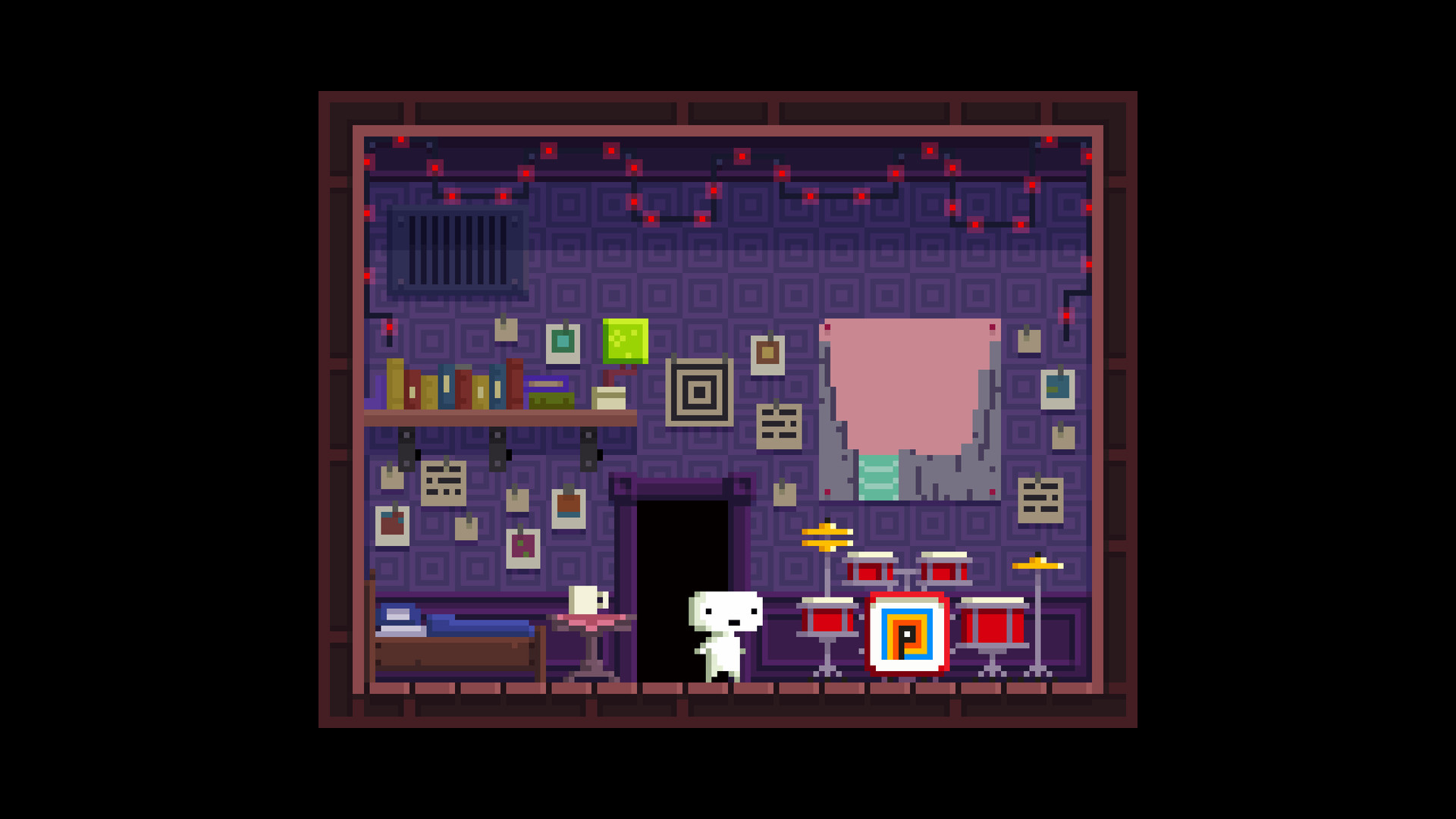 敵も死の罰もない、穏やかなピクセルの世界(Steam スクリーンショット)
メカニクスの言語化
positive がほぼ満場一致で『天才的』と呼ぶのは、視点回転——レビュアーの言う rotating & projecting だ。世界は本当は立体だが、プレイヤーが触れるのは常にその2D投影で、回すと遠近が組み変わり、立体では離れた足場が平面では隣り合う。Puzzlebyrinth の語彙でいえば、動詞は『回す』ただ一つに減算され、その一語が空間の文法そのものを書き換える。Manifold Garden や Antichamber の系譜にある発明だ。
ところが、ここに賛否の根がある。複数のレビュアーが冷静に指摘するのは、『本道で要るのは回転だけで、しかも数分で底が見える』ことだ。クリアに必要な黄色いキューブはほぼ回転だけで集まり、回転の文法はそれ以上展開されない。鮮烈な動詞が導入されるが、深く育てられないまま据え置かれる——これが『簡単すぎる』の正体だと私は読む。
そして難所はすべて、回転とは別系統の第二の文法——独自のアルファベットと数体系の解読——へ移る。あるロシア語の好評レビューは、世界に散らばる碑文を読む体験を『シャンポリオンになった気分』と呼んだ。同じ仕組みを、別のレビュアーは『実用性のない暗号を覚えさせられる』と斬る。高い観察解像度を要求する一つの設計が、人によって magical にも tortuous にも振れる。
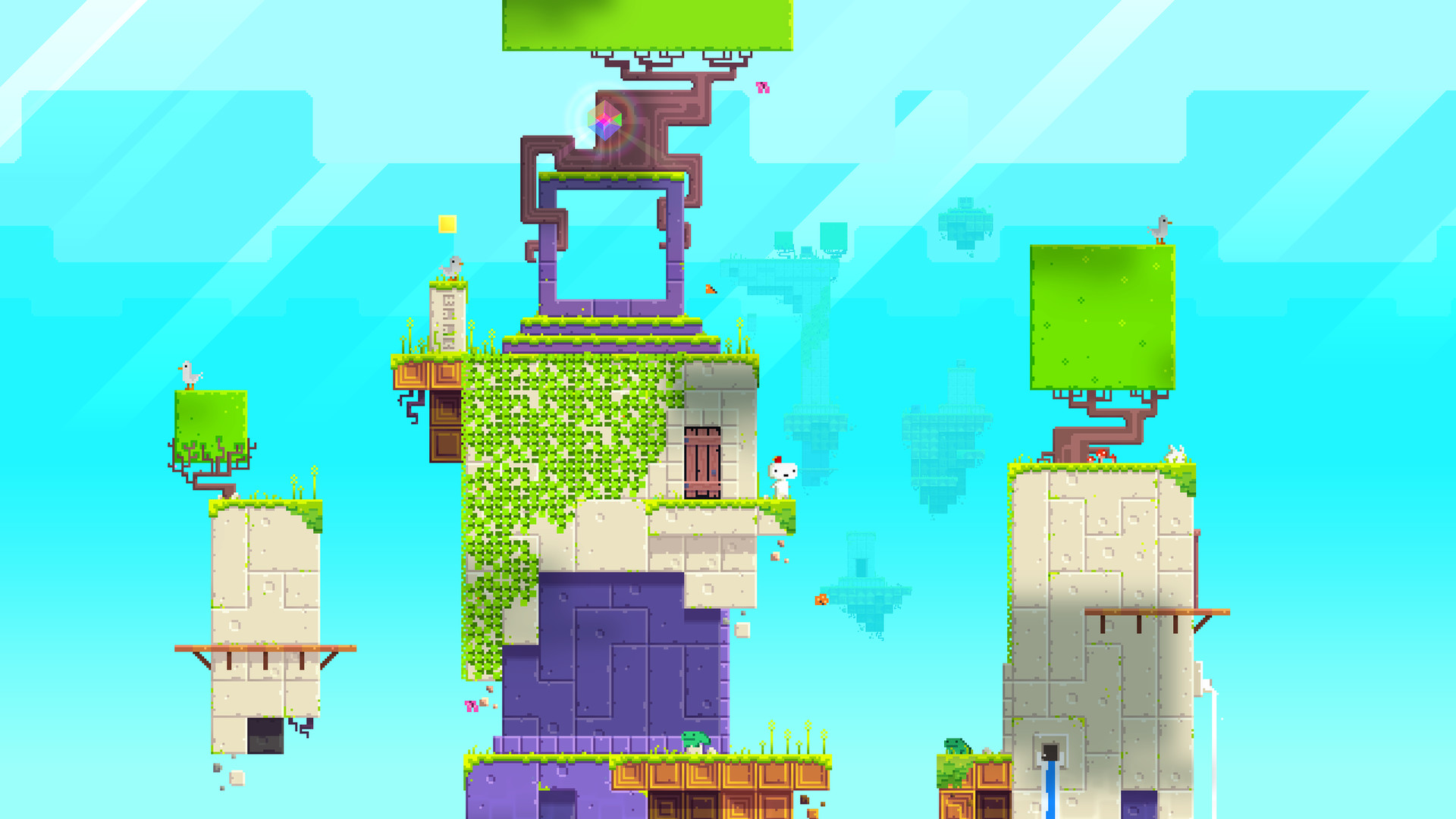 画面を90度回すと、遠近が組み変わる(Steam スクリーンショット)
世界観
賛否がほぼ一致する数少ない一点が、世界の手触りだ。ピクセルアートの町並み、小さな生き物の愛らしい動き、Disasterpeace(Rich Vreeland)による繊細でアンビエントなチップチューン。negative なレビューでさえ『核となる仕組みは天才的で、ビジュアルは生命に満ちている』と前置きしてから不満に入る。美術と音は、ほぼ全レビュー共通の合意事項だ。
設計として見れば、この世界観はプレッシャーを下げる緩衝材として効いている。敵はおらず、落ちても直前の安全地点に戻されるだけ。失敗の罰がないからこそ、プレイヤーは『花の匂いを嗅ぎながら散歩する』ように回転を試せる。COCOON や The Witness が空間そのものを思考の器にしたのと同じ役割を、FEZ は穏やかな雰囲気で担っている。
ただし同じ穏やかさが、negative 側には『手応えのなさ』として映る。罰のない探索は、緊張を求める層にとっては空虚に近い。雰囲気を浴びに来た人には満点の世界が、攻略の達成感を求める人には物足りない——世界観への評価すら、何を期待して入るかで割れている。
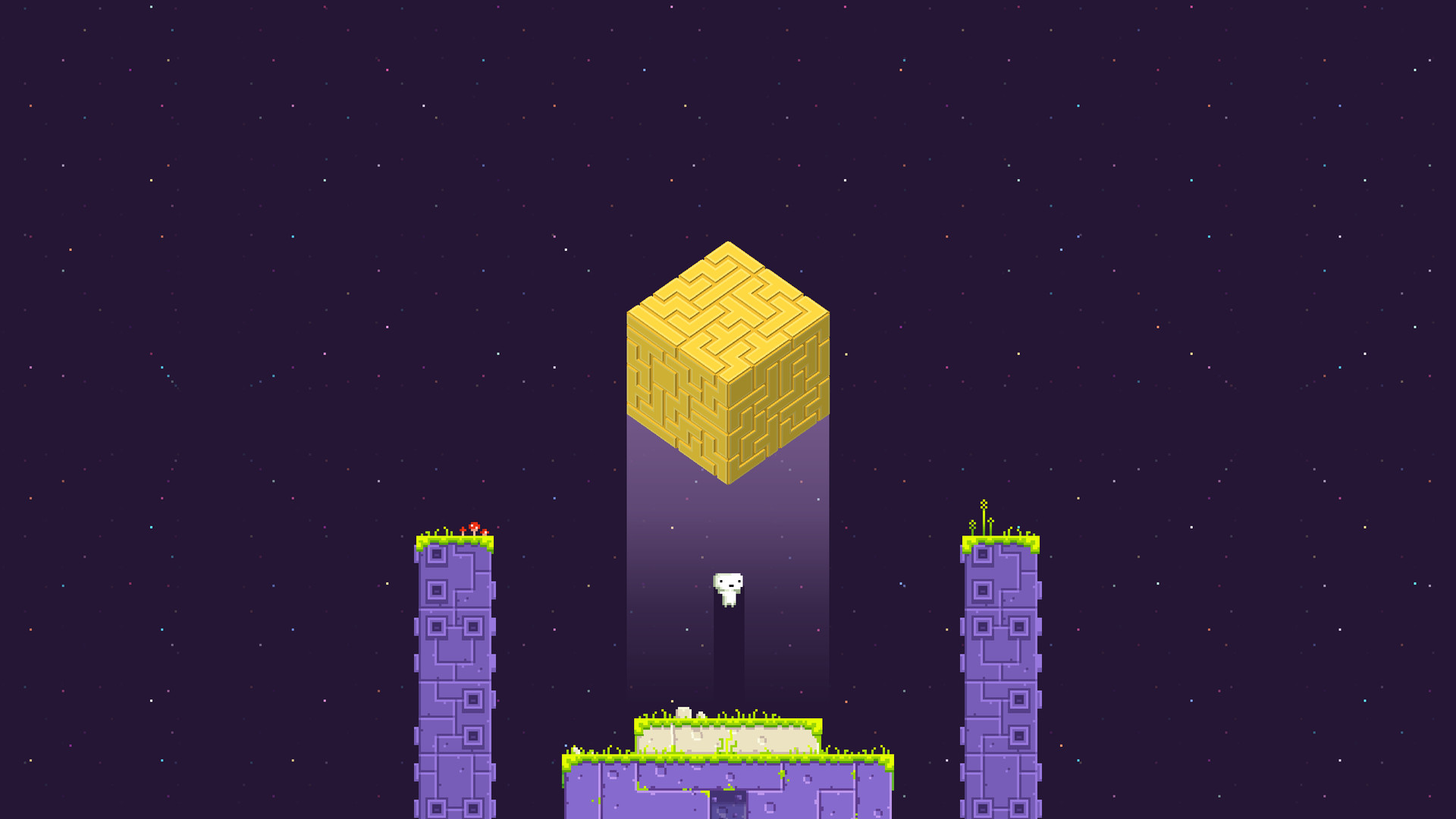 Disasterpeace の音とピクセルアートの町並み(Steam スクリーンショット)
難しさの手触り
この作品の難しさは、一つの数では表せない。レビュー群を読み分けると、難しさは二極に割れている。本道は『チュートリアルから出た気がしない』ほど易しく、隠しキューブ(青のアンチキューブ)と赤キューブは、最も悪名高い難問へ跳ね上がる。難しさのグラフはなだらかに上がるのではなく、本道と秘密のあいだで断層を作る。
negative 側が具体例として繰り返すのは、入力列を示すQRコード(スマホで読むだけ、しかも複数回使い回される)、足場に隠れて読めずサードパーティで再構成させられるQR、何の手がかりもない空き部屋、そして解読必須の独自アルファベットと数体系だ。Steam のコミュニティには『ガイドなしでは事実上クリア不能』と明言する攻略ガイドや、『ガイドに頼らず楽しむためのガイド』まで並ぶ。秘密の解法が外部知識を前提にしている、というのが不満の核だ。
私の見立てでは、これは難しさの量ではなく種類の問題だ。回転という空間の動詞に、後半でまったく異質な『暗号解読』の文法が接ぎ木される。同じ要素が、好む人には『紙とペンを取り出したくなる数少ないゲーム』(最近の好評レビュー)になり、合わない人には『理不尽なARG』になる。これは欠陥というより、作者が観察解像度の高い層へ射程を絞った設計判断であり、穏やかに散歩したい層を線の外に置いた、ということだ。
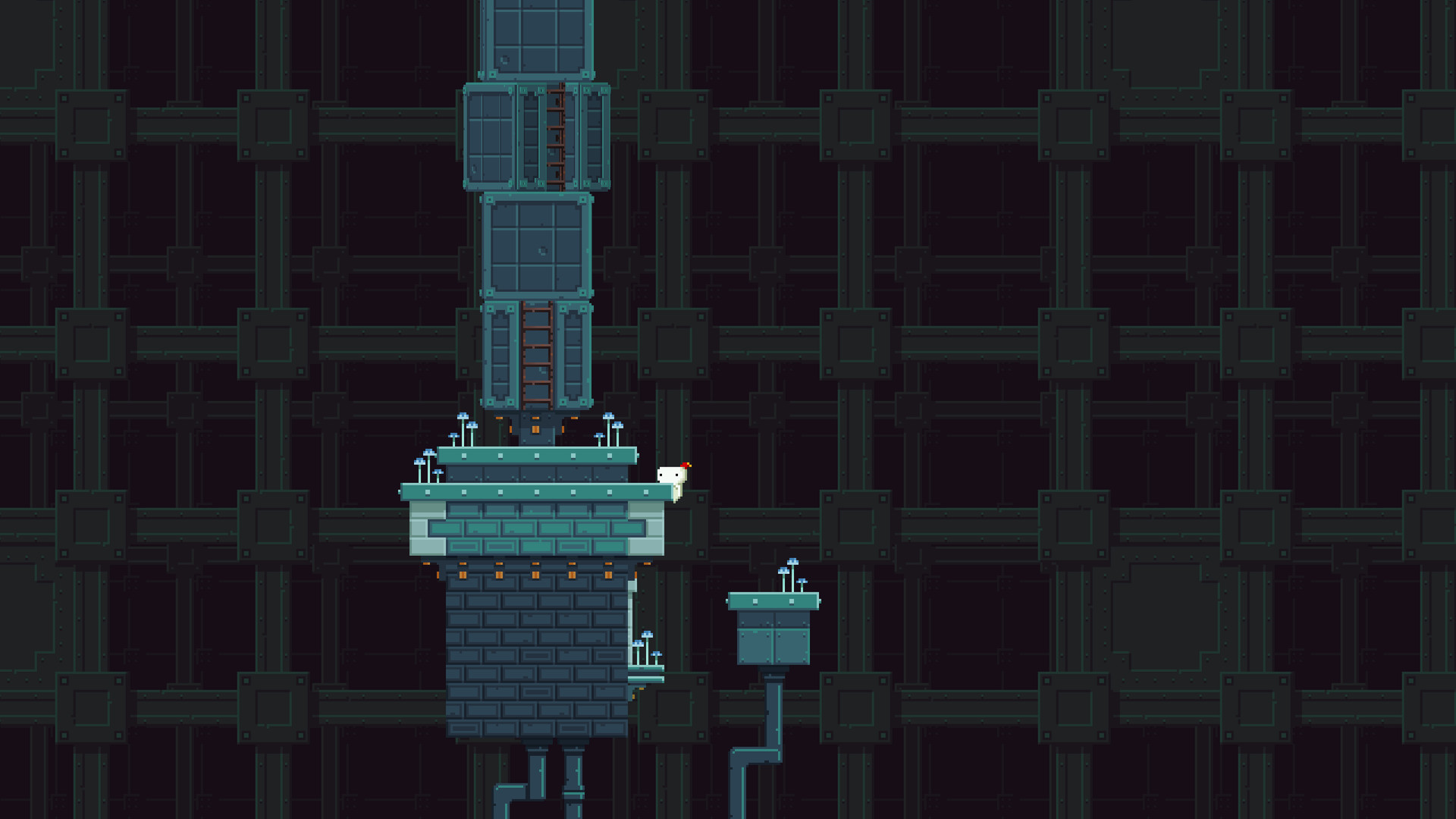 秘密のキューブは独自の文字と数の解読へ跳ねる(Steam スクリーンショット)
参照したレビュー群
本記事は 2026-06-16 時点での Steam ストアページのユーザーレビュー群を読んで書いた。レビュー本文の直接引用はせず、典型的な主張を再構成している。
・Steam: FEZ(非常に好評 / Very Positive、英語6,204件中91%が好評、全言語11,470件、recent 33件中84%)
・helpful 順の positive / negative の代表的なレビュー、recent 上位の数件、コミュニティハブの最近の投稿と攻略ガイド群を WebFetch で読了
・(専門メディア)Metacritic: FEZ(91)、Eurogamer(10/10)・IGN(9.5/10)等の評点を参照
結論
Steam の総評は『非常に好評』、英語91%。私の設計批評としての採点は 8.0 だ。核となる回転の動詞は、登場の瞬間において文句なく天才的で、敵も罰もない世界の作りも穏やかで美しい。減点の理由ははっきりしている。その鮮烈な動詞を本道で深く展開しきらず、難所をすべて別系統の暗号解読へ預けたことだ。回転というジャンルの発明と、解読というARG的な負荷が、一本の学習曲線として繋がっていない。
レビュー群が10年以上ぶれずに教えてくれるのは、この作品の評価が『何を期待して入るか』でほぼ決まる、ということだ。回転の驚きと穏やかな世界を浴びに来た人には、いまも色褪せない名作。完全踏破の達成感を自力の解読で得たい人には、紙とペンを構える覚悟が要る。攻略の歯応えだけを求め、静かな散歩を望まない人は、最初から射程の外にいる。賛否そのものが、この作品が誰に向けて作られたかを映している。
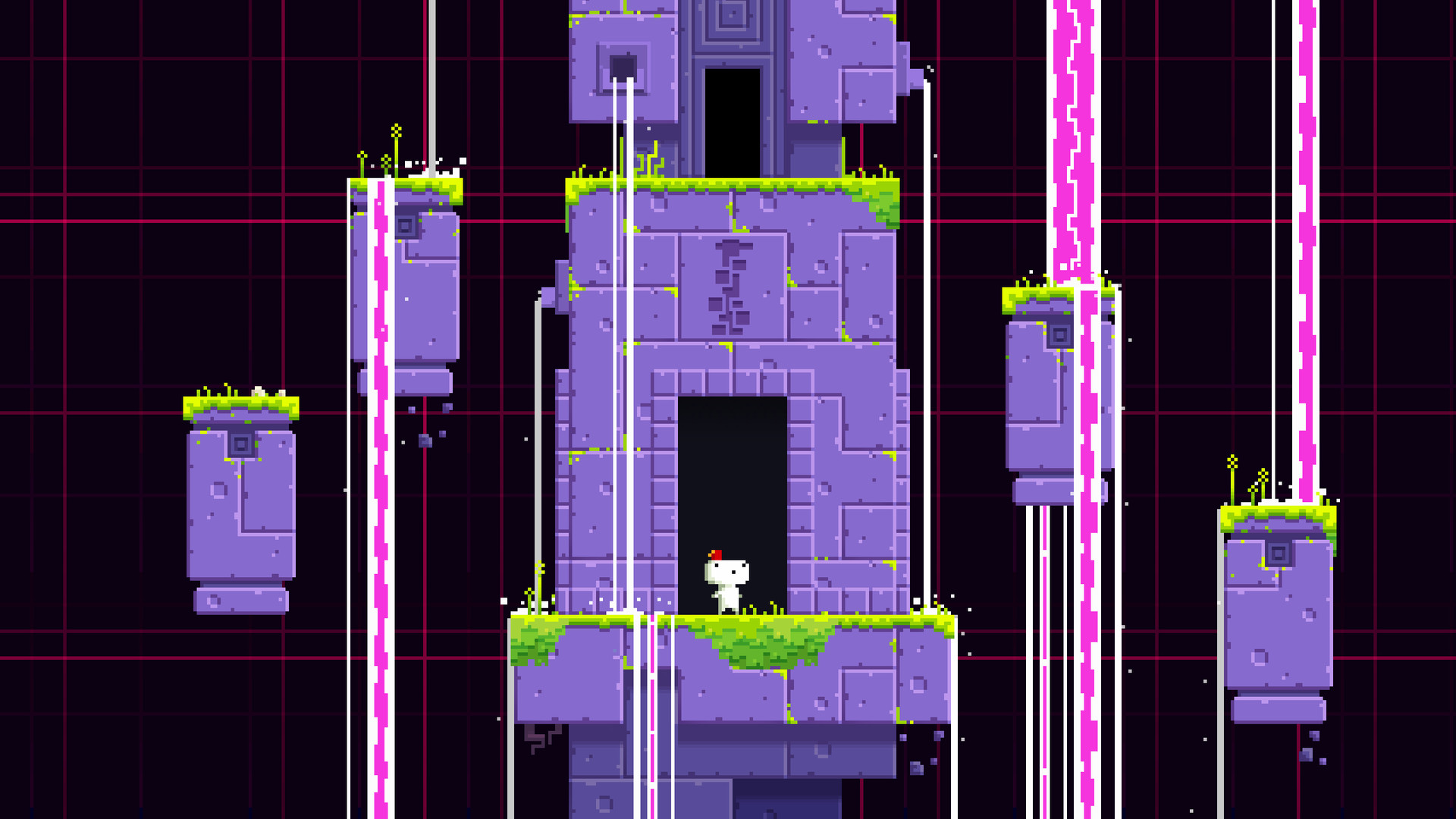 回転というジャンルの発明と、解読の負荷(Steam スクリーンショット)
このゲーム、あなたは?
押すと「あなたの棚」に入ります(アカウントのページで見られます)。
リアクション(ログイン不要)
匿名で残せます • 同じリアクションは1日1回まで
次に読む

関連レビュー
The Bridge
ステージそのものを左右に回して重力の向きを変え、エッシャー風の不可能建築を抜けて出口の鍵を取る2Dパズル。手描きの白黒リトグラフ世界で、「世界を回す」たった一つの動詞から、渦・転がる球体・反転といった仕掛けが広がる。Ty Taylor と Mario Castañeda による2013年作。
The Swapper
クローンを最大四体まで生み出し、意識を別の身体へ飛ばす銃を手に、廃棄された宇宙ステーション「テセウス」を降りていく2Dのパズル・プラットフォーマー。赤と青の光が複製と転送を阻む硬い文法の中で、粘土細工の孤独な世界が「自己とは何か」を静かに問う、Facepalm Games の一作。
Antichamber
白い壁と黒い線だけで描かれた、非ユークリッド空間そのものを文法にする一人称パズル。