TAG
#toki
0 reviews · 52 essays
Related essays
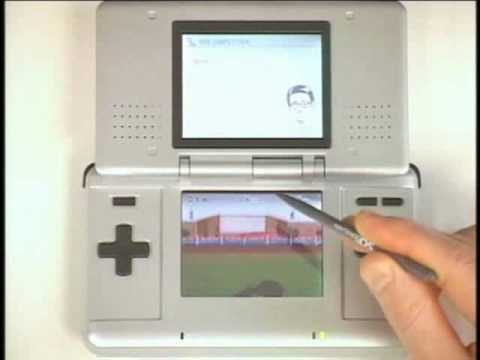
nintendogs (2005) - pet the screen, call its name; a perfect 40 in Famitsu
Episode 76 of "Today Is Release Day": nintendogs, the Nintendo DS dog-raising title released in Europe on October 7, 2005. Touch screen and microphone care; Famitsu gave it a perfect 40/40.
Tactics Ogre (1995) - a battlefield ordered by speed; 34 points in Famitsu
Episode 75 of "Today Is Release Day": Tactics Ogre, Quest's Super Famicom tactical RPG released October 6, 1995, where speed decides turn order. Famitsu's cross review gave it 34/40.
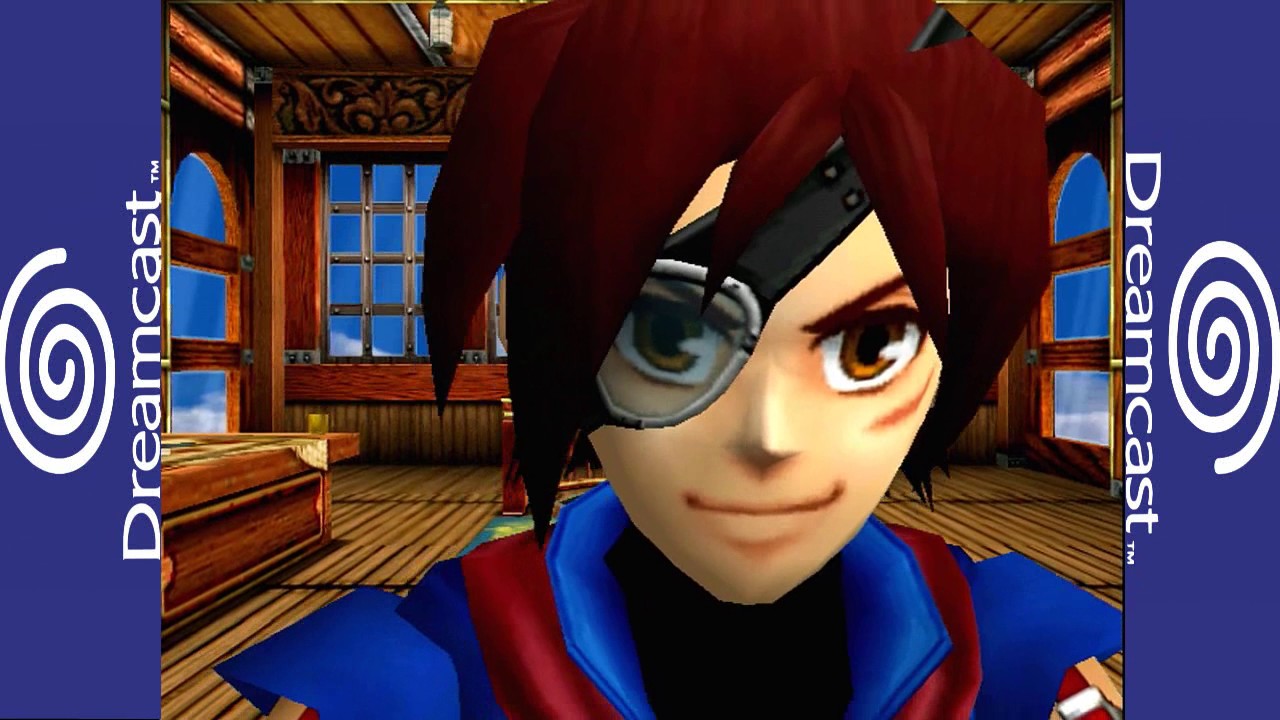
Eternal Arcadia (2000) - a sky-pirate RPG that critics loved but few bought
Episode 74 of "Today Is Release Day": Eternal Arcadia (Skies of Arcadia), Sega's Dreamcast RPG about flying sailing ships, released in Japan on October 5, 2000. Famitsu gave 33/40 and Western critics around 93/100, yet sales did not match the praise.
Psychic Force (1996) - a fighting game moved into a floating cube, but the movement was 2D
Episode 73 of "Today Is Release Day": Psychic Force, Taito's PlayStation port of its air-borne fighter, released in Japan on October 4, 1996. Fighters float freely in a cube, yet the play is 2D. Western reviews split: fresh at first, then dominated by projectiles.
Advance Wars 2: Black Hole Rising (2003) - a war game that plays like shogi, and reached Japan later under another name
Episode 72 of "Today Is Release Day": Advance Wars 2: Black Hole Rising, the GBA strategy game released in Europe on October 3, 2003. Metacritic 89. Not released in Japan at first; it arrived in 2004 in a compilation under a different name.
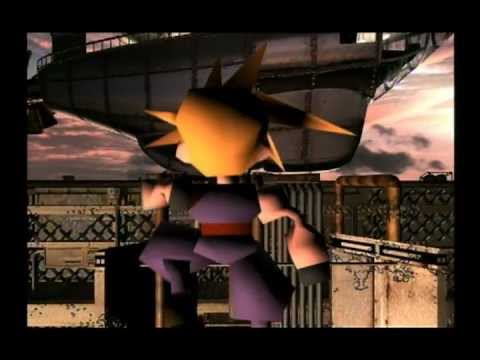
Final Fantasy VII International (1997) - a hit RPG got a second release day, bringing overseas improvements home
Episode 71 of "Today Is Release Day": Final Fantasy VII International, the revised edition Square released for the PlayStation on October 2, 1997, with improvements from the overseas version. The original sold 3.27 million in Japan by year's end.
beatmania (1998) - the arcade DJ booth came to the living-room TV, controller and all
Episode 70 of "Today Is Release Day": beatmania, the DJ-style music game with five keys and a turntable, released by Konami for the PlayStation on October 1, 1998. It sold about 1.09 million copies in Japan and carried the music-game boom into the home
Seiken Densetsu 3 (1995) - pick one of six heroes and travel as three. It took 24 years to play officially in English
Episode 69 of "Today Is Release Day": Seiken Densetsu 3, a three-person action RPG released by Square for the Super Famicom on September 30, 1995. Famitsu gave it 31 points and the Silver Hall of Fame. Its North American release was dropped, and official English came in 2019.
Policenauts (1995) - the game Kojima called a culmination landed first on the 3DO, and took 14 years to reach English
Episode 68 of "Today Is Release Day": Policenauts, a hardboiled science fiction adventure directed and written by Hideo Kojima, released by Konami for the 3DO on September 29, 1995. Following the 1994 PC-9821 original, this was its first appearance on a home console, with new animation by AIC and newly composed music; development had begun in 1990. Famitsu's cross review later gave the PlayStation version 30 out of 40 and the Saturn version 32. An overseas release announced in 1996 quietly vanished, and the game only became playable in English when a fan translation was released in 2009. Today it turns 31.
Gunparade March (2000) - allies who live and die on their own, and a game that won a science fiction prize
Episode 67 of "Today Is Release Day": Gunparade March, developed by Alfa System and released by Sony Computer Entertainment for the PlayStation on September 28, 2000. Its 22 allies run on Karel 2, a colony-type AI modeled on ant society, so who you grow close to and who dies is never fixed in advance. It sold slowly, vanished from shelves, took an Award for Excellence at the 5th Japan Game Awards, and in August 2001 won the Seiun Award in the media category. Today it turns 26.
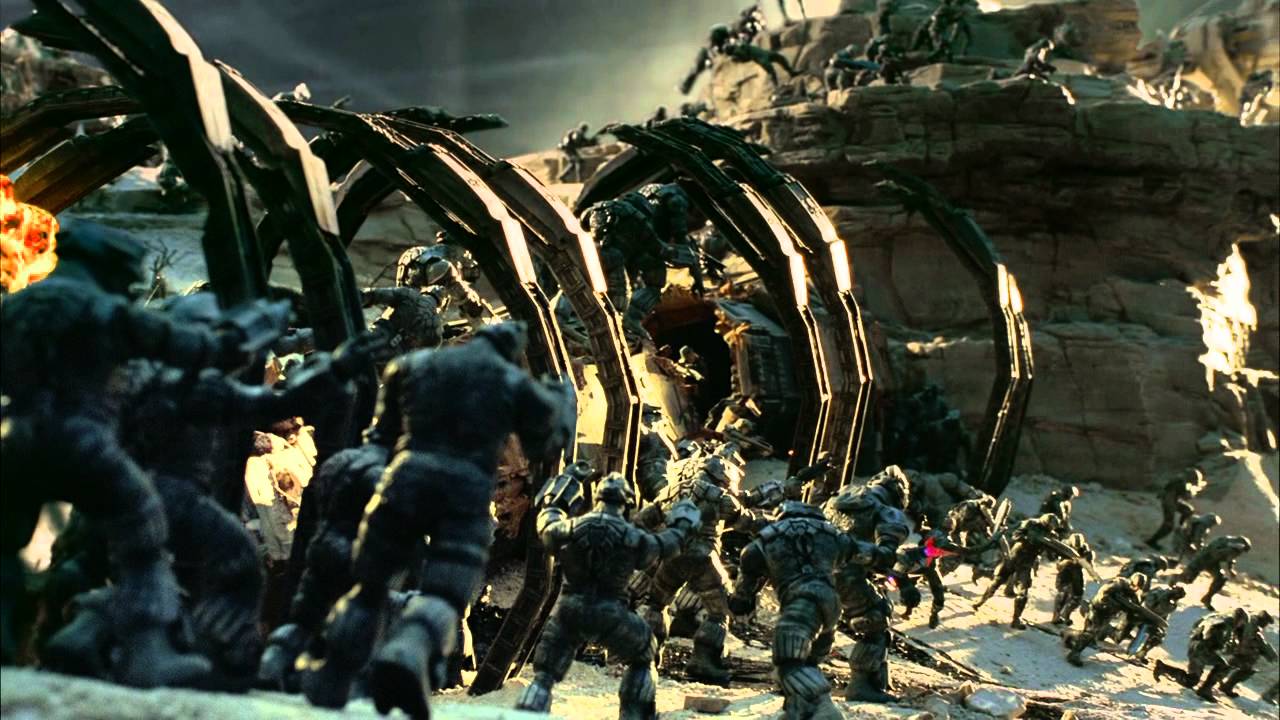
Halo 3 (2007) - $170 million on day one, and the ad showed a hand-built diorama instead of the game
Episode 66 of "Today Is Release Day": Halo 3, made by Bungie and released by Microsoft on Xbox 360 on September 25, 2007 in North America and Australia. The pre-release campaign, "Believe", showed no gameplay. What it showed was a physical diorama over 1,200 square feet in area and over twelve feet tall. The game took $170 million in the United States in its first twenty-four hours and over $300 million worldwide in its first week, and it averaged 94 on Metacritic. Inside the disc were Forge, which let players rebuild multiplayer maps, and Theater, which saved up to a hundred matches to watch back.
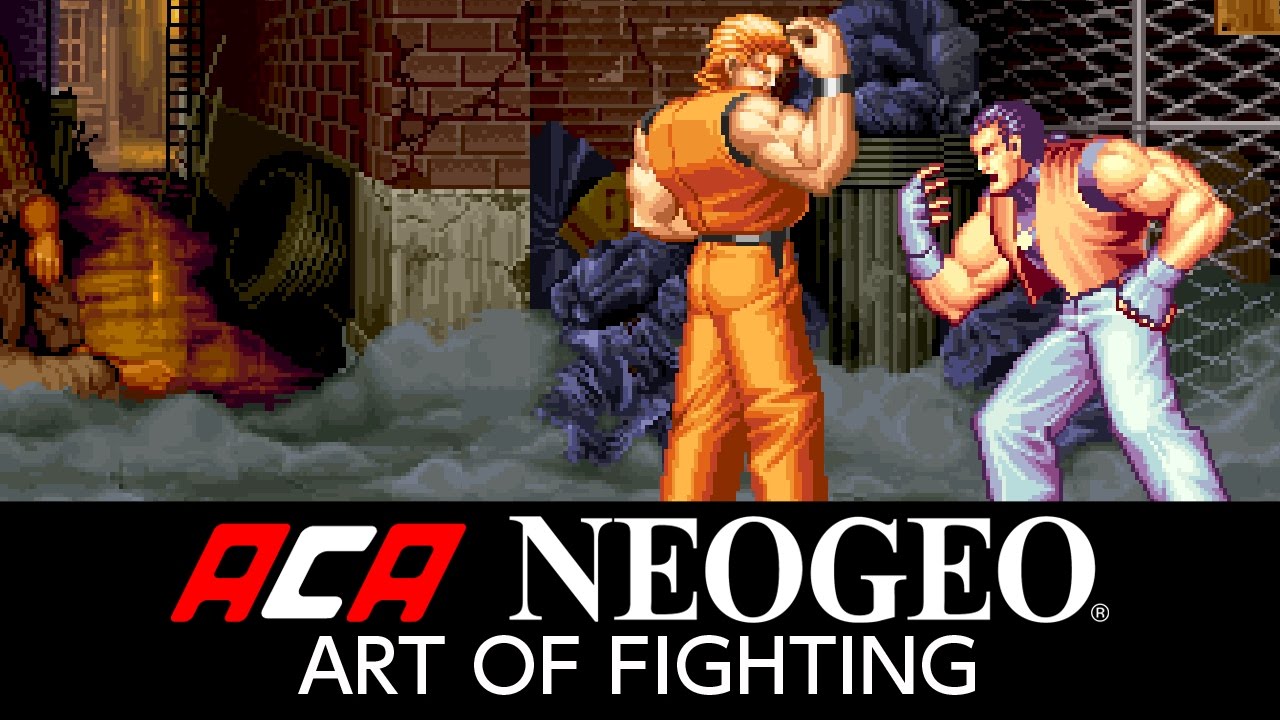
Art of Fighting (1992) - the fighter where faces swell, and where the "super special move" took hold
Episode 65 of "Today Is Release Day": Art of Fighting, the fighting game SNK put into arcades on the Neo Geo MVS on September 24, 1992, billed as the first title of "THE 100MEGA SHOCK". The view zooms in over two steps as the fighters close, and faces swell where they are hit. Underneath the health bar it added a spirit gauge, and it spread both the idea and the name of the super special move. In the American trade magazine RePlay it topped the December 1992 chart for conversion kits. In June 2026 SNK announced Gaiden R, a remaster of 1996's Art of Fighting Gaiden.
Dragon Quest I & II (1999) - a book you can save in anywhere, which vanishes the moment you resume
Episode 64 of "Today Is Release Day": Dragon Quest I & II, which Enix released for the Game Boy on September 23, 1999. Two role-playing games from 1986 and 1987 were fitted onto one cartridge, with development by Tose. To make them portable, the port added a "Book of Suspension" that lets you save anywhere - except that the save disappears the moment you resume. Around 740,000 copies shipped in Japan. The North American version that followed in 2000 dropped the old-fashioned English of earlier entries, and the hero's name went from "Erdrick" back to "Loto".
Libble Rabble (1994) - to bring a two-stick game home, the box came with a second D-pad
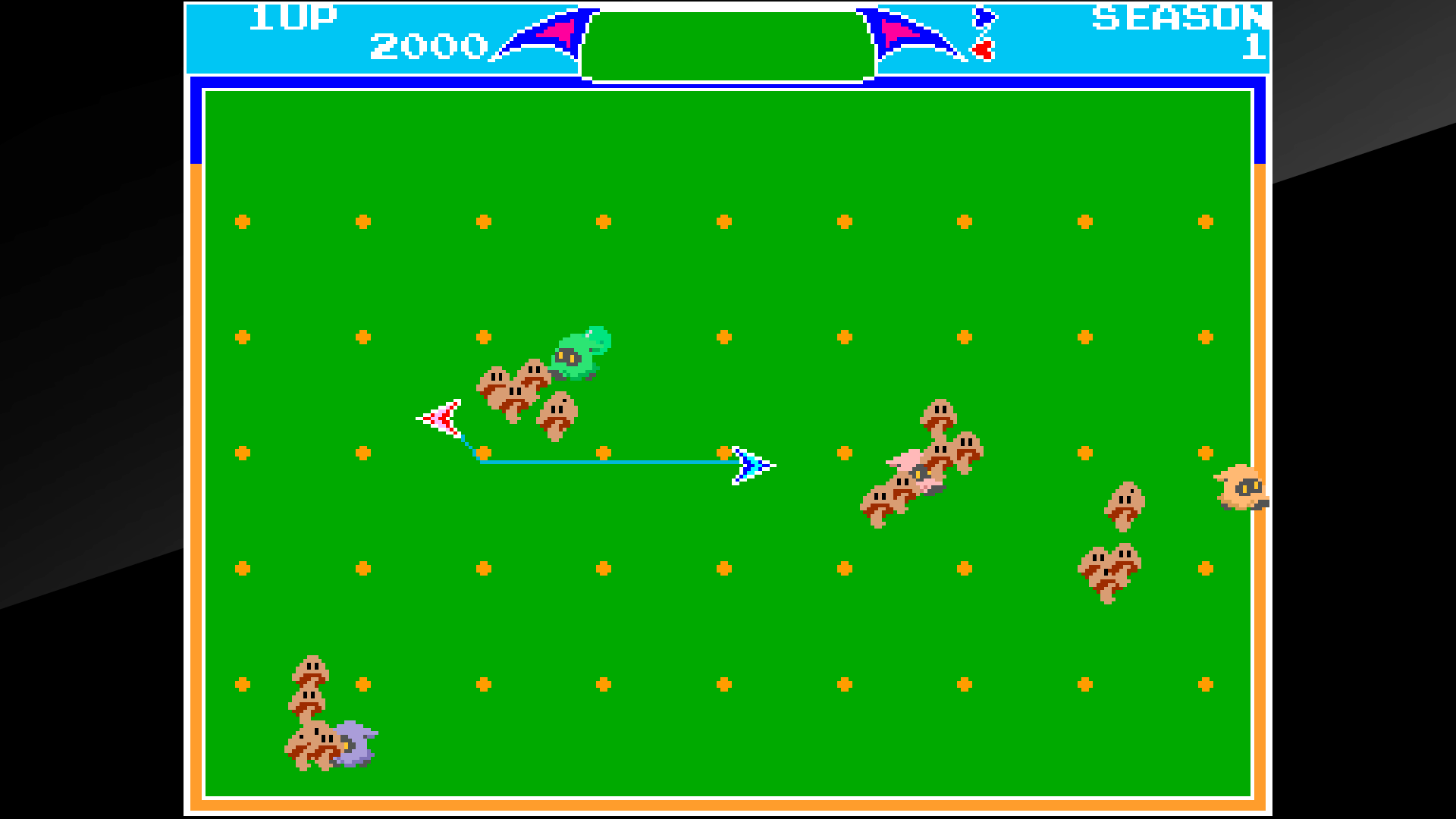
Episode 63 of "Today Is Release Day": Libble Rabble, which Namco released for the Super Famicom on September 22, 1994. You move two arrows and fence enemies in with the line strung between them. It began as a 1983 arcade game planned by Toru Iwatani, the creator of Pac-Man. To recreate its twin eight-way sticks at home, the box included a plastic D-pad cover that sat on top of the ABXY buttons. Here are its arcade numbers, the sentence that kept it out of North America, and its return in 2021.
Kirby Bowl (1994) - a golf game whose hero was swapped in late, while the original version only ever aired on Japanese satellite radio
Episode 62 of "Today Is Release Day": Kirby Bowl, released by Nintendo for the Super Famicom on September 21, 1994 - something between golf and billiards. It began as a different game called Special Tee Shot, whose hero was a red ball with eyes. In 1992 it reached magazine previews and even retail announcements in North America, then never shipped; two years later Kirby was dropped into it and out it went. Famitsu's Cross Review gave it 28 out of 40. The original project finally surfaced in 1996, broadcast only over Japan's Satellaview. Today the game turns 32.
Hebereke (1991) — the North American release vanished because the characters were "too strange", and it took 19 years to arrive
Episode 61 of "Today Is Release Day": Hebereke, an exploration-platformer Sunsoft released for the Famicom on September 20, 1991. Every new companion opens up somewhere you could not reach before - what we would now call a Metroidvania. Famitsu's Cross Review gave it 26 out of 40. Europe got it as Ufouria: The Saga, with the names, the sprites and the story swapped out; the North American version was dropped because the characters were judged too strange. It reached North America legitimately 19 years later, in 2010. Today the game turns 35.
Torneko no Daibouken: Fushigi no Dungeon (1993) — the RPG that sends you back to level 1, re-released almost unchanged in its 33rd year
Episode 60 of "Today Is Release Day": Torneko no Daibouken: Fushigi no Dungeon, released by Chunsoft for the Super Famicom on September 19, 1993 — the starting point for roguelikes on Japanese home consoles. Its tagline was "an RPG you can play 1,000 times." The dungeon is rebuilt every time you enter, and when you fall you go back to level 1 and lose everything you carried. Famitsu's Cross Review gave it 32 out of 40, a Gold Hall of Fame score. Then, on September 9, 2026, a remaster shipped with no advance notice — ten days before the 33rd anniversary.
Oddworld: Abe's Oddysee (1997) — where the attack button should be, there is a talk button
Episode 59 of "Today Is Release Day": Oddworld: Abe's Oddysee, made by Oddworld Inhabitants and published by GT Interactive for the PlayStation. It reached North American shelves on September 18, 1997 — 29 years ago today. Abe carries no weapon. He can talk to his fellow Mudokons, and he can possess his enemies. That is all. Rescue fewer than 50 of the 99 Mudokons and Abe ends up in the meat grinder. GameRankings 88%, Metacritic 85. The game cost $4 million to build and $10 million to advertise.
Vitamina Oukoku Monogatari (1992) — a Game Boy RPG with no battle menu, that saved itself every few minutes
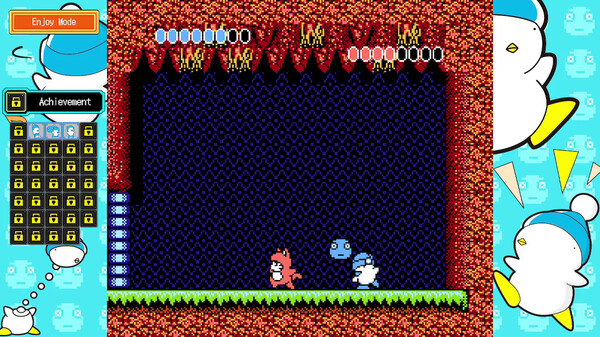
Episode 58 of "Today Is Release Day": Vitamina Oukoku Monogatari, published by Namco for the Game Boy on September 17, 1992 — 34 years ago today. There is no "Fight / Magic" list in battle; four spells sit on the four directions of the d-pad. The game saves itself every few minutes, and almost every name in it is a food. Famitsu scored it 24 out of 40.
Kowloon High-School Chronicle (2004) — it shared a release day with Pokemon Emerald, and needed 16 years to cross the ocean
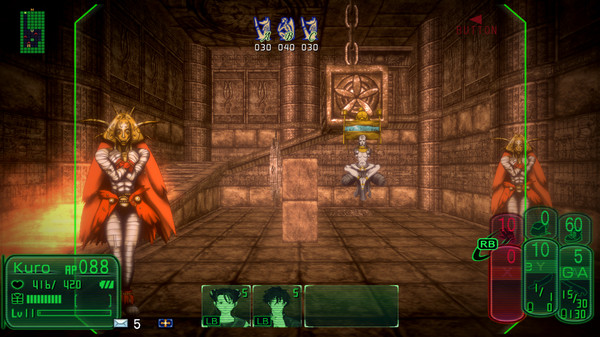
Episode 57 of “Today Is Release Day”: Kowloon High-School Chronicle, published by Atlus on the PlayStation 2 on September 16, 2004 — 22 years ago today. Pokemon Emerald shipped the same day. This one sold about 42,000 copies. Sixteen years later, it was the one that got rebuilt and sent abroad.
Gyakuten Saiban: Yomigaeru Gyakuten (2005) — they added one case to a four-year-old game, and the series crossed the ocean
Episode 56 of “Today Is Release Day”: Gyakuten Saiban: Yomigaeru Gyakuten, known abroad as Phoenix Wright: Ace Attorney. Capcom released it on the Nintendo DS on September 15, 2005 — twenty-one years ago today. It was a port of a 2001 Game Boy Advance game with a single extra case bolted on. That one case, and an English mode that shipped inside the Japanese cartridge, carried the series out into the world.
Clock Tower (1995) — the horror game that hands you no weapon and sets a man with shears loose behind you
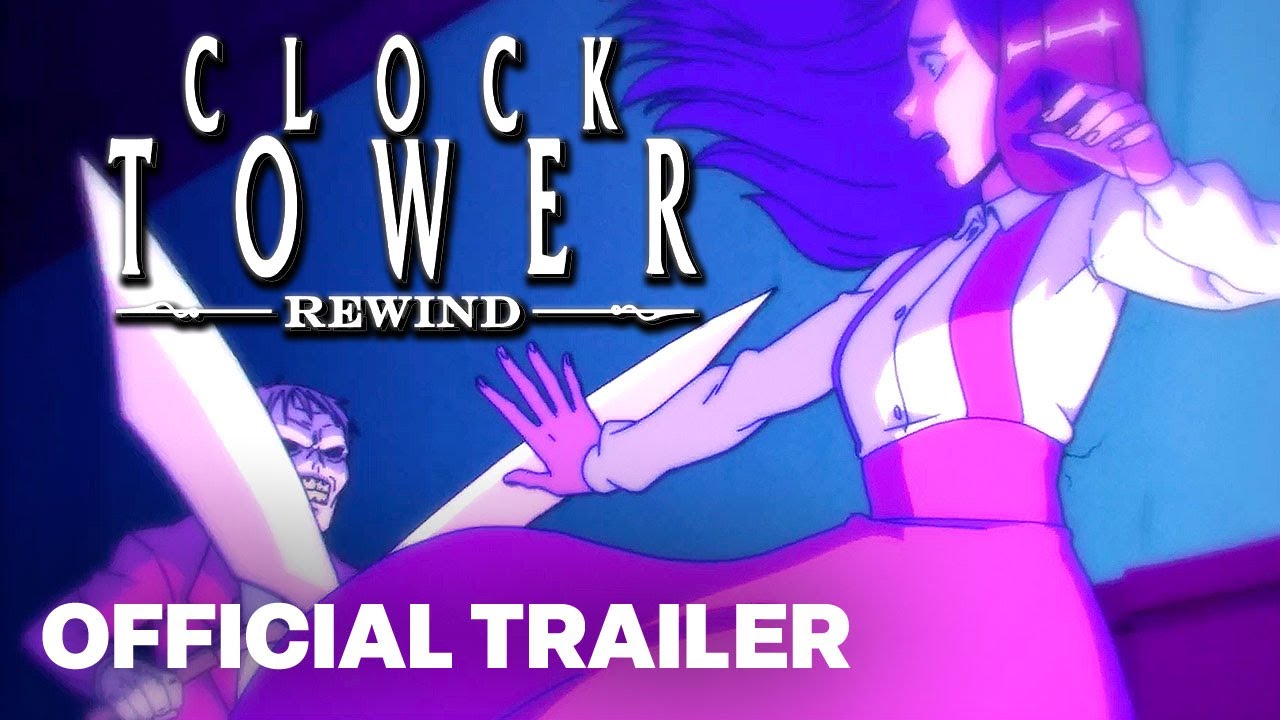
Episode 55 of “Today Is Release Day”: Clock Tower. Human released it on the Super Famicom on September 14, 1995 — thirty-one years ago today. Your heroine cannot fight. She can only run and hide. Famitsu's review panel gave it 31 out of 40 and a Silver Hall of Fame award.
Pokémon Yellow (1998) — the day a Pikachu that refused its Poké Ball started walking behind you
Episode 54 of “Today Is Release Day”: Pokémon Yellow. It reached Japan on September 12, 1998 — twenty-eight years ago today. You don't pick your starter, and the one you are handed won't go back into its ball. Eleven years later, on the very same date, that trick was handed to every Pokémon.
Final Fantasy USA: Mystic Quest (1993) — the Final Fantasy built for American beginners, then shipped back to Japan with “USA” in its name
Episode 53 of “Today Is Release Day”: Final Fantasy USA: Mystic Quest. It reached Japan on September 10, 1993 — exactly thirty-three years ago today. Square had built it in Osaka for North American beginners, and it came home eleven months later with the word “USA” on the box. Famitsu's four reviewers gave it 7, 6, 6 and 4. Even the harshest write-ups praised the music.
Mortal Kombat II (1994) — the Friday Nintendo let the blood back in, and the Genesis version still outsold it
Episode 52 of “Today Is Release Day”: Mortal Kombat II. The home versions arrived in North America on Friday, September 9, 1994 — exactly thirty-two years ago today. Nintendo had stripped the blood out of the first game's SNES port; this time it allowed the blood and the Fatalities. The Genesis version still sold more in the United States. And only the Japanese release had its blood recoloured green.
Muramasa: The Demon Blade (2009) — every review praised the art, and the studio ran out of money making it
Episode 51 of “Today Is Release Day”: Muramasa: The Demon Blade, released in North America on September 8, 2009 — exactly seventeen years ago today. Sixteen people at Vanillaware drew this 2D action RPG by hand. The aggregate score was 81, and almost no reviewer failed to praise the art. It still sold only 35,000 copies in its first North American month, and by release the studio’s funds were gone. Then, in June 2026, a follow-up was announced.
Silent Hill 4: The Room (2004) — they made the safest room your home base, and critics missed the puzzles
Episode 50 of “Today Is Release Day”: Silent Hill 4: The Room, released in North America on September 7, 2004 — exactly twenty-two years ago today. A series named after a town largely left that town for a single apartment. Room 302 is the only save point in the game; it heals you in the first half and drains you in the second. The aggregate average was 76. What reviewers missed most was not the room, but the series’ logic puzzles.
Shenmue II (2001) — a 90% game that arrived five months after its console stopped being made
Episode 49 of “Today Is Release Day”: Shenmue II, released on the Dreamcast on September 6, 2001 — exactly twenty-five years ago today. Sega had left the console hardware business and ended production of the machine five months earlier. Famitsu’s four critics gave it 8 apiece; the English-language average was 90%. Japanese sales still came to a third of the first game’s. North America never got the Dreamcast version, and the finished English build only surfaced twenty years later.
LocoRoco (2006) — you tilt the ground, not the hero. The pitch was refused twice
Episode 48 of “Today Is Release Day”: LocoRoco, released in North America on September 5, 2006 — exactly twenty years ago today. You do not move the round yellow creature; you tilt the ground, using only the L and R buttons. The pitch was turned down twice, and what got it approved was a prototype that only knew how to roll. Critics averaged 83; Japan’s first week was just over 30,000 copies.
Spore (2008) — critics averaged 84; on Amazon, 2,016 of 2,216 ratings were one star
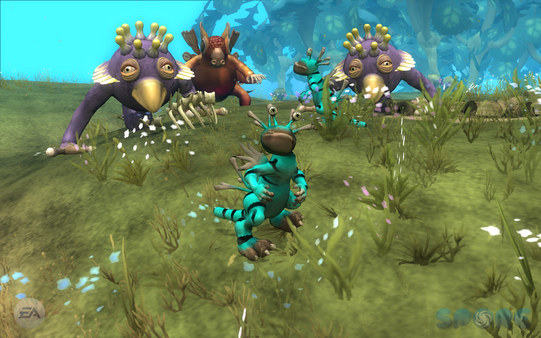
Episode 47 of “Today Is Release Day”: Spore. The first boxes in the world went on sale in Australia on September 4, 2008. Its design — cells to galaxies in one game — averaged 84 across 75 outlets. That same month, 2,016 of 2,216 Amazon ratings were a single star. The argument was never about the game itself.
Metal Gear Solid (1998) — a game about not being seen that used the controller port as a stage prop
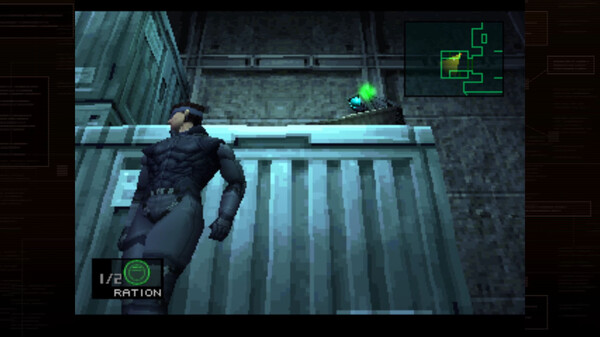
Episode 46 of “Today Is Release Day”: Metal Gear Solid, published by Konami for the PlayStation on September 3, 1998, at 5,800 yen. A game that put not being seen ahead of winning fights. Critics at the time called it a brand new genre, and Japan’s Media Arts Festival gave it an Excellence Award for 1998 — the same year its Grand Prize went to The Legend of Zelda: Ocarina of Time.
Live A Live (1994) — 270,000 copies counted as a failure. 28 years later, 500,000 worldwide
Episode 45 of “Today Is Release Day”: Live A Live, published by Square for the Super Famicom on September 2, 1994, at 9,900 yen. Seven stories set in seven eras, each played its own way, in a single cartridge. Famitsu gave it 29 out of 40, and it sold 270,000 copies in Japan. The 2022 HD-2D remake then reached 500,000 copies worldwide.
Comix Zone (1995) — the idea was praised, the ledger came up short
Episode 44 of “Today Is Release Day”: Comix Zone, published by Sega for the Mega Drive in Japan on September 1, 1995, at 7,800 yen. You fight your way from comic panel to comic panel. The idea and the artwork drew praise at the time, but the scores stopped around 79% and the game never broke even.
Bomber Boy (1990) — a port and a new game on one cartridge, and no agreement on which was the main one
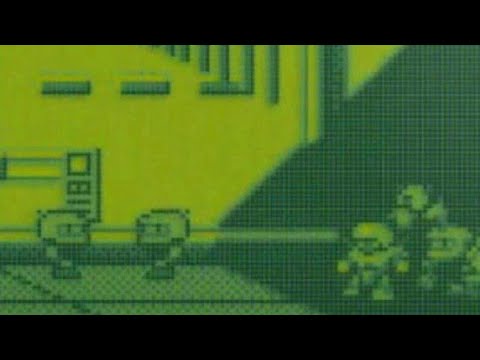
Episode 43 of “Today Is Release Day”: Bomber Boy, published by Hudson Soft for the Game Boy in Japan on August 31, 1990, at 3,500 yen. There are two games inside. One mode is the NES Bomberman carried over whole. The other, the Bomber Boy mode, was made for this cartridge, and it has a shop. Clearing a round earns GP — based on how long you took and how many blocks you destroyed — and GP buys “panels.” Round panels keep working until you die; square panels last a single round. Levels are picked from a map rather than played in a fixed line. The interesting part is how it landed. Britain’s Mean Machines gave it 81, calling it a “highly addictive” port of Bomberman and welcoming the added password system. The Japanese wiki Game Catalogue instead praises the shop and equippable items for giving the game “a customisation of its own,” and files the complete NES Bomberman as the bonus: “quite a bargain for the time.” The main feature and the bonus swapped places depending on where you read about it. It reached North America as Atomic Punk on May 5, 1991, and Europe as Dynablaster in 1991 (as of 2026-08).
Money Idol Exchanger (1997) — five 1-yen coins make a 5, and that is the whole tutorial
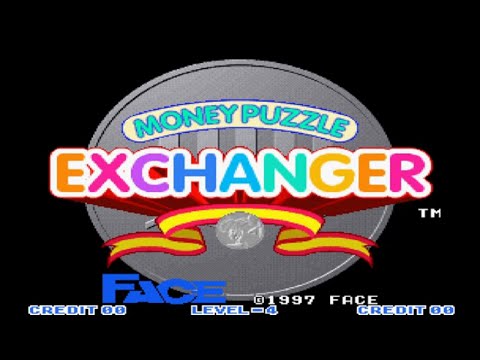
Episode 42 of “Today Is Release Day”: Money Idol Exchanger, published by Athena for the Game Boy in Japan on August 29, 1997. It began as an arcade puzzle game that Face put on the Neo Geo in January 1997 — SNK’s own page calls it the company’s first Neo Geo title. The rules are simply Japanese money. Line up five or more 1, 10 or 100-yen coins, or two or more 5, 50 or 500-yen coins, and they exchange into the next denomination up. Two 500-yen coins have nowhere left to go, so they vanish. There are only two buttons: pick up, and throw. You can start playing before you finish reading the manual. Japanese scores at the time were middling all the same: Famitsu gave the Game Boy version 22 out of 40 and the 1998 PlayStation version 26, and a Family Computer Magazine reader poll returned 19.4 out of 30. The reason lies in how chains work. The Japanese wiki Game Catalogue lists “accidental chains happen easily” as a strength while also noting that you cannot read where an exchanged coin will appear, which makes deliberate chains hard to build. Abroad it has been placed next to Puzzle Bobble and Magical Drop. Since June 28, 2018 it has been on sale as an ACA NEOGEO release for PlayStation 4, Nintendo Switch and Xbox One, and since April 6, 2019 on Windows 10 (as of 2026-08).
Gradius Gaiden (1997) — the classic that a still image could not sell, and that sold 34,383 copies
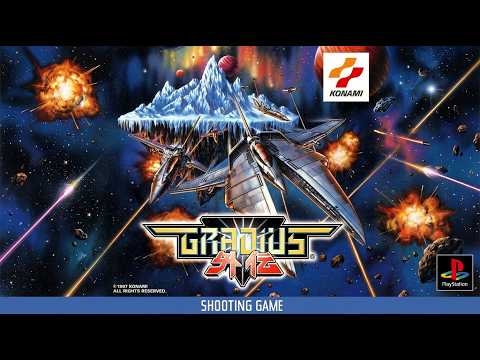
Episode 41 of “Today Is Release Day”: Gradius Gaiden, released by Konami for the PlayStation in Japan on August 28, 1997, at 5,800 yen. It was the first entry in the series designed for a home console rather than an arcade, and reportedly took less than a year to develop. You choose one of four ships — Vic Viper, Lord British, Jade Knight, Falchion β — reorder the power-up meter yourself, and pick between a “Guard” barrier that survives terrain and a “Limit” barrier that grants three seconds of full invincibility. It also added the series’ first two-player mode. Its stages run from a snowfield to the remains of a boss, laser-reflecting crystals and rotating Moai heads. The reception, though, was twisted: Famitsu’s four reviewers called it one of the best-looking shooters on the PlayStation, while the wider public waved it off as “Gradius III with slightly better resolution” and “a 2D shooter, now?” in a year that only looked at 3D. It sold 34,383 copies in its lifetime, and the North American release announced in December 1997 was cancelled. The reassessment came later — on December 3, 2018 it was one of just twenty games built into the PlayStation Classic.
Astronōka (1998) — the same trap never works twice, and the praise arrived twenty years late
Episode 40 of “Today Is Release Day”: Astronōka, released by Enix for the PlayStation in Japan on August 27, 1998, at 6,800 yen. It was developed by MuuMuu and System Sacom, with game design and AI by Yukihito Morikawa. You grow vegetables in space, tuning weight, pattern and flavour on a crossbreeding machine to win contests, while defending the field against a pest called Baboo with a layout of traps. The twist is that the Baboo adapt: catch one in the same trap often enough and its legs grow stronger, or it sprouts wings. A genetic algorithm runs underneath — only one Baboo appears per day on screen, but at least ten generations turn over internally and the fittest individual is the one you meet, and the mutation rate rises whenever evolution stalls. The reception at the time was quiet, and Morikawa later described his shock that the AI was working properly and nobody gave it credit. The praise took twenty years: at the 2019 anniversary event, AI researcher Yoichiro Miyake called it the best game in the world built with a genetic algorithm.
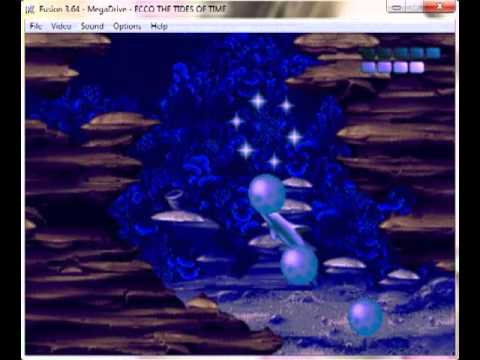
Ecco: The Tides of Time (1994) — “easier than the first game” and “much harder than the first game,” written at the same time
Episode 39 of “Today Is Release Day”: Ecco: The Tides of Time, released by SEGA for the Mega Drive in Japan on August 26, 1994, at 6,800 yen, product code G-4123, on a 16-megabit cartridge. The first Ecco the Dolphin had arrived on July 30, 1993, about a year and a month earlier. You still swim Ecco through the sea and read your surroundings with sonar, but the sequel adds the Pulsar, a charged multi-directional blast, and the Metasphere, which turns Ecco into a seagull, a jellyfish, a shark, a school of fish or an enemy drone. New pseudo-3D stages send you swimming through rings into the distance. It was developed by Novotrade International in Hungary, with box art by Boris Vallejo. Reviewers split over difficulty: Electronic Gaming Monthly scored the Mega Drive version 7.25 out of 10, with two of its four reviewers calling it much harder than the original, while GamePro found it more approachable. Next Generation gave 3 out of 5, the Game Gear version scored 6.5 and the Sega CD version 7.6. Thirty-two years later, Japanese references still carry both halves of that argument.
Batman: Arkham Asylum (2009) — the day “licensed game” stopped meaning “bad game”
Episode 38 of “Today Is Release Day”: Batman: Arkham Asylum, released in North America on August 25, 2009, in Europe on August 28 and in Australia on September 3. It was developed by Rocksteady Studios in the UK and published by Eidos Interactive and Warner Bros. Interactive Entertainment. PlayStation 3 and Xbox 360 came first; the Windows version followed in North America on September 15. The whole game takes place inside one asylum. Areas stay shut until the story moves on or you find new equipment, a structure the team drew from The Legend of Zelda and Metroid. Detective Vision shows enemies through walls, and the Riddler leaves 240 collectibles behind. The reception was warm: Metacritic averages of 92 on Xbox 360 and 91 on PlayStation 3 and Windows, 9.3 from IGN, 9.5 from Game Informer, 8 from Edge. Guinness World Records listed it as the most critically acclaimed superhero game ever, with an average of 91.67. It sold roughly 593,000 copies in North America over five tracked days, close to two million worldwide in three weeks, and 4.3 million by October 2011. The Japanese release came on January 14, 2010 from Square Enix at 7,980 yen, and GAME Watch called it a model for how a licensed game should be made.
Mafia II (2010) — a city built this well, with this little to do in it
Episode 37 of “Today Is Release Day”: Mafia II, released in North America on August 24, 2010 and elsewhere on August 27. It was developed by 2K Czech in the Czech Republic, published by 2K Games, for PlayStation 3, Xbox 360 and Windows. The setting is the fictional Empire Bay, the years 1945 to 1951, and the lead is Vito Scaletta, home from the war. Eight years separated it from the 2002 original, and the LS3D engine was replaced by the purpose-built Illusion Engine. Three radio stations play licensed period music, and the PC version used NVIDIA PhysX for cloth and destruction. Opinion split hard: Metacritic averages of 75 for PC and PlayStation 3 and 74 for Xbox 360, with Game Informer at 9, GameSpot at 8.5, IGN at 7 and Eurogamer at 4. In Japan, GAME Watch wrote that the city is “so beautiful, so vast — and yet there is very little you can do.” Cut content became its own story after release; designer Daniel Vávra confirmed an entire Sicilian chapter had gone. The Japanese release followed that November from Take-Two Interactive Japan at 7,140 yen.
3D Lemmings (1996) — turning a flat classic into a solid, and fighting the camera
Episode 36 of “Today Is Release Day”: 3D Lemmings. It reached the Sega Saturn in Japan on August 23, 1996, published by Imagineer at 6,800 yen (product code T-15013G). The original Lemmings had arrived on the Amiga on February 14, 1991, developed by DMA Design and published by Psygnosis. The 3D version was built by the British studio Clockwork Games — the first entry in the series without DMA Design. Players steer four movable cameras around a solid level, and can drop into the eyes of a single lemming in “virtual lemming” mode. The one new skill is the turner, which bends walkers ninety degrees left or right. There are 80 main levels across Fun, Tricky, Taxing and Mayhem, twenty each, plus twenty practice levels. Opinion split. Electronic Gaming Monthly gave the PlayStation version 8 out of 10, and PC Gamer US named it Best Puzzle Game of 1995. GamePro panned it for a confusing 3D view worsened by poor controls, and Rob Allsetter in Britain’s Sega Saturn Magazine described catching himself changing camera angles with a split second left. Admirers and detractors were looking at the same thing: the camera. In Japan the Saturn version came first; the PlayStation version followed on November 8, 1996, from Sony Computer Entertainment at 5,800 yen. The series then stepped back from solid space with Lemmings Revolution in 2000.
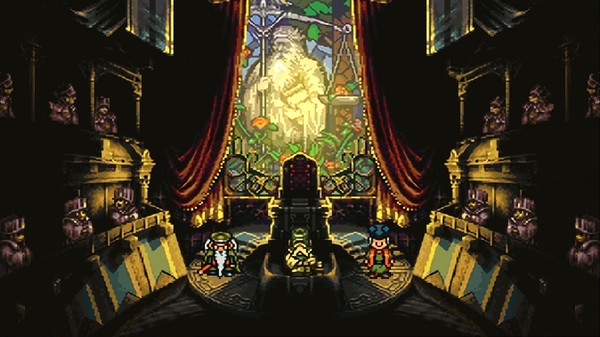
Chrono Trigger (1995) — acclaimed in North America, 290,000 copies sold
Episode 35 of “Today Is Release Day”: Chrono Trigger. It appeared in Japan on the Super Famicom on March 11, 1995, and the North American version followed on August 22 of the same year. It was built by the “Dream Team” of Hironobu Sakaguchi, Yuji Horii and Akira Toriyama: an RPG that moves between eras, where reaching into the past changes the landscape of the future. Enemies are visible on the map and fights start without a separate battle screen; there are twelve endings, and a replay mode that carries your strength over. Reviews were excellent — an A from Electronic Gaming Monthly, 5 out of 5 from GamePro, 4 out of 5 from Next Generation, 34 out of 40 from Famitsu’s four reviewers — and Nintendo Power called it “revolutionary”. Sales told the opposite story: an August 2003 Square Enix document lists 2.36 million copies in Japan against 290,000 abroad, roughly a tenth of the 2.65 million total. Europe never received the Super Nintendo version at all; its first official release was on Nintendo DS in 2009. Eighteen days after the North American launch, the PlayStation arrived in North America and the 16-bit era began to close. A Steam version followed on February 27, 2018.
Dragon Ball: Final Bout (1997) — 245,000 copies in Japan, “the worst PlayStation fighting game” abroad
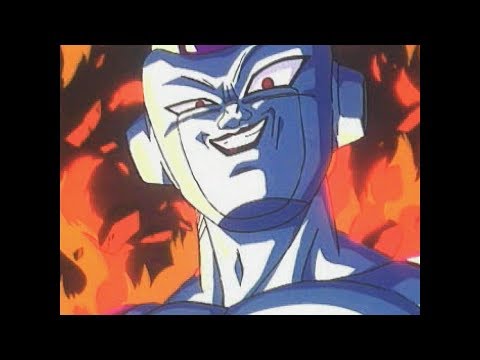
Episode 34 of “Today Is Release Day”: Dragon Ball: Final Bout, published by Bandai for the PlayStation on August 21, 1997 (5,800 yen, product number SLPS-00949, developed by TOSE). It was the first fully 3D fighting game in the series, built around the Meteor Smash — knock the opponent away, then enter a command on the beat to continue the assault — and around beam clashes settled by who presses faster. Eighteen fighters are playable, but six of them are alternate forms of Goku. The English-language reception was harsh: GameRankings averaged 50.00%, Next Generation (March 1998) called it “inarguably the worst PlayStation fighting game ever made,” and IGN concluded that fans “might as well go out and buy all the toys — at least they’re more controllable.” Electronic Gaming Monthly (December 1997), by contrast, split four ways, with Sushi-X praising it as “a ‘guru game’.” Sales came to 245,000 in Japan and 19,564 in North America, where the initial run was only around 10,000 copies — 264,564 in total. The opening animation was commissioned from Toei Animation, Kenji Yamamoto wrote the music and Hironobu Kageyama sang four new songs. A budget edition followed on July 23, 1998, after which Dragon Ball was absent from PlayStation until Budokai on PS2 in 2002.
Summon Night: Swordcraft Story 2 (2004) — The Sword You Forged Yourself Breaks Mid-Fight
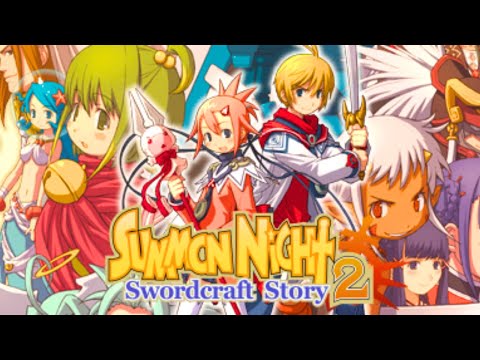
Episode 33 of "Today Is Release Day": Summon Night: Craft Sword Monogatari 2, published by Banpresto for the Game Boy Advance on August 20, 2004 (Famitsu's release schedule lists 5,800 yen before tax). Developed by Flight-Plan. The hero is not training to be a summoner but a Meister — a smith — shaping swords, axes, spears, knuckles and drills out of Shapestones and infusing ores and materials to add offense, defense and elemental effects. Battles play out in real time on a 2D side view; you can carry up to three weapons and swap between them mid-fight. But weapons have durability, and when it runs out the weapon breaks and cannot be used until it is repaired at the forge — repairing is new to this second game. Famitsu's cross review gave it 8, 10, 8, 8 for a total of 34/40. Atlus released it in North America on October 17, 2006, and a budget Value Selection edition appeared in Japan on February 2 of that same year. English-language scores varied: Metacritic averaged 79 from ten reviews, with IGN at 85, GameSpot at 73 and GameSpy at 70. RPGFan's Patrick Gann (December 11, 2006) gave it 86%, calling it easily the best 2D GBA game in the graphics department while pointing out that at least half the soundtrack was carried over from the first game.
Suikoden IV (2004) — The Day the Series Put to Sea and Was Told the Sailing Was Tedious
Episode 32 of "Today Is Release Day": Suikoden IV, published by Konami for the PlayStation 2 on August 19, 2004 at 6,980 yen before tax, developed by Konami Computer Entertainment Tokyo. It is set roughly 150 years before the first Suikoden, and its stage is not a continent but a scattering of islands in the open sea. The hero is a young knight of Razril who inherits the Rune of Punishment — a rune that eats away at its bearer's life each time it is used — and is then blamed for the death of his commander Glen and driven off the island. A ship becomes his headquarters, and the series' hallmark hunt for 108 companions is carried out at sea. Famitsu's cross review gave it 8, 7, 8, 7 for a total of 30/40 and a Silver Hall of Fame place. It sold 303,069 copies in Japan within 2004, short of the 377,729 of Suikoden III. North America got it on January 11, 2005, and GameSpot's review scored it 6.7, with one line in the cons column: time spent sailing is tedious, and there is a great deal of sailing.
Wolfenstein (2009) — The Day It Reached Shelves With No Scores Attached
Episode 31 of "Today Is Release Day": Wolfenstein, released by Activision in North America on August 18, 2009 for Windows, PlayStation 3 and Xbox 360 (August 19 in Australia, August 21 in Europe). Raven Software developed it on an enhanced version of id Software's id Tech 4. It is a first-person shooter based out of a German town in the Second World War, in which you push open the "Veil" — the barrier between Earth and another dimension — to slow time, see what is normally invisible, and strip the shields off protected enemies. The odd part is launch day itself: what TechCrunch published on August 18 was not a verdict on the game but an article about not being able to find any reviews. The scores that arrived over the following days scattered widely — 7.5/10 at GameSpot, 7.25/10 at Game Informer, 5/10 from Edge for the PS3 version — and the game sold about 100,000 copies in its first month. Activision laid off staff at Raven Software afterwards, and this became the last Wolfenstein the publisher ever released.
Air Fortress (1987) — The Shoot’em Up That Finishes on Foot, Inside the Fortress
Episode 30 of "Today Is Release Day": Air Fortress, released on the Famicom on August 17, 1987 under HAL Laboratory’s own label, priced at 5,300 yen. The first half is a side-scrolling shooter in which you fly a lightship to the fortress airlock; the second is an action stage where you move through the interior on a jetpack, destroy the core and escape. Energy and items collected in the first half carry straight over to the second, and inside the fortress every shot — bullet or bomb — pushes you backwards, so firing in the opposite direction is how you travel fast. That near-zero-gravity handling is the game’s great quirk. The North American version came out through HAL America in September 1989, and Nintendo Power, VideoGames & Computer Entertainment, Computer Entertainer and Germany’s Play Time all left reviews of it. As for HAL Laboratory, the company that published this cartridge filed for composition five years later, on June 22, 1992.
Soul Reaver (1999) — The Action-Adventure That Stacked Two Worlds on Top of Each Other
Episode 29 of "Today Is Release Day": Legacy of Kain: Soul Reaver, the PlayStation action-adventure developed by Crystal Dynamics and published by Eidos Interactive in North America on August 16, 1999. Raziel can move freely between the material and spectral realms, and the geometry itself warps as he shifts — one mechanic that carries the combat, the traversal and the block puzzles alike. 91 on Metacritic, Editors' Choice from both GameSpot and IGN, 9.3 from IGN. More than 1.4 million copies sold worldwide by 2001, and the first game in the series to join Sony's Greatest Hits line. In Japan, however, the PlayStation version Capcom was to publish was cancelled; it did not reach a Japanese console until the remaster arrived on July 10, 2025.
Chrono Cross (2000) — The Day a Story About Parallel Worlds Reached Another World
Episode 28 of "Today Is Release Day": Chrono Cross, the PlayStation RPG Square released in Japan on November 18, 1999 and in North America on August 15, 2000 — exactly twenty-six years ago today. You travel between two parallel worlds, Home World and Another World, gathering a cast of more than forty companions. Famitsu scored it 36/40; in North America GameSpot gave it a perfect 10 and named it its Console Game of the Year for 2000, while IGN gave it 9.7. Players hoping for a direct sequel to Chrono Trigger, on the other hand, were left puzzled. 1.5 million copies shipped worldwide by 2003 (850,000 in Japan, 650,000 abroad). Europe never got it at the time — it had to wait for the 2022 remaster.
Madden NFL 08 (2007) — The Release Day When Times Square Partied Like New Year's Eve
Episode 27 of "Today Is Release Day": Madden NFL 08, the American football game EA released in North America on August 14, 2007 — the 18th installment in the series. The night before, Times Square even hosted a countdown event recreating the New Year's Eve ball drop. First-week US sales: roughly 1.8 million copies and close to 100 million dollars. Meanwhile, the gap between 60 fps on Xbox 360 and 30 fps on PS3 sparked a major controversy — the 360 version outsold the PS3 version more than four to one that week. And this game remains on record as the last GameCube title released in North America. Exactly nineteen years ago today.
Death Crimson (1996) — thirty years after "since I'm here"
Episode 26 of "Today Is Release Day": Death Crimson, the "dark" light-gun shooter École Software released for the Sega Saturn on August 9, 1996. It scored 13 out of 40 in Famitsu's Cross Review and finished 297th out of 297 in Sega Saturn Magazine's reader race — yet its line "Since I'm here, I choose this red door!" became a catchphrase among Japanese players, and the game spawned sequels. Thirty years ago today — and for the anniversary, the line's actual meaning has finally been explained.
Final Fantasy Crystal Chronicles (2003) — The Summer We Brought Four GBAs
The 25th installment of "Today Is Release Day" is Final Fantasy Crystal Chronicles, released on August 8, 2003 for the Nintendo GameCube. It was the first Final Fantasy on a Nintendo home console since Final Fantasy VI in 1994, and the first original Final Fantasy released after the Square Enix merger. Its four-player mode, which required as many Game Boy Advance units as there were players, divided critics — yet the game took the Grand Prize in the Entertainment Division of the 7th Japan Media Arts Festival. Today marks exactly 23 years.