TAG
#retro
0 篇评论 · 136 篇随笔
相关随笔
Nine Linked Rings (Baguenaudier) (1872) — The Year an Origin-Unknown Ring Puzzle Turned Out to Use Binary Math 81 Years Before a Telegraph Engineer Patented the Same Idea
Nine Linked Rings, or Baguenaudier: remove rings from a bar one at a time until the last one slides free. Its origin is said to be China, but nothing is settled; the earliest confirmed records are a 16th-century Chinese text and, around the same time, the writings of Italian mathematician Luca Pacioli. In 1872, Lyon mathematics enthusiast Louis Gros became the first to theorize the puzzle's solution as a binary table. The same idea was independently reinvented 81 years later, in 1953, when telegraph engineer Frank Gray patented what communications engineers now call the "Gray code." As a physical puzzle, a 1970 patent by William Keister became "Spin-Out," an early product of Binary Arts (founded 1985, now ThinkFun), still sold today. This piece follows the 150-year lineage of a single ring mechanism.
《Oddworld: Abe's Oddysee》(1997)——本该是攻击键的位置上,放着一个说话键
「今天是发售日」第59回是《Oddworld: Abe's Oddysee》。由 Oddworld Inhabitants 开发、GT Interactive 发行的 PlayStation 解谜平台游戏,1997年9月18日摆上北美货架,到今天正好二十九年。主角阿布没有武器,他能做的只有两件事:跟同伴说话,以及附身到敌人身上。全场99名同伴中救不到50人,阿布就会被绞成肉泥。GameRankings 88%,Metacritic 85分。制作费400万美元,宣传费1000万美元。
The Seven Bridges of Königsberg (1736) — The Year Euler Erased the Map to Solve a Sunday Puzzle
The answer is simple. In 1736, the mathematician Leonhard Euler proved that no walk existed that crossed all seven bridges of the Prussian town of Königsberg exactly once and returned to its start. The town's four landmasses were connected by 5, 3, 3, and 3 bridges respectively — all odd numbers. His paper, "Solutio problematis ad geometriam situs pertinentis," was presented on August 26, 1735, and published in 1741. By reducing landmasses to points and bridges to lines, Euler founded what became graph theory — the same logic taught in schools today as the rule for "one-stroke" drawing puzzles. This article traces how that 290-year-old proof still shapes the design of today's routing puzzle games, from Cosmic Express to Lyne to Mini Metro.
《维他命娜王国物语》(1992)——战斗没有指令表,还会每隔几分钟自动存档的 Game Boy RPG
「今天是发售日」第58回是《维他命娜王国物语》。由南梦宫于1992年9月17日在 Game Boy 发售,到今天正好三十四年。战斗中不会弹出「攻击」「魔法」的指令表,四个魔法分别挂在十字键的四个方向上。游戏每隔几分钟自动存档,登场人物的名字几乎全来自食物。《Fami通》交叉评分为40分满分中的24分。
Peg Solitaire (1697) — The Day a Game With No Inventor Became the Math of Proving "Unsolvable"
On a cross-shaped board of pegs, you jump one peg over its neighbor and remove it, again and again, hoping to end with a single peg left. The earliest record of Peg Solitaire appears in 1697, in the French court periodical Mercure Galant under Louis XIV. No inventor is known. The popular legend that a prisoner in the Bastille devised it traces back no further than an English book from 1801, and puzzle historian John Beasley calls it unsupported by any earlier French source. In 1912 Ernest Bergholt found an 18-move solution to the classic problem; in 1982 Winning Ways for Your Mathematical Plays introduced the "pagoda function," a tool for proving certain positions mathematically unreachable. In 2007 the board resurfaced as puzzles inside Professor Layton and the Diabolical Box. This piece traces a single ruleset that has been played for over three centuries without ever needing a named inventor.
《九龙妖魔学园纪》(2004)——和《宝可梦 绿宝石》同一天发售,却花了十六年才漂洋过海
「今天是发售日」第57回是《九龙妖魔学园纪》。由 Atlus 于2004年9月16日在 PS2 发售,到今天正好二十二年。同一天的货架上摆着《宝可梦 绿宝石》。这一款卖了约四万二千份。但十六年后,被重新做出来送向世界的,是它。
《逆转裁判 苏生的逆转》(2005)——给四年前的游戏只加了一话,系列就漂洋过海了
「今天是发售日」第56回是《逆转裁判 苏生的逆转》。由卡普空于2005年9月15日在任天堂DS发售,到今天正好二十一年。它是2001年GBA版《逆转裁判》的移植,只多加了第五话。为那一话而加入的机能,以及日版一开始就内建的英语模式,把这个系列带向了世界。
Mastermind (1970) — A Telecoms Engineer's Four Colors, Later Reborn as Fallout's Hacking Screen
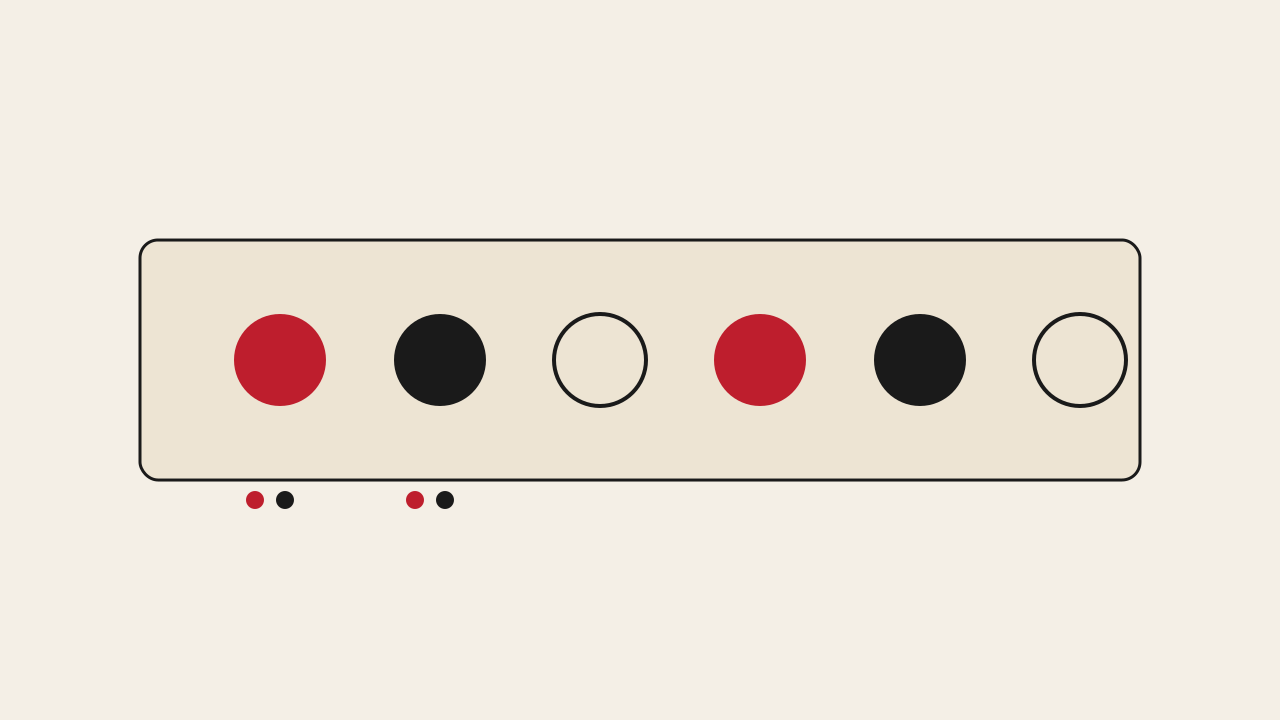
In 1970, Israeli telecommunications engineer Mordecai Meirowitz devised Mastermind, a game that reveals only a count of hits and near-misses from four hidden color pegs. Rejected by major toy companies, it was released by Invicta Plastics in 1971 and sold over 30 million sets within the decade. In 1976 Donald Knuth showed it could be solved in five moves or fewer, and in 2007 a Bethesda programmer built it directly into Fallout 3's hacking minigame. This piece traces how a half-century-old constraint — telling the player only a number, never the answer — still shapes puzzle design in the age of Wordle.
《钟楼》(1995)——一件武器都不给,只让你被持剪刀的男人追着跑
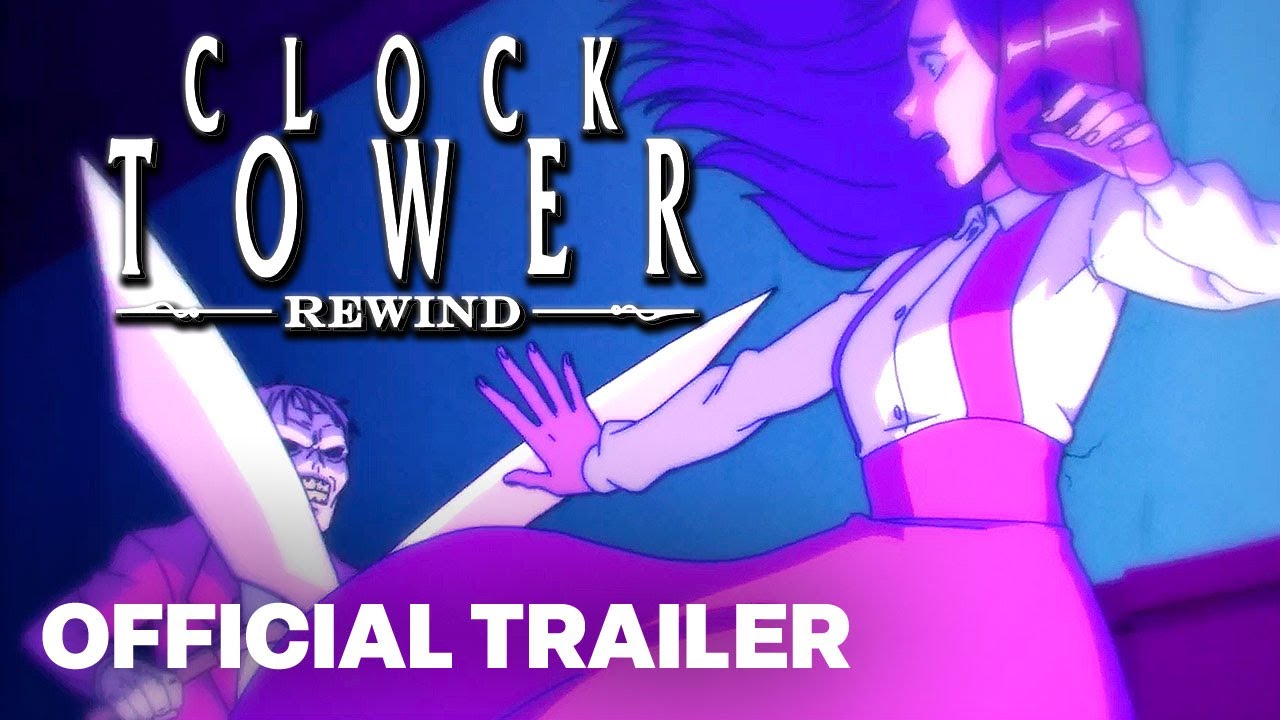
「今天是发售日」第55回是《钟楼》。由Human于1995年9月14日在超级任天堂发售,到今天正好三十一年。主角无法战斗,能做的只有逃跑和躲藏。《Fami通》交叉评分为31分,获得银之殿堂。
The Decagon House Murders (1987) — The Debut That Answered Knox's Decalogue
In 1987, Yukito Ayatsuji's debut novel The Decagon House Murders trapped university students - each bearing the name of a Golden Age Western mystery writer - inside a ten-sided mansion on a deserted island, igniting Japan's "Shin Honkaku" (new-orthodox) mystery movement. Behind it lies a rulebook for fair play with the reader: S. S. Van Dine's 1928 Twenty Rules and Ronald Knox's 1929 Decalogue. That same rulebook is still cited today, down to Ryukishi07's Umineko no Naku Koro ni, a mystery game sold on Steam.
《宝可梦 皮卡丘》(1998)——不肯进精灵球的那一只,开始跟在你身后走
「今天是发售日」第54回是《宝可梦 皮卡丘》。它于1998年9月12日在日本发售,到今天正好二十八年。初始宝可梦无法挑选,而且拿到的那一只不肯回到精灵球里。十一年后的同一天,这个设计被交给了所有宝可梦。
SameGame (1985) — The Grammar of Clearing Same-Colored Clusters, Born From a Reader Submission
In 1985, a program called Chain Shot!, submitted to the Japanese magazine Monthly ASCII, wrote the rule of clearing adjacent same-colored blocks in one tap. Over the next forty years the rule kept changing its name — SameGame, Clickomania!, Jawbreaker — while becoming the subject of a solving algorithm in 2012 and an AI-reasoning benchmark in 2024. Its author's name has nearly been forgotten, but the rule itself lives on.
《最终幻想USA 神秘历险》(1993)——为美国新手放低难度的FF,带着国名回到了日本
「今天是发售日」第53回是《最终幻想USA 神秘历险》。它于1993年9月10日在日本发售,到今天正好三十三年。这款游戏原本由史克威尔大阪开发部为北美新手打造,十一个月后才带着「USA」这个词回到日本。《Fami通》四人评分为7、6、6、4。可即使是最刻薄的评论,也称赞了它的音乐。
Himitsu-bako (1894) — The Souvenir That Never Explains How to Open It
In 1894, in a hot-spring town in Hakone, a wooden box took its familiar form. Under its geometric marquetry sat a mechanism that only opened through a fixed sequence of moves — with no instructions attached. This piece traces the same design grammar found in today's escape rooms back to a single 132-year-old box.
《真人快打II》(1994)——任天堂放开血腥的那个星期五,卖得更多的却是MD版
「今天是发售日」第52回是《真人快打II》。家用机版于1994年9月9日星期五在北美同日上市,到今天正好三十二年。任天堂曾把前作超任版的血抽掉,这一次它放开了血与终结技。可在美国卖得更多的仍是MD版。而唯独日本版,血被改成了绿色。
Pigs in Clover (1889) — A Tilting Wooden Box That Stalled the U.S. Senate for a Season
In 1889, a single wooden box brought the United States to a standstill. Under a sheet of glass, four tiny marble "pigs" sat in a spiral maze; the only tool was gravity, tilting the board to herd all four into the center pen. Senators and newspapermen alike stopped mid-sentence for it. The inventor was Charles Martin Crandall, who patented it on September 10, 1889. Two years later, puzzle writer Sam Loyd claimed he'd invented it himself, and for decades the record blurred. A craze that got itself mocked in a White House political cartoon deserves, I think, to be read again as one of the first mobile games.
《胧村正》(2009)——每一篇评论都称赞了画面,而做完它时,公司的钱已经花光了
「今天是发售日」第51回是《胧村正》。北美发售于 2009 年 9 月 8 日,到今天正好十七年。Vanillaware 的十六个人用手画出了这部 2D 和风动作 RPG。汇总均分 81,几乎没有一篇评论不称赞它的画面。但北美首月只卖出 3 万 5 千份,而做完它的时候,公司的资金已经耗尽。然后在 2026 年 6 月,续作发表了。
Lode Runner (1983) — The Allowance He Paid the Neighborhood Kids
In 1983, Douglas E. Smith shipped Lode Runner with an 'edit mode' he added because he couldn't design 150 levels alone. That mode gave Japan Bomberman, and its 'turn players into designers' idea still echoes in Portal 2's Puzzle Maker.
《寂静岭4 THE ROOM》(2004)——把最安全的房间当成据点之后,评论说「解谜不见了」
「今天是发售日」第50回是《寂静岭4 THE ROOM》。北美发售于 2004 年 9 月 7 日,到今天正好二十二年。以小镇为名的系列,这一次几乎走出了小镇,走进一间公寓。302 号房是全游戏唯一的存档点,前半段能恢复体力,后半段反而会削减体力。汇总均分 76。而评论最惋惜的,不是房间的不便,而是系列该有的解谜变少了。
Eggerland (1985) — The Original One-Room Puzzle Where You Push Your Enemies as Eggs
In 1985, a modest puzzle game appeared for the MSX home computer: Eggerland Mystery. Shoot an enemy to turn it into a pushable egg, then collect hearts to open the treasure box — a design built from just a handful of verbs, contained entirely within one room. HAL Laboratory refined that grammar across a run of Famicom Disk System titles, and in 1989 it crossed the ocean as Adventures of Lolo. Sitting in the producer's chair for those two years was a young Satoru Iwata, years before he became Nintendo's president.
《莎木II》(2001)——主机停产五个月后才发售的 90% 大作
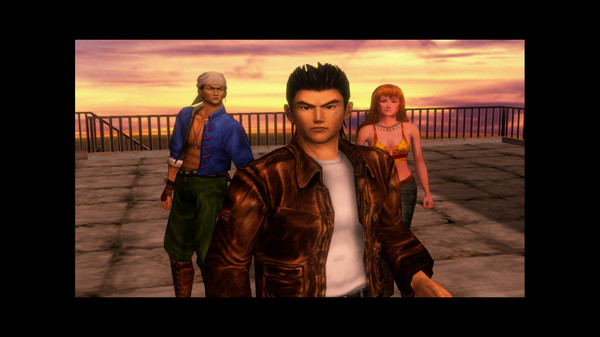
「今天是发售日」第49回是《莎木II》。Dreamcast 版发售于 2001 年 9 月 6 日,到今天正好二十五年。而世嘉退出家用主机、结束 Dreamcast 生产,是在五个月之前。Fami通四人各给 8 分,英语圈汇总均分 90%,日本国内销量却只有前作的三分之一。北美没有推出 Dreamcast 版,那份已经做好的英文版,二十年后才被人找到。
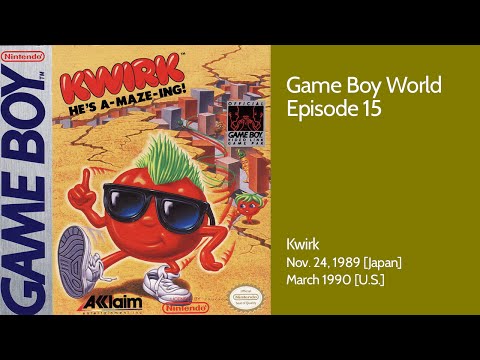
Puzzle Boy / Kwirk (1989) — The Day Atlus Walked a Potato Under Its Own Name
On November 24, 1989, Atlus released Puzzle Boy for the Game Boy, sold overseas as Kwirk. For a studio that had spent years working as an uncredited contractor for other publishers, this was the first game to carry its own name. A maze puzzle built from just three verbs — turn, push, fill — it quietly draws a line all the way to Catherine, the block-stacking puzzle the same company released in an entirely different form 22 years later.
《LocoRoco》(2006)——你倾斜的不是主角,是地面。企划被退回两次
「今天是发售日」第48回是《LocoRoco》。北美发售日是2006年9月5日,到今天正好二十年。你操控的不是那只圆圆的黄色小家伙,而是地面,用到的按键只有 L 和 R。企划被退回过两次,最后让它通过的是一个只会滚动的试作。媒体均分83,日本首周刚过三万份。
Torneko's Great Adventure: Mystery Dungeon (1993) — A Dragon Quest Shopkeeper Wears Rogue's Cruelty
On September 19, 1993, Chunsoft released Torneko's Great Adventure: Mystery Dungeon for the Super Famicom, smuggling the punishing design of 1980's Rogue into Japanese living rooms wearing the face of a beloved Dragon Quest shopkeeper. The Mystery Dungeon lineage it launched is still running today — as of December 2024, playable on Steam in Shiren the Wanderer: The Mystery Dungeon of Serpentcoil Island.
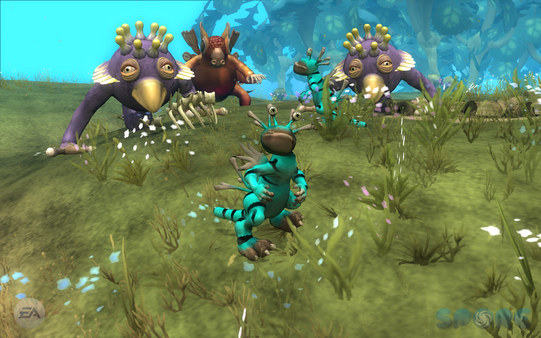
《SPORE》(2008)——媒体均分84,亚马逊上2,216条评价中有2,016条只给一星
「今天是发售日」第47回是《SPORE》。全世界最早上架的地方,是2008年9月4日的澳大利亚。把从细胞到宇宙塞进一款游戏的设计,在75家媒体那里拿到了84的均分;而同一个九月,亚马逊上2,216条评价里有2,016条只给了一星。争的不是游戏本身。
Sleep Is Death (2010) — The Move That Swapped the AI Opponent for a Human One
In 2010, Passage creator Jason Rohrer released Sleep Is Death, a two-player tool with no script and no AI — just a living person on the other side of the screen. That idea carried through MoMA's 2011 Talk to Me exhibition and into his own 2018 game, One Hour One Life.
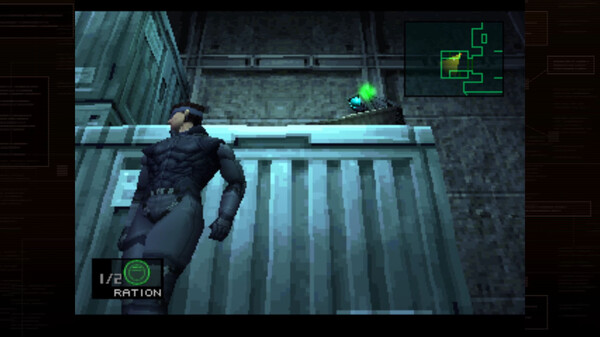
《潜龙谍影》(1998)——一款讲「不被发现」的游戏,把手柄插口也当成了舞台
「今天是发售日」第46回是《METAL GEAR SOLID》。1998年9月3日由 KONAMI 在 PlayStation 上发售,售价5,800日元。它把「不被发现」放在了「打赢」之前。当时的媒体称它带来了「一个全新的类型」,1998年度日本文化厅媒体艺术祭授予它优秀奖——同一届的大奖是《塞尔达传说 时之笛》。
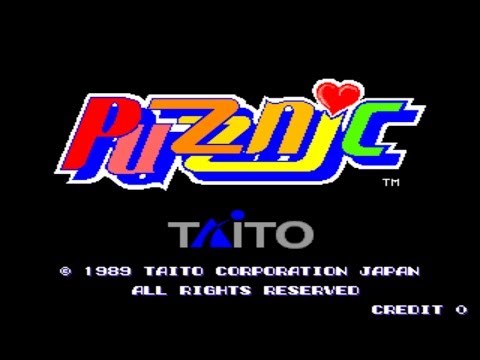
Puzznic (1989) — The Credits Screen That Never Existed, and the Five Names Found in the ROM Decades Later
In October 1989, Taito released the arcade puzzle game Puzznic, sliding identical blocks together to clear them, with no randomness and every board hand-designed, and ports reaching nearly every 8/16-bit platform of the era. Its developers were never credited on screen; more than three decades later, ROM analysis uncovered five names hidden inside the arcade board.
《时空勇士》(1994)——27万份被算作失败。28年后,同一个故事在全球卖出50万份
「今天是发售日」第45回是《LIVE A LIVE》。1994年9月2日由史克威尔在超级任天堂上发售,售价9,900日元。七个时代、七种玩法的故事装进同一张卡带。当时《Fami通》给出40分满分中的29分,日本国内销量27万份。2022年的 HD-2D 重制版则在全球卖出50万份。
Solomon's Key (1986) — The Year Its Own Maker Let Go of the Magic to Create
In July 1986, Tecmo (then Tehkan) released Solomon's Key, an unusual arcade action-puzzle game that let its hero both create and destroy blocks. Its own creator, Michitaka Tsuruta, abandoned that invention in the 1992 sequel, Solomon's Key 2 (Fire 'n Ice), replacing it with a single pushable ice cube. This column traces that shift, in the designer's own words, back to the "pushing" grammar it has followed since Sokoban.
《漫画地带》(1995)——点子被大加称赞,账本却是赤字
「今天是发售日」第44回是《漫画地带》(Comix Zone)。1995年9月1日由世嘉在日本发售于 Mega Drive,售价7,800日元。玩家在漫画的分格之间穿行战斗。点子与画面在当年就获得好评,但评分停在79%,销量也没能收回成本。
Columns (1990) — When a Hewlett-Packard Engineer's Practice Code Became Jewels in Sega's Hands
In 1990, Sega released Columns, a falling-block puzzle sharing Tetris's silhouette but a completely different clearing grammar. It wasn't made by a game studio — it was written by a Hewlett-Packard engineer as practice code, which reached home consoles worldwide after six months of licensing talks.
《炸弹小子》(1990)——一张卡带里装着移植与新作,哪个是正篇则各国说法不同
「今天是发售日」第43回是《炸弹小子》(ボンバーボーイ)。1990年8月31日由 Hudson 在日本发售于 Game Boy,售价3,500日元。卡带里其实有两款游戏:一个是把 FC 版《炸弹人》整个搬进来的「炸弹人」模式,另一个是为本作新做的「炸弹小子」模式。后者有商店。通关一个回合会获得名为 GP 的钱(由所用时间与炸掉的砖块数决定),用它购买称为「面板」的强化道具。圆框面板在死亡前一直有效,方框面板只维持一个回合。关卡也不是一条直线,而是从地图上自由选择。有趣的是它被如何接受。英国杂志 Mean Machines 给出81分,把本作介绍为「highly addictive」的《炸弹人》移植,并欢迎新增的密码功能。而日本的「游戏目录@Wiki」则把商店与装备系统带来的独特自定义性列为优点,把整个收录 FC 版《炸弹人》写成「在当时相当划算」的附赠。同一张卡带的正篇与附赠,在不同地方读起来正好对调。本作在北美以《Atomic Punk》之名于1991年5月5日发售,在欧洲则名为《Dynablaster》,1991年推出(截至2026-08)。
《兑币偶像》(1997)——五枚1日元换一枚5日元,教学到此结束
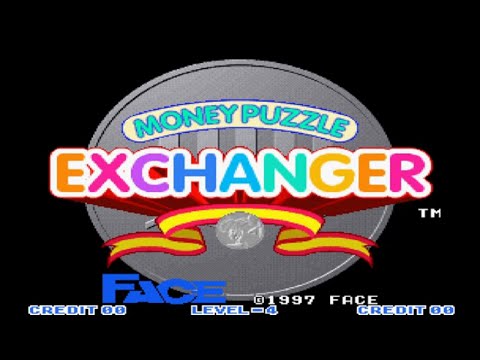
「今天是发售日」第42回是《兑币偶像》。1997年8月29日由 Athena 在日本发售于 Game Boy。它原本是 Face 于1997年1月推出的 Neo Geo 街机兑币解谜游戏,SNK 官方页面称其为该公司「进军 Neo Geo 的第一款作品」。规则就是日本的钱:1日元、10日元、100日元连成五枚以上,5日元、50日元、500日元连成两枚以上,就会兑换成上一级硬币。两枚500日元硬币已无处可换,于是消失。操作只有「拿起」和「投出」两个按钮,说明书还没读完就能开始玩。但当时日本的分数只在中游:《Fami通》给 Game Boy 版40分满分中的22分,给1998年的 PlayStation 版26分,《Family Computer Magazine》读者投票为30分满分中的19.4分。原因在于连锁的设计。日本的「游戏目录@Wiki」把「容易出现偶发连锁」列为优点,同时指出兑换后的硬币会出现在哪里读不出来,因此很难刻意组织连锁。在海外,它常与《泡泡龙》和《Magical Drop》并列。自2018年6月28日起作为 ACA NEOGEO 在 PlayStation 4、Nintendo Switch、Xbox One 上发售,2019年4月6日起登陆 Windows 10(截至2026-08)。
Puzzle Bobble (1994) — The Side Project Whose Grammar Is Still Live on Steam, 32 Years Later
Puzzle Bobble (1994) began as a throwaway spin-off of Bubble Bobble, but its simple three-in-a-row grammar outlived the original thanks to obsessive attention to small details — and it's still being sold today, in a 2026 Steam release.
《宇宙巡航舰外传》(1997)——静止画传不出的名作,只卖了34,383份
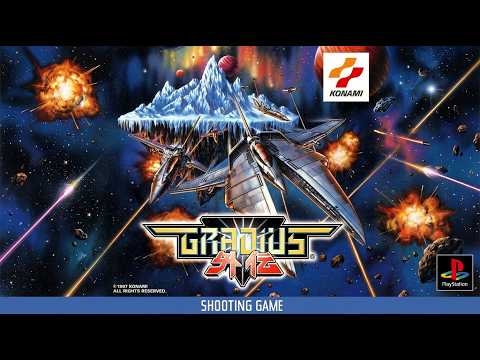
「今天是发售日」第41回是《宇宙巡航舰外传》。1997年8月28日由科乐美发售于 PlayStation,定价5,800日元。这是系列首次为家用主机而非街机设计的全新作品,据说开发期不到一年。自机有 Vic Viper、Lord British、Jade Knight、Falchion β 四台,强化槽的顺序可以自己排,护罩可在擦到地形也不死的「Guard」与三秒完全无敌的「Limit」之间选择,并首次支持两人同时游玩。关卡从雪原到首领残骸、反射激光的结晶与旋转的摩艾像,变化丰富。但当时的评价是错位的:《Fami通》四位评论者称它是 PlayStation 上外观最出色的射击游戏之一,外界却以「只是分辨率稍高一点的《宇宙巡航舰III》」「事到如今还玩2D射击」把它带过,藏进了3D的阴影里。它一生卖出34,383份,1997年12月宣布的北美版计划也告取消。重新评价来得更晚——2018年12月3日,它成为 PlayStation Classic 内建仅二十款游戏之一。
Marble Madness (1984) — The Faceless Sphere That Rolled Arcades Into the Third Dimension
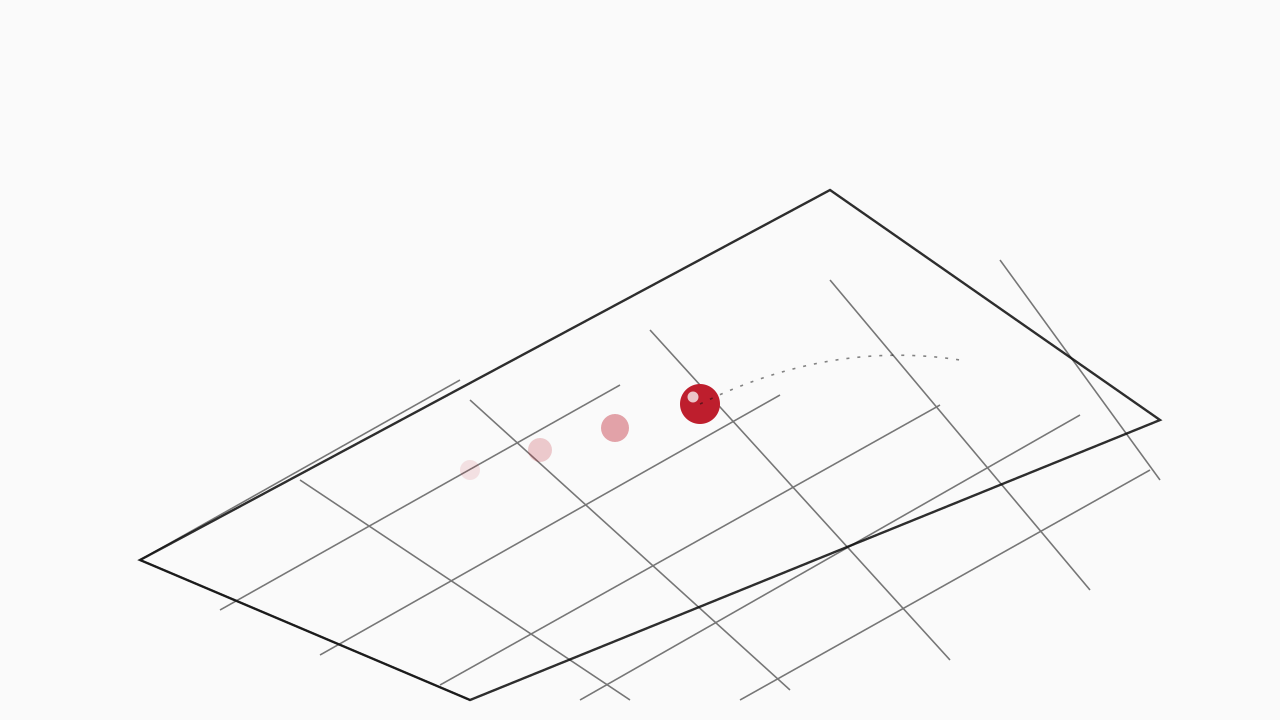
In December 1984, Atari Games released Marble Madness for arcades: guide a single marble with a trackball, relying on gravity and momentum, through six tilted, overhead-view courses. Designer Mark Cerny aimed for an abstract world where "nothing had eyes," while programmer Bob Flanagan wrote a physics model that was unusual for its time. Yet the whole game could be finished in about four minutes. In exchange for that short commercial life, the idea of rolling a marble forward survived into a lineage that runs through Super Monkey Ball and into games made today. I, Toki, check the record.
《アストロノーカ》(1998) — 同一个陷阱绝不奏效两次,而赞誉迟到了二十年
连载「今天是发售日」第40期是《アストロノーカ》(Astronōka)。1998年8月27日由 Enix 在日本推出 PlayStation 版,售价6,800日元,开发方为 MuuMuu 与 System Sacom,游戏设计与 AI 由森川幸人负责。玩家在宇宙种植蔬菜,用配种机调整重量、花纹与风味以在评选中夺冠,同时用一排陷阱抵御名为「Baboo」的害兽。本作的关键在于 Baboo 会适应:同一个陷阱抓它太多次,它的腿力就会变强,甚至长出翅膀。背后运作的是遗传算法——画面上每天只出现一只,内部却已推进至少十代左右的世代交替,登场的是最优秀的个体;进化停滞时,突变概率还会上升。然而当年的反响很安静,森川后来回忆说,AI 明明运作得这么好却无人评价,这让他大受打击。赞誉迟到了二十年:在2019年的20周年活动上,AI 研究者三宅阳一郎称它是「使用遗传算法的世界第一的游戏」。
Shanghai (1986) — The Rules a Hospital PLATO Terminal Wrote
In 1986, Activision released Shanghai, a simple puzzle of clearing mahjong tiles two at a time. But its roots trace to 1981, when a paralyzed student coded it on a hospital PLATO terminal. A historian's look at the 45-year lineage that followed.
《Ecco: The Tides of Time》(1994) — 「比前作简单」和「比前作难得多」被同时写下
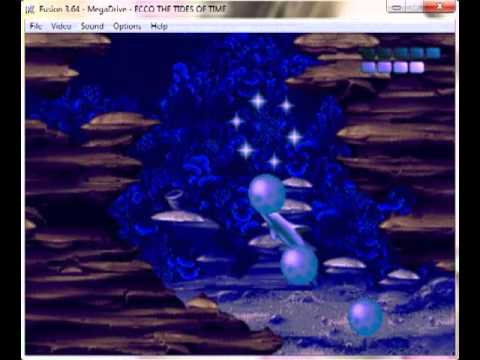
连载「今天是发售日」第39期是《Ecco: The Tides of Time》(日文名『エコー・ザ・ドルフィン2』)。1994年8月26日由 SEGA 在日本推出 Mega Drive 版,售价6,800日元,型号 G-4123,容量16兆位。前作发售于1993年7月30日,续作在约一年零一个月后到来。玩法仍是操纵海豚 Ecco 游动、用声呐探查周围;本作新增可向多方向发射的「Pulsar」,以及能变成海鸥、水母、鲨鱼、鱼群甚至敌方载具的「Metasphere」,还加入了穿过圆环向纵深前进的伪3D关卡。开发方为匈牙利的 Novotrade International,包装绘出自 Boris Vallejo。当年的评价在难度上分裂:《Electronic Gaming Monthly》给 Mega Drive 版7.25分(满分10分),四位评测者中有两位称它比前作难得多,而《GamePro》却认为更好上手。《Next Generation》给5分制的3分,Game Gear 版6.5分,Sega CD 版7.6分。有趣的是,三十二年后的日语资料里,这两种说法仍然并存。
Book of Lenses (2008) — A Hundred Ways to Look at a Game
Published in 2008, The Art of Game Design: A Book of Lenses introduced 100 questions for looking at a game. A historian's look at where that idea came from, and how it still reaches today's puzzle designers.
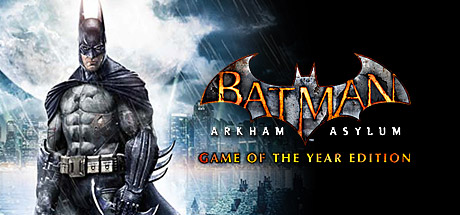
《蝙蝠侠:阿卡姆疯人院》(2009) — 「改编游戏必烂」这条常识失效的一天
连载「今天是发售日」第38期是《蝙蝠侠:阿卡姆疯人院》。2009年8月25日在北美发售,8月28日在欧洲,9月3日在澳洲。开发方是英国的 Rocksteady Studios,发行方为 Eidos Interactive 与华纳兄弟互动娱乐。PlayStation 3 与 Xbox 360 先行,Windows 版在北美是9月15日。全作的舞台只有阿卡姆疯人院一处。有些区域要等剧情推进或拿到新道具才能进入,这套结构参考了《塞尔达传说》与《银河战士》。侦探模式能透墙看到敌人,谜语人还留下240件收集物。评价很高:Metacritic 均分 Xbox 360 版92分,PS3 与 Windows 版91分;IGN 给9.3分,Game Informer 给9.5分,Edge 给8分。吉尼斯世界纪录以91.67的均分将它列为「评价最高的超级英雄游戏」。销量方面,北美统计的五天约59.3万份,三周内全球接近200万份,到2011年10月为430万份。日文版于2010年1月14日由 Square Enix 推出,售价7,980日元,日本的 GAME Watch 称它是「改编游戏的范本」。
Sokobond (2013) — A Rule Made Only of Bond Counts, Thirty-One Years After the Warehouse
On August 27, 2013, Alan Hazelden and Harry Lee released a small puzzle game called Sokobond. Its skeleton is 1982's Sokoban, unchanged, with exactly one constraint added: each element has a fixed number of bonds it can form. That modest mutation — an IndieCade 2013 finalist, an IGF Excellence in Audio honorable mention — turned Hazelden into a full-time puzzle designer. This piece traces how the push-rule carried through to A Monster's Expedition (2020), a decade later.
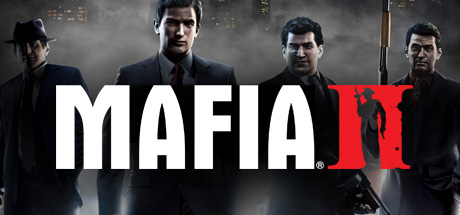
《四海兄弟II》(2010) — 城市能做到这个地步,能做的事却这么少
连载「今天是发售日」第37期是《四海兄弟II》。2010年8月24日在北美发售,8月27日在其他地区发售。开发方为捷克的2K Czech,发行方为2K Games,平台是PlayStation 3、Xbox 360与Windows。舞台是虚构城市帝国湾,年代从1945年到1951年,主角是从战场归来的维托·斯卡莱塔。距2002年的首作隔了八年,引擎也由LS3D换成了专为本作打造的Illusion Engine。城内三个电台播放那个年代的真实歌曲,PC版则用NVIDIA的PhysX展示布料与破坏。评价两极:Metacritic均分PC与PS3版75分、Xbox 360版74分;Game Informer给9分,GameSpot给8.5分,IGN给7分,Eurogamer只给4分。日本的GAME Watch也写道「如此美丽、如此广阔,能做的事却非常少」。发售后被砍内容同样成为话题,设计师Daniel Vávra承认整整一章西西里剧情被删掉了。日语版于同年11月由Take-Two Interactive Japan推出,售价7,140日元。
The MDA Framework (2004) — Three Words Puzzle Designers Still Use
In 2004, a few-page paper presented at an AAAI workshop reshaped the vocabulary of game design. Robin Hunicke, Marc LeBlanc, and Robert Zubek formalized Mechanics, Dynamics, Aesthetics. This piece follows those three words from Doug Church's unfinished 1999 homework, through a GDC workshop room, into the real project Oasis, and onto the shelf we now call Steam.
《3D旅鼠》(1996) — 把平面名作变成立体后,玩家开始跟镜头搏斗
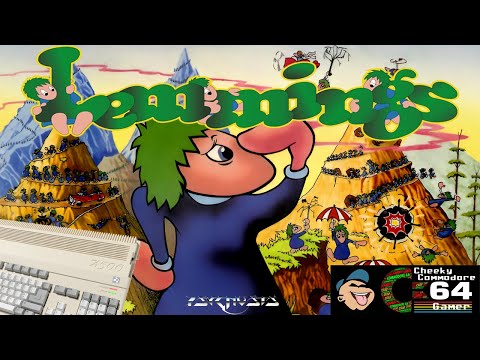
连载「今天是发售日」第36期是《3D旅鼠》。1996年8月23日在日本登陆世嘉土星,由Imagineer发行,售价6,800日元(型号T-15013G)。原作《旅鼠》于1991年2月14日在Amiga上发售,由DMA Design开发、Psygnosis发行。3D版出自英国工作室Clockwork Games,是系列中第一部没有DMA Design参与的作品。玩家要操作四台可移动摄影机观察立体关卡,也可以进入某只旅鼠的第一人称「虚拟旅鼠」视角。新增的能力只有一个:让同伴向左右转90度的「转向者」。本篇共80关,分Fun、Tricky、Taxing、Mayhem四档各20关,另有20关练习。评价两极:Electronic Gaming Monthly给PS版10分制的8分,PC Gamer US将其选为1995年最佳解谜游戏;GamePro则批评3D视角造成混乱,加上操作不佳;英国Sega Saturn Magazine的Rob Allsetter也写道,自己会在只剩一瞬间时忙着调整镜头。称赞与批评看的是同一件事——镜头。在日本,土星版先行,PlayStation版于1996年11月8日由索尼电脑娱乐推出,售价5,800日元。系列随后在2000年的《Lemmings Revolution》中退回了2D的关卡结构。
Sudoku (1979) — How a Nameless Invention Conquered the World's Morning Papers
In 1979, a puzzle called 'Number Place' appeared, uncredited, in an American magazine. This piece traces the 25 years it took to become Sudoku — refined by Japan's Nikoli, carried by a retired Hong Kong judge's homemade program, and finally landing in a London newspaper in 2004 — and the 'logic only, no guessing' design principle that still lives on in the 2024 Steam puzzle collection Islands of Insight.
《时空之轮》(1995) — 在北美获得盛赞,却只卖出29万份
连载「今天是发售日」第35期是《时空之轮》。它于1995年3月11日在日本的超级任天堂发售,北美版则是同年8月22日推出。制作阵容是坂口博信、堀井雄二与鸟山明组成的「梦幻团队」。这是一款在不同时代之间往返的RPG,改动过去就会改变未来的风景;敌人直接显示在地图上、不切换画面就开打,还有12种结局与带着强度重玩的模式。评价极高:Electronic Gaming Monthly给A,GamePro满分5分,Next Generation 4分,《Fami通》四人评分合计34分,Nintendo Power称其「革命性」。销量却相反:史克威尔艾尼克斯2003年8月的资料记载日本236万份、海外29万份,合计265万份中海外仅约一成。欧洲根本没有发行超级任天堂版,第一次正式发售是2009年的任天堂DS版。北美发售18天后PlayStation在北美上市,16位主机的时代开始落幕。2018年2月27日推出了Steam版。
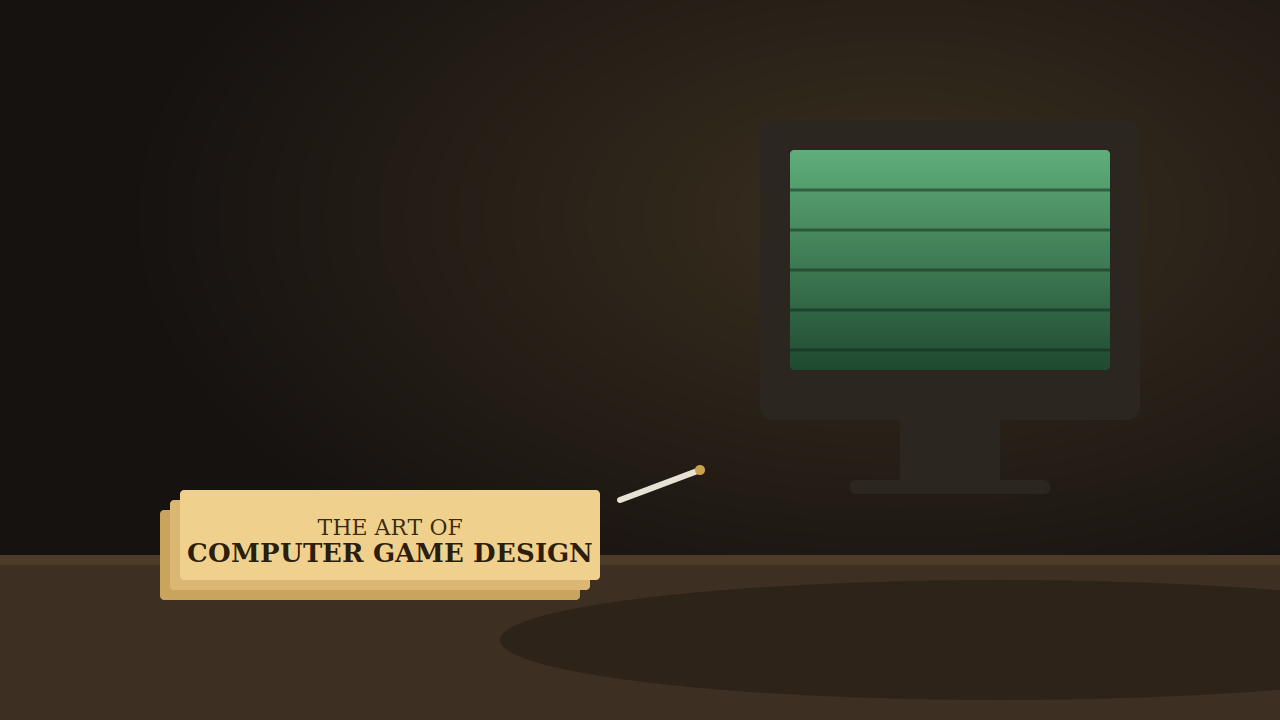
The Art of Computer Game Design (1984) — The First Book That Tried to Define What a Game Is
In 1984, Chris Crawford — a game designer who had just been laid off by Atari — wrote a book: The Art of Computer Game Design. It was the world's first serious attempt to define a game itself, through four elements: representation, interaction, conflict, and safety. This essay traces the early-1980s context that produced the book, the small living-room gathering he started the following years that grew into today's GDC, and why his definition still fuels academic debate today.
《龙珠 FINAL BOUT》(1997) — 日本卖出24万5千份,海外称「PS上最糟糕的格斗游戏」
连载「今天是发售日」第34期是《龙珠 FINAL BOUT》。1997年8月21日由万代在PlayStation上推出(5,800日元,型号SLPS-00949,开发方TOSE)。这是系列第一款全面3D化的格斗游戏,招牌是「陨石猛击」——把对手打飞后卡准时机输入指令继续追击——以及靠按键速度决胜的光束对撞。可用角色18人,但其中6人是悟空的不同形态。英文圈评价严厉:GameRankings平均50.00%,Next Generation 1998年3月号称其为「PlayStation上做过的最糟糕的格斗游戏,毫无争议」,IGN则结论说粉丝「不如去把玩具全买了——至少玩具更好操作」。相对地,Electronic Gaming Monthly 1997年12月号的四人评审意见分裂,Sushi-X称赞它是「达人游戏」。销量为日本245,000份、北美19,564份(首批仅约1万份),合计264,564份。开场动画委托东映动画制作,音乐由山本健司负责,影山浩宣演唱四首新曲。1998年7月23日推出廉价版,此后PlayStation上的龙珠一直空白到2002年PS2的《Budokai》。
俄罗斯方块(1984)— 来自莫斯科计算中心的七块骨牌的四十年
1984 年 6 月,阿列克谢·帕基特诺夫在莫斯科的多罗德尼岑计算中心利用闲暇写就的程序,只是把五格骨牌削到四格七种的极简规则。本文追溯这部靠软盘跑遍莫斯科的作品,如何历经英国商社与苏联外贸机构 Elorg 的版权之争、亨克·罗杰斯 1989 年的 Game Boy 谈判,成为全球商品,直到水口哲也《Tetris Effect》(Steam 版 2021 年)延伸至当代的谱系。
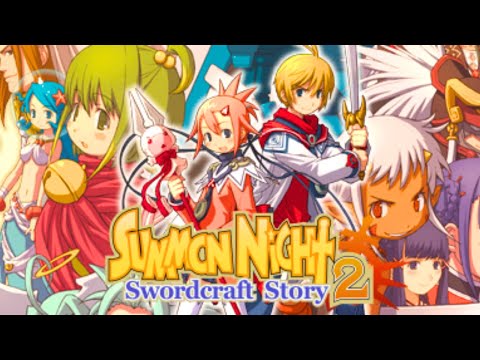
《召唤之夜 铸剑物语2》(2004) — 自己打的剑,会在战斗途中折断
连载「今天是发售日」第33期是《召唤之夜 铸剑物语2》。2004年8月20日由万普(Banpresto)在Game Boy Advance上推出(Fami通的发售日程表记为5800日元・未税),开发方是Flight-Plan。主角要成为的不是召唤师,而是铁匠=迈斯特,用「造型石」打造剑、斧、枪、拳套、钻头等武器,再打入矿石与素材来叠加攻击、防御与属性效果。战斗在2D横视角下实时进行,最多可带三把武器并在战斗中换手。但武器有耐久值,耐久耗尽武器就会折断,必须回铁匠铺修理才能再用(能修理是从这第二作才开始的)。Fami通的交叉评论给出8・10・8・8合计34/40。北美版由Atlus在2006年10月17日推出,日本则在同年2月2日推出了Value Selection廉价版。英文圈的评分幅度不小:Metacritic 10篇平均79分,IGN 85分,GameSpot 73分,GameSpy 70分。RPGFan的Patrick Gann(2006年12月11日)给了86%,称它在画面方面无疑是GBA上最好的2D游戏,同时也指出至少一半的音乐是从前作直接搬过来的。
Hakoiri Musume / Klotski (1930s) — The Lineage of Blocks That Trapped Cao Cao
In the West as a patent drawing, in China as a paper cutout re-enacting Cao Cao's defeat, and in Japan as a wooden toy called Hakoiri Musume — nearly the same sliding-block puzzle arose independently in three places between the 1890s and the 1930s, with no evidence any referenced the others. Martin Gardner published its 81-move optimal solution in Scientific American in 1964; Microsoft's Windows Entertainment Pack carried it to PCs worldwide in 1991. This is the record of that parallel evolution, up to 2021's Blockee on Steam, which names Klotski as its inspiration in its own words.
《幻想水浒传IV》(2004) — 系列出海,然后被写下「航海很无聊」的那一天
连载「今天是发售日」第32期是《幻想水浒传IV》。2004年8月19日由科乐美在PlayStation 2上推出,售价6,980日元(未税),开发方是科乐美电脑娱乐东京。故事发生在初代约150年前,舞台不是大陆,而是漂在大海上的群岛。主角是拉兹利尔岛的年轻骑士,继承了每次使用都会削减宿主生命的「罚之纹章」,又被扣上上司格伦之死的罪名而被逐出岛屿。船成了据点,系列招牌的108人集结也在海上进行。Fami通的交叉评论给出8、7、8、7合计30/40,进入白银殿堂。国内销量在2004年内为303,069份,没有追上前作《III》的377,729份。北美发售是2005年1月11日,GameSpot的评测给了6.7分,缺点栏里写着:航海耗费的时间很无聊,而且航海非常多。
《Wolfenstein》(2009) — 上架那天,一个评分都还没有
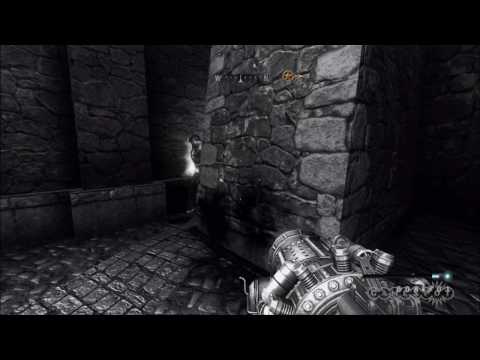
连载「今天是发售日」第31期是《Wolfenstein》。2009年8月18日由Activision在北美推出,对应Windows、PlayStation 3与Xbox 360(澳洲8月19日,欧洲8月21日)。开发方是Raven Software,引擎是id Software的id Tech 4的强化版本。这是一款以二战时期德国小镇为据点的第一人称射击游戏,玩家可以推开被称为「Veil」的、隔开地球与另一个次元的帷幕,借此放慢时间、看见平常看不见的东西、剥掉带护盾敌人的防御。奇怪的是发售当天的景象:8月18日TechCrunch发出的并不是对作品的评价,而是一篇「找不到任何评测」的报道。几天后陆续出现的分数散得很开——GameSpot 7.5/10、Game Informer 7.25/10、Edge给PS3版5/10——首月销量约10万份。此后Activision在Raven Software进行了裁员,而这一款也成了Activision发行的最后一款《Wolfenstein》。
Minesweeper (1990) — The Logic Puzzle Microsoft Built Into a Billion PCs
On 8 October 1990, a small game shipped as one of seven titles in the Windows Entertainment Pack. From 1992's Windows 3.1 onward it came preinstalled on nearly every PC running Windows, and its lineage is said to trace back to Mined-Out, a 1983 ZX Spectrum game by British programmer Ian Andrew. This article follows the genealogy of a logic puzzle nobody set out to design as one — up to 2017's Tametsi, which stripped out the probability and returned the form to pure deduction.
《Air Fortress》(1987) — 射击打完之后,要走进要塞里继续解
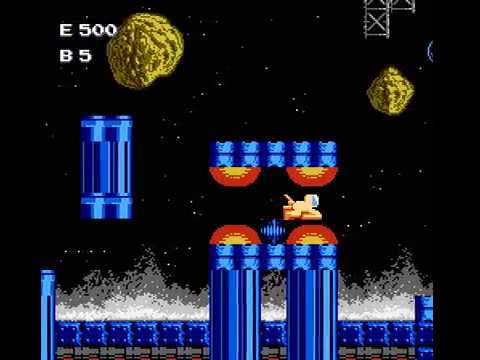
连载「今天是发售日」第30期是《Air Fortress》(空中要塞)。1987年8月17日,HAL研究所以自有品牌为红白机推出,定价5,300日元。前半段是驾驶飞船冲向要塞气闸的横向卷轴射击,后半段则是背着喷射背包走进要塞内部、摧毁中枢核心并逃离的动作部分。前半段收集到的能量与道具会原封不动带进后半段;而在内部,无论普通射击还是炸弹,每次开火都会把角色向后推——也就是说,朝反方向开火反而能飞得更快,这种近乎无重力的手感就是它最大的怪癖。北美版由HAL America于1989年9月发售,Nintendo Power、VideoGames & Computer Entertainment、Computer Entertainer以及德国的Play Time都留下了评论。而推出这款游戏的HAL研究所,五年后的1992年6月22日申请了和议。
A Dark Room (2013) — The Single Fire Lit in a Room Made Only of Words
On June 10, 2013, a browser game with no images and no sound was released: A Dark Room. All it showed was a line of text and a button. Built by Michael Townsend, this experiment arrived amid the same season that produced Candy Box! and Cookie Clicker, but set itself apart with a hidden narrative. Ported to iOS by a stranger, Amir Rajan, it rose in 2014 to the top of Apple's official paid games chart. This piece traces how a single hobby project, running on nothing but imagination, climbed to the top of the market.
《Soul Reaver》(1999) — 把世界叠成两层的动作冒险
连载「今天是发售日」第29期是《Legacy of Kain: Soul Reaver》。1999年8月16日由Eidos Interactive在北美发售,Crystal Dynamics开发的PlayStation动作冒险游戏。主角拉结尔可以自由往返于实体界与幽体界,一切换,地形本身就会扭曲——这一个机关同时贯穿了战斗、移动与推箱子式的谜题。Metacritic 91分,GameSpot与IGN都给了Editors' Choice,IGN评分9.3。到2001年全球销量超过140万份,是该系列第一部进入索尼Greatest Hits的作品。另一方面,日本原定由卡普空发售的PlayStation版被取消,直到2025年7月10日的重制版才真正登上日本主机。
Lara Croft GO (2015) — A Board Where Distilled Memory Still Moves
In 2015, Square Enix Montreal followed Hitman GO with a second Go-series title, Lara Croft GO. Its method was to distill only the idealized feeling of an old game, remembered rather than replayed, onto a board of nodes and lines — a method that swept critical honors even as the studio itself was shut down in 2022. Because the game shipped as offline, server-independent software, it outlived the company that made it. This piece traces that method, and where it ended up.
《Chrono Cross》(2000) — 平行世界的故事,抵达另一个世界的那天
连载「今天是发售日」第28期是《Chrono Cross》。日本由Square于1999年11月18日发售的PlayStation RPG,北美版则是2000年8月15日推出,到今天正好26年。玩家在「主世界」与「异世界」两个平行世界之间往返,可收集超过40名同伴。《Fami通》给出36/40,北美的GameSpot给了满分10分,并将其选为2000年主机游戏年度最佳;IGN评分9.7。另一方面,期待它是《时空之轮》直接续作的玩家则感到困惑。到2003年为止全球出货150万份(日本85万、海外65万)。欧洲当年没能等到它,直到2022年的重制版才首次登陆。
Chip's Challenge (1989) — The Maze That Outlived Its Handheld on Office Desks
In 1989, Epyx shipped Chip's Challenge, a top-down tile puzzle designed by Chuck Sommerville, as a launch title for the Atari Lynx handheld. The hardware lost its war and the developer collapsed, yet the game spread to office Windows PCs through the 1992 Microsoft Entertainment Pack, survived on fan-made level editors, outlasted a rights freeze that shelved its finished sequel, and finally returned to Steam on May 28, 2015. Few games argue so eloquently that a puzzle's true body is not a machine but a set of rules.
《Madden NFL 08》(2007) — 让时代广场像跨年一样沸腾的发售日
连载「今天是发售日」第27期是《Madden NFL 08》。2007年8月14日,EA在北美发售的美式橄榄球游戏,系列第18作。发售前夜的时代广场甚至举办了重现跨年落球仪式的倒计时活动。美国首周约售出180万份、销售额约1亿美元。另一方面,Xbox 360版60fps、PS3版30fps的差距引发巨大争议,首周360版销量达到PS3版的4倍以上。而这部作品,也作为北美发售的最后一款NGC游戏被载入记录。到今天正好19年。
Skipping Stones to Lonely Homes (2015) — The Bridge of Thrown Stones That Reached a Cosmic Train
On 21 August 2015, British puzzle designer Alan Hazelden released Skipping Stones to Lonely Homes, a free browser game. In it you throw stones to build bridges and search a shipwreck for timber, all built in PuzzleScript. This small work, born outside Steam, is linked — in the designer's own words — through that year's prototype Train Braining and the 2017 commercial release Cosmic Express, all the way to Order of the Sinking Star, a major puzzle title announced for 2026. I trace this decade-long voyage.
Panel de Pon (1995) — The Name Was Taken Away Again and Again, But the Grammar of Play Survived
On October 27, 1995, Nintendo and Intelligent Systems released Panel de Pon for the Super Famicom: a competitive puzzle where a bracket cursor swaps two adjacent panels to line up three or more of the same color. It was produced by Gunpei Yokoi. The Western release, retitled Tetris Attack, replaced fairy protagonist Lip with Yoshi's art, erasing her from the West. Over the following three decades the design survived under Pokémon branding, the official Puzzle League line, and Nintendo first-party content — and in December 2025 a free Steam release called Panel Attack openly describes itself as being in the "Panel de Pon / Tetris Attack style." A record of one work whose name kept being taken away, while only the grammar of its play survived.
《Death Crimson》(1996) — 「难得如此」之后的30年
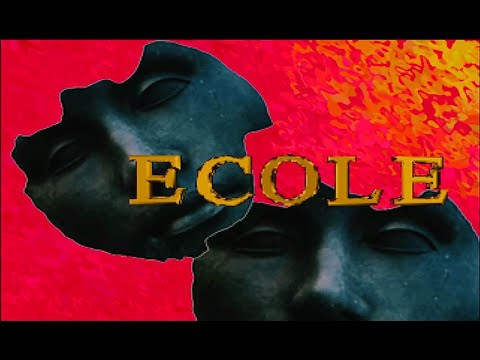
连载「今天是发售日」第26期是《Death Crimson(デスクリムゾン)》。1996年8月9日,École Software在世嘉土星上发售的「暗黑」光枪射击游戏。它在《Fami通》交叉评测中只拿到13分,在《世嘉土星Magazine》读者赛中排到297款中的第297位,却因主角一句「难得如此,我就选这扇红色的门吧!」成为玩家间的流行语,并且续作接连推出。今天正好30年。而在2026年的30周年,那句台词的真正含义终于被公开了。
Baba Is You (2017 Jam Build) — A 48-Hour Origin Born from 'Not There'
From 21 to 23 April 2017, the Nordic Game Jam was held at Docken in Copenhagen. Within the 48 hours of the theme 'Not There,' Finnish student Arvi Teikari (Hempuli), working alone, built Baba Is You and won first place. Two years before the finished game reached Steam in 2019, this free itch.io prototype was born; I read it here as an ancestor.
最终幻想 水晶编年史(2003) — 凑齐四台GBA的那个夏天
连载「今天是发售日」第25期是《最终幻想 水晶编年史》。2003年8月8日作为任天堂GameCube游戏发售。《FF》登上任天堂家用主机,距1994年的《FFVI》已隔9年,同时也是史克威尔艾尼克斯合并后推出的第一款原创《FF》。需要按人数凑齐GBA的四人游玩方式引发了褒贬,却也让本作拿下第7届文化厅媒体艺术祭娱乐部门大奖。到今天正好23年。
Klax (1990) — The Idea of "Matching Three" Was Invented Twice
In February 1990, Atari Games released Klax to North American arcades: catch colored tiles sliding down a conveyor and clear them by lining up three or more, horizontally, vertically, or diagonally. Born right after Atari's Tetris lawsuit, it is often cited as the origin of the match-three genre. But in 2020, Bejeweled co-creator Jason Kapalka himself described a lineage that never passes through Klax. This piece traces a case where the same idea was invented twice, independently, using the developers' own words.
《热血新贵坊 〜新桃山幕府之舞〜》(1997) — 全日本被改造成舞台的那个夏天
连载「今天是发售日」第24期,是科乐美于1997年8月7日为NINTENDO 64推出的《加油五右卫门 〜新桃山幕府之舞〜》。这是1986年开始的系列第一次进入3D的作品,开发期间以《加油五右卫门5》的暂定名出现在杂志上。舞台是除北海道与九州以外的全日本。玩家切换五右卫门、惠比寿丸、佐助、八重四人前进,关键处则由巨大机器人「五右卫门Impact」站起来。片头曲由影山浩宣演唱,Impact战的插入曲由水木一郎演唱。发售前的试玩报道称它像「做得不好的马力欧模仿品」,《Fami通》四人交叉评论合计28分。翌年1998年渡海之后,英国《N64 Magazine》给了90%,GameSpot只给6.7分,评价分裂。到今天正好29年。
Mirror Isles / Skipping Stones to Lonely Homes (2014-2015) — How Two Free Jam Games Became Two Different Escape Islands, a Decade Later
In 2014 and 2015, London puzzle designer Alan Hazelden wrote two free PuzzleScript jam games, Mirror Isles and Skipping Stones to Lonely Homes. By his own account on his website, the former is the spiritual ancestor of his 2020 commercial release A Monster's Expedition, and both games are also credited as one inspiration and starting point for Jonathan Blow's new game Order of the Sinking Star, whose demo appeared in 2026. This piece traces, using only the developer's own words, how two weeks-long free experiments fed into two very different commercial puzzle games over more than a decade.
《圣剑传说2》(1993) — 从一个被取消的CD-ROM企划里站起来的动作RPG
连载「今天是发售日」第23期,是史克威尔于1993年8月6日为超级任天堂推出的《圣剑传说2》。海外名《Secret of Mana》。前作《圣剑传说 〜最终幻想外传〜》如标题所示是FF的外传,从本作起成为独立的世界观。它原本是另一个被中止的《最终幻想IV》原案,后来改为超级任天堂专用CD-ROM系统用软件重做,又因为该转接器从未面世而重新组装成卡带版——这就是它的出身。非指令式的「Motion Battle」、由纳西尔·杰贝利开发的环状指令、菊田裕树担任作曲的第一部作品。《Fami通(Famicom通信)》交叉评论获金殿堂,日本销量据传约150万份。到今天正好33年。
《超级马力欧 耀西岛》(1995) — 选择与《超级大金刚》「完全相反」的手绘
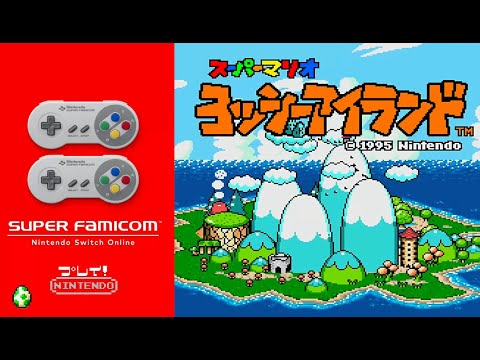
连载「今天是发售日」第22期,是任天堂于1995年8月5日为超级任天堂推出的《超级马力欧 耀西岛》。背着婴儿的耀西用舌头和蛋一路前进的横向卷轴动作游戏,也是耀西系列的第一作。前一年11月上市的《超级大金刚》以3DCG引发话题,公司内部也有人提议「我们是不是也该上CG」,但开发已进行太深无法加入,开发组反而选了手绘风这条「完全相反」的路。《Fami通》交叉评论为9・9・8・7共33分(满40分),获金殿堂;《Fami通Magazine》读者评分为24.8分(满30分)。到今天正好31年。
《学校里发生的恐怖故事》(1995) — 作者一直强调「这不是校园怪谈」的那一作
连载「今天是发售日」第21期,是万普(Banpresto)于1995年8月4日为超级任天堂推出的音响小说《学校里发生的恐怖故事》。报社部的主角要从六位讲述者口中一话一话地听怪谈——先听谁、听到第几话,剧情就会跟着变,含隐藏篇在内总数超过五十篇。它以把真人摄影素材不只用于背景、也用在登场人物身上而闻名。《Fami通》交叉评论是8・6・6・5共25分(满40分),《Fami通Magazine》的读者评分为22.3分(满30分)。销量本身并不亮眼,可同一年里相关书籍出了好几本,隔年的PlayStation版《S》在数字版开始配信之前,二手价一直居高不下。到今天正好31年。
Masyu (2000) — The Loop of Black and White Pearls Born from a Misreading
In April 1999, Puzzle Communication Nikoli issue #84 published a puzzle format called "Pearl Necklace," using nothing but white circles. In 2000, issue #90 added black circles and renamed it "White Pearl, Black Pearl," completing the logical skeleton Masyu still uses today. The official name "Masyu" wasn't settled until 2003 — the result of Nikoli's president misreading a kanji, an accident that simply stuck. With sources, we trace how a grid using no numbers or letters survived 26 years across an NP-completeness proof, official console ports, and an open-source implementation.
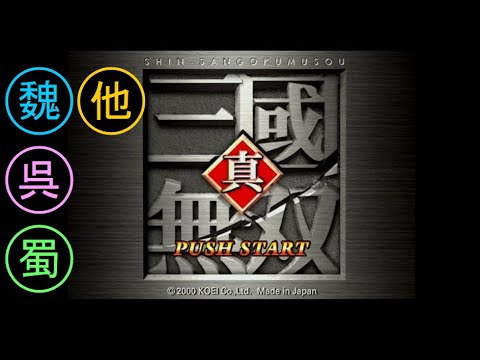
《真·三国无双》(2000) — 从首批出货不足十万开始的「一骑当千」
连载「今天是发售日」第20期,是光荣于2000年8月3日为PlayStation 2推出的《真·三国无双》。海外标题是《Dynasty Warriors 2》——编号从2开始,是因为前作《三国无双》原本是一款1对1的对战格斗游戏。从格斗转向动作的理由,也在于开发方看过PlayStation 2的规格书后想到:说不定能把「战场本身」重现出来。可它并没有什么发售前的声势,首批出货甚至不到十万,还被同公司的首发作品《决战》挡在了后头。之后它靠口碑一点点走远——本期就把这段经过,连同Fami通31分、Metacritic 75分的当年评价,配上实际影像一起回顾。到今天正好26年。
Soma Cube (1933) — Twenty-Seven Fragments Born in a Quantum Mechanics Lecture
In 1933, half-listening to a lecture on quantum mechanics in Copenhagen, Piet Hein enumerated every non-convex fragment that could be made by joining four or fewer unit cubes by their faces, and produced the seven-piece, 27-cube Soma cube. Popularized worldwide by Martin Gardner's 1958 column and commercialized by Parker Brothers in 1969, its 240 solutions were later hand-solved by John Conway and Michael Guy, and its debt is acknowledged by none other than Rubik's Cube inventor Erno Rubik. This piece traces ninety years of a solid-dissection puzzle lineage.
《托巴No.1》(1996) — 史克威尔放上PlayStation的第一张碟
连载「今天是发售日」第19期,是史克威尔于1996年8月2日为PlayStation推出的3D对战格斗《トバルNo.1》(托巴No.1)。它是该公司进军PlayStation的第一弹,开发方是由《VR战士》《铁拳》主要班底组建的Dream Factory,角色设计则请来了鸟山明。系统的根基,是把攻击从「拳」「脚」抽象成上段/中段/下段三个属性的三键制,以及像柔道组手一样的「擒抱」。首发版随碟附赠了次年才发售的《最终幻想VII》体验版光盘「SQUARE'S PREVIEW」,当年的话题反倒集中在那一边。连同类Rogue的「任务模式」在内,本篇的评价是被后来的人一再重提的。到今天正好30年。
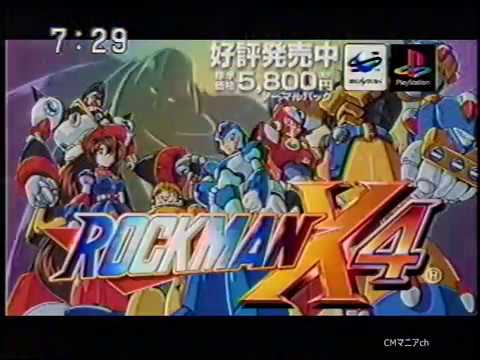
《洛克人X4》(1997) — 让「零」成为可选主角的那一天
连载「今天是发售日」第18期,是卡普空于1997年8月1日同时为PlayStation与世嘉土星发售的《ロックマンX4》(洛克人X4)。它是洛克人X系列第四作,也是「洛克人」十周年纪念作品的第三弹;由超级任天堂转向32位机之后,游戏里加入了动画过场(由XEBEC制作,即后来的Production I.G)与角色配音。最大的改动是「双主角制」——开始时在艾克斯与零之间二选一,之后便无法更改。零的主武装从巴斯特枪改为近身的Z-Saber,这份手感强烈影响了之后的系列。同样在1997年8月1日,演唱片头曲的仲间由纪惠第4张单曲也一并发售。29年后的今天,本作已收录进《洛克人X 周年纪念合集》,2025年10月更宣布了艾莉丝的模型商品化。
Get Off the Earth (1896) — The Patent Sam Loyd Took Out on a Miscount
In 1896, puzzle columnist Sam Loyd patented a rotating vanishing puzzle called Get Off the Earth. This piece traces the real mechanism behind its disappearing figure, its 1880 predecessor The Magic Egg Puzzle, its roots in Loyd's 1858 Trick Mules, and the trail this rearrangement trick has left in optical-illusion puzzles today.
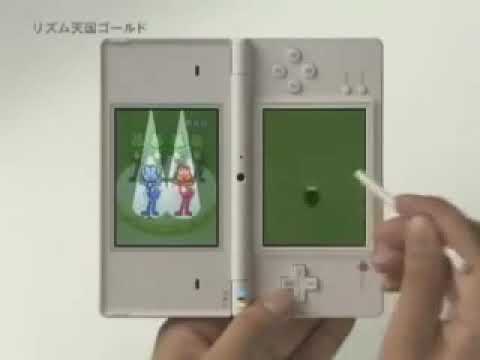
《节奏天国 黄金版》(2008) — 让人把Nintendo DS竖过来拿的「律动感游戏♪」
连载「今天是发售日」第17期,是任天堂于2008年7月31日为Nintendo DS发售的《リズム天国ゴールド》(节奏天国 黄金版)。官方标注的类型不是「音乐游戏」,而是「律动感游戏♪」。要把DS主机由横改为竖着拿,用触控笔点、弹、擦画面——操作就这么多,却要走过全10关×各4种、合计40种节奏小游戏。前作是Game Boy Advance用的《リズム天国》(2006年8月3日),本作同样由夏烂Q的つんく♂制作乐曲。《周刊Fami通》的交叉评论将其列为黄金殿堂入选作品。而在2009年1月,它刷新了1996年《啪拉啪拉啦》保持了12年的音乐游戏销量纪录,日本国内销量达到190万份规模。至于18年后的今天:系列最新作《リズム天国 ミラクルスターズ》已于2026年7月2日在Nintendo Switch上发售,首周39万份登上榜首。
数字连线(1897)——从报纸解谜专栏,到 Flow Free 与 Zip 的时代
1897年,解谜作家 Sam Loyd 在《布鲁克林每日鹰报》刊登了《困惑的邻居们》。1917年,Henry Ernest Dudeney 在自己的著作中将其打磨成一款驾车者谜题;1980年代,Nikoli 将其引入日本,命名为 Arukone 与 Numberlink(数字连线)。2012年,Big Duck Games 的《Flow Free》把它变成彩色圆点与管道,下载量突破一亿;到2025年,这一脉系谱延伸至领英(LinkedIn)的每日谜题《Zip》。本文追溯这条已有120余年历史的规则——不交叉地画出一条线——是如何存活至今的。
五格骨牌(1965)——Solomon W. Golomb 命名的五方块图形,如何演变为 Tetris
1965年,美国数学家 Solomon W. Golomb 在其著作《Polyominoes》中,将由五个正方形连接而成的十二种图形「五格骨牌(pentomino)」的理论整理成书。这一命名可追溯到1953年哈佛大学的一次演讲,1957年经由 Martin Gardner 的专栏传到普通读者手中,1975年又发行了俄语译本。到了1984年,莫斯科的青年 Alexey Pajitnov 凭借童年时对五格骨牌的记忆,在一台实验用计算机上移动图形,Tetris 由此诞生。本文追溯这一五方块图形耗时三十余年环游世界的历程。
《海行者 ~禁断的宠物~》(1999) — 一条嘴很坏的人面鱼,成为Dreamcast最畅销软件的那一天
连载「今天是发售日」第16期,是世嘉为Dreamcast发售的养成模拟游戏《シーマン ~禁断のペット~》(Seaman,禁断的宠物)。发售日为1999年7月29日,开发商是Vivarium,售价6,800日元。在手柄上插入麦克风装置,对着鱼缸里的人面鱼说话,把它养上一个月左右。叫它就会过来,会记住你的年龄和职业,然后用极其无礼的口气跟你讲话。Fami通交叉评论给出9・7・7・6共29分,一边称赞孵化瞬间的冲击力,一边写下「某种意义上的踏绘」「问题作」,认定这是一款好恶分明的作品。即便如此,销量仍达到40万份上下,成为Dreamcast最畅销的软件。第3回文化厅媒体艺术祭优秀奖、第1届Game Developers Choice Awards角色大奖等奖项也接连而来。
Yajilin (1999) — A Board Where Two Rule-Systems Were Grafted Together
In July 1999, Puzzle Communication Nikoli issue #86 introduced Yajilin, a hybrid pencil puzzle that grafted the "draw exactly one loop" grammar established by 1989's Slitherlink onto a black-cell-counting rule. It reused the arrow-and-number cell from a puzzle published just before it, Yajisan-Kazusan, and by 2005 had already been adopted, as "Arrow Ring," into the US qualifying round of the World Puzzle Championship. From official Xbox and PS Vita ports to a dedicated 2025 mobile app called Loopr, we trace, with sources, 26 years of this grid's survival.
《押忍!闘え!応援団》(2005) — 一款卖得不好的音游,靠水货走向世界的那一天
连载「今天是发售日」第15期,是任天堂为Nintendo DS发售的节奏动作游戏《押忍!闘え!応援団》(应援团)。发售日为2005年7月28日,开发商是iNiS。当陷入困境的人喊出「应援团——!」,一身学生服的应援团便赶到现场;玩家用触控笔敲、划、转下屏的标记,为他们送去气势。上屏推进着漫画分镜式的故事,应援打得如何,中途经过与结局都会随之改变,全15关。伴着J-POP翻唱曲,从重考生到在电车上腹痛的小提琴家,一路应援到被巨大陨石盯上的地球。发售之初销量苦战,但口碑逐渐扩散,海外竟出现了不惜进口日文版来玩的玩家;2006年推出了面向海外的《Elite Beat Agents》,2007年推出了续作。受本作启发的PC节奏游戏《osu!》也在2007年登场。
Skipping Stones to Lonely Homes (2015) — Throwing Stones Across Islands, the Free PuzzleScript Game That Fathered Two Descendants
On 31 August 2015, London-based puzzle designer Alan Hazelden quietly published a free browser game on his own site: Skipping Stones to Lonely Homes. A Sokoban-lineage puzzle built on indirect action — throwing stones whose ripples move distant lilypads — it is, by Hazelden's own account, the prototype behind the 'spiritual successor' A Monster's Expedition (2020), and one of the starting points for Jonathan Blow's decade-in-the-making Order of the Sinking Star (2026). This piece traces how one free hobbyist game fed into two major descendants a decade later.
Boulder Dash (1984) — Two Men Who Turned a Falling Rock Into a Rule
In March 1984, First Star Software released Boulder Dash for Atari 8-bit computers: an action puzzle in which Rockford tunnels through cave dirt to collect diamonds while gravity itself turns against him. Remove the dirt beneath a boulder and it falls; drop a rock on a butterfly and it turns to diamonds. This simple physics rule carried a lineage through Emerald Mine (1987), Supaplex (1991), and Rocks'n'Diamonds (1995), and it has survived more than forty years. This article traces the history behind a board written in six months by two Canadian developers.
马力欧医生(1990) — 马力欧穿上白大褂、同日登陆FC与Game Boy的那一天
连载「今天是发售日」第14期,是任天堂的落下型益智游戏《马力欧医生》(Dr. Mario)。FC版与Game Boy版同日发售,是1990年7月27日。马力欧扮成医生,用两粒一组的胶囊消灭瓶中繁殖的三色病毒。纵向或横向凑齐4个同色即可消除,规则简单,另有3档速度×21级关卡的调节幅度,以及FEVER与CHILL两首BGM。在Fami通交叉评测中,两个版本均以31分(满分40)进入白银殿堂,日本国内出货FC与GB合计约361万份。杂志专题与电视节目中的对战转播推波助澜,让它的人气在当时罕见地扩展到了主妇层。FC版自2018年起、GB版自2024年起在Nintendo Switch Online配信,如今仍可原样游玩。
刺猬索尼克(1991) — 世嘉为挑战马力欧而放出的、音速蓝色刺猬
连载「今天是发售日」第13期,是世嘉企业(现·世嘉)开发并发售的Mega Drive动作游戏《刺猬索尼克》(Sonic the Hedgehog)。它的Mega Drive版在日本上架,是1991年7月26日。这款游戏源自「要一个能与任天堂马力欧抗衡的新吉祥物」的社内征选,开发始于1990年。全7个区域(除最终区域外各3幕),以冲下斜坡的爽快感与描绘环形轨道的高速动作一路疾驰。海外(Genesis)更早于1991年6月23日随主机同捆发售,在北美与欧洲爆红。全球销量逾1500万份,索尼克成了与马力欧并肩的世嘉「门面」。日本发售直后的反响虽不及海外,但此后系列长盛不衰。2018年以Nintendo Switch的「SEGA AGES」、2022年以《索尼克起源》复刻,如今仍可游玩。
卡库罗(1966)——从 Cross Sums 到加算 Cross,六十年不曾移动的加法格子
卡库罗,英语圈称为 Cross Sums,1966年诞生于美国戴尔公司的一款拼图杂志企划。1980年代,Nikoli 将其引入日本,命名为“加算 Cross”,2005年又经由《卫报》以近乎逆向输出的方式传遍世界。本文将追溯这个既非填字游戏也非数独、专攻加法的格子,为何在六十年间不断更换媒介却始终未曾改变规则,行文将同时参照当年的纸面报道与如今的 Steam 商店页面。
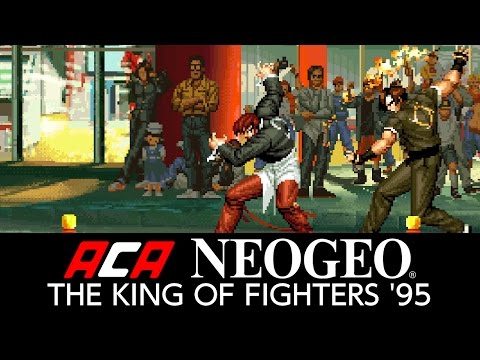
拳皇'95(1995) — 八神庵登场、「队伍编辑」诞生的那一天
连载「今天是发售日」第12期,是SNK开发并发售的Neo Geo(街机/MVS)对战格斗游戏《拳皇'95》(The King of Fighters '95)。1995年7月25日在街机上开始运营。它承接了前一年《KOF'94》开启的「不同作品的主角们3对3对战」的盛宴,并在本作首次搭载了可自由挑选三人组队的「队伍编辑」。同时,主角草薙京的宿敌八神庵在此初登场。它与前作一同缔造了系列最初的黄金期,八神庵的人气更是超出了作品本身。1995年内移植到家用Neo Geo,1996年又登陆PlayStation与Sega Saturn。2022年由Hamster以ACA NEOGEO之名复刻于各机种。
You Have to Burn the Rope (2008) — The Three-Minute Metagame Whose Title Was Also the Walkthrough
In April 2008, Swedish student Kian Bashiri released You Have to Burn the Rope on the Flash portals under the moniker "Mazapan." Its title was, quite literally, the solution, and that too-honest confession sparked enormous internet buzz, carrying the game to an Innovation Award finalist slot at the 2009 Independent Games Festival. This essay reads that under-three-minute joke alongside the Flash portal culture of its era, asking why it still left a real mark on the design history of thinking games.
雷霆力量IV(1992) — Mega Drive炫示16位极限的那一天
连载「今天是发售日」第11期,是Technosoft开发并发售的Mega Drive横版射击《雷霆力量IV》。1992年7月24日发售,系列第4作,也是Mega Drive平台上的最后一作。以精细的多重卷轴、巨大精灵图,以及用FM音源做出的失真电吉他BGM,被誉为「炫示了16位的极限」,发售之初便跻身「Mega Drive最强射击」之列。海外于翌年1993年以《Lightening Force: Quest for the Darkstar》之名发售。2018年作为SEGA AGES复刻于Nintendo Switch。
Slitherlink (1989) — Loop-Closing Logic Born From a Two-Player Paper Game
In June 1989, barely half a year into the Heisei era, Puzzle Communication Nikoli #26 introduced a new puzzle format. Adapted from a two-player paper game called Slither into a single-player pencil puzzle, Slitherlink offers a paradoxical solving pleasure — proving where lines cannot go rather than where they can — and carries a nearly 38-year lineage running through NP-completeness proofs to Steam storefronts in the 2020s. We trace, with sources, the loop-logic Nikoli founder Maki Kaji once called "the son of Sudoku."
第3次超级机器人大战(1993) — 被杂志与口碑从系列终结危机中救回的夏天
连载「今天是发售日」第10期是《第3次超级机器人大战》。1993年7月23日,万普为超级任天堂发售的模拟RPG(Winkysoft开发,9800日元)。驾驶员能力值与机体改造在本作首次引入,换乘系统也首次实装——日后延续30多年的系列地基,由这一作打下。另一方面,据传发售初期销量不佳,一度被提出终结系列,扭转局面的是游戏杂志倾注热情的报道与口碑。从初期出货约10万到最终出货25万、二手价一度高于定价——本期挖掘这场逆转剧。
English Country Tune (2011) — Where an Egg Falls Changes Every Time It Moves
On November 25, 2011, Stephen Lavelle (increpare) — a developer who had already released over 500 free games — put a price on one for the first time: English Country Tune. Its Sokoban-like opening, pushing eggs into incubators, quickly collapses into a rule where gravity itself rewrites with every move. Nominated for Design Excellence at IGF 2012, it precedes the free PuzzleScript engine (2013), 2016's Stephen's Sausage Roll, and — by the creator's own account — Baba Is You. We trace, with sources, the origin of Lavelle's uncompromising design philosophy.
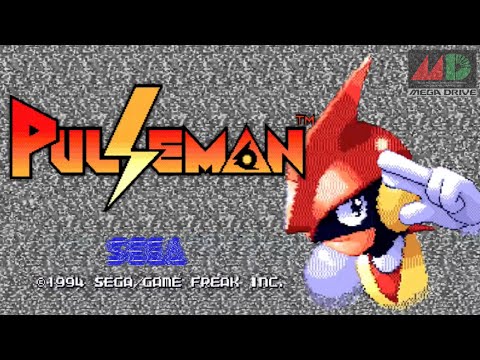
脉冲人(1994) — 制作宝可梦的前夜,Game Freak放出的电气少年
连载「今天是发售日」第9期是Game Freak开发、世嘉发售的《脉冲人》。1994年7月22日发售的Mega Drive动作游戏,导演是杉森建与田尻智,音乐由增田顺一操刀——是日后制作宝可梦的班底汇聚的一作。蓄电弹跳的独特动作与Mega Drive顶尖的美丽画面是其特色。仅在日本国内发售(海外要到翌年才通过Sega Channel配信),当时是安静的存在,后经Wii虚拟主机(2007/2009)与Nintendo Classics(2023)获得再评价。必杀技「Volteccer」,后来作为皮卡丘的招式名被继承下来。
Hitman GO (2014) — The Year an Assassin Became a Board-Game Piece
In 2014, after its console Hitman project collapsed, Square Enix Montreal shipped Hitman GO, a turn-based puzzle played across a board of nodes and lines. Born from paper prototypes, this "distilling" design method spawned Lara Croft GO (2015) and Deus Ex GO (2016), and eventually reached Steam. This piece traces the lineage of a method that turned a AAA brand into a board-game piece.
马力欧网球64(2000) — 瓦路易吉首次登上游戏史的那一天
连载「今天是发售日」第8期是任天堂的《马力欧网球64》。2000年7月21日发售的NINTENDO64网球游戏,由《马力欧高尔夫64》的Camelot开发,也是作为瓦力欧双打搭档新造的「瓦路易吉」首次登场的作品。Metacritic上获91分好评,日本国内发售两周卖出20万份以上,在GameSpot年度最佳N64游戏评选中仅次于《完美黑暗》。如今仍可在Nintendo Switch Online上游玩。
PuzzleScript(2013)——一行规则,量产了全世界的「推箱子游戏」
2013年10月,Stephen Lavelle(increpare)免费公开了浏览器解谜引擎 PuzzleScript。这个只需一行规则就能做出仓库番类谜题的工具,经由 Alan Hazelden 的早期作品,孕育出《A Good Snowman Is Hard to Build》,又经过 Hempuli 本人所说的“推箱子谜题复兴”,一路连到了《Baba Is You》的土壤。本文核实这条系谱。
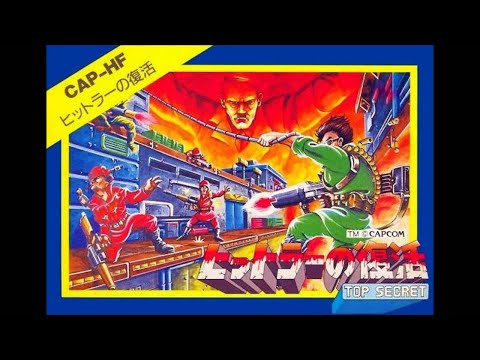
希特勒复活 TOP SECRET(1988) — 抛弃跳跃的动作游戏诞生之日
连载「今天是发售日」第7期是Capcom的《希特勒复活 TOP SECRET》。这款1988年7月20日发售的FC动作游戏中,主角不能跳跃,只能靠手臂伸出的钢索越过悬崖、荡过天花板。FamicomTsushin交叉评测26分、国内销量平平;但同年12月在海外发售的NES版《Bionic Commando》登上《Nintendo Power》封面,日后成为名作榜单常客。一盘在国内外拥有两副面孔的卡带。
花山 Cast Puzzle(1983)——Nob Yoshigahara 连结金属拼图与数字密室游戏的谱系
1983年,日本玩具制造商花山(Hanayama)推出了金属分解拼图系列「Cast Puzzle」。负责监修的拼图设计师 Nob Yoshigahara(1936-2004)之手,无意间将这段无文字的金属拼图经验,与1996年的滑块拼图《Rush Hour》,以及2012年问世、后登陆Steam的密室拼图《The Room》连接了起来。本文追溯这条历经40年仍未完全解开的谱系。
最终幻想IV(1991) — 战斗中开始流动「时间」的那一天
连载「今天是发售日」第6期是Square的《最终幻想IV》。1991年7月19日作为系列首款超级任天堂软件发售,首次搭载了选指令时敌人也会行动的「即时战斗系统(ATB)」。在Fami通交叉评论中进入白金殿堂;而「太难了」的声音,则以3个月后发售《Easy Type》的形式留在了记录里。到今天正好35年——10年后的同一个7月19日,FFX也发售了。对这个系列而言,这是个特别的日期。
The Legend of Zelda (1986) — The Grammar of Exploration Set by Treasure and Labyrinth
Released 21 February 1986 as the launch title for the Family Computer Disk System, The Legend of Zelda was built by Shigeru Miyamoto and Takashi Tezuka around a one-directional chain: obtain a treasure, and a path opens. Forty years later, that structure stands as an ancestor of today's exploration-based puzzle games. I reread this design, born from the era's disk-capacity constraints, through a historian's eyes.
我们的太阳(2003) — 把真正的太阳装进卡带的夏天
连载「今天是发售日」第5期是Konami的《我们的太阳》(Boktai)。2003年7月17日,这款GBA「太阳动作RPG」在卡带中内置太阳传感器,把真实的阳光变成了武器的能量。监督兼制作人是小岛秀夫。这部把玩家带到户外的异色之作,却偏偏发售在创纪录的冷夏之年。到今天正好23年。
Simon Tatham's Portable Puzzle Collection (2004) — 40 Puzzles, Freshly Generated for 22 Years
In 2004, British engineer Simon Tatham — also known as the author of PuTTY — released a free collection of single-player logic puzzles. From Sudoku and Minesweeper to the loop-drawing Loopy and the bridge-building Bridges, all 40 puzzles are freshly generated by computer on every run. Written purely to solve a portability annoyance, this hobby project became, twenty years later, the foundation of an AI algorithmic-reasoning benchmark.
HECTOR'87(1987) — 为夏日大赛而生的射击游戏
连载「今天是发售日」第4期是Hudson的《HECTOR'87》。1987年7月16日,作为暑假巡回全国的游戏大赛「第3届TDK全国FC Caravan」官方指定软件而生的纵横交替卷轴射击游戏。搭载生命值制与和大赛同规格的2分钟/5分钟模式,杂志评价为FC通信Cross Review 29分。发售日本身正是从夏日大赛倒推而定。今天正好39年。
Auditorium (2008) — The Birth of a Puzzle That Paints With Sound, in a Browser
In April 2008, Philadelphia studio Cipher Prime released the music puzzle Auditorium as a browser Flash game. Players redirect streams of light particles through control points to fill color-matched audio containers, completing a soundtrack as they solve. This article traces its detour through iOS, PS3, and PSP before it finally reached Steam in 2012.
This is the Only Level (2009) — A Mischievous Loop on a Single Screen, from the Flash Era
On 8 August 2009, John Cooney (jmtb02) released This is the Only Level on Armor Games: a meta puzzle-platformer that replays the same single screen across 30 stages, rewriting only its rules each time. This article traces its rare path of preservation, surviving Flash's technical extinction to return, by the creator's own hand, as part of The Elephant Collection on Steam in 2023.
Mario Paint(1992)——鼠标来到电视画面的那一天
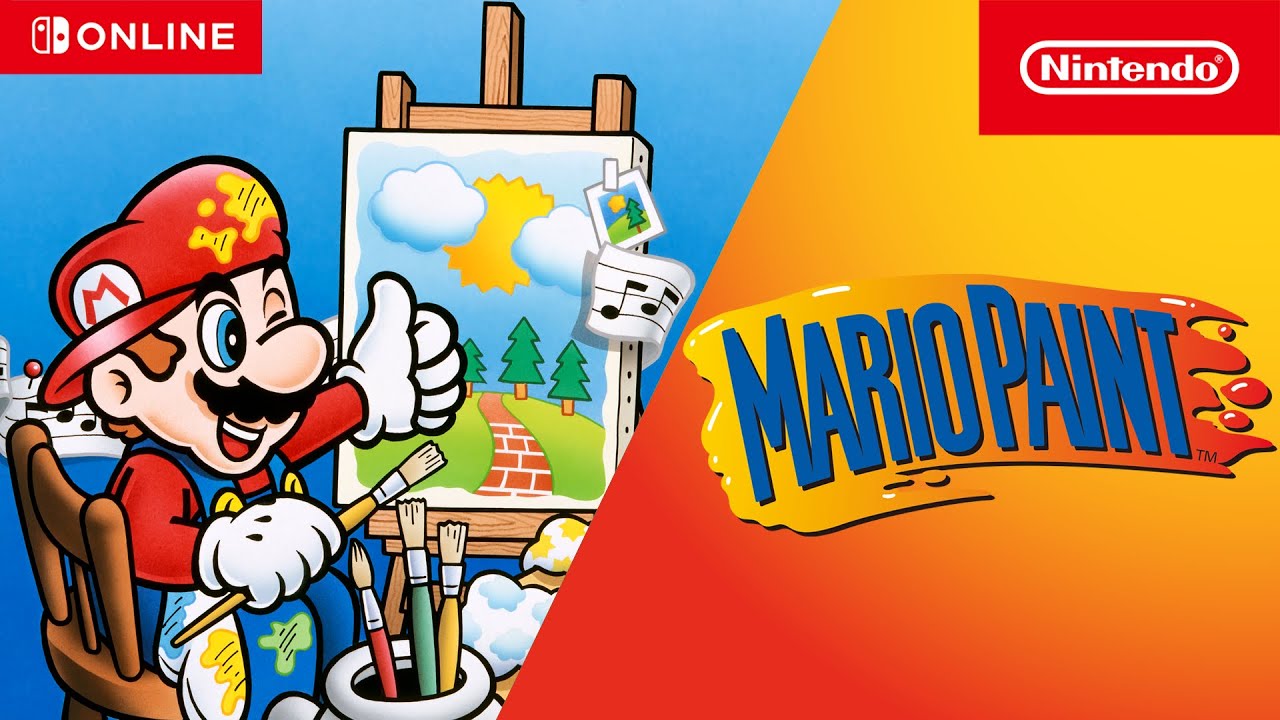
连载“今天是发售日”第2回,介绍超级任天堂用游戏『Mario Paint』。1992年7月14日,作为超级任天堂首款鼠标专用软件,随鼠标同捆发售。可以画画、作曲、做动画、还能玩打苍蝇。在《Fami通》Cross Review 中获得35分,入选白金殿堂。而在2025年7月,它又保留着鼠标操作方式回归 Nintendo Classics。
迷你地铁(2013)——始于48小时Game Jam的路线图
2013年4月,为参加Ludum Dare 26,新西兰的Curry兄弟在一个周末做出的试作《Mind the Gap》。追溯这款诞生于『不会画画』『不会作曲』等制约之下的极简路线图解谜游戏,如何在经历2014年Steam抢先体验后,于2015年完成为正式版《Mini Metro》。
Tangram (Qi Qiao Ban) — Around 1810, Seven Pieces of Lies and Truth
Seven shapes, five triangles, one square, one parallelogram, enough to form countless silhouettes. The tangram's origin lies in late-18th-century China, but its history was long distorted by a fabricated chronicle puzzle maker Sam Loyd wrote in 1903. I dig up both the toy's true voyage and the fiction that obscured it.
《Puyo Puyo》(1991)——发明"连锁"这一新动词
1991年10月25日,《Puyo Puyo》在 MSX2 与红白机磁盘系统上同日发售。由米光一成构思、Compile 制作,次年1992年与世嘉合作推出的街机版催生了"连锁"(rensa)这一新动词。即便开发商已于2003年消失,这套设计仍延续到了2014年的《Puyo Puyo Tetris》,乃至2018年的 Steam 版本。我想把这一款重新解读为对战型解谜这项竞技的起点。
Monument Valley(2014)— 行走于不可能的建筑,移动游戏黄金期的一章
2014年4月3日在iOS上开始发行的『Monument Valley』,是从伦敦一家设计事务所分拆出来的六人团队,把埃舍尔的不可能图形做成可以行走的建筑的作品。在免费增值模式笼罩App Store的时代,本作以付费、短时长、高密度这一逆向打法卖出数百万份,我将它重新解读为视角系解谜游戏的一环,也是移动游戏黄金期的一份记录。
Henry Dudeney (1907) — Four Hinged Pieces That Turn a Triangle Into a Square
In 1907, English puzzle maker Henry Dudeney published, within The Canterbury Puzzles, the Haberdasher's Puzzle: cutting an equilateral triangle into just four pieces that reform into a square. Hinged together, the pieces could transform with a single fold, and the dissection drew attention in its day -- yet the proof that four pieces were truly minimal remained unresolved for a surprisingly long time, settled only by a 2024 computational-geometry paper. Tracing Dudeney's rivalry with Sam Loyd and his rediscovery through Martin Gardner, this piece rereads how a paper puzzle took 117 years to reach computer science.
The Birth of the Jigsaw Puzzle (1760s) — The Man Who Cut Up Maps, and a Verb Unchanged for 260 Years
In 1760s London, the map engraver John Spilsbury mounted printed maps on wood and cut them apart along national borders, selling them as 'Dissected Maps' — the commercial starting point of what would later be called the jigsaw puzzle. This essay revisits the context in which the format was born as a tool for teaching geography, the structural insight that where you cut is itself the design, and the lineage that runs from Depression-era die-cut cardboard to the 2021 VR title Puzzling Places — a format that survived 260 years without ever changing its verb.
Crimson Room (2004) — The Day a Red Room Made 'Escape' a World Word
On March 4, 2004, Japanese developer Toshimitsu Takagi released a small free Flash game. You wake in a crimson-walled room, gather keys and tools, and leave through a locked door — nothing more. Yet Crimson Room spread the 'escape the room' genre worldwide, gave Asia the genre name 'Takagism' after its author, and by its instigator's own testimony triggered the world's first real escape game in Kyoto, 2007. I read this red room as a rare junction where digital play flowed back into physical space.
Pipe Mania (1989) — Betting the Route Before the Flow Arrives
In June 1989, Britain's The Assembly Line released Pipe Mania for the Amiga. In North America Lucasfilm Games distributed it as Pipe Dream, and in Japan Video System's arcade version was carried by Namco. Lay the pipe before the green flooz starts to flow - this single verb cast the template of the real-time spatial-connection puzzle.
Mole Mania (1996) — What a Two-Layer Board of Surface and Underground Taught Us
On July 21, 1996, Nintendo released Mole Mania for the Game Boy, developed by Nintendo EAD and Pax Softnica and produced by Shigeru Miyamoto. With four verbs — push, pull, throw, dig — you carry an iron ball to each screen's gate, across a board that exists in two layers: surface and underground. I dig up this forgotten work as an ancestor of the spatial reasoning found in today's multi-layer puzzles.
Cursor*10 (2008) — Ten of Me Climb One Tower: The Origin of Self Co-op
In January 2008, Yoshio Ishii of Nekogames posted a single Flash game on his site: Cursor*10. You control the mouse cursor itself; when one life runs out, its recorded actions replay in the next, and you climb a sixteen-floor tower in cooperation with your past selves. I read this small work, built over a single Japanese New Year's holiday, as an origin point of the 'self co-op' grammar in modern puzzle design.
Nikoli (1980) — The Reader-Grown Puzzle Magazine, and the Road Sudoku Took Around the World
Puzzle Communication Nikoli, launched in 1980, was Japan's first magazine devoted to puzzles. Its name came from a racehorse; the prototype of Sudoku came from America. This essay traces forty years in which Nikoli's mode of production—reader submissions and handmade problems—gave birth to Slitherlink (1989) and Nurikabe (1991), and sent Sudoku around the world via Hong Kong judge Wayne Gould's generator program, rereading the source of a question at the heart of modern puzzle design: who should make a good problem?
Professor Layton and the Curious Village (2007) - A Vessel That Carried 1966's Riddles onto a Handheld
On February 15, 2007, Level-5 released Professor Layton and the Curious Village for the Nintendo DS. Its bundle of riddles derives directly from Akira Tago's Atama no Taisou (Kobunsha, 1966), the puzzle books producer Akihiro Hino adored as a child. This essay traces, from a historian's view, how Layton's stance of sinking a paper puzzle collection into a narrative vessel connects a forty-year-old book to a handheld, and onward to today's deduction puzzles.
纵横字谜(1913)—— 从阿瑟·温的菱形开始的格子谱系
1913年12月21日,阿瑟·温的"Word-Cross"印刷于《纽约世界报》娱乐副刊。这一游戏因排版误植而被称为"纵横字谜",1924年西蒙与舒斯特出版社的书籍令其广泛传播,1930年《泰晤士报》、1942年《纽约时报》使之走向全球。本文追溯格子、交叉与线索这三项发明,如何作为思考型解谜的设计语汇,从纸上方格延续至尼科利的铅笔谜题与现代数字作品。
河内塔(1883)—— 留下递归遗产、永无终结的64枚圆盘
1883年,法国数学家Édouard Lucas以「N. Claus (de Siam)」为笔名推出了一款木制玩具。三根柱子,大小各异的圆盘,仅有两条规则。然而其朴素外表之下,蕴含着移动n枚圆盘至少需要2ⁿ−1步的递归数学。本文从历史视角重新审视这款玩具的真正起源、贝纳勒斯关于64枚圆盘完成时世界将终结的虚构传说,以及「递归」与「状态空间」的思想为后世计算机科学与现代谜题所留下的遗产。
echochrome (2008) — A Puzzle Where Perspective Becomes the World's Physics
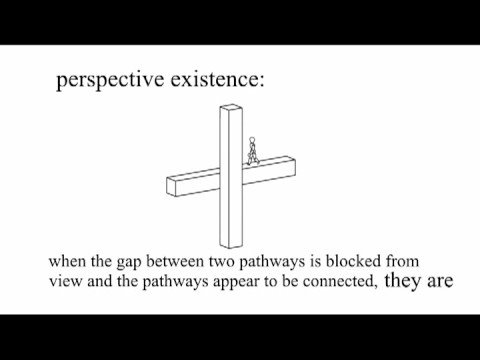
Released for the PSP on March 19, 2008, echochrome translated the 'OLE Coordinate System' — an illusion principle researched by Jun Fujiki at Kyushu University — directly into play. The physics of the world a wooden mannequin walks through is rewritten by the angle you view it from. I re-read this work, which turned the impossible objects of Escher and Reutersvard into a rotating puzzle, within the lineage of perspective puzzles.
The Lost Vikings (1993) — A Classic of Cooperative Puzzling, Three Bodies Moved One at a Time
Released in 1993 by Silicon & Synapse (later Blizzard Entertainment) through Interplay, The Lost Vikings is a cooperative puzzle in which the player controls three differently-skilled vikings one at a time and must lead all of them to the exit. In Japan it was distributed by T&E Soft under the title Viking no Daimeiwaku. This essay re-reads its era, the quality of thought its three-way cooperation produced, and the lineage that runs from Lemmings and Gobliiins to today's cooperative puzzles.
Threes! (2014) — One Last Board That Grows by Three
Threes! arrived on the iPhone in 2014. Prototyped in a single night and polished over fourteen months, it lived through a strange reversal when, a month later, the 2048 craze left the original accused of being the copy. We trace the origin of the merge-slide puzzle through the developers' own testimony.
魔方(1974)——43京种配置的迷宫,与唯一一个解
1974年,布达佩斯的建筑师厄尔诺·鲁比克为教学目的削出了一个小小的立方体,这个物体最终将拥有43京种配置、唯一一个完成形的"状态空间"握于掌心。本文通过一次和二次文献,追溯这一玩具的确切出处——1974年的发明、1980年的全球登场,以及2010年证明的"神之数=20"——并作为历史重新解读:这个没有显示屏、没有电源的物体,是如何在半世纪前便以实物体现了现代解谜设计者口中的"可逆性""唯一解""待探索的空间"等语汇的。
Submachine (2005) — A Door into the Subnet, and the Lineage of Flash Escape Puzzles
On 15 September 2005 the Polish cartoonist Mateusz Skutnik posted a single Flash game on his own website. It was simply called Submachine. Later renamed Submachine 1: The Basement, it became the seed of a ten-part escape-puzzle lineage. I read this hand-drawn browser work, one that never sat on Steam at the time, as a chapter in the history of escape puzzles.
Adventures of Lolo(1989)——翡翠方框,解的唯一性
1989年,HAL研究所在NES上推出的《Adventures of Lolo》。其母体是1985年MSX上的《Eggerland Mystery》。在11×11的棋盘上,将可推动的方框和移动的敌人组合,收束到唯一的正确答案——这款承袭仓库番血统的单屏逻辑谜题率先确立的东西,我将作为谱系来解读。
Lemmings (1991) — The Source of Indirect-Control Puzzling, Where You Move the World and Never the Creature
On 14 February 1991, DMA Design of Scotland released Lemmings and, with it, established 'indirect control': the player never steers a character directly but assigns roles and shapes the world to guide a crowd to safety. This essay re-reads its era, the quality of thought its eight skills produced, and its lineage toward RTS and modern puzzle design.
15数字推盘(1880) — 萨姆·劳埃德骗倒世界的那一步无解棋局
1880年初,「15数字推盘」的狂潮席卷美国与欧洲。然而被世人奉为发明者的萨姆·劳埃德,实为在狂潮消退十六年后才冒领功劳的冒充者。本文追溯这个木盒的真实来源,以及劳埃德以悬赏为名的「14与15对调的盘面」在数学上绝对无解的1879年证明,并从历史角度重读滑块拼图留给现代数字谜题设计的遗产:「可解性的保证」。
The Incredible Machine(1993)— 让鲁布·戈德堡机械变成游戏的工具箱
1993年,由Dynamix与Sierra推出的《The Incredible Machine》将齿轮、皮球、风扇与猫摆在同一块屏幕上,让玩家搭建鲁布·戈德堡机械。这只以九个月、三万六千美元组装而成的工具箱,连同它的自由创作模式,成为当代物理与装置谜题的源头之一。本文追溯直到2014年其原班作者将《Contraption Maker》搬上Steam的二十一年。
马里奥的画线方块(1995) — 1987 年诞生的逻辑
1995 年 3 月 14 日在 Game Boy 上发售的《马里奥的画线方块(Mario's Picross)》,把八年前由两位日本发明者各自独立发明出的「お絵かきロジック」翻译成了玩法。从报纸谜题到游戏,再到当代 Steam 上的 Nonogram。一种逻辑谜题以近乎不变的形态存续半个世纪——本文追溯这条谱系。
仓库番(1982) — 元谜题 44 年前的原型
1982 年,Thinking Rabbit 的今林宏行发布了仓库番。仅靠「走」与「推」两个动词成立的这部作品,为何会成为 44 年后 Baba Is You 与 Patrick's Parabox 的祖先——从时代脉络重读。